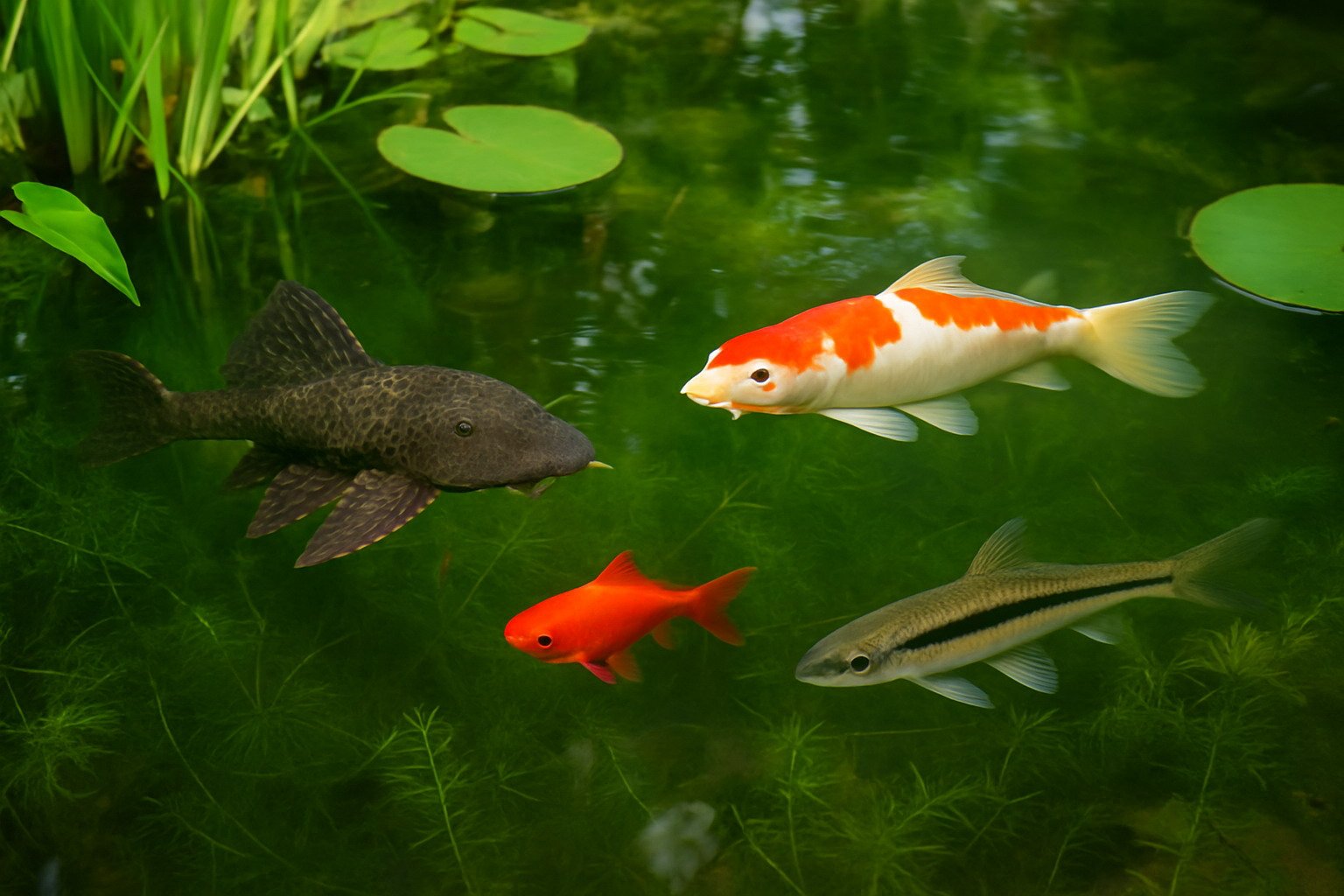
A pond covered in green algae can quickly go from a peaceful backyard retreat to a murky, maintenance-heavy challenge. While chemical treatments may give short-term results, pond keepers increasingly prefer natural solutions. Introducing the best algae eating fish for ponds is one of the most effective, eco-friendly ways to maintain clean, balanced water.
Fish species that specialize in grazing on algae help reduce overgrowth, improve water clarity, and support a healthier ecosystem. In many pond setups, the right algae eaters can cut algae buildup by up to 70% without disturbing other aquatic life. This strategy is not only sustainable but also enhances biodiversity in your pond.
“When the pond environment is balanced, algae become part of the ecosystem—not a problem.”
— Dr. Elise Warren, Aquatic Biologist
This guide explores the most efficient algae eating fish, their compatibility with different ponds, and how to maximize their benefits naturally.
In This Article
Factors to Consider When Choosing the Best Algae Eating Fish for Ponds
Selecting the wrong fish may lead to overpopulation, plant damage, or even invasive behavior. To avoid complications, the following factors should be evaluated before introducing algae eaters:
| Factor | Recommended Range | Reason |
| Pond size | 500+ gallons for large algae eaters | Provides space for adult fish growth |
| Water temperature | 15–29°C (59–84°F) | Most algae eaters prefer moderate climates |
| pH level | 6.8–8.0 | Supports fish health and algae reduction |
| Oxygen levels | High | Algae fish require stable oxygenation |
| Filtration | Moderate to strong | Prevents water pollution from fish waste |
Checklist Before Adding Algae Eating Fish
- Ensure pond water is cycled and mature
- Monitor ammonia and nitrate levels
- Confirm compatibility with existing fish
- Provide shelter (rocks, plants, shade)
Case Study:
A 2,500-gallon koi pond in Florida introduced 4 Siamese algae eaters and 2 plecostomus. Within two months, filamentous algae levels dropped by 60% without chemical use. Water clarity improved, and no plants were damaged.
Top 10 Best Algae Eating Fish for Ponds
Below is a quick comparison of the best algae eating fish for ponds based on algae consumption efficiency and pond suitability:
| Fish Species | Algae Removal Efficiency | Ideal Pond Size | Notes |
| Common Pleco | ⭐⭐⭐⭐⭐ | Large | Powerful but can grow over 18 inches |
| Siamese Algae Eater | ⭐⭐⭐⭐ | Medium | Peaceful and effective |
| Chinese Algae Eater | ⭐⭐⭐ | Medium | Can be aggressive when mature |
| Koi | ⭐⭐ | Medium to large | Good supplemental grazer |
| Goldfish | ⭐⭐ | Small to medium | Eats soft algae only |
| Grass Carp | ⭐⭐⭐⭐ | Very large | Excellent but may eat plants |
| Tilapia | ⭐⭐⭐⭐ | Warm climates | Efficient and fast-growing |
| Channel Catfish | ⭐⭐ | Large | Eats debris and some algae |
| Rosy Red Minnow | ⭐⭐ | Small | Good for light algae control |
| Molly Fish | ⭐⭐ | Small & warm | Ideal for shallow warm ponds |
Quick Tip:
For ponds under 1,000 gallons, opt for Siamese algae eaters or goldfish. Large ponds above 3,000 gallons benefit most from plecos or grass carp.
Best Algae Eating Fish for Ponds: Common Plecostomus
Common Plecostomus (commonly called “pleco”) is one of the most powerful and hardworking algae eating fish for ponds. Originating from the rivers of South America, this species is known for its vacuum-like mouth, which scrapes algae off surfaces including pond walls and stones.
Key Benefits of Plecostomus in Ponds
- Can consume up to 40% of their body weight in algae daily
- Actively feed on soft and filamentous algae
- Excellent for large, deep ponds due to their size and strength
| Feature | Details |
| Adult size | 12–24 inches |
| Ideal pond volume | 2,000+ gallons |
| Temperature | 22–29°C (72–85°F) |
| Behavior | Mostly nocturnal |
| Lifespan | 10–15 years |
Pros
- Highly effective algae remover
- Low aggression when enough space is provided
- Helps reduce organic waste buildup
Cons
- Can uproot plants if hungry
- Requires oxygen-rich water
- Not suitable for small ponds
“Plecos are your best allies in large ponds but only when supported with proper filtration and shelter.” — Mark Riley, Pond Specialist
Expert Tip:
Provide hiding spots using large rocks or PVC tubes, as plecos prefer shaded security zones.
Best Algae Eating Fish for Ponds: Siamese Algae Eater & Chinese Algae Eater
While often confused, Siamese Algae Eaters (Crossocheilus siamensis) and Chinese Algae Eaters (Gyrinocheilus aymonieri) behave differently in ponds. The Siamese species is peaceful and continues grazing throughout adulthood, whereas Chinese algae eaters may turn territorial and feed more on fish mucus than algae as they mature.
| Comparison | Siamese Algae Eater | Chinese Algae Eater |
| Max length | 6 inches | 10 inches |
| Temperament | Peaceful | Can be aggressive |
| Algae type | Green and hair algae | Mainly soft algae |
| Best for | Small–medium ponds | Medium ponds |
| Effectiveness | ⭐⭐⭐⭐ | ⭐⭐⭐ |
Why Choose Siamese Algae Eaters
- Efficient algae controllers without harming other species
- Active grazers during daylight
- Ideal companion for koi and goldfish ponds
Why Use Chinese Algae Eaters with Caution
- Good algae eaters when young
- May become aggressive towards slow-moving fish
- Better suited for ponds with fast swimmers
Suitable Pond Setup
- Plenty of vegetation
- Stable temperature between 20–28°C
- No predators (such as large cichlids)
Best Practice:
Introduce in groups of 3–6 for better efficiency, but avoid overcrowding.
Best Algae Eating Fish for Ponds: Koi & Goldfish as Natural Algae Controllers
Koi and goldfish are among the most popular pond fish globally—not just for aesthetics, but for their ability to maintain aquatic balance. While they may not be the most aggressive algae consumers, they help control soft algae growth and prevent excessive nutrient buildup.
| Feature | Koi | Goldfish |
| Size | 24–36 inches | 8–12 inches |
| Lifespan | 20–40 years | 10–15 years |
| Algae efficiency | Moderate | Low–moderate |
| Best pond type | Ornamental ponds | Small ornamental ponds |
| Plant safety | May graze on plants | Usually safe |
Algae Control Abilities
- Consume soft, floating algae and biofilm
- Stir sediment, exposing algae to sunlight and oxygen for breakdown
- Contribute to nutrient cycling through natural grazing
Pros
- Long lifespan and high adaptability
- Safe for most pond setups
- Easy to maintain and feed
Cons
- Produce significant waste—requires strong filtration
- Not suitable as sole algae control method
- May nibble on delicate aquatic plants
Case Example:
A Japanese-style koi pond in the UK used koi, water lilies, and marginal plants combined with UV filtration. Although koi alone were not sufficient to eliminate algae, they helped maintain moderate levels while improving the pond’s aesthetics and biological balance.
“Goldfish don’t solve the algae problem alone, but they help keep it in check when you manage feeding and water parameters properly.” — Bethany Carter, Aquaculture Consultant
Best Tip:
Avoid overfeeding koi and goldfish, as uneaten food contributes to algae growth. A controlled diet encourages natural grazing behavior.
Other Recommended Algae Eating Pond Fish (Grass Carp, Tilapia, Catfish)
While plecos and Siamese algae eaters remain favorites, several other species can also support pond maintenance when used appropriately. These other recommended algae eating fish for ponds are best suited to specific conditions and should be introduced strategically.
| Species | Pond Size | Climate | Algae Type | Notes |
| Grass Carp | Very large (5,000+ gallons) | Temperate | Filamentous & weeds | Requires legal permit in many regions |
| Tilapia | Warm (22–32°C) | Tropical/Subtropical | Green algae & detritus | Fast-growing but temperature-sensitive |
| Channel Catfish | Large | Versatile | Indirect algae control | Eats waste, detritus, and some algae |
Pros & Cons
| Species | Pros | Cons |
| Grass Carp | Highly efficient vegetation consumer | May destroy pond plants if unsupervised |
| Tilapia | Rapid algae reduction, easy breeding | Dies below 15°C; may overpopulate |
| Catfish | Helps remove debris and waste | Not a primary algae eater |
“Tilapia converted a heavily green pond into a clear ecosystem in less than two months under warm climate conditions, but they were removed before winter to prevent loss.” – Aquaponics Field Report, 2024
Best Application Tips
- Use grass carp only in very large ponds with controlled vegetation.
- Tilapia works best in regions with warm year-round temperatures (e.g., tropical climates).
- Channel catfish are ideal for ponds where organic waste also contributes to algae growth.
Best Algae Eating Fish for Ponds Based on Climate & Region
Matching algae eating fish to your local climate is crucial. Some species thrive in cold conditions, while others require warmth to function efficiently.
| Climate | Recommended Fish | Notes |
| Cold (below 15°C) | Koi, goldfish | Not aggressive algae eaters but highly adaptable |
| Moderate (15–22°C) | Siamese algae eater, plecostomus (with heater), rosy red minnows | Effective in backyard ponds |
| Warm (22–30°C) | Tilapia, Chinese algae eater, mollies | High algae consumption, rapid breeding |
| Very large ponds | Grass carp, catfish | Best for agricultural ponds |
Cold-Water Pond Tip:
Plecos cannot survive freezing conditions, so either move them indoors during winter or opt for goldfish and koi combined with alternative algae control techniques. For large cold ponds, floating islands and UV clarifiers work well alongside koi.
In Regulatory Areas:
Some regions restrict stocking fish such as grass carp or tilapia due to risk of invasive behavior. Always check local guidelines before introduction.
Combining Best Algae Eating Fish for Ponds With Other Algae Control Methods
Depending solely on algae eating fish often leads to partial results. A balanced pond ecosystem requires multiple layers of control.
Best Supporting Methods
| Control Method | Benefits |
| Aquatic plants (water lettuce, hornwort, lotus) | Compete with algae for nutrients |
| UV clarifier | Destroys floating algae particles |
| Beneficial bacteria | Break down organic waste |
| Shade structures | Reduce algae growth from sunlight |
| Surface aerators | Increase oxygen, reducing algae favorability |
Real-Life Example:
A wildlife garden pond in Australia combined tilapia, hornwort plants, and a solar-powered aerator. Within 45 days, algae coverage dropped from 80% of the surface to under 10% without chemical treatment.
Strategic Combination Tips
- Introduce algae eating fish gradually, starting with 1–2 per 500 gallons.
- Add floating plants to block direct sunlight.
- Stop using chemical algaecides once fish are introduced.
- Maintain water changes of 10–20% monthly.
“Natural algae management works best when fish support the ecosystem, rather than being expected to solve it alone.” — Dr. David Foster, Ecological Aquatics
How to Stock and Introduce the Best Algae Eating Fish into Ponds Safely
Introducing the best algae eating fish for ponds requires careful planning to avoid shock, overstocking, or ecosystem imbalance. Proper acclimation ensures fish adapt smoothly to pond conditions and begin their algae-eating role effectively.
Ideal Stocking Guidelines
| Pond Size | Recommended Fish Count |
| 500–1,000 gallons | 1–2 small algae eaters (e.g., Siamese algae eater) |
| 1,000–3,000 gallons | 2–3 algae eaters (pleco, small koi) |
| 3,000–5,000 gallons | 3–5 algae eaters |
| 5,000+ gallons | Up to 2 grass carp or 4–6 tilapia (depending on temperature) |
Safe Introduction Method
- Float the bag in your pond for 20–30 minutes to equalize temperature.
- Gradually mix pond water into the bag over 15 minutes.
- Release fish gently during cooler parts of the day (early morning or evening).
- Turn off waterfalls or strong currents temporarily.
- Observe fish behavior for 24–48 hours.
Avoid Introducing Fish If
- Ammonia > 0.5 ppm
- Nitrate > 40 ppm
- pH fluctuates more than 1.0 in 24 hours
- Recent use of algaecide or copper-based treatment
Expert Quote
“The moment of introduction defines long-term pond health. Slow acclimation is just as important as the species choice.” — Clara Nguyen, Pond Ecosystems Researcher
Feeding & Maintenance of the Best Algae Eating Fish for Ponds
While algae eaters primarily consume algae, they still require balanced nutrition to maintain health and efficiency. Starved fish may damage plants or compete with other fish.
Diet Recommendations
| Species | Natural Diet | Supplement Feeding |
| Plecostomus | Algae, detritus | Spirulina wafers, cucumber slices |
| Siamese Algae Eater | Hair algae, biofilm | Sinking pellets, blanched spinach |
| Koi & Goldfish | Soft algae | High-protein pellets, veggies |
| Tilapia | Green algae | Floating pellets, duckweed |
| Grass Carp | Aquatic weeds | Leafy greens, hydrilla |
Feeding Tips
- Feed only once daily and only what they consume in 3–5 minutes
- Reduce feeding during colder seasons
- Provide vegetable-based pellets for plecos and carp
- Remove uneaten food to prevent nutrient excess
Seasonal Care
| Season | Feeding Frequency | Notes |
| Summer | Daily | High algae activity |
| Autumn | 3–4x/week | Gradually reduce |
| Winter (<10°C) | Stop feeding | Fish enter dormancy |
| Spring | 3–4x/week | Restart gradually |
Common Mistake:
Overfeeding koi and goldfish is one of the primary causes of algae growth due to excess nutrients from uneaten food and waste.
Preventing Overpopulation and Invasive Behavior in Algae Eating Pond Fish
Some of the best algae eating fish for ponds—particularly tilapia, goldfish, and Chinese algae eaters—can reproduce rapidly or display invasive tendencies if not properly managed.
Signs of Overpopulation
- Increased aggression and territorial fights
- Plant damage
- Cloudy water due to excess waste
- Sudden algae bloom despite fish presence
| Species | Risk of Overpopulation | Management Tip |
| Goldfish | Very high | Limit feeding, occasional removal |
| Tilapia | High | Harvest before winter |
| Grass Carp | Low | Usually sterile when legally stocked |
| Plecostomus | Low | Single breeding pair sufficient |
| Chinese Algae Eater | Medium | Keep as solitary or limited |
How to Manage and Prevent Overpopulation
- Use sterile or triploid grass carp where legally available
- Introduce fish of the same gender (especially mollies and tilapia)
- Transfer excess fish to larger ponds or contact local pond management services
- Avoid feeding high-protein food that boosts fertility
“Selective stocking and controlled feeding are the two most effective methods for preventing algae eaters from becoming the problem instead of the solution.” — Dr. Rafael Martinez, Fishery Biologist
Ethical Handling Practices
- Never release extra fish into public waterways
- Relocate responsibly or donate to aquaculture farms
- Avoid chemical sterilization methods
Common Mistakes When Choosing the Best Algae Eating Fish for Ponds
Selecting algae eaters without proper research can lead to more harm than good. Many pond owners assume all algae eating fish are compatible with any pond type, which often leads to imbalance.
Typical Errors to Avoid
- Choosing fish unsuitable for pond size (e.g., plecos in tiny ponds)
- Relying solely on fish to remove algae
- Ignoring water quality and filtration needs
- Overstocking, causing aggression and waste buildup
- Introducing invasive species without legal verification
| Mistake | Impact | Better Solution |
| Adding tilapia in cold regions | Fish die during winter | Use koi or goldfish instead |
| Using only fish as algae control | Algae returns quickly | Combine with plants & UV units |
| Overfeeding algae eaters | Algae bloom increases | Limit to 3–5 minute feeding rule |
| Introducing without acclimation | High mortality rate | Follow floating bag method |
| Stocking too many fish | Plant destruction | Maintain recommended stocking ratio |
Final Tips for Long-Term Success With the Best Algae Eating Fish for Ponds
Achieving clear water and ecosystem stability requires consistent monitoring and strategic pond management. Fish alone cannot achieve a perfect balance, but paired with supportive methods, they can be incredibly effective.
Long-Term Success Strategy
✔ Maintain water quality
- Test water parameters regularly (pH 6.8–8.0, Ammonia <0.25 ppm)
- Use pond aeration to maintain oxygen levels
✔ Optimize sunlight access
- Use floating plants like water lettuce to reduce sunlight penetration
- Partial shading prevents algae reproduction
✔ Combine methods
| Tool | Role | Ideal Pairing |
| Algae-eating fish | Active removal | Best combined with UV clarifier |
| Aquatic plants | Nutrient absorption | Best with koi & small algae eaters |
| Beneficial bacteria | Waste breakdown | Best with tilapia & catfish |
| UV clarifier | Floating algae removal | All pond types |
✔ Monitor and adjust fish population
- Remove excess fish every 1–2 years
- Avoid breeding-prone fish unless necessary
“Healthy pond ecosystems rely on harmony, not control. The best algae eating fish for ponds perform best when part of a multi-layered natural filtration strategy.” — Dr. Stephanie Lowe, Environmental Hydrologist
FAQs About the Best Algae Eating Fish for Ponds
What fish eat the most algae efficiently?
Common plecostomus and Siamese algae eaters rank highest for consistent algae reduction, especially in medium to large ponds.
Can algae eating fish survive winter?
Cold-hardy species like koi and goldfish can survive winter outdoors. Plecos and tilapia must be moved indoors if temperatures fall below 10°C.
How many algae eaters should I add to my pond?
Typically 1–2 fish per 1,000 gallons is sufficient. Overloading the pond may cause nutrient spikes and algae rebound.
Are algae eating fish safe for koi ponds?
Yes, Siamese algae eaters, plecos, and some minnows are compatible with koi. Avoid aggressive fish like adult Chinese algae eaters.
Do algae eaters destroy pond plants?
Grass carp and hungry plecos may uproot plants if natural food sources are limited. Supplement diet to prevent damage.
Can snails or shrimp replace algae eating fish?
Snails (e.g., ramshorn, trapdoor snails) are useful but only suitable for still-water or small ponds. Shrimp rarely survive in outdoor pond conditions.
Does adding algae eating fish completely eliminate algae?
No. Fish help reduce algae but must be combined with proper filtration, water balancing, and sunlight control for long-term algae management.
Conclusion and Final Advice
Introducing the best algae eating fish for ponds is a smart and sustainable move for managing algae naturally. The choice of species should match pond size, water temperature, and existing fish to ensure compatibility. Plecostomus, Siamese algae eaters, and koi are highly reliable in most environments, while grass carp and tilapia work best in large, warm-water ponds with proper management.
Supplement fish with natural filtration methods, aquatic plants, and water monitoring to achieve a thriving pond ecosystem that controls algae long-term without harsh chemical treatments.
If you’re still uncertain which species is best for your pond setup, consult your local aquatic specialist or reference trusted industry sources such as The Pond Guy for more detailed regional advice. (https://www.pondboss.com/)