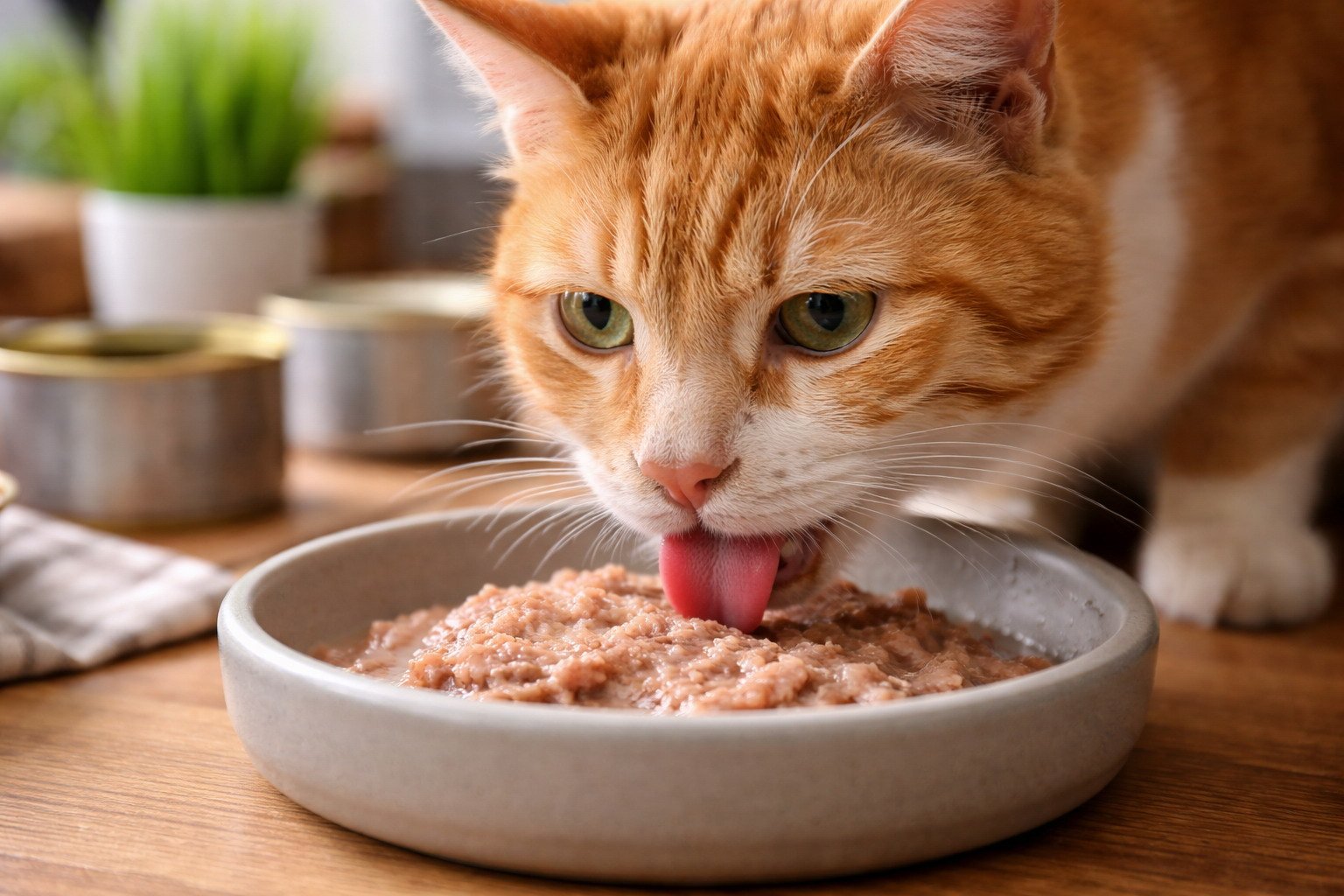
Caring for a cat without teeth can feel overwhelming, especially when mealtime becomes a daily struggle. The best food for cats with no teeth is not just about softness—it directly affects digestion, hydration, weight maintenance, and overall quality of life. Cats are obligate carnivores, meaning their bodies depend on animal-based protein, even when chewing is no longer possible.
Tooth loss often causes cats to swallow food whole or avoid eating altogether. Over time, this can lead to weight loss, dehydration, nutrient deficiencies, and behavioral stress. According to veterinary nutrition data, cats consuming diets inappropriate for their oral condition are significantly more likely to experience gastrointestinal upset and muscle loss.
Choosing the right food texture, moisture level, and nutrient profile helps toothless cats:
- Eat comfortably without pain
- Maintain healthy body weight
- Stay hydrated through moisture-rich meals
- Absorb nutrients efficiently
A thoughtfully selected diet can restore a cat’s confidence at mealtime and prevent long-term health complications.
In This Article
Tooth Loss in Cats and Its Impact on Diet
Tooth loss in cats is more common than many pet owners realize. Studies show that over 70% of cats aged three and older develop some form of dental disease, often leading to extractions later in life.
Common Reasons Cats Lose Their Teeth
- Advanced periodontal disease
- Severe gingivitis or stomatitis
- Tooth resorption (a painful, progressive condition)
- Trauma or injury
- Age-related dental deterioration
Once teeth are gone, eating habits change immediately. Cats cannot grind or tear food efficiently, making traditional kibble and chewy textures problematic.
How Missing Teeth Affect Eating and Digestion
Chewing plays an important role in digestion. Without teeth:
- Food may be swallowed whole
- Larger food particles strain the stomach
- Digestive efficiency may decrease
- Regurgitation becomes more common
Veterinary case observations show that cats transitioning to soft or puréed diets experience improved stool quality and reduced vomiting within weeks.
Signs a Cat Is Struggling With Regular Food
- Dropping food from the mouth
- Pawing at the face while eating
- Taking unusually long to finish meals
- Sudden refusal of dry food
- Weight loss despite appetite
These warning signs signal the need to switch immediately to the best food for cats with no teeth.
Key Nutritional Requirements for Cats With No Teeth
Texture alone does not define a healthy diet. The best food for cats with no teeth must still meet strict feline nutritional standards while remaining easy to consume.
High-Quality Protein Is Non-Negotiable
Cats require a minimum protein intake of 26–30% on a dry matter basis, with higher levels recommended for seniors and underweight cats. Animal-based proteins support:
- Lean muscle preservation
- Immune system strength
- Energy levels
Soft foods should list real meat, poultry, or fish as the first ingredient.
Moisture Content Supports Hydration
Toothless cats often drink less water, making moisture-rich diets essential. Wet and puréed foods typically contain 70–85% moisture, helping:
- Prevent urinary tract issues
- Support kidney function
- Improve digestion
Essential Nutrients That Must Not Be Missing
A nutritionally complete diet includes:
- Taurine for heart and eye health
- Omega-3 and Omega-6 fatty acids for skin and coat
- Calcium and phosphorus in proper balance
- Vitamins A, D, E, and B-complex
Below is a quick comparison highlighting why soft diets work better:
| Nutrient Factor | Dry Kibble | Soft/Wet Food |
| Moisture | 8–10% | 70–85% |
| Chewing Needed | High | Minimal |
| Digestibility | Moderate | High |
| Toothless Safety | Poor | Excellent |
Nutrition should never be compromised simply because a cat cannot chew.
Texture Over Taste: What Makes the Best Food for Cats With No Teeth
Texture plays a far more important role than flavor when selecting the best food for cats with no teeth. Even the most nutritionally complete meal becomes useless if a cat cannot physically eat it without discomfort.
Soft, smooth, and moist foods allow cats to use their tongue and gums rather than teeth. Veterinary feeding trials consistently show that cats without teeth prefer foods that require no biting or tearing, especially pâté-style textures.
Ideal Texture Characteristics
- Smooth consistency with no chunks
- Easily mashable with a fork
- Slides off the tongue without sticking
- Does not require chewing or jaw pressure
Foods that are too sticky or gummy can cause gagging, while chunky textures may still demand some chewing effort.
Why Moisture-Rich Food Is Easier to Eat
Moisture acts as a natural lubricant. High-moisture foods:
- Reduce friction in the mouth
- Lower the risk of choking
- Improve swallowing comfort
- Support digestion
Cats instinctively eat more when food feels comfortable and pain-free.
Textures That Should Be Avoided
Certain food textures create unnecessary challenges:
- Shredded or stringy meats
- Chunky gravies with solid pieces
- Hard or semi-moist treats
- Crunchy toppers or freeze-dried bites
Choosing texture-first diets prevents frustration and encourages consistent eating habits.
Best Food for Cats With No Teeth: Wet, Soft, and Puréed Options
Wet and puréed foods form the foundation of the best food for cats with no teeth. These options deliver complete nutrition while remaining gentle on sensitive mouths.
Pâté-Style Canned Cat Food
Pâté is widely considered the gold standard for toothless cats. Benefits include:
- Uniform texture
- High protein density
- Easy swallowing
- Minimal processing needed
Premium brands typically offer pâté formulas with 70–80% moisture and clearly labeled meat sources.
Mousse and Smooth Minced Diets
Mousse-style foods provide a whipped, airy texture that some cats find even easier to eat than pâté. These are especially helpful for:
- Cats recovering from dental surgery
- Seniors with weak jaw muscles
- Cats experiencing mouth sensitivity
Veterinary Prescription Soft Diets
Prescription diets may be recommended for cats with:
- Severe dental disease
- Gastrointestinal sensitivity
- Kidney or liver conditions
Such diets are finely ground and nutritionally tailored, ensuring cats receive all essential nutrients without chewing.
Homemade Soft Food: When Done Correctly
Homemade meals can work when prepared under veterinary guidance. Safe homemade options often include:
- Finely blended cooked chicken or turkey
- Small amounts of pumpkin purée
- Balanced supplements for taurine and minerals
Unbalanced homemade diets can cause serious deficiencies, so professional oversight is essential.
Is Dry Food Ever Suitable? Modifying Food for Toothless Cats
Dry food alone rarely qualifies as the best food for cats with no teeth, yet certain modifications may make it usable in limited situations.
When Soaked Dry Food Can Work
Some toothless cats adapt well to softened kibble when:
- Kibble is soaked in warm water or broth
- Food becomes fully swollen and mushy
- No hard centers remain
Soaking typically takes 10–15 minutes, depending on kibble density.
Step-by-Step Guide to Softening Kibble
- Measure the usual portion of dry food
- Add warm (not hot) water or sodium-free bone broth
- Allow full absorption until texture resembles oatmeal
- Mash lightly before serving
Risks of Feeding Dry Food Without Preparation
Unmodified dry food may:
- Cause choking
- Increase vomiting risk
- Reduce overall food intake
- Lead to dehydration
Most veterinarians recommend wet food as the primary diet for toothless cats, with softened kibble used only as a secondary option.
Feeding Tips and Portion Control for Toothless Cats
Feeding a cat without teeth requires more than switching textures. Proper timing, portion control, and observation help ensure the best food for cats with no teeth delivers its full nutritional benefit without digestive issues.
Cats that swallow food without chewing often feel full more quickly, yet may not absorb nutrients efficiently if meals are too large.
Ideal Feeding Frequency
Smaller, more frequent meals are easier to manage. Most veterinarians recommend:
- 3–4 small meals per day for adult cats
- 4–5 meals daily for seniors or underweight cats
This approach reduces stomach overload and supports steady energy levels.
Portion Size Guidelines
Portions should be based on weight, age, and activity level rather than bowl size.
| Cat Weight | Daily Wet Food Amount |
| 3–4 kg (6.5–9 lbs) | 180–220 grams |
| 4–5 kg (9–11 lbs) | 220–260 grams |
| 5–6 kg (11–13 lbs) | 260–300 grams |
These values assume nutritionally complete wet food; prescription diets may differ.
Monitoring Weight and Digestive Health
Regular observation prevents silent health decline. Key indicators include:
- Weekly weight checks
- Firm, well-formed stools
- Stable appetite
- No regurgitation after meals
Veterinary case studies show that cats transitioned to soft diets while maintaining proper portion control regain lost weight within 30–45 days.
Creating a Stress-Free Eating Environment
Quiet surroundings encourage relaxed feeding. Helpful practices include:
- Feeding at consistent times
- Using shallow, wide bowls
- Warming food slightly to enhance aroma
A calm feeding routine builds confidence and improves appetite.
Foods to Avoid When Feeding Cats With No Teeth
Avoiding inappropriate foods is just as important as choosing the best food for cats with no teeth. Certain textures and ingredients can cause choking, digestive upset, or long-term nutritional imbalance.
Hard and Crunchy Foods
Foods requiring pressure to break down create immediate risk:
- Dry kibble without soaking
- Crunchy treats
- Dental chews
- Freeze-dried meat cubes
Sticky or Stringy Textures
These foods may cling to the mouth or throat:
- Shredded meats
- Stringy gravies
- Chewy jerky-style treats
Unsafe Human Foods
Some human foods pose serious danger, even when softened:
- Onions and garlic (toxic)
- Cooked bones (choking hazard)
- Dairy products (digestive upset)
- Highly seasoned or salty foods
Foods Lacking Nutritional Balance
Feeding unbalanced meals over time may cause deficiencies. Avoid:
- Plain meat-only diets without supplements
- Baby food with onion powder
- Homemade meals without veterinary approval
Removing these foods protects both safety and long-term health.
Special Considerations for Senior Cats With No Teeth
Age brings additional challenges that go beyond missing teeth. Senior cats often experience slower digestion, reduced muscle mass, and chronic conditions, making the best food for cats with no teeth even more important during the later stages of life.
Veterinary geriatric nutrition studies indicate that cats over 10 years old require diets that are easier to digest while still delivering adequate protein and energy.
Digestive Changes in Older Cats
As cats age:
- Stomach acid production may decline
- Nutrient absorption becomes less efficient
- Sensitivity to dietary changes increases
Soft, finely textured foods help compensate for these changes by reducing digestive workload.
Protein Quality Matters More Than Quantity
Senior cats need highly digestible animal protein to prevent muscle wasting, a condition known as sarcopenia. The best food for cats with no teeth in old age should include:
- Named animal protein sources
- Moderate fat levels for energy
- Limited fillers and by-products
Clinical feeding data shows that senior cats fed high-quality wet diets maintain lean body mass more effectively than those on dry food alone.
Hydration and Kidney Support
Kidney disease affects nearly 30–40% of senior cats. Moist diets support kidney health by increasing fluid intake naturally. Sodium levels should remain controlled, especially for cats with early renal issues.
Joint, Mobility, and Overall Comfort
Some soft diets include added benefits such as:
- Omega-3 fatty acids for inflammation
- Glucosamine and chondroitin for joint support
- Antioxidants for immune health
Comfort-focused nutrition improves mobility, mood, and daily activity in aging cats.
When to Consult a Veterinarian About the Best Food for Cats With No Teeth
Professional guidance ensures dietary choices remain safe and effective. Certain situations require veterinary input when selecting the best food for cats with no teeth.
Warning Signs That Need Medical Attention
Immediate consultation is recommended if a cat shows:
- Rapid or unexplained weight loss
- Persistent vomiting or diarrhea
- Refusal to eat for more than 24 hours
- Excessive drooling or mouth pain
Creating a Long-Term Feeding Plan
Veterinarians may:
- Recommend prescription soft diets
- Adjust calorie intake based on body condition
- Suggest supplements for specific health needs
Many clinics now use body condition scoring (BCS) to fine-tune feeding plans, ensuring cats neither lose nor gain unhealthy weight.
For additional guidance on feline nutrition and special dietary needs, the Cornell University College of Veterinary Medicine offers reliable, science-based information on feeding cats with medical and dental challenges:
https://www.vet.cornell.edu/departments-centers-and-institutes/cornell-feline-health-center
Expert advice transforms feeding from guesswork into confident, compassionate care.