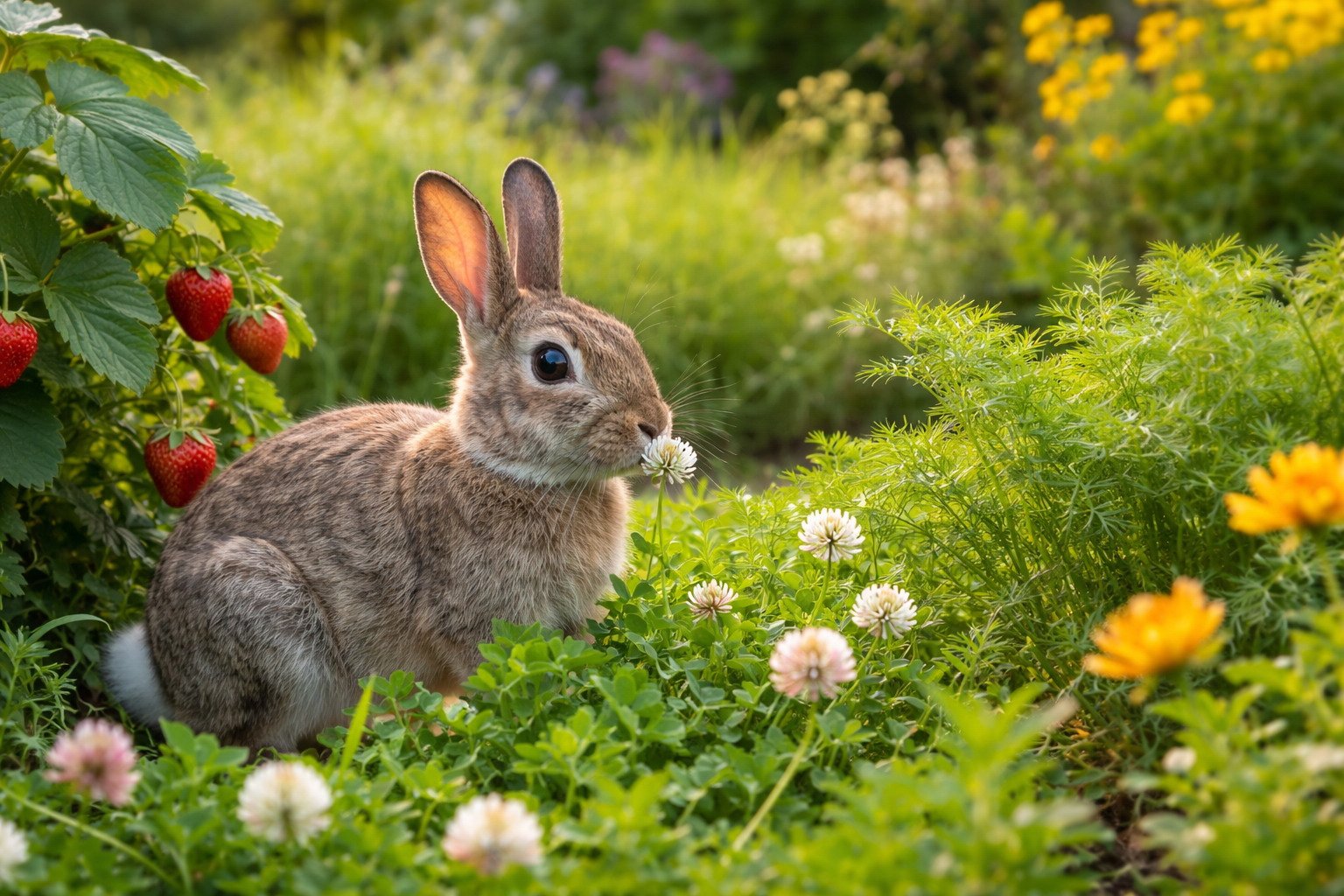
Creating a garden or landscape that supports wildlife starts with understanding what animals actually need to survive. When it comes to cottontail rabbits, planting the best things to plant for cottontail rabbits does far more than attract them—it helps sustain healthy populations, supports local ecosystems, and reduces conflicts between wildlife and ornamental gardens.
Cottontail rabbits rely heavily on natural vegetation for food, cover, and nesting, especially as urban development reduces wild habitat. Gardens that include rabbit-friendly plants act as safe feeding zones, offering nutrition year-round while also providing shelter from predators. Thoughtful planting can even redirect rabbits away from prized flowers and vegetables by giving them better options nearby.
This guide focuses entirely on the best things to plant for cottontail rabbits, explaining which plants meet their nutritional needs, how seasonal preferences affect choices, and why plant diversity matters. Everything here is designed to help gardeners, homesteaders, and wildlife enthusiasts make informed, practical decisions.
“When we plant for native wildlife, we’re not inviting pests—we’re restoring balance.”
In This Article
Cottontail Rabbit Diet and Natural Feeding Habits
Cottontail rabbits are selective grazers, not random nibblers. Their diet shifts with the seasons, plant availability, and environmental conditions. Knowing these patterns is essential when choosing the best things to plant for cottontail rabbits.
What Cottontail Rabbits Eat Throughout the Year
Cottontails consume a mix of herbaceous plants, woody growth, and seeds. Younger plants are favored because they contain higher moisture and are easier to digest.
Primary food sources include:
- Tender grasses and clover
- Broadleaf weeds and wildflowers
- Vegetable greens and soft stems
- Bark, twigs, and buds during colder months
Seasonal Diet Breakdown
| Season | Main Food Sources | Nutritional Purpose |
| Spring | Young grasses, dandelion leaves, clover | Protein for growth |
| Summer | Leafy greens, garden vegetables, herbs | Hydration and energy |
| Fall | Woody stems, seeds, perennials | Fat storage |
| Winter | Bark, twigs, dormant shrubs | Survival calories |
Seasonal variation explains why plant diversity matters more than planting a single “favorite” crop. Gardens that include grasses, greens, and shrubs offer consistent nourishment all year.
Feeding Behavior and Plant Selection
Cottontails typically feed:
- Early morning
- Late afternoon
- Evening hours
Low-growing plants and dense patches are preferred because they reduce exposure to predators. This behavior directly influences how and where the best things to plant for cottontail rabbits should be arranged.
Dense planting equals safer feeding.
Best Things to Plant for Cottontail Rabbits in Spring and Summer
Spring and summer represent the most active feeding period for cottontail rabbits. Fresh growth provides the highest nutritional value, making these seasons ideal for planting soft, leafy vegetation.
Leafy Greens and Herbaceous Plants Cottontails Love
Soft leaves and flexible stems dominate the warm-season rabbit menu. These plants are easy to chew and digest, especially for young rabbits.
Top spring and summer plants include:
- Clover (white and red varieties)
- Dandelion greens
- Plantain (broadleaf and narrowleaf)
- Chicory
- Alfalfa
These plants naturally occur in meadows, which explains why rabbits instinctively seek them out.
Native Grasses That Support Healthy Grazing
Grasses provide both food and cover, making them some of the best things to plant for cottontail rabbits during warmer months.
Rabbit-friendly native grasses:
- Timothy grass
- Blue grama
- Fescue
- Orchard grass
Grasses also help regulate digestion, preventing gut issues caused by overly rich foods.
Why Cluster Planting Works Better Than Single Plants
Rabbits avoid open spaces. Clusters mimic wild feeding zones and allow quick escape routes.
Benefits of clustered planting:
- Reduced stress during feeding
- Lower risk of predation
- More natural grazing behavior
A small patch of clover mixed with grasses often attracts rabbits more effectively than a large open lawn.
Healthy rabbit habitats focus on abundance, not perfection.
Best Things to Plant for Cottontail Rabbits in Fall and Winter
Colder months are the most challenging time for cottontail rabbits. Natural food sources become scarce, and survival depends heavily on woody plants, bark, and hardy perennials. Choosing the best things to plant for cottontail rabbits during fall and winter can make a measurable difference in overwinter survival rates.
Woody Plants and Bark Sources Cottontails Depend On
When snow covers grasses and greens, rabbits switch to browsing. Bark, twigs, and buds become essential calories.
Excellent woody plants for fall and winter include:
- Willow shrubs
- Dogwood (red and gray varieties)
- Blackberry and raspberry canes
- Sumac
- Apple and crabapple saplings
These plants provide:
- Digestible fiber
- Energy-rich bark
- Buds that emerge early in spring
Young shrubs are especially valuable because their bark is thinner and easier to chew.
Perennial Plants That Last Into Cold Weather
Some perennials stay accessible even after frost, offering supplemental nutrition.
Cold-hardy perennial options:
- Yarrow
- Coneflower seed heads
- Goldenrod
- Native asters
Seed heads also attract insects, indirectly supporting the broader ecosystem rabbits depend on.
Why Winter Food Sources Are Critical
Studies on eastern cottontail survival show winter mortality can exceed 50% in areas lacking dense cover and woody browse. Planting for winter isn’t optional—it’s essential.
Key winter planting benefits:
- Reduced starvation risk
- Less property damage to ornamental trees
- Better spring breeding success
Well-fed rabbits enter spring healthier and more resilient.
Native Plants vs. Garden Plants: Best Things to Plant for Cottontail Rabbits
Not all plants are equally beneficial. Native species consistently outperform non-native ornamentals when it comes to nutrition and safety. Understanding the difference helps refine your planting strategy.
Why Native Plants Are the Best Things to Plant for Cottontail Rabbits
Native plants evolved alongside cottontail rabbits, making them easier to digest and more nutritionally appropriate.
Advantages of native plants:
- Higher fiber content
- Better mineral balance
- No chemical dependency
- Lower toxicity risk
Examples of highly effective native plants include:
- Switchgrass
- Native clovers
- Wild strawberry
- Serviceberry
Native plants also require less maintenance, making them ideal for sustainable landscapes.
Garden Plants That Are Rabbit-Friendly
Some common garden plants also fit well into a rabbit-supportive plan when planted intentionally.
Safe and attractive garden plants:
- Leaf lettuce varieties
- Swiss chard
- Kale (in moderation)
- Beet greens
Using these as sacrificial plantings helps protect ornamental beds while still feeding wildlife.
Plants to Avoid When Planting for Cottontail Rabbits
Certain plants are toxic or nutritionally empty and should not be relied upon.
Avoid planting:
- Foxglove
- Daffodils
- Hyacinths
- Boxwood
Toxic plants can cause digestive distress or worse, especially during food-scarce seasons.
Best Vegetables and Herbs to Plant for Cottontail Rabbits
Vegetables and herbs can play a supporting role when chosen carefully. While not a replacement for native plants, they offer valuable nutrition and moisture.
Vegetables That Cottontail Rabbits Safely Graze
Soft greens mirror what rabbits eat in the wild and are among the best things to plant for cottontail rabbits in managed spaces.
Rabbit-safe vegetables include:
- Carrot tops
- Turnip greens
- Radish greens
- Pea plants
Root crops should be planted primarily for their foliage rather than harvest.
Herbs That Provide Nutrition and Cover
Some herbs are both edible and useful as low shelter.
Rabbit-friendly herbs:
- Basil
- Cilantro
- Dill
- Parsley
These herbs grow quickly and regenerate after light grazing.
Planting Vegetables Without Encouraging Overgrazing
Balance matters. Overreliance on vegetables can lead to digestive imbalance.
Best practices:
- Mix vegetables with grasses and shrubs
- Rotate planting areas
- Avoid high-sugar vegetables
Vegetables should supplement, not replace, natural forage.
Shrubs, Bushes, and Grasses: Best Things to Plant for Cottontail Rabbits
Shrubs and grasses form the backbone of any rabbit-supportive landscape. These plants deliver food, nesting cover, and predator protection in one package, making them some of the best things to plant for cottontail rabbits year-round.
Dense Shrubs That Provide Shelter and Nutrition
Cottontail rabbits thrive where escape cover is close. Dense, low-growing shrubs reduce stress and improve survival.
Highly effective shrub choices include:
- American hazelnut
- Serviceberry
- Snowberry
- Wild rose
- Ninebark
These shrubs supply:
- Edible buds and bark
- Leaf litter for nesting
- Shade during hot months
Planting shrubs in groups rather than rows creates natural corridors rabbits use daily.
Grasses That Offer Both Food and Protection
Tall grasses provide concealment while also serving as forage.
Ideal grass species:
- Switchgrass
- Little bluestem
- Prairie dropseed
- Broomsedge
Grass clumps trap snow in winter, insulating the ground and preserving access to food.
Why Layered Planting Mimics Natural Rabbit Habitat
A layered approach reflects meadow-edge ecosystems where cottontails evolved.
Effective layers include:
- Ground layer: clover, wild strawberry
- Mid layer: grasses and herbs
- Upper layer: shrubs and low trees
This structure increases feeding efficiency while lowering predation risk.
Landscapes that look “messy” often support the healthiest wildlife.
Creating a Rabbit-Friendly Garden Using the Best Things to Plant for Cottontail Rabbits
A rabbit-friendly garden balances intention with restraint. Design choices should support rabbits without sacrificing overall landscape goals.
Garden Layout Tips That Reduce Predator Exposure
Placement matters as much as plant choice.
Smart layout strategies:
- Keep feeding plants near dense cover
- Avoid large open lawns between food patches
- Use curved pathways instead of straight lines
These elements help rabbits move confidently without constant vigilance.
Combining Food Plants With Shelter Plants
Food without cover attracts danger. Shelter without food limits usefulness.
Successful combinations include:
- Clover beneath shrub edges
- Grasses planted alongside berry canes
- Herbs mixed into meadow-style borders
This pairing creates microhabitats rabbits return to daily.
Maintaining Balance Between Wildlife and Garden Design
Supporting rabbits does not mean losing control of your garden.
Balanced gardening tips:
- Designate a wildlife zone
- Keep ornamental areas separate
- Use native plants as visual transitions
Intentional design prevents conflict while enhancing biodiversity.
How to Protect Plants While Still Supporting Cottontail Rabbits
Even wildlife-friendly gardeners need boundaries. Protection strategies allow coexistence without harming rabbits.
Strategic Planting to Minimize Damage
Plant placement can naturally guide feeding behavior.
Effective strategies include:
- Planting rabbit favorites away from valued crops
- Using less palatable plants as borders
- Creating feeding patches on property edges
Rabbits typically choose the most accessible food source.
Using Sacrificial Planting Areas
Sacrificial plantings are intentional “give-and-take” zones.
Popular sacrificial plants:
- Clover
- Alfalfa
- Dandelion patches
These areas reduce pressure on vegetable gardens by satisfying hunger elsewhere.
Natural Deterrents That Redirect Without Harm
Chemical repellents are rarely necessary.
Gentle deterrent options include:
- Strong-scented herbs near garden beds
- Motion-activated lights
- Temporary fencing during peak growth
Non-lethal methods preserve trust while protecting effort.
Common Planting Mistakes When Planting for Cottontail Rabbits
Even well-intentioned gardeners can miss the mark when trying to support wildlife. Avoiding common mistakes ensures your effort truly benefits rabbits rather than creating new problems.
Relying Too Heavily on Non-Native or Ornamental Plants
Non-native ornamentals may look attractive, but many offer little nutritional value for cottontail rabbits. Some are difficult to digest, while others provide no seasonal benefit.
Common issues with non-native plants:
- Lower fiber content
- Minimal winter value
- Reduced insect activity, affecting ecosystem balance
Native and naturalized plants consistently outperform decorative species when the goal is nourishment and habitat.
Ignoring Seasonal Food Gaps
Planting only spring and summer forage creates a serious shortage later in the year.
Frequent seasonal mistakes include:
- No woody plants for winter browsing
- Lack of seed-producing perennials for fall
- Overdependence on annual vegetables
A successful planting plan always considers all four seasons, not just peak growing months.
Planting Without Adequate Cover
Food placed in open spaces often goes unused.
Rabbits avoid exposed areas because:
- Predators are easily spotted
- Escape routes are limited
- Stress levels increase
Food and shelter must coexist. Without cover, even the best things to plant for cottontail rabbits may fail to attract them.
If a rabbit can’t hide nearby, it won’t stay long.
Final Thoughts: Choosing the Best Things to Plant for Cottontail Rabbits
Planting with purpose transforms ordinary landscapes into living habitats. The best things to plant for cottontail rabbits are not exotic or complicated—they reflect what rabbits have relied on for generations: grasses, leafy greens, shrubs, and native plants arranged in thoughtful layers.
A rabbit-supportive garden offers:
- Consistent nutrition throughout the year
- Safe feeding and nesting zones
- Reduced damage to ornamental plants
- A healthier, more balanced ecosystem
By prioritizing native species, planning for seasonal needs, and blending food with shelter, gardeners can support cottontail rabbits without sacrificing beauty or control. Small changes—like adding a shrub cluster or allowing clover to grow—often make the biggest impact.
For additional science-based guidance on wildlife-friendly planting and native habitat restoration, resources from organizations such as the National Wildlife Federation provide excellent insights and practical recommendations that align with sustainable gardening practices: https://www.nwf.org
Thoughtful planting doesn’t just invite rabbits—it helps them thrive.