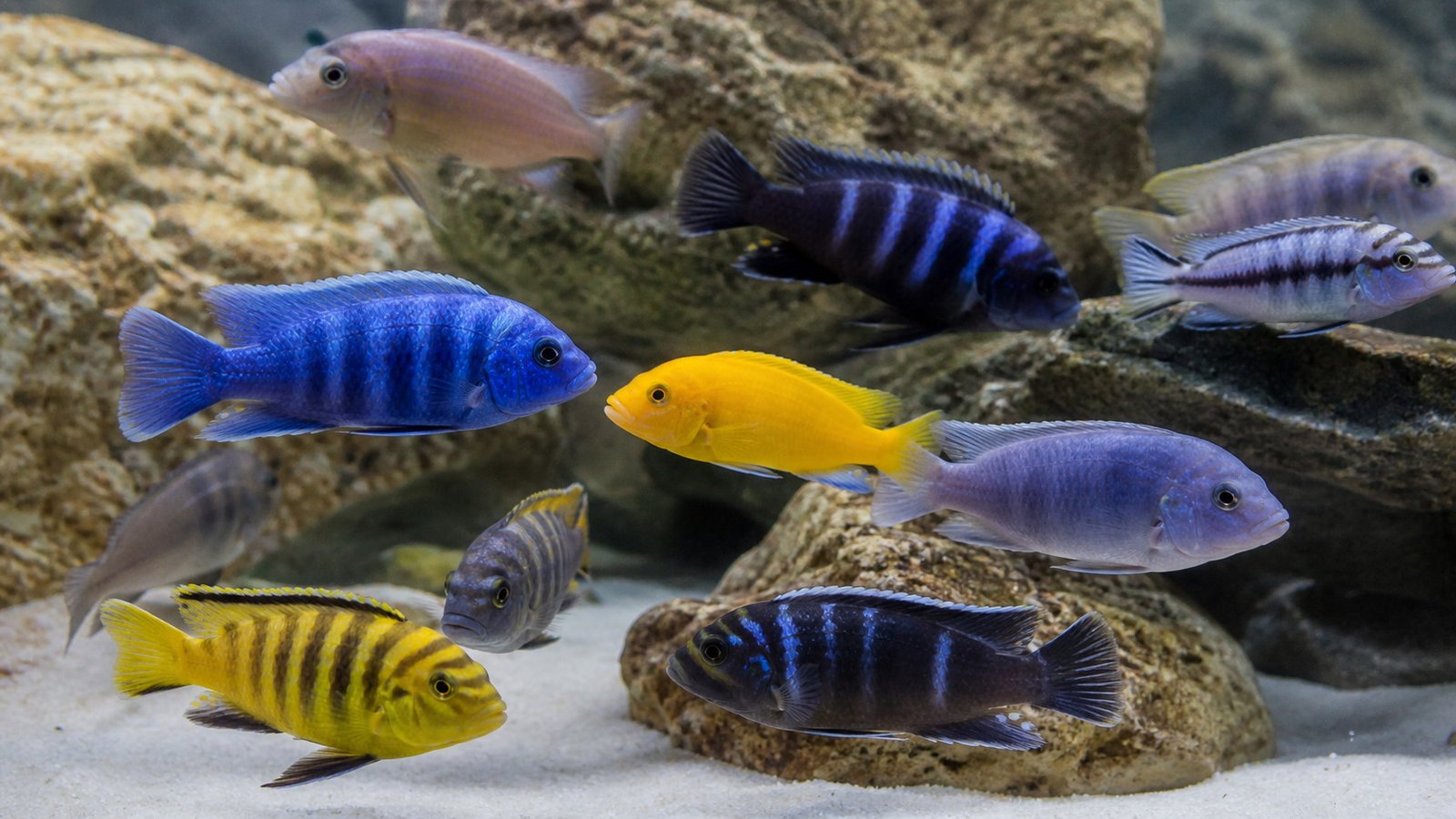
African cichlids typically live 5 to 15 years, depending on the species, tank conditions, diet, genetics, and overall care. Smaller African cichlids often live around 5–8 years, while larger or well-cared-for species can survive for more than a decade in a healthy aquarium.
Their lifespan is heavily influenced by water quality, stress levels, compatibility with tank mates, and proper nutrition. In many cases, African cichlids die prematurely because of overcrowding, poor filtration, or aggressive tank environments rather than old age.
If you want your African cichlids to live as long as possible, understanding their natural behavior and habitat needs is essential.
In This Article
Quick Answer: Average African Cichlid Lifespan
| Type of African Cichlid | Average Lifespan |
| Mbuna cichlids | 5–10 years |
| Peacock cichlids | 6–10 years |
| Hap cichlids | 8–15 years |
| Frontosa cichlids | 10–15+ years |
| Kribensis (West African) | 5–8 years |
Under excellent care, some African cichlids can exceed these averages.
What Are African Cichlids?
African cichlids are freshwater fish native primarily to the African Rift Lakes, including:
- Lake Malawi
- Lake Tanganyika
- Lake Victoria
These fish are known for:
- Bright colors
- Territorial behavior
- High intelligence
- Complex social interactions
- Wide variety of species
Unlike many beginner aquarium fish, African cichlids require stable water conditions and thoughtful tank management. Their care needs directly affect how long they live.
How Long Do African Cichlids Live in Captivity?
In captivity, African cichlids generally live longer than wild specimens because they face fewer predators and more consistent food sources. However, this only applies when aquarium conditions are appropriate.
A healthy African cichlid aquarium should provide:
- Stable water chemistry
- Powerful filtration
- Proper stocking levels
- Species-compatible tank mates
- High-quality diet
- Low stress
Fish kept in poor conditions may survive only 2–4 years, even if the species is capable of living much longer.
African Cichlid Lifespan by Species
Different species age at different rates. Some are naturally short-lived, while others are known for exceptional longevity.
Mbuna Cichlids
Mbuna are rock-dwelling cichlids from Lake Malawi.
Popular species include:
- Yellow Lab
- Demasoni
- Red Zebra
- Acei
Average lifespan:
5–10 years
Mbuna are highly territorial and energetic. Chronic aggression is one of the biggest reasons their lifespan shortens in community tanks.
Peacock Cichlids
Peacock cichlids are admired for their vivid colors and relatively calmer temperament.
Average lifespan:
6–10 years
They usually adapt well to mixed African cichlid setups if aggression is controlled.
Haplochromis (Haps)
Haps are generally larger, open-water swimmers.
Average lifespan:
8–15 years
Larger predatory haps often live longer than smaller Malawi species when housed correctly.
Frontosa Cichlids
Frontosas are among the longest-living African cichlids.
Average lifespan:
10–15+ years
Some aquarists report Frontosas living close to 20 years with excellent care.
What Affects African Cichlid Lifespan?
Several factors determine whether your fish reaches its full lifespan potential.
Water Quality
Poor water quality is the leading cause of early death in African cichlids.
These fish produce substantial waste, especially in crowded tanks. Ammonia and nitrite spikes can quickly damage their gills and immune systems.
Ideal water parameters for most African cichlids:
| Parameter | Recommended Range |
| Temperature | 75–82°F (24–28°C) |
| pH | 7.8–8.6 |
| Ammonia | 0 ppm |
| Nitrite | 0 ppm |
| Nitrate | Under 20–40 ppm |
Consistent maintenance matters more than chasing “perfect” numbers.
Tank Size
Overcrowding creates stress and aggression.
Minimum recommendations:
- 55 gallons for smaller groups
- 75+ gallons for larger species
- 125+ gallons for mixed communities or large haps
A cramped tank often leads to:
- Constant fighting
- Injuries
- Weak immune systems
- Reduced lifespan
Diet and Nutrition
African cichlids need species-appropriate diets.
Herbivorous mbuna require more plant matter, while haps and peacocks may need more protein.
A poor diet can cause:
- Malawi bloat
- Organ damage
- Obesity
- Malnutrition
Good foods include:
- High-quality cichlid pellets
- Spirulina-based foods
- Occasional frozen foods
- Vegetable supplements for herbivores
Avoid excessive feeding. Overfeeding shortens lifespan significantly.
Aggression and Stress
African cichlids are territorial by nature.
Stress from constant chasing or bullying weakens the immune system and increases disease risk.
Common stress triggers include:
- Incompatible species
- Too few hiding spots
- Improper male-to-female ratios
- Small aquariums
- Sudden environmental changes
A stressed cichlid often shows:
- Faded colors
- Hiding behavior
- Refusal to eat
- Rapid breathing
Genetics
Some fish are naturally healthier than others.
Poor breeding practices can lead to:
- Weaker immune systems
- Deformities
- Reduced lifespan
Buying from reputable breeders usually results in healthier fish with better longevity.
Signs Your African Cichlid Is Aging
Older African cichlids often show gradual physical and behavioral changes.
Common signs include:
- Reduced activity
- Slower swimming
- Duller coloration
- Reduced appetite
- Less aggressive behavior
- Minor fin deterioration
Aging itself is normal. Sudden changes, however, may indicate illness rather than old age.
Common Diseases That Reduce Lifespan
Disease is one of the biggest threats to African cichlids.
Malawi Bloat
This serious digestive condition commonly affects mbuna.
Symptoms:
- Swollen belly
- Loss of appetite
- White stringy feces
- Rapid breathing
Causes often include:
- Poor diet
- Stress
- Dirty water
Without treatment, Malawi bloat can become fatal quickly.
Ich (White Spot Disease)
Ich appears as tiny white spots on the fish’s body and fins.
It is often triggered by stress or unstable water temperatures.
Fin Rot
Fin rot usually results from:
- Poor water quality
- Injuries from aggression
- Bacterial infections
Early treatment improves survival rates significantly.
Hole-in-the-Head Disease
This condition creates pits around the fish’s head and lateral line.
Possible contributing factors include:
- Nutritional deficiencies
- Poor water conditions
- Stress
How to Help African Cichlids Live Longer
Long-lived African cichlids usually come from stable, carefully managed aquariums.
Maintain Excellent Filtration
African cichlids thrive in clean, oxygen-rich water.
Use:
- Strong canister filters
- Sponge filters for extra biological filtration
- Regular water changes
Aim for weekly water changes of 25–40%.
Avoid Overstocking
Many aquarists intentionally overstock mbuna tanks slightly to spread aggression, but excessive crowding becomes dangerous.
Balance is critical.
Monitor:
- Water quality
- Aggression levels
- Swimming space
Provide Hiding Spaces
Rocks and caves help reduce stress.
Good aquascaping allows weaker fish to escape dominant individuals.
Use:
- Rock piles
- Cichlid caves
- Visual barriers
Secure decorations carefully because African cichlids often dig aggressively.
Feed a Balanced Diet
Rotate foods for better nutrition.
Avoid relying exclusively on cheap flakes or high-fat foods.
A varied diet supports:
- Immune health
- Coloration
- Digestion
- Longevity
Quarantine New Fish
New arrivals can introduce parasites or disease.
A quarantine tank helps prevent outbreaks that could affect your entire aquarium.
Do African Cichlids Live Longer Alone or in Groups?
Most African cichlids should not live alone long-term.
They are social fish with complex territorial hierarchies.
However, success depends on species compatibility and proper stocking strategy.
For many Malawi cichlids:
- Groups reduce aggression targeting
- Balanced male-to-female ratios matter
- Similar-sized tank mates work best
Keeping incompatible fish together often shortens lifespan dramatically.
Can African Cichlids Live With Other Fish?
Yes, but compatibility is essential.
Good tank mates usually include:
- Other similarly tempered African cichlids
- Synodontis catfish
- Certain robust bottom dwellers
Poor tank mates include:
- Slow-moving fish
- Long-finned species
- Small peaceful community fish
Mixing incompatible fish increases stress and injury risk.
Male vs Female African Cichlid Lifespan
There is usually little lifespan difference between males and females.
However, males may experience:
- More aggression
- Territorial stress
- Higher injury risk
In highly aggressive setups, dominant males sometimes die younger because of chronic stress or fighting.
Do Larger African Cichlids Live Longer?
In many cases, yes.
Larger species like Frontosas and some haps often outlive smaller mbuna species.
Possible reasons include:
- Slower growth rates
- Lower overall metabolism
- Less frantic territorial behavior
Still, care quality remains the biggest determining factor.
Common Mistakes That Shorten African Cichlid Lifespan
Many premature deaths stem from avoidable errors.
Keeping Them in Tanks That Are Too Small
African cichlids need space for territory and swimming.
Small tanks quickly become unstable.
Ignoring Water Changes
Dirty water slowly damages fish health even when problems are not immediately visible.
Mixing Incompatible Species
Not all African cichlids can coexist peacefully.
Research species carefully before combining them.
Overfeeding
Excess food pollutes the water and causes obesity or digestive problems.
Using Weak Filtration
Cichlids are messy fish. Underpowered filters often lead to chronic poor water quality.
Best Practices for Maximum Lifespan
If your goal is to help African cichlids live as long as possible, focus on consistency.
Key best practices include:
- Keep water parameters stable
- Perform regular water changes
- Feed species-appropriate foods
- Avoid overcrowding
- Minimize stress and aggression
- Use strong filtration
- Quarantine new fish
- Monitor fish daily for behavioral changes
Healthy African cichlids are usually active, colorful, alert, and eager to eat.
How Long Do African Cichlids Live Compared to Other Aquarium Fish?
| Fish Type | Average Lifespan |
| African cichlids | 5–15 years |
| Betta fish | 2–5 years |
| Guppies | 1–3 years |
| Goldfish | 10–20 years |
| Oscar cichlids | 10–20 years |
| Angelfish | 8–12 years |
African cichlids are relatively long-lived aquarium fish, especially when compared to smaller tropical species.
FAQ
Can African cichlids live 20 years?
Some larger species, especially Frontosas, can approach 20 years under exceptional care, though this is uncommon.
What is the longest-living African cichlid?
Frontosa cichlids are among the longest-living African cichlid species and may live 15 years or more.
Why do African cichlids die suddenly?
Sudden death is often linked to poor water quality, ammonia spikes, stress, disease outbreaks, or aggression-related injuries.
Do African cichlids need heaters?
Yes. Most African cichlids thrive in stable tropical temperatures between 75–82°F.
How often should African cichlids be fed?
Most adult African cichlids do well with feeding once or twice daily in small portions they can consume quickly.
Final Thoughts on How Long African Cichlids Live
African cichlids can live anywhere from 5 to 15 years, with some species surviving even longer in ideal conditions. Their lifespan depends far less on luck and far more on consistent care, stable water quality, proper nutrition, and stress management.
Aquarists who understand species compatibility, maintain clean aquariums, and provide appropriate environments often enjoy many years with these intelligent and colorful fish. Whether you keep mbuna, peacocks, haps, or Frontosas, investing in proper care from the beginning gives African cichlids the best chance at a long, healthy life.