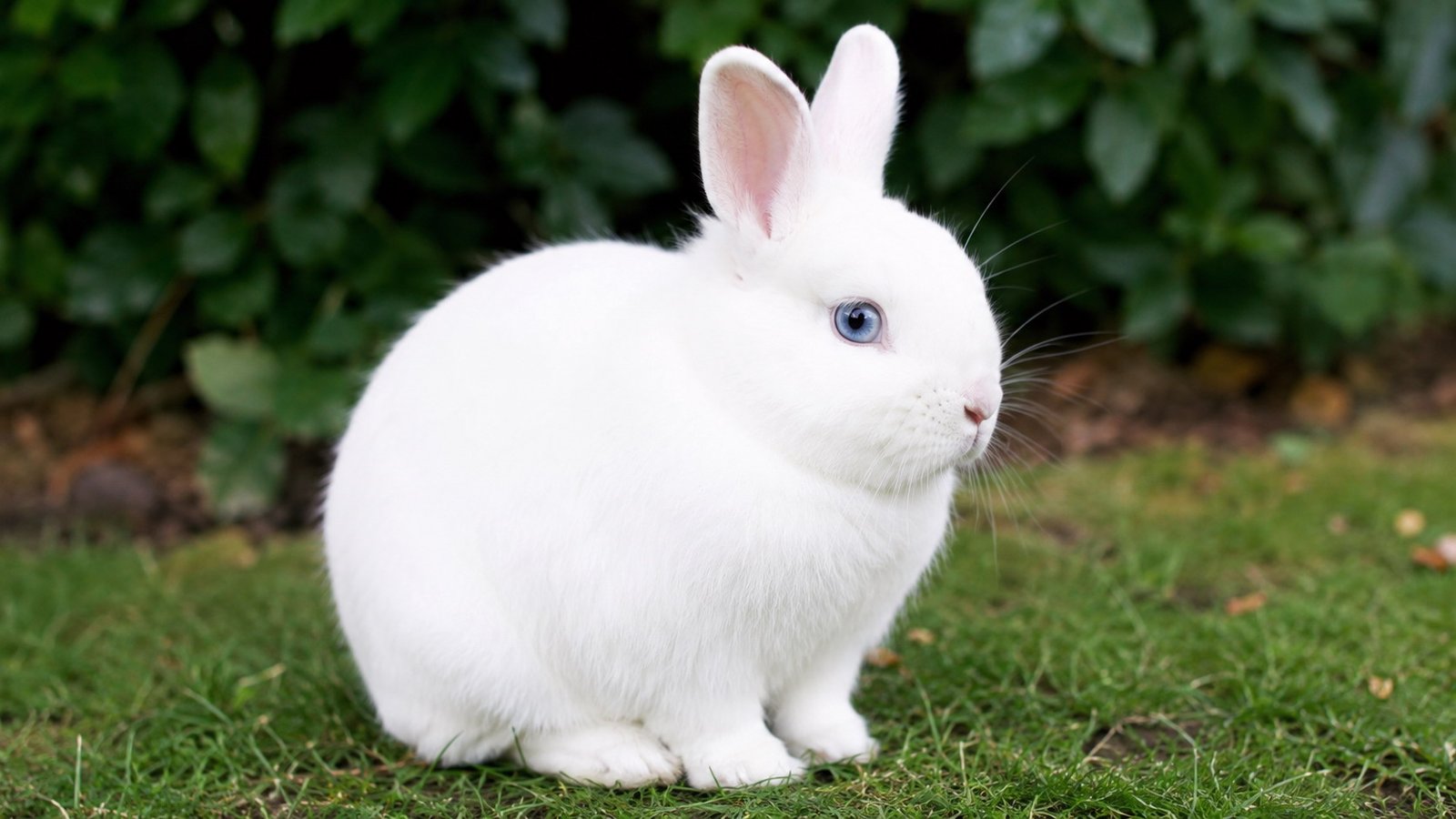
The blue eyed white Polish rabbit is one of the most eye-catching rabbit varieties you can own. With its snow-white coat, bright blue eyes, and compact body, this small rabbit often attracts attention from both pet owners and rabbit enthusiasts.
Despite their delicate appearance, blue eyed white Polish rabbits are lively, intelligent, and surprisingly full of personality. Understanding their temperament, care needs, health considerations, and suitability as pets can help you decide whether this charming breed is the right fit for your home.
This guide covers everything you need to know, from appearance and behavior to daily care and ownership expectations, so you can provide the best possible life for your rabbit.
In This Article
Blue Eyed White Polish Rabbit at a Glance
The blue eyed white Polish rabbit is a color variety of the Polish rabbit breed rather than a separate breed. Known for its compact size and refined features, this rabbit is popular among pet owners and show exhibitors alike.
Quick Breed Profile
| Trait | Details |
| Breed | Polish Rabbit |
| Variety | Blue-Eyed White (BEW) |
| Adult Weight | 2.5–3.5 pounds (1.1–1.6 kg) |
| Lifespan | 7–10 years, sometimes longer |
| Temperament | Friendly, curious, energetic |
| Grooming Needs | Low to moderate |
| Exercise Needs | Daily supervised activity |
| Suitable for Beginners | Yes, with proper rabbit care knowledge |
A Brief History of the Polish Rabbit
Despite the name, the exact origins of the Polish rabbit remain somewhat unclear. The breed was developed in Europe and later refined in the United Kingdom before becoming popular in North America.
Polish rabbits are among the smallest rabbit breeds recognized by rabbit organizations. Their compact size and elegant appearance have made them favorites in rabbit shows for decades.
What Makes the Blue-Eyed White Variety Special?
Several coat colors exist within the Polish rabbit breed, but the blue-eyed white variety stands out because of its striking contrast between pure white fur and vivid blue eyes.
Unlike albino rabbits, which typically have red or ruby-colored eyes, blue eyed white Polish rabbits possess a specific genetic combination that creates their unique appearance.
Key characteristics include:
- Bright blue eyes
- Pure white coat
- Compact and rounded body
- Small upright ears
- Alert and curious expression
Many owners choose this variety simply because of its stunning appearance, but their personality often becomes the real reason people fall in love with them.
What Does a Blue Eyed White Polish Rabbit Look Like?
The blue eyed white Polish rabbit has a refined and elegant appearance that sets it apart from many other small rabbit breeds.
Compact Body Shape
Polish rabbits are known for their short, compact bodies. They have a rounded head, full cheeks, and a relatively short neck that creates a balanced, symmetrical appearance.
Although tiny, they should not appear fragile. Healthy Polish rabbits have firm muscle tone and a sturdy build.
The Signature White Coat
The coat is one of the most recognizable features of this variety.
A healthy blue eyed white Polish rabbit should have:
- Dense fur
- Soft texture
- Bright white coloration
- Even coat coverage across the body
Because their fur is completely white, dirt and staining can become more noticeable than on darker-colored rabbits.
Beautiful Blue Eyes
The blue eyes are what make this variety truly unique.
Eye color can range from pale icy blue to a deeper sapphire shade. The contrast between the eyes and white fur creates a striking appearance that many rabbit enthusiasts admire.
Important note: Blue eyes do not indicate vision problems. Healthy blue eyed white Polish rabbits generally see just as well as rabbits with other eye colors.
Pet Quality vs. Show Quality
Not every blue eyed white Polish rabbit meets competitive show standards.
Show-quality rabbits typically display:
- Excellent body structure
- Proper ear placement
- Correct weight
- Consistent coat quality
- Ideal head shape
Pet-quality rabbits can still be wonderful companions and often differ only in minor cosmetic traits.
Blue Eyed White Polish Rabbit Personality: Tiny Rabbit, Big Character
Many people assume a small rabbit will be timid or quiet. Blue eyed white Polish rabbits often prove otherwise.
These rabbits may be small, but they frequently possess big personalities.
Curious and Intelligent
Polish rabbits enjoy exploring their surroundings and investigating new objects.
Owners often notice behaviors such as:
- Inspecting household items
- Learning feeding routines quickly
- Recognizing familiar people
- Exploring new toys and enrichment activities
Mental stimulation is important because boredom can lead to destructive behaviors or stress.
Affection Levels
Every rabbit has a unique personality, but many blue eyed white Polish rabbits become affectionate once trust develops.
Signs of affection include:
- Nudging your hand
- Following you around
- Sitting nearby
- Relaxing while being petted
- Gentle tooth purring during petting sessions
Building trust takes patience. Rabbits generally prefer interactions on their own terms rather than being frequently picked up.
Energy and Playfulness
These rabbits are often energetic and enjoy bursts of activity throughout the day.
Common playful behaviors include:
- Binkies (happy jumps and twists)
- Zooming around a room
- Tossing toys
- Digging in designated digging boxes
- Exploring tunnels
Daily exercise outside the enclosure helps them stay physically and mentally healthy.
Are They Good Family Pets?
Blue eyed white Polish rabbits can make excellent companions for the right households.
They are often a good fit for:
- Adults
- Teenagers
- Seniors
- Families with rabbit-savvy children
Young children should always be supervised when interacting with rabbits. Their small size makes them more vulnerable to accidental injuries if handled improperly.
Are They Suitable for First-Time Rabbit Owners?
Many first-time owners successfully care for Polish rabbits because of their manageable size and generally friendly nature.
However, prospective owners should remember that rabbits require:
- Daily care
- Regular veterinary visits
- Proper nutrition
- Exercise opportunities
- Long-term commitment
A rabbit may be small, but caring for one responsibly is a significant responsibility.
Key takeaway: The blue eyed white Polish rabbit combines striking beauty with an engaging personality. Their intelligence, playful nature, and compact size make them appealing pets for many households, provided owners understand their needs and commit to proper care.
Blue Eyed White Polish Rabbit vs. Other Polish Rabbit Colors
Many people are drawn to the blue eyed white Polish rabbit because of its unique appearance, but how does it compare to other Polish rabbit varieties?
Understanding the differences can help potential owners make an informed choice and avoid common misconceptions.
Blue-Eyed White vs. Ruby-Eyed White
The two most commonly confused white Polish rabbit varieties are blue-eyed white (BEW) and ruby-eyed white (REW).
| Feature | Blue-Eyed White (BEW) | Ruby-Eyed White (REW) |
| Eye Color | Blue | Ruby-red |
| Coat Color | Pure white | Pure white |
| Genetics | Different color gene combination | Albino gene |
| Popularity | Less common | More common |
| Temperament | Similar | Similar |
Many people mistakenly assume ruby-eyed white rabbits have health issues because of their eye color. In reality, healthy REW and BEW rabbits can both live normal, happy lives.
Other Polish Rabbit Colors
Depending on rabbit associations and breeding programs, Polish rabbits may also be found in colors such as:
- Black
- Blue
- Chocolate
- Broken patterns
- Blue tortoise
- Black tortoise
Each color variety shares the same basic breed characteristics, including size, body type, and general care requirements.
Does Color Affect Personality?
One of the most common rabbit myths is that coat color determines behavior.
In reality, personality is influenced more by:
- Genetics
- Early socialization
- Environment
- Individual temperament
- Handling experiences
A blue eyed white Polish rabbit is not automatically friendlier or calmer than a black or chocolate Polish rabbit.
Why Blue-Eyed White Rabbits Are So Popular
The popularity of the blue eyed white variety comes largely from aesthetics.
Owners often love:
- The bright contrast of white fur and blue eyes
- Their elegant appearance
- Their rarity compared to some other color varieties
- Their distinctive look in photos and rabbit shows
While appearance may attract people initially, responsible owners focus on temperament, health, and care needs before choosing a rabbit.
Housing and Daily Care Essentials for a Blue Eyed White Polish Rabbit
Small rabbits still require plenty of space. One of the biggest mistakes new owners make is assuming that a tiny rabbit can comfortably live in a tiny cage.
Choosing the Right Living Space
A blue eyed white Polish rabbit should have enough room to:
- Stand fully upright
- Stretch out comfortably
- Hop multiple times
- Access food, water, and litter areas easily
Many rabbit experts recommend exercise pens or rabbit-proofed rooms rather than traditional pet-store cages.
Bigger is always better when it comes to rabbit housing.
Indoor vs. Outdoor Housing
Indoor living is generally the safest option for Polish rabbits.
Indoor housing provides protection from:
- Extreme temperatures
- Predators
- Parasites
- Harsh weather
- Sudden environmental stressors
Outdoor housing may be possible in some situations, but it requires secure predator-proof enclosures and careful temperature management.
Daily Exercise Requirements
Even though Polish rabbits are among the smallest breeds, they remain active animals.
Aim for at least:
- 3–4 hours of supervised exercise daily
- Safe exploration opportunities
- Interactive toys and enrichment
Exercise helps prevent:
- Obesity
- Boredom
- Destructive behaviors
- Muscle weakness
Litter Training Basics
Many blue eyed white Polish rabbits can learn litter box habits surprisingly quickly.
To encourage success:
- Place a litter box in a corner they naturally choose.
- Add rabbit-safe litter.
- Put fresh hay near the litter area.
- Reward consistent use.
Most rabbits prefer eating and using the litter box at the same time, making hay placement especially helpful.
Environmental Conditions Matter
White-coated rabbits can be particularly vulnerable to heat stress.
Keep their environment:
- Between 60–70°F (15–21°C) when possible
- Well ventilated
- Free from direct sunlight
- Quiet and secure
Never allow rabbits to overheat. Heatstroke can become life-threatening very quickly.
Enrichment for Mental Stimulation
Blue eyed white Polish rabbits are intelligent animals that benefit from daily enrichment.
Good options include:
- Cardboard tunnels
- Dig boxes
- Untreated wooden chew toys
- Puzzle feeders
- Paper towel rolls stuffed with hay
A mentally stimulated rabbit is often happier, healthier, and less likely to develop unwanted behaviors.
Feeding a Blue Eyed White Polish Rabbit for Lifelong Health
Proper nutrition forms the foundation of good rabbit health. Many common rabbit health problems can be linked to poor diet choices.
The Golden Rule: Hay Comes First
Hay should make up the majority of a blue eyed white Polish rabbit’s diet.
Timothy hay is often recommended for adult rabbits because it:
- Supports digestive health
- Promotes healthy tooth wear
- Provides essential fiber
- Helps prevent gastrointestinal issues
A healthy rabbit should have access to unlimited fresh hay at all times.
Building a Balanced Daily Diet
A typical adult rabbit diet looks like this:
| Food Type | Percentage of Diet |
| Grass Hay | 80–90% |
| Fresh Leafy Greens | 10–15% |
| Quality Pellets | Small portion |
| Treats | Occasional only |
Balance is more important than variety alone.
Best Greens for Polish Rabbits
Many fresh vegetables can be offered safely.
Popular options include:
- Romaine lettuce
- Cilantro
- Parsley
- Bok choy
- Dill
- Basil
- Green leaf lettuce
Introduce new foods gradually to avoid digestive upset.
Safe Treats in Moderation
Treats should remain a small part of the diet.
Healthy options include:
- Small apple slices
- Blueberries
- Strawberries
- Banana pieces
- Tiny carrot portions
Too many sugary treats can contribute to obesity and digestive problems.
Foods to Avoid
Certain foods can be dangerous for rabbits.
Avoid feeding:
- Chocolate
- Avocado
- Onions
- Garlic
- Iceberg lettuce
- Processed human snacks
- Sugary cereals
- Bread
When unsure about a food, research it thoroughly before offering it.
Signs Your Rabbit’s Diet May Need Improvement
Watch for warning signs such as:
- Soft stools
- Reduced appetite
- Weight gain
- Weight loss
- Small droppings
- Low energy levels
Diet-related issues can escalate quickly in rabbits, so early intervention matters.
Helpful Nutrition Resource
Pet owners who want evidence-based rabbit feeding guidance can review rabbit care resources from the House Rabbit Society, a respected rabbit welfare organization that provides detailed information on diet, housing, and health.
A blue eyed white Polish rabbit thrives on unlimited hay, fresh greens, moderate pellets, daily exercise, and a spacious living environment. Meeting these basic needs consistently is one of the best ways to support a long, healthy, and happy life.
Grooming Needs: Keeping That White Coat Bright and Healthy
One advantage of owning a blue eyed white Polish rabbit is that their short coat requires relatively little maintenance compared to long-haired rabbit breeds. Still, regular grooming plays an important role in keeping them healthy and comfortable.
How Often Should You Groom a Blue Eyed White Polish Rabbit?
Most Polish rabbits benefit from brushing:
- Once weekly during normal periods
- Two to three times weekly during shedding seasons
Regular brushing helps remove loose fur before your rabbit swallows it during self-grooming.
Since rabbits cannot vomit like cats, excess fur can contribute to digestive problems if too much accumulates in the digestive tract.
Managing Stains on White Fur
The beautiful white coat can show dirt and stains more easily than darker-colored rabbits.
Common causes of staining include:
- Dirty litter boxes
- Urine-soaked bedding
- Wet flooring
- Poor enclosure hygiene
Keeping the living area clean is usually enough to maintain a bright coat.
Avoid bathing your rabbit. Full-body baths can cause severe stress, hypothermia, and even injury.
Instead, spot-clean dirty areas using a damp cloth when necessary.
Nail Care Matters
Rabbit nails continuously grow and require regular trimming.
Most blue eyed white Polish rabbits need nail trims every:
- 4 to 8 weeks
Overgrown nails can lead to:
- Difficulty walking
- Accidental injuries
- Altered posture
- Joint strain
Owners who feel uncomfortable trimming nails should seek assistance from a rabbit-savvy veterinarian or groomer.
Dental Care Starts With Diet
Rabbit teeth never stop growing.
Fortunately, proper nutrition does much of the work.
Unlimited hay helps wear down teeth naturally and reduces the risk of dental problems.
Watch for signs such as:
- Drooling
- Difficulty eating
- Weight loss
- Wet fur around the mouth
These symptoms warrant prompt veterinary attention.
Seasonal Shedding Tips
Most rabbits experience heavier molts several times each year.
During shedding periods:
- Brush more frequently
- Encourage hay consumption
- Monitor droppings closely
- Provide plenty of fresh water
Large amounts of loose fur combined with reduced appetite can become a medical concern and should never be ignored.
Common Grooming Mistakes Owners Make
New rabbit owners sometimes unintentionally create problems through overgrooming.
Avoid these mistakes:
- Bathing the rabbit
- Using shampoos designed for dogs or cats
- Pulling loose fur aggressively
- Ignoring nail growth
- Using harsh cleaning products near the rabbit
Gentle, consistent maintenance is usually all that’s needed.
Common Health Concerns Owners Should Know About
Blue eyed white Polish rabbits are generally healthy when properly cared for, but like all rabbits, they can develop certain health conditions.
Knowing what to watch for can make a significant difference in early detection and treatment.
Dental Disease
Dental issues are among the most common rabbit health problems.
Because rabbit teeth continuously grow, improper wear can result in:
- Tooth overgrowth
- Sharp spurs
- Mouth sores
- Pain while eating
Early symptoms often include:
- Reduced appetite
- Dropping food
- Excessive drooling
- Weight loss
Regular veterinary exams and a hay-rich diet are the best preventive measures.
Gastrointestinal Stasis
Many rabbit owners consider gastrointestinal (GI) stasis one of the most serious emergencies.
GI stasis occurs when the digestive system slows or stops.
Potential warning signs include:
- Refusing food
- Small or absent droppings
- Lethargy
- Hunched posture
- Abdominal discomfort
A rabbit that stops eating should be seen by a veterinarian as soon as possible.
Obesity in Small Rabbits
Because Polish rabbits are naturally small, even a little extra weight can have a significant impact.
Obesity may increase the risk of:
- Mobility problems
- Joint strain
- Grooming difficulties
- Digestive issues
Limiting treats and encouraging daily exercise helps maintain a healthy body condition.
Eye and Skin Concerns
Blue eyes themselves do not typically cause health problems.
However, owners should still watch for:
- Eye discharge
- Redness
- Squinting
- Excessive tearing
White-coated rabbits can also develop skin irritation if they spend time on damp bedding or unsanitary surfaces.
Flystrike and Hygiene Risks
Flystrike is a potentially fatal condition that occurs when flies lay eggs on a rabbit’s body.
Risk factors include:
- Dirty fur
- Obesity
- Poor grooming
- Diarrhea
- Unsanitary housing
Keeping your rabbit clean and checking the rear area regularly greatly reduces risk.
When to See a Vet Immediately
Seek veterinary care if your rabbit experiences:
- Refusal to eat
- Difficulty breathing
- Severe diarrhea
- Sudden weakness
- Persistent eye problems
- Signs of pain
Rabbits often hide illness well, so subtle changes in behavior deserve attention.
Myths and Facts About Blue-Eyed White Rabbits
Several myths surround blue eyed white rabbits. Some are harmless misunderstandings, while others can lead to poor care decisions.
Let’s separate fact from fiction.
Myth: Blue-Eyed White Rabbits Have Poor Vision
Fact: Eye color does not automatically affect vision quality.
Healthy blue eyed white Polish rabbits generally see as well as rabbits with brown, blue-gray, or ruby-colored eyes.
Vision problems are more likely related to illness or injury than eye color.
Myth: White Rabbits Are More Fragile
Fact: Coat color does not determine physical strength or overall health.
A blue eyed white Polish rabbit can be just as active, resilient, and healthy as any other Polish rabbit when provided with proper care.
Myth: Blue Eyes Mean the Rabbit Is Deaf
This misconception often comes from confusion with certain other animal species.
Fact: Most blue eyed white Polish rabbits hear normally.**
Hearing ability depends on genetics and overall health, not simply eye color.
Myth: White Rabbits Need Constant Grooming
Many people assume white fur requires extensive maintenance.
Fact: The grooming needs of a blue eyed white Polish rabbit are generally similar to those of other short-haired rabbits.**
Good hygiene and routine brushing usually keep the coat in excellent condition.
Myth: Eye Color Determines Personality
Some owners believe blue-eyed rabbits are calmer or friendlier.
Fact: Personality varies from rabbit to rabbit.**
Factors that influence temperament include:
- Individual genetics
- Early socialization
- Handling experiences
- Environment
- Health status
Choosing a rabbit based on temperament rather than color is often the better approach.
What Experienced Rabbit Owners Know
Long-time rabbit keepers often discover that the most important factors in a successful rabbit-owner relationship are:
- Proper housing
- Consistent nutrition
- Patience during bonding
- Veterinary care
- Daily interaction
Eye color may make a rabbit visually stunning, but good care is what truly determines quality of life.
Blue eyed white Polish rabbits are not fragile, unhealthy, or unusually difficult to care for. Most myths surrounding them stem from misunderstandings about coat color and genetics. With proper housing, nutrition, grooming, and veterinary care, these rabbits can thrive as affectionate and rewarding companions.
Is a Blue Eyed White Polish Rabbit the Right Pet for You?
The blue eyed white Polish rabbit is undeniably adorable, but appearance alone should never be the deciding factor when choosing a pet. Rabbits require daily care, attention, and a long-term commitment.
Before bringing one home, consider whether your lifestyle matches their needs.
Ideal Owners for This Breed
Blue eyed white Polish rabbits often thrive with owners who:
- Spend time interacting with their pets daily
- Have space for exercise and enrichment
- Are willing to learn rabbit-specific care
- Can provide regular veterinary care
- Prefer a small indoor companion animal
Their manageable size makes them appealing, but they still require just as much commitment as many larger rabbit breeds.
Pros of Owning a Blue Eyed White Polish Rabbit
Many owners love this breed because of its:
- Compact size
- Friendly personality
- Beautiful appearance
- Relatively low grooming needs
- Playful and intelligent nature
- Ability to adapt well to indoor living
Potential Challenges
Every pet comes with responsibilities.
Possible challenges include:
- Need for daily exercise
- Veterinary expenses
- Rabbit-proofing the home
- Dental health monitoring
- Long lifespan compared to some small pets
A rabbit should never be considered a low-maintenance pet simply because it is small.
Questions to Ask Yourself Before Adopting
Consider these questions honestly:
- Can I commit to 7–10 years or more of care?
- Do I have space for a proper enclosure?
- Am I prepared for routine veterinary costs?
- Can I provide daily interaction and enrichment?
- Is everyone in the household comfortable around rabbits?
If the answer is yes, a blue eyed white Polish rabbit may be an excellent addition to your family.
Choosing a Healthy Blue Eyed White Polish Rabbit
Whether you adopt from a rescue or purchase from a breeder, selecting a healthy rabbit is one of the most important decisions you’ll make.
What a Healthy Rabbit Looks Like
Look for a rabbit that appears:
- Bright and alert
- Curious about its surroundings
- Clean and well-groomed
- Active and responsive
- Well-fed but not overweight
A healthy rabbit should move comfortably and show interest in food.
Warning Signs to Avoid
Exercise caution if you notice:
- Runny eyes
- Nasal discharge
- Labored breathing
- Dirty fur around the rear
- Lethargy
- Excessive scratching
- Missing patches of fur
These signs may indicate illness or poor husbandry.
Questions to Ask a Breeder or Rescue
Responsible breeders and rescues should willingly answer questions about:
- Age of the rabbit
- Health history
- Diet
- Vaccination recommendations in your area
- Temperament
- Previous living conditions
Transparency is usually a positive sign.
Preparing Your Home Before Arrival
Having everything ready before your rabbit comes home reduces stress for both you and your new pet.
Essential supplies include:
- Exercise pen or spacious enclosure
- Hay rack
- Water bowl
- Litter box
- Rabbit-safe litter
- Quality hay
- Pellets
- Hiding spots
- Chew toys
Preparation helps create a smooth transition during the first few days.
Frequently Asked Questions About Blue Eyed White Polish Rabbits
How big do blue eyed white Polish rabbits get?
Most adult blue eyed white Polish rabbits weigh between 2.5 and 3.5 pounds (1.1–1.6 kg), making them one of the smaller rabbit breeds.
How long does a blue eyed white Polish rabbit live?
With proper care, nutrition, exercise, and veterinary attention, many live between 7 and 10 years. Some individuals may live even longer.
Are blue eyed white Polish rabbits rare?
They are generally less common than some other Polish rabbit color varieties, which contributes to their popularity among rabbit enthusiasts.
Do blue eyes cause health problems in rabbits?
No. Blue eyes alone do not typically cause health issues. Healthy blue eyed white Polish rabbits usually have normal vision and hearing.
Can blue eyed white Polish rabbits live with another rabbit?
Many rabbits enjoy companionship, but introductions should be done carefully and gradually. Spayed or neutered rabbits often bond more successfully.
Are blue eyed white Polish rabbits good indoor pets?
Yes. They generally do very well indoors where they are protected from weather extremes, predators, and environmental hazards.
Do blue eyed white Polish rabbits require special grooming because of their white fur?
Not usually. Regular brushing and a clean living environment are typically enough to keep their coat healthy and attractive.
What is the best diet for a blue eyed white Polish rabbit?
Unlimited grass hay, fresh leafy greens, a measured amount of quality pellets, and fresh water form the foundation of a healthy rabbit diet.
Why So Many Rabbit Lovers Adore the Blue Eyed White Polish Rabbit
The blue eyed white Polish rabbit combines beauty, intelligence, and charm in a remarkably small package. Their striking blue eyes and pristine white coat may capture attention at first, but their playful personality and affectionate nature are often what win owners over for life.
Success with this breed comes down to providing the essentials: a spacious environment, a hay-based diet, regular exercise, proper grooming, and access to rabbit-savvy veterinary care. When those needs are met, these rabbits can become engaging companions that bring years of enjoyment and companionship.
If you’re considering adding a blue eyed white Polish rabbit to your family, take time to research, prepare your home, and learn about responsible rabbit care. The effort is well worth it, and your future rabbit will benefit from the strong start. Don’t forget to explore your other rabbit care guides on nutrition, grooming, and health to help your new companion thrive for years to come.