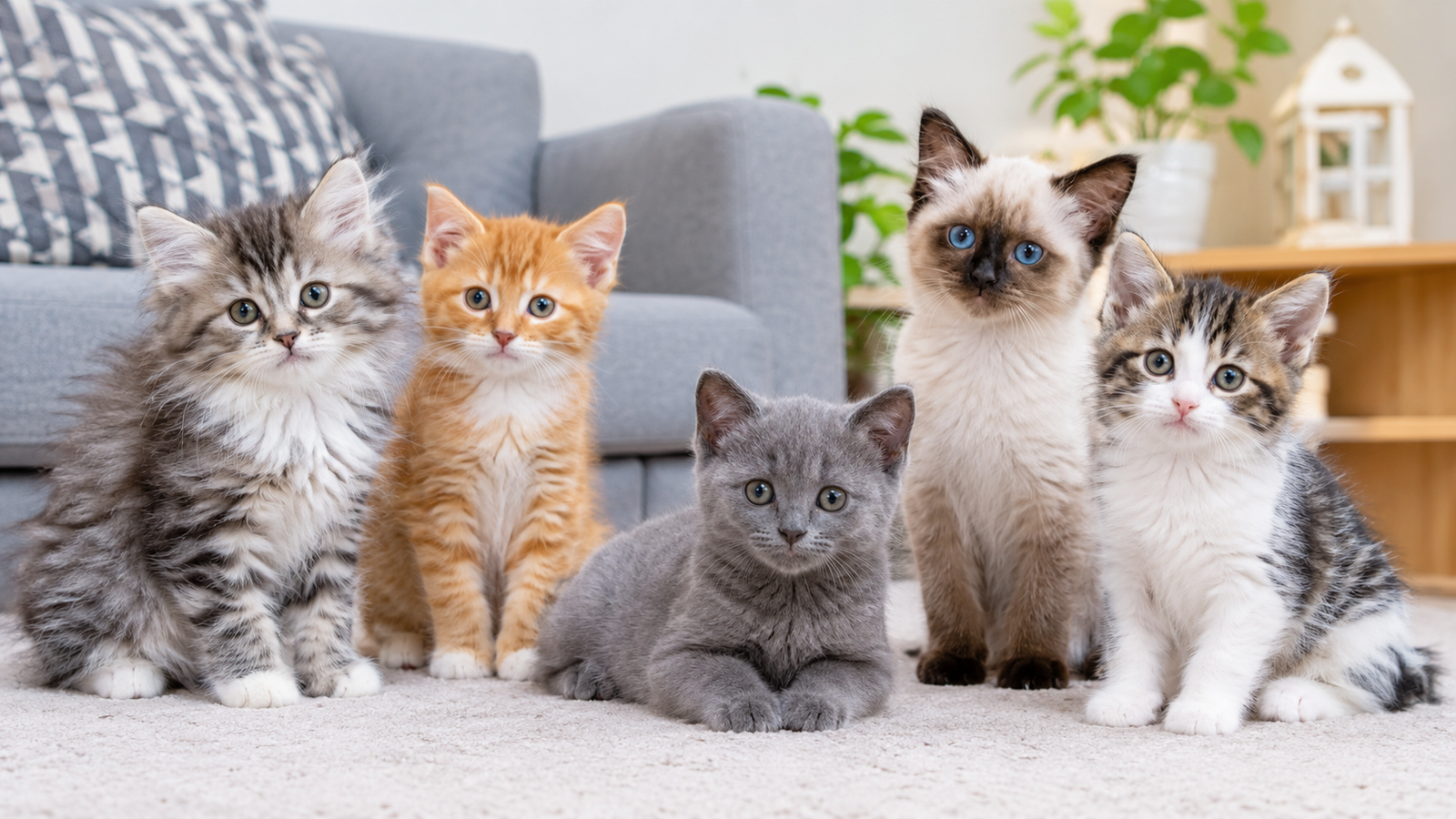
Choosing the right kitten can make a big difference in how comfortably a new cat fits into your home. The best kitten breeds for homeowners are those with temperaments, activity levels, grooming requirements, and care needs that match the household’s lifestyle. Some cats enjoy peaceful indoor environments, while others prefer active families, plenty of playtime, and regular interaction.
Whether you live in a small house, a spacious property, or an apartment, finding a kitten that suits your daily routine is essential for a happy long-term relationship. Certain breeds are known for their affectionate personalities and adaptability, while others are better suited to experienced owners who can provide extra grooming, exercise, or companionship.
This guide explores 10 wonderful kitten breeds for homeowners, including their personalities, care requirements, and suitability for different living environments. You’ll also learn how to compare breeds, choose the right kitten for your lifestyle, and prepare your home before bringing your new furry companion home.
In This Article
What Makes a Kitten Breed a Good Fit for Homeowners?
Not every kitten has the same personality or care requirements. Some breeds are naturally more independent, while others thrive when they receive plenty of attention from their owners. Understanding these differences can help you choose a companion that fits comfortably into your household.
The best house cats aren’t necessarily the most expensive, popular, or attractive breeds. Instead, they are cats whose needs can be met consistently throughout their lives.
Temperament and Personality Matter More Than Appearance
A kitten’s temperament is one of the most important factors to consider before choosing a breed. Homeowners often prefer cats that are friendly, adaptable, and comfortable around people.
Some breeds are particularly known for their gentle personalities, making them suitable for families and first-time cat owners.
Consider these personality traits when comparing kittens:
- Affectionate: Enjoys spending time with family members and receiving attention.
- Independent: Can entertain itself for reasonable periods without constant interaction.
- Playful: Enjoys toys, climbing structures, and interactive activities.
- Calm: Generally prefers relaxed surroundings and predictable routines.
- Sociable: Can become comfortable around visitors, children, and other household pets with proper introductions.
Remember that breed tendencies are not guarantees. Early socialization, genetics, health, and individual experiences all influence a kitten’s personality.
Indoor Adaptability and Activity Levels
Many homeowners prefer keeping their cats indoors because it helps protect them from traffic, predators, infectious diseases, and other outdoor hazards.
A suitable indoor kitten should be able to enjoy a comfortable home environment without becoming bored or frustrated.
Cats with moderate activity levels may be easier to accommodate in smaller homes, although energetic breeds can also thrive indoors when their owners provide enough enrichment.
Useful indoor activities include:
- Interactive toys that encourage chasing and hunting behaviors.
- Cat trees and climbing shelves.
- Scratching posts and cardboard scratchers.
- Puzzle feeders and food-dispensing toys.
- Daily play sessions with feather wands or similar toys.
- Comfortable resting areas near windows.
Important: Indoor living doesn’t mean a cat should spend the entire day sleeping without stimulation. Every kitten needs opportunities to explore, play, climb, and express natural feline behaviors.
Grooming, Shedding, and Everyday Maintenance
Grooming requirements can vary considerably between cat breeds. Long-haired kittens often need more frequent brushing to prevent tangles and painful mats, while short-haired breeds generally require less coat maintenance.
Homeowners with busy schedules may find short-haired breeds easier to manage.
Consider the following differences:
| Coat type | Grooming requirements | What owners should expect |
| Short-haired | Usually once or twice weekly | Relatively simple brushing |
| Medium-haired | Several times weekly | Regular brushing to control loose fur |
| Long-haired | Often daily | More attention to tangles and matting |
| Dense double coat | Regular brushing, especially during shedding seasons | Seasonal increases in loose fur |
Shedding is another consideration. Even short-haired cats can leave noticeable amounts of fur on furniture, clothing, and carpets.
Regular brushing, vacuuming, and maintaining a clean sleeping area can make everyday cat ownership more manageable.
Compatibility With Children and Other Pets
Families should consider how a kitten may interact with everyone in the household.
Some breeds are known for being sociable and playful, while others prefer quieter surroundings and may become uncomfortable with excessive handling.
When choosing a family-friendly kitten, look for:
- A confident but gentle temperament.
- Positive experiences with people.
- Comfort around normal household sounds.
- Appropriate socialization with other animals.
- A willingness to interact without becoming easily overwhelmed.
Children should also learn how to handle kittens gently. Pulling tails, chasing cats, or disturbing them while sleeping can create stress and behavioral problems.
Never assume that a particular breed will automatically get along with every child, dog, or cat. Introductions should always be gradual and supervised.
Purebred vs. Mixed-Breed Kittens: Which Is Better for Homeowners?
Purebred and mixed-breed kittens can both make excellent house pets. The right choice depends on your preferences, budget, and willingness to accommodate individual care requirements.
| Consideration | Purebred kittens | Mixed-breed kittens |
| Appearance | Often follows recognizable breed characteristics | More variation in appearance |
| Temperament | Some predictable breed tendencies | Individual personalities vary |
| Health | Certain inherited conditions may be more common in specific breeds | Genetic diversity may reduce some inherited risks, but health is not guaranteed |
| Price | Often more expensive | Adoption fees are often lower |
| Availability | Depends on responsible breeders | Commonly available through shelters and rescues |
| Care requirements | Can be researched by breed | Best assessed individually |
Purebred kittens can be a good choice when you have researched the breed’s temperament and potential health concerns. However, choosing a responsible breeder is essential.
Mixed-breed kittens are equally deserving of consideration. Many become affectionate, playful, and adaptable companions without the need for a particular pedigree.
The most important factor is finding a healthy, well-socialized kitten whose personality and needs suit your household.
10 Best Kitten Breeds for Homeowners to Consider
Several cat breeds are particularly appealing to people looking for friendly indoor companions. Some are relaxed and independent, while others are affectionate, playful, and highly interactive.
The following 10 breeds offer different personalities and care requirements, helping homeowners identify which type of kitten may fit their lifestyle.
Ragdoll
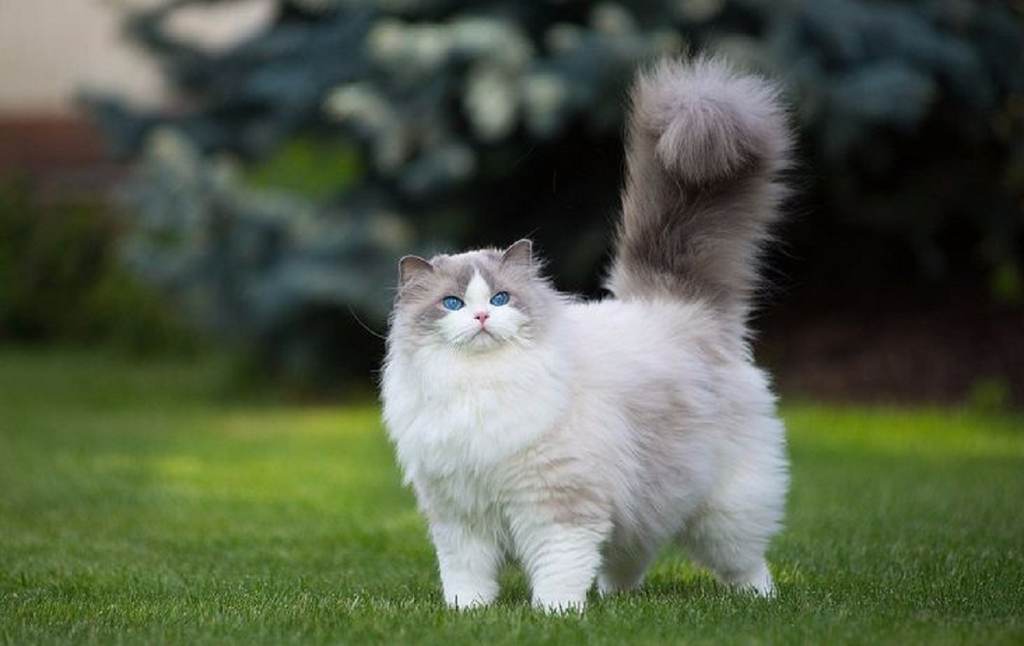
Ragdolls are among the most popular choices for homeowners who want an affectionate and gentle feline companion. Recognized for their striking blue eyes, semi-long coats, and color-point patterns, these cats are especially appealing to families looking for a sociable house pet.
Ragdoll kittens are generally people-oriented and often enjoy spending time near their owners. Many develop strong bonds with family members and appreciate being included in everyday household activities.
Why Ragdolls are good for homeowners:
- Generally gentle and affectionate.
- Often comfortable living indoors.
- Usually enjoy human companionship.
- Can adapt to family environments with proper socialization.
- Have a relaxed personality compared with many highly energetic breeds.
Care requirements:
Ragdolls have soft, semi-long coats that benefit from regular brushing, typically several times a week. Their fur can develop tangles, especially around areas where friction occurs.
They also need daily playtime and companionship. Although they are often relatively relaxed, they still require exercise and mental stimulation.
Potential owners should ask breeders about inherited health concerns, particularly hypertrophic cardiomyopathy (HCM), a heart condition found in some feline populations.
Best for: Homeowners who want an affectionate indoor companion and have enough time for regular interaction and grooming.
British Shorthair
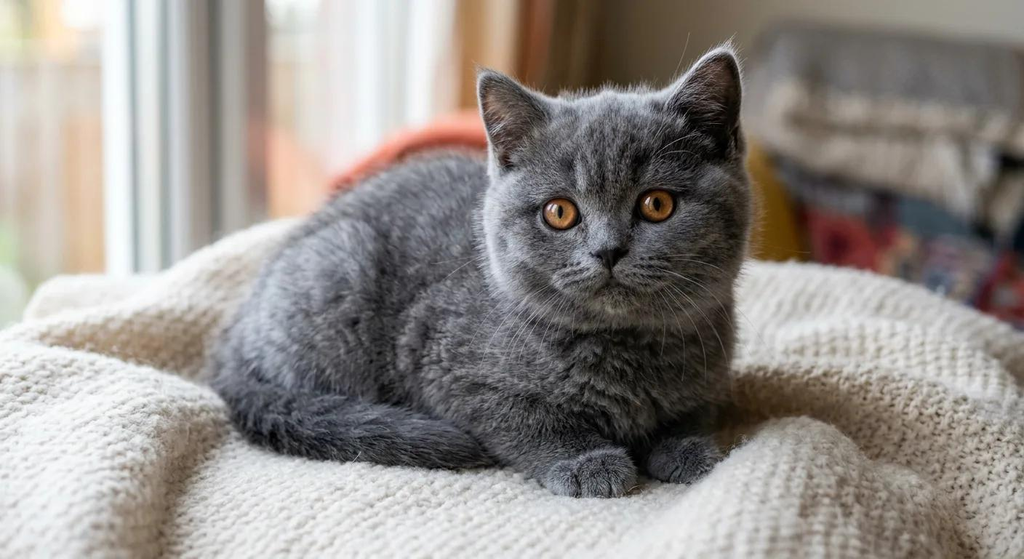
British Shorthairs are well-known for their round faces, dense plush coats, and calm personalities. Their sturdy appearance and relatively independent nature make them attractive to homeowners who prefer a relaxed household companion.
These cats are generally affectionate without demanding constant attention. Many enjoy spending time in the same room as their owners while maintaining their own personal space.
British Shorthair kittens can be playful, but their activity levels often become more moderate as they mature.
Why British Shorthairs are good for homeowners:
- Generally calm and easygoing.
- Often comfortable spending time independently.
- Adapt well to indoor environments.
- Usually less demanding than highly energetic breeds.
- Their short coats are relatively straightforward to maintain.
Care requirements:
Their dense coats benefit from weekly brushing, with more frequent grooming during shedding seasons.
British Shorthairs can be prone to weight gain if they receive too much food or insufficient exercise. Owners should provide portion-controlled meals, interactive toys, and opportunities for regular movement.
Potential inherited health concerns include hypertrophic cardiomyopathy, so responsible breeding and appropriate veterinary screening are important.
Best for: Homeowners who prefer a quieter companion that enjoys affection but doesn’t constantly demand attention.
Maine Coon
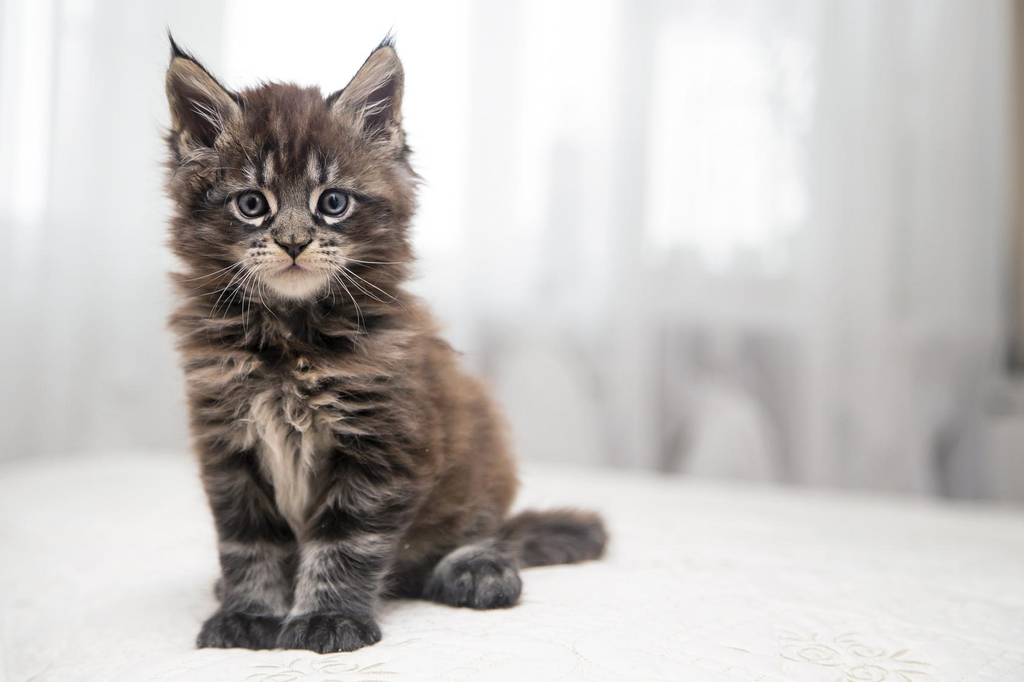
Maine Coons are famous for their impressive size, long coats, tufted ears, and friendly personalities. Often called gentle giants, these cats can make wonderful companions for homeowners who have enough space and time to accommodate their needs.
Despite their large appearance, Maine Coons are often sociable and playful. Many enjoy interacting with family members and exploring their surroundings.
They are also intelligent cats that benefit from toys, climbing structures, and activities that challenge their minds.
Why Maine Coons are good for homeowners:
- Generally friendly and sociable.
- Often enjoy interacting with people.
- Intelligent and capable of learning simple routines.
- Can adapt to indoor living with appropriate enrichment.
- Frequently get along with other pets when properly introduced.
Care requirements:
Their long, thick coats require regular brushing to prevent tangles and matting. Owners should pay particular attention to areas behind the ears, around the legs, and underneath the body.
Maine Coons also need sturdy cat trees, large litter boxes, and enough room to move comfortably.
Potential health concerns include hip dysplasia, hypertrophic cardiomyopathy, and certain inherited spinal muscular conditions. Ask breeders about appropriate genetic and health screening.
Best for: Homeowners with spacious indoor environments who enjoy active, sociable cats and can manage regular grooming.
American Shorthair
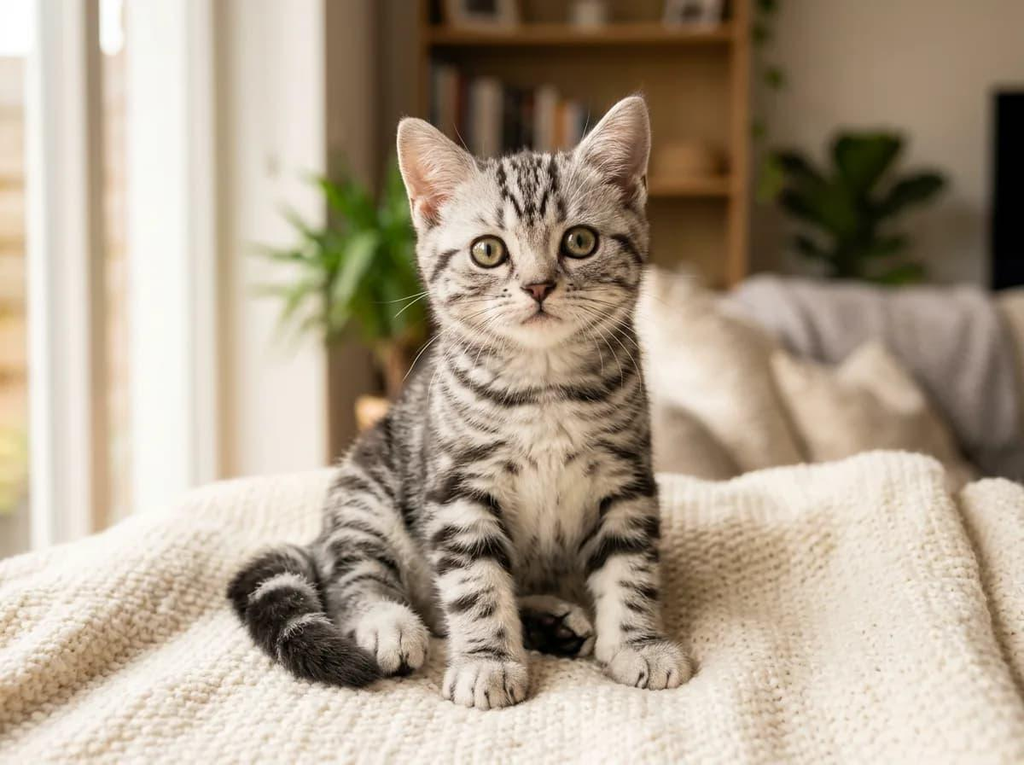
American Shorthairs are versatile cats known for their balanced personalities, sturdy bodies, and attractive coat patterns. They are often considered excellent companions for households looking for a combination of playfulness and independence.
These cats generally enjoy interacting with their owners but don’t necessarily require constant attention. Their adaptable nature can make them suitable for different household environments.
American Shorthair kittens are naturally curious and enjoy exploring, playing, and investigating new objects.
Why American Shorthairs are good for homeowners:
- Generally adaptable and easygoing.
- Often suitable for families.
- Can enjoy independent play.
- Have relatively manageable grooming requirements.
- Usually adapt well to indoor living when properly stimulated.
Care requirements:
Their short coats typically need weekly brushing to remove loose fur.
Maintaining a healthy weight is particularly important because these cats have sturdy builds and can become overweight without sufficient activity.
Provide climbing opportunities, interactive toys, and balanced kitten food to support healthy growth.
Best for: First-time cat owners, families, and homeowners looking for a friendly breed with relatively manageable everyday care needs.
Russian Blue
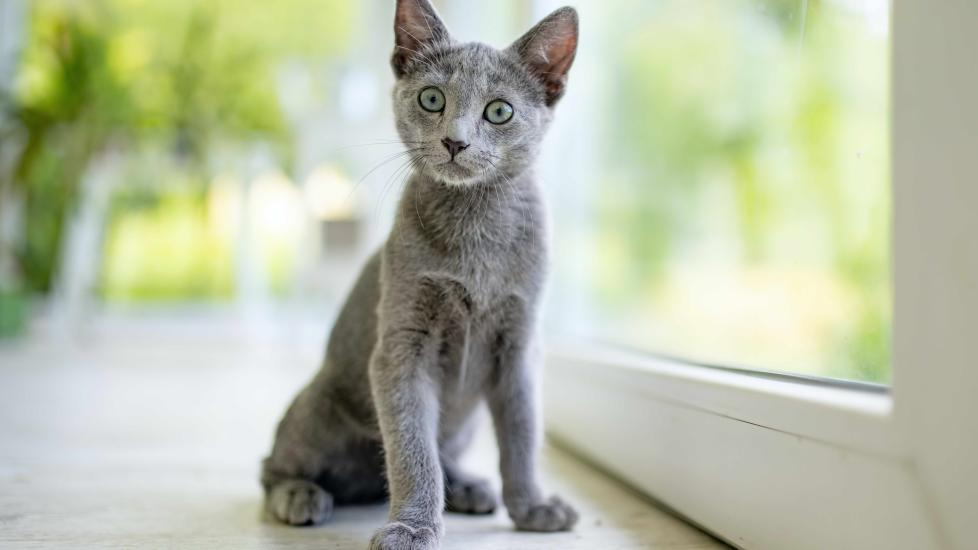
Russian Blues are admired for their elegant appearance, shimmering blue-gray coats, and vivid green eyes. Their quiet and observant personalities can make them appealing to homeowners who prefer a peaceful indoor environment.
These cats may initially be reserved around unfamiliar people, but they often become affectionate and loyal toward their familiar family members.
Russian Blue kittens are intelligent and curious. They enjoy interactive activities but may appreciate having a predictable environment where they can feel secure.
Why Russian Blues are good for homeowners:
- Generally quiet and relatively reserved.
- Often form strong bonds with familiar people.
- Have short coats that are relatively easy to maintain.
- Can adapt well to indoor living.
- May suit households that prefer a calmer atmosphere.
Care requirements:
Their dense double coats benefit from regular brushing, although they generally require less maintenance than long-haired breeds.
Russian Blues also need opportunities for exercise and mental stimulation. Puzzle feeders and interactive toys can help keep them engaged.
Because some individuals can be cautious around strangers, gentle socialization from kittenhood is beneficial.
Best for: Homeowners who appreciate a quieter companion and can provide a stable, comfortable indoor environment.
Burmese
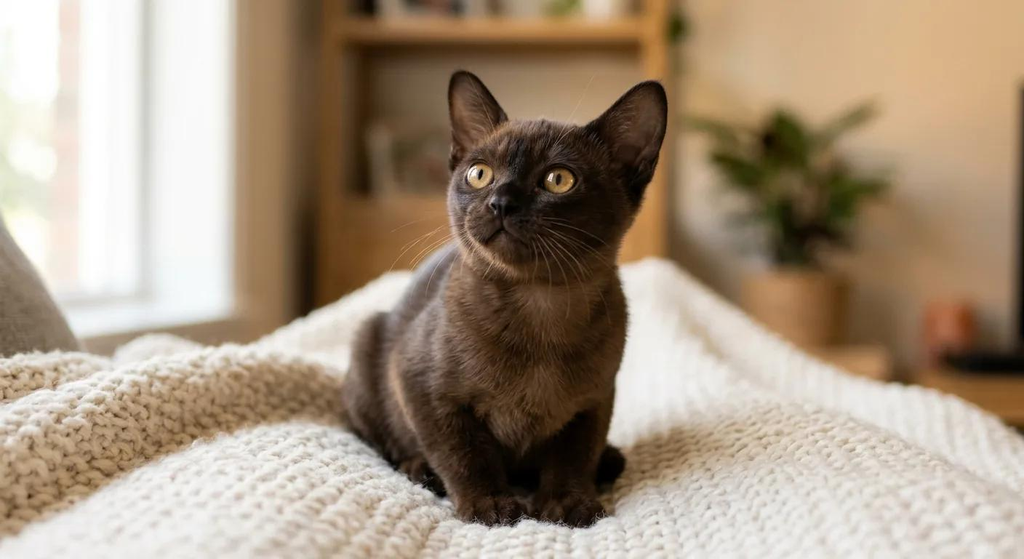
Burmese cats are affectionate, playful, and highly people-oriented. Their sleek coats, expressive eyes, and muscular bodies give them a distinctive appearance.
Unlike some more independent breeds, Burmese cats often enjoy being involved in household activities. They may follow their owners from room to room and actively seek interaction.
Burmese kittens can be particularly entertaining because they are naturally curious and enjoy games that involve chasing, jumping, and problem-solving.
Why Burmese cats are good for homeowners:
- Generally affectionate and sociable.
- Often enjoy spending time with family members.
- Have short coats that are easy to maintain.
- Tend to enjoy interactive play.
- Can be wonderful companions for attentive households.
Care requirements:
Their short, silky coats usually need only occasional brushing to remove loose hair.
However, Burmese cats require considerable social interaction. They may become bored or lonely when left alone for extended periods without companionship or enrichment.
Owners should also ask breeders about inherited health concerns, including hypokalemia and certain hereditary conditions associated with particular Burmese lines.
Best for: Homeowners who spend plenty of time at home and want an affectionate, playful cat that enjoys regular companionship.
Persian
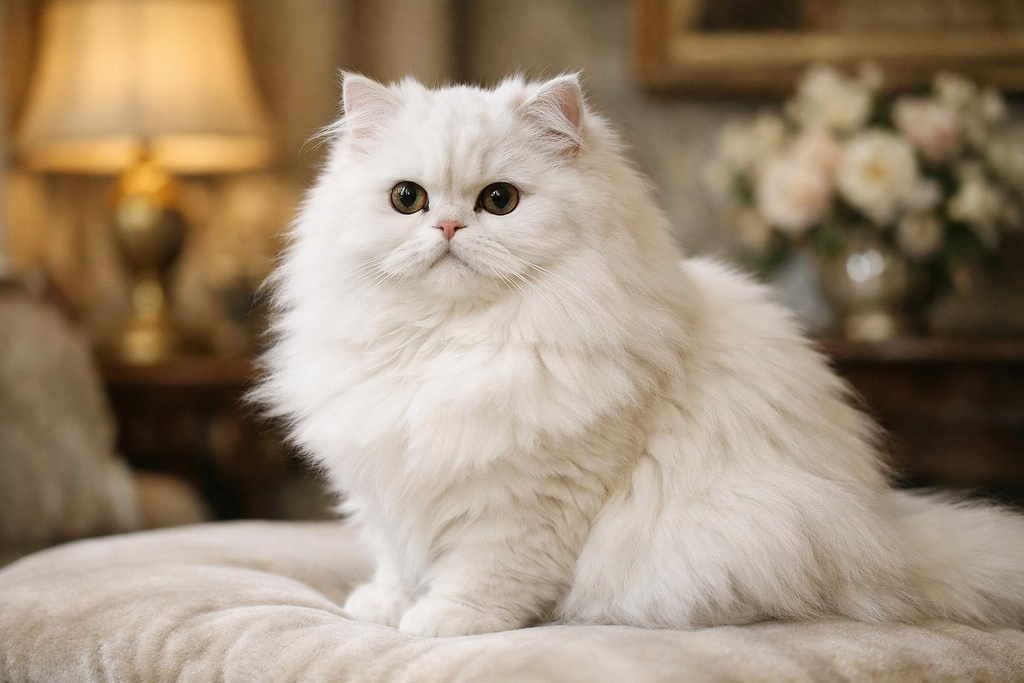
Persian cats are recognized for their luxurious long coats, round faces, and distinctive appearance. Their generally relaxed temperament makes them appealing to people who prefer a quieter feline companion.
Many Persian kittens enjoy comfortable resting areas and gentle interaction with familiar family members. They may be less interested in constant energetic play than some highly active breeds.
Their calm personality can make them suitable for peaceful households, provided owners understand their grooming and health requirements.
Why Persian cats are good for homeowners:
- Often have a relaxed and gentle temperament.
- Generally enjoy comfortable indoor environments.
- Can suit quieter households.
- Have a distinctive and attractive appearance.
- Usually appreciate predictable daily routines.
Care requirements:
Persian cats require considerable grooming. Their long coats should generally be brushed daily to prevent mats and tangles.
Their facial structure also deserves special attention. Flat-faced Persians may experience breathing difficulties, excessive tear production, and other problems associated with brachycephalic anatomy.
Owners should clean around the eyes when necessary and arrange regular veterinary examinations.
Best for: Homeowners who prefer a calm companion and are prepared for daily grooming and additional health-related care.
Scottish Fold
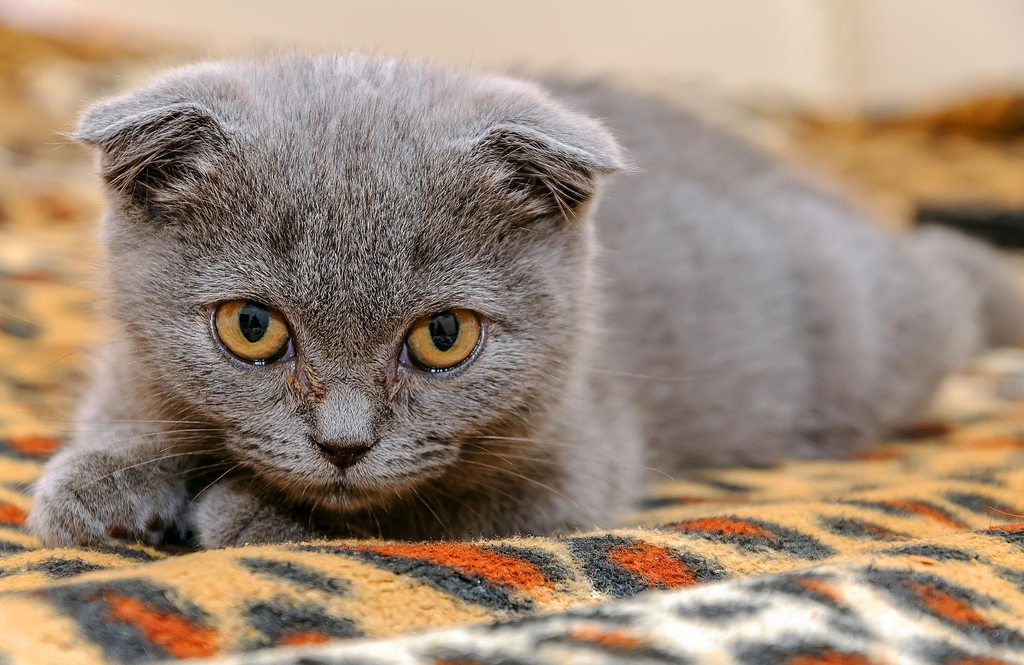
Scottish Folds are recognizable by their rounded faces and distinctive folded ears. Their sweet expressions and affectionate personalities have made them popular among cat enthusiasts.
These cats are often described as friendly and adaptable. Many enjoy spending time with their owners and can become comfortable in indoor household environments.
However, Scottish Folds require special consideration before adoption because their characteristic folded ears are linked to an inherited cartilage disorder.
Why Scottish Folds appeal to homeowners:
- Often have affectionate personalities.
- Can enjoy indoor companionship.
- Their short-haired varieties have relatively manageable coats.
- Generally appreciate comfortable and familiar surroundings.
Important health considerations:
The genetic mutation responsible for folded ears affects cartilage development throughout the body, not just the ears.
Scottish Folds can develop osteochondrodysplasia, a painful condition that affects joints and bones. Problems may include stiff tails, abnormal gait, lameness, and difficulty jumping.
The folded-ear appearance should not be treated as a harmless cosmetic feature. Prospective owners should discuss these welfare concerns with a veterinarian and consider adopting a healthy, non-folded-ear cat instead.
Best for: People researching Scottish Fold cats who understand the significant inherited welfare concerns and are prepared to prioritize feline health over appearance.
Siamese
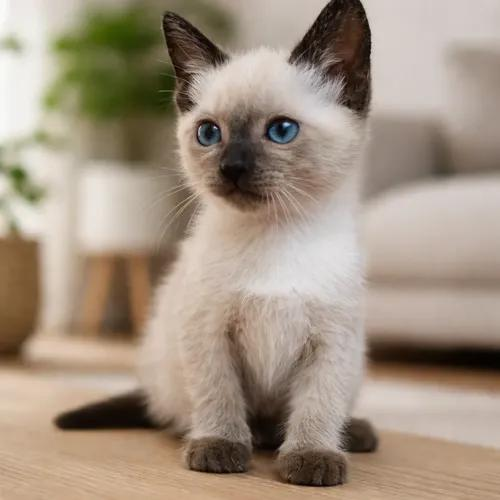
Siamese cats are famous for their striking blue eyes, color-point coats, slender bodies, and vocal personalities. They are intelligent, curious, and often very interested in interacting with their owners.
Unlike quieter breeds, Siamese kittens tend to be more expressive. They may communicate through frequent vocalizations and enjoy following people around the house.
Their energetic nature makes them entertaining companions, particularly for homeowners who enjoy playing with their pets.
Why Siamese cats are good for homeowners:
- Highly intelligent and curious.
- Often affectionate and people-oriented.
- Enjoy interactive toys and games.
- Have short coats with relatively simple grooming requirements.
- Can form strong relationships with their families.
Care requirements:
Siamese cats need regular playtime and mental stimulation. Without enough activities, they may become bored and develop unwanted behaviors.
Their social nature also means they may struggle with extended periods of isolation. Owners with demanding schedules should consider how they will provide companionship and enrichment.
Best for: Active homeowners who want an intelligent, affectionate, vocal cat and can provide plenty of daily interaction.
Exotic Shorthair
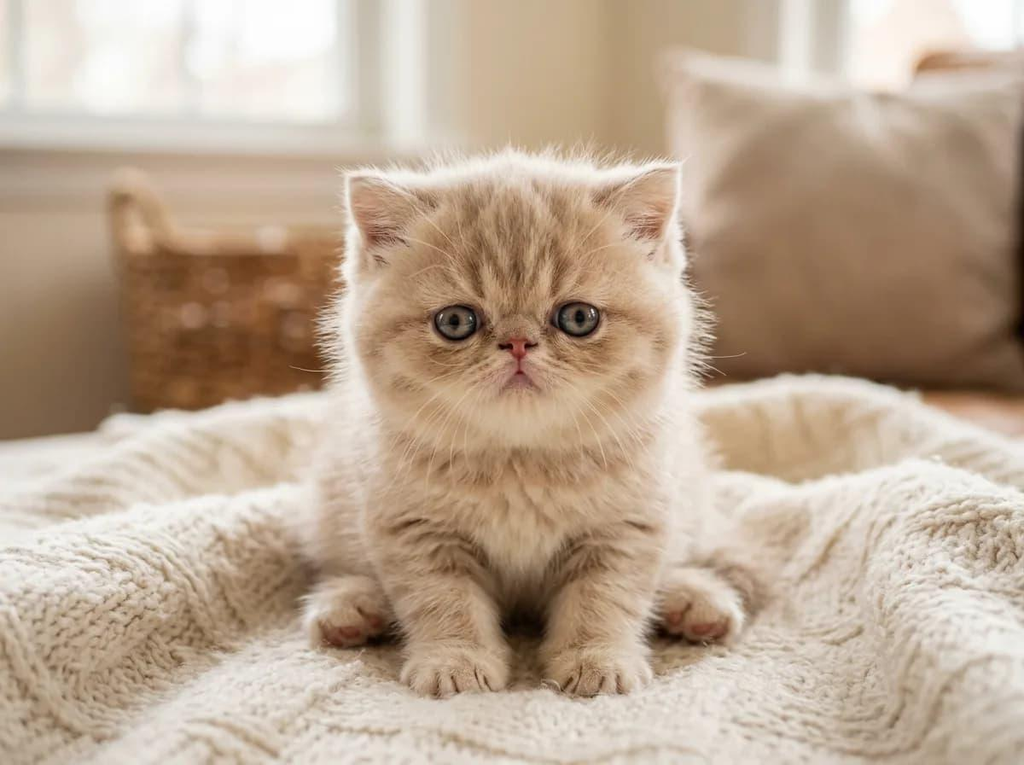
Exotic Shorthairs have a similar appearance to Persian cats but feature shorter, dense coats. Their round faces, large eyes, and plush fur make them especially appealing to people who love the Persian look but prefer a somewhat easier grooming routine.
They are often described as affectionate and relatively relaxed. Many enjoy spending time with their owners without requiring the same level of activity as more energetic breeds.
Why Exotic Shorthairs are good for homeowners:
- Often have calm and affectionate personalities.
- Can adapt to comfortable indoor environments.
- Their short coats are easier to maintain than Persian coats.
- Usually enjoy relaxed household routines.
- Can make appealing companions for quieter families.
Care requirements:
Although their coats are shorter, regular brushing is still recommended to manage loose fur and maintain coat condition.
Their facial structure is an important consideration. Some Exotic Shorthairs experience breathing difficulties, excessive tearing, dental problems, and other issues associated with flat-faced anatomy.
Choose a responsible adoption or breeding route that prioritizes healthy facial structure and normal breathing.
Best for: Homeowners who prefer a relatively relaxed companion and are willing to monitor facial, eye, dental, and respiratory health.
Best Kitten Breeds for Different Types of Homes
Choosing among the best kitten breeds for homeowners becomes easier when you consider the actual environment where your cat will live.
A breed that works wonderfully in a large family home may not be the ideal choice for someone living alone in a small apartment. Space, household activity, work schedules, and existing pets all influence how comfortably a kitten adapts.
Best Kitten Breeds for Small Houses and Apartments
Living in a smaller home doesn’t mean you cannot enjoy having a cat. Many breeds can live comfortably in apartments and compact houses as long as they have sufficient enrichment, exercise, and comfortable resting areas.
Some suitable options include:
- British Shorthair: Often enjoys a relaxed indoor lifestyle and doesn’t typically demand constant activity.
- Russian Blue: Can suit peaceful environments and generally appreciates predictable routines.
- Ragdoll: Often enjoys indoor companionship, although owners should provide enough room for play and movement.
- Exotic Shorthair: May suit quieter homes, provided its facial health needs are properly managed.
Vertical space is particularly useful in smaller homes. Cat trees, wall-mounted shelves, and window perches allow kittens to climb and explore without requiring a large floor area.
Remember: A small apartment can still be an excellent home for a cat if its physical and mental needs are met.
Best Kittens for Large Homes With Plenty of Indoor Space
Larger homes offer more opportunities for climbing, exploring, and creating separate resting areas.
Homeowners with spacious properties may enjoy breeds that are naturally curious, playful, or physically active.
Consider these options:
- Maine Coon: Their large size and playful nature make them suitable for homes with sturdy climbing structures and plenty of room.
- Siamese: Their energetic personality benefits from interactive spaces and opportunities to explore.
- Burmese: Their curiosity and playful behavior make additional enrichment particularly valuable.
- American Shorthair: Their adaptable temperament can work well in a variety of household environments.
Even in a large home, indoor cats need interaction with their owners. More space alone does not replace playtime, companionship, or environmental enrichment.
Best Kitten Breeds for Families With Children
Families should look for kittens that have been well-socialized and are comfortable with gentle human interaction.
Some breeds frequently considered for family environments include:
- Ragdoll: Often gentle and affectionate with familiar family members.
- American Shorthair: Generally adaptable and playful.
- Maine Coon: Often sociable and interactive.
- Burmese: Frequently enjoys attention and family activities.
Parents should teach children to respect the kitten’s boundaries. Cats need places where they can retreat when they want to rest or avoid interaction.
Young children should never be left unsupervised with a kitten, regardless of breed.
Best Kitten Breeds for First-Time Cat Owners
First-time owners often benefit from choosing a kitten with manageable grooming requirements and a relatively adaptable temperament.
American Shorthairs and British Shorthairs are worth considering because they generally have straightforward coat-care needs and can adapt to different household routines.
Ragdolls may also be suitable for attentive beginners who are comfortable with regular grooming and companionship requirements.
Before choosing a kitten, make sure you understand:
- Basic feeding and nutrition requirements.
- Litter box training and maintenance.
- Vaccination and parasite prevention schedules.
- Routine grooming and nail care.
- Safe indoor enrichment.
- The financial commitment of veterinary care.
The easiest breed to care for is not necessarily the best choice if its personality doesn’t match your lifestyle.
Best Breeds for Busy Homeowners
People who work long hours or frequently leave home should consider how much companionship their preferred breed needs.
Some cats are more comfortable with independent activities than others. British Shorthairs and American Shorthairs may be worth considering, although individual personalities vary.
Highly social breeds, such as Burmese and Siamese, may need additional companionship and enrichment.
Helpful ways to support a cat when you’re away include:
- Providing interactive toys and puzzle feeders.
- Creating comfortable resting and hiding areas.
- Maintaining a consistent feeding schedule.
- Offering safe climbing and scratching opportunities.
- Arranging appropriate check-ins when you’re away for extended periods.
Kittens should not be left alone for long periods without appropriate supervision and care. Young cats need frequent meals, monitoring, social interaction, and opportunities for play.
Best Kittens for Homes With Other Cats or Dogs
Introducing a kitten into a household with existing pets requires patience.
American Shorthairs, Maine Coons, and Ragdolls are often considered sociable options, but successful introductions depend more on individual temperament and previous socialization than breed alone.
Follow these basic introduction steps:
- Prepare a separate room for the new kitten.
- Allow the animals to become familiar with each other’s scents.
- Exchange bedding or other safe scent items.
- Introduce them gradually through a barrier.
- Supervise short face-to-face interactions.
- Provide separate food bowls, litter boxes, and resting areas.
Never force animals to interact. Give each pet enough space to retreat and feel secure.
A slow introduction can reduce stress and help establish a more peaceful relationship between household pets.
How to Choose the Right Kitten for Your Home and Lifestyle
Finding the best kitten breeds for homeowners involves more than choosing a cat with an attractive appearance. You also need to consider your daily routine, available space, financial situation, and ability to provide consistent care.
A kitten that fits your lifestyle is more likely to feel comfortable in your home and develop a healthy relationship with your family.
Evaluate Your Daily Schedule and Availability
Your daily routine can influence which kitten is most suitable for your household. Some cats are relatively independent, while others prefer frequent interaction and companionship.
Before choosing a breed, think about how much time you can realistically dedicate to your new pet.
Consider these questions:
- Do you work from home or spend most of the day outside?
- Can you provide daily playtime and social interaction?
- Are you available to maintain regular feeding and grooming schedules?
- Can someone check on your kitten when you’re away?
- Do you have enough time for veterinary appointments and routine care?
British Shorthairs and American Shorthairs may suit homeowners who prefer cats with relatively independent personalities. Burmese and Siamese cats generally require more interaction and may be less suitable for households where everyone is away for extended periods.
Remember that kittens need more attention than adult cats. Even breeds known for independence require supervision, socialization, regular meals, and opportunities to play.
Decide Whether You Prefer an Independent or Affectionate Kitten
Different homeowners have different expectations when it comes to feline companionship.
Some people enjoy having a cat that follows them around the house, sleeps nearby, and regularly seeks attention. Others prefer a companion that enjoys being around people but is also comfortable spending time independently.
Here are some general breed tendencies:
| Personality preference | Breeds worth considering | Typical characteristics |
| Very affectionate | Ragdoll, Burmese | Often enjoy close interaction with people |
| Calm and independent | British Shorthair, Russian Blue | May appreciate personal space and quiet surroundings |
| Playful and interactive | Siamese, Maine Coon | Often enjoy toys, games, and exploration |
| Adaptable and balanced | American Shorthair | Can combine independent play with social interaction |
| Relaxed companion | Persian, Exotic Shorthair | Often prefer comfortable and peaceful environments |
These descriptions are general tendencies rather than guarantees. A kitten’s upbringing, genetics, health, and individual personality can influence how affectionate or independent it becomes.
Spend time observing a kitten before making your decision. Notice whether it approaches people confidently, responds to gentle interaction, and appears comfortable exploring its surroundings.
Match the Kitten’s Energy Level to Your Living Environment
Activity level is another important consideration when choosing a house cat.
An energetic kitten may become frustrated if it doesn’t have enough opportunities to climb, explore, and play. Similarly, a quieter kitten may feel overwhelmed in a household with constant noise and activity.
Think about your home’s layout and the activities you can provide.
For example:
- Active breeds such as Siamese and Burmese benefit from interactive toys and frequent play sessions.
- Maine Coons appreciate sturdy climbing structures and enough room to explore.
- British Shorthairs may enjoy a more relaxed environment with moderate daily activity.
- Russian Blues may appreciate predictable routines and quiet resting areas.
Regardless of breed, provide several opportunities for play throughout the day.
Interactive toys that imitate hunting behaviors can be particularly useful. Wand toys, soft balls, tunnels, and puzzle feeders encourage movement and mental engagement.
Understand Grooming, Feeding, and Veterinary Care Commitments
Every kitten requires consistent care, but the amount of maintenance can vary between breeds.
Long-haired cats generally require more brushing, while certain flat-faced breeds may need additional facial and eye care.
Feeding requirements also change as kittens grow. Young cats need complete and balanced kitten food formulated to support their development, rather than adult maintenance food.
Your preparation should include:
- Grooming: Understand the brushing frequency and coat-care requirements of your preferred breed.
- Nutrition: Choose age-appropriate kitten food and follow appropriate feeding recommendations.
- Veterinary care: Budget for vaccinations, parasite prevention, routine examinations, and unexpected medical expenses.
- Dental care: Introduce gentle toothbrushing when appropriate and establish good oral hygiene habits.
- Exercise: Provide daily playtime and opportunities to climb and explore.
Potential owners should also research inherited conditions associated with particular breeds.
For example, Maine Coons can have an increased risk of hypertrophic cardiomyopathy and hip dysplasia. Persian and Exotic Shorthair cats may experience problems associated with flat facial structures.
Don’t choose a breed based only on its appearance or popularity. Understanding its potential health needs can help you make a more responsible long-term decision.
Meet the Kitten and Observe Its Individual Personality
Breed descriptions can provide useful guidance, but meeting the kitten is one of the best ways to understand its temperament.
Observe how the kitten behaves around people, responds to unfamiliar sounds, and interacts with its surroundings.
Look for a kitten that:
- Appears alert and curious.
- Moves comfortably without obvious stiffness or difficulty.
- Has clean eyes and a nose without unusual discharge.
- Breathes comfortably without persistent coughing or noisy breathing.
- Has a clean coat and generally well-maintained appearance.
- Shows interest in food, play, or its surroundings.
- Has no obvious signs of illness or distress.
A shy kitten isn’t necessarily unhealthy or unsuitable. Some kittens simply need more time to become comfortable with unfamiliar people.
Ask the breeder or shelter about the kitten’s history, socialization, eating habits, litter box behavior, and previous veterinary examinations.
Choose Responsible Breeders or Reputable Shelters
Where you obtain your kitten matters just as much as which breed you choose.
Responsible breeders prioritize health, temperament, and proper living conditions rather than focusing exclusively on appearance.
A reputable breeder should be willing to:
- Allow you to see where the kittens are raised.
- Provide veterinary and vaccination records.
- Explain relevant inherited health conditions.
- Discuss the health history of the kitten’s parents.
- Answer questions about feeding, grooming, and socialization.
- Let kittens remain with their mother until they are appropriately developed and ready for rehoming.
Avoid sellers who pressure you to make immediate payments, refuse to provide health information, or offer kittens that appear too young to leave their mother.
Adoption is another excellent option. Animal shelters and rescue organizations often have kittens and young cats looking for permanent homes.
A healthy, well-socialized mixed-breed kitten can be just as loving and rewarding as a purebred cat.
Essential Home Preparation and Care Before Bringing Your Kitten Home
Once you’ve chosen a suitable kitten, the next step is preparing your home. A safe and comfortable environment helps your new companion settle in while reducing the risk of accidents and unwanted behavior.
You don’t need an elaborate setup, but a few essential supplies and simple adjustments can make the transition much easier.
Create a Comfortable and Kitten-Safe Indoor Environment
Kittens are naturally curious. They enjoy investigating small spaces, climbing furniture, chewing objects, and exploring anything that catches their attention.
Unfortunately, some ordinary household items can be dangerous.
Before bringing your kitten home, inspect each room and remove potential hazards.
Pay particular attention to:
- Electrical cords and charging cables.
- Small objects that could cause choking or intestinal blockages.
- Cleaning chemicals and household detergents.
- Open windows and unsecured balconies.
- Toxic household plants, including lilies.
- Medications and personal care products.
- Open washing machines, dryers, and storage cabinets.
- Hot cooking surfaces and unattended appliances.
Keep toilet lids closed when necessary and ensure that windows have secure screens.
Never assume a kitten understands household dangers. Supervision and proper kitten-proofing are essential during the first few months.
Prepare These Essential Kitten Supplies
Having the right supplies ready before your kitten arrives can reduce stress and make everyday care more manageable.
You don’t need to purchase every available pet product. Focus on practical essentials that support feeding, hygiene, comfort, and enrichment.
| Essential supply | Purpose | What to look for |
| Food and water bowls | Supports regular feeding and hydration | Easy-to-clean, stable bowls |
| Kitten food | Provides nutrients for healthy growth | Complete and balanced food formulated for kittens |
| Litter box | Provides a suitable toilet area | Low-sided design for easy access |
| Cat litter | Supports litter box hygiene | Safe, low-dust litter with suitable texture |
| Scratching post | Encourages natural scratching behavior | Stable design and suitable scratching material |
| Comfortable bedding | Provides a resting place | Soft, washable, and appropriately sized |
| Cat carrier | Makes transportation safer | Secure, well-ventilated design |
| Interactive toys | Encourages exercise and mental stimulation | Age-appropriate toys without detachable choking hazards |
| Grooming tools | Helps maintain coat condition | Brush appropriate for the kitten’s coat type |
| Nail clippers | Supports routine nail maintenance | Cat-specific clippers |
You should also prepare a few hiding places where your kitten can retreat when it feels nervous.
A cardboard box, covered cat bed, or quiet corner can provide a comforting resting area.
Choose the Right Food for Healthy Kitten Development
Nutrition is particularly important during kittenhood because young cats grow rapidly and have different nutritional requirements from adult cats.
Choose food specifically formulated for kittens or for all life stages, provided it meets appropriate nutritional standards for growth.
A suitable kitten diet should provide:
- High-quality animal-based protein.
- Appropriate levels of fat for energy and development.
- Essential amino acids, including taurine.
- Vitamins and minerals in balanced amounts.
- Adequate moisture, especially when feeding wet food.
Both complete wet food and complete dry kitten food can be suitable. Some owners combine the two to provide variety and additional moisture.
Follow the manufacturer’s feeding recommendations and adjust portions according to your kitten’s age, weight, body condition, and activity level.
Fresh drinking water should always be available.
Avoid giving kittens cow’s milk as a regular treat. Many cats have difficulty digesting lactose, which can cause digestive discomfort or diarrhea.
For more detailed guidance, consult the WSAVA Global Nutrition Guidelines, which provide useful information about selecting appropriate diets and assessing pet nutrition.
Establish Feeding, Litter Training, and Playtime Routines
Kittens generally settle more comfortably when their daily activities follow a predictable routine.
Start with the feeding schedule recommended by your veterinarian or kitten food manufacturer. Younger kittens usually need more frequent meals than older kittens.
Place food and water bowls away from the litter box to encourage good hygiene.
For litter training, follow these practical steps:
- Place the litter box in a quiet, easily accessible location.
- Introduce your kitten to the box after meals and naps.
- Use a litter type that is safe and comfortable for young cats.
- Keep the litter box clean by removing waste regularly.
- Reward appropriate litter box use with gentle praise.
- Avoid punishment if accidents happen.
Playtime should also become part of your kitten’s everyday routine.
Several short interactive sessions are often more manageable than expecting a young kitten to remain active for one long period.
Use toys that encourage chasing, pouncing, and problem-solving. Never use your hands as toys because this can encourage biting and scratching during play.
Schedule Veterinary Examinations and Preventive Care
A veterinary examination is an important step after bringing your kitten home.
Even if the breeder or shelter provides health records, an independent examination can help establish a baseline for your kitten’s health.
Your veterinarian can assess:
- General physical development.
- Body weight and nutritional condition.
- Heart and respiratory function.
- Ear, eye, and oral health.
- Intestinal parasites.
- Vaccination history.
- Flea and tick prevention requirements.
- Appropriate future sterilization timing.
Vaccination schedules vary depending on the kitten’s age, health, previous vaccination history, and local disease risks.
Kittens commonly receive a series of core vaccinations during their early months, followed by boosters according to veterinary recommendations.
Ask your veterinarian about feline panleukopenia, feline herpesvirus, and feline calicivirus vaccinations. Other vaccines may be recommended depending on lifestyle and exposure risks.
Seek veterinary attention promptly if your kitten develops persistent diarrhea, repeated vomiting, difficulty breathing, significant lethargy, or refuses food. Young kittens can deteriorate quickly when they become ill.
Provide Scratching, Climbing, and Mental Enrichment
A comfortable home should allow your kitten to express natural feline behaviors.
Scratching, climbing, hiding, and exploring are normal activities. Providing appropriate outlets helps protect household furniture while supporting your kitten’s physical and mental well-being.
Consider adding:
- A vertical scratching post.
- A horizontal cardboard scratcher.
- A sturdy cat tree.
- Window perches with secure access.
- Interactive puzzle feeders.
- Tunnels and hiding spaces.
- Rotating toys to maintain interest.
Different breeds may prefer different types of enrichment.
Maine Coons and Siamese cats may particularly enjoy climbing and interactive play, while calmer breeds may appreciate comfortable resting areas combined with gentle daily activities.
Rotate toys every few days rather than leaving every toy available all the time. This can help maintain curiosity and prevent boredom.
Common Mistakes Homeowners Should Avoid When Choosing a Kitten
Choosing a kitten is exciting, but making a decision too quickly can lead to difficulties later.
Some homeowners focus heavily on appearance or popularity without considering the practical responsibilities of caring for a particular breed.
Avoiding these common mistakes can help you choose a healthier and more suitable companion.
Choosing a Kitten Based on Appearance Alone
A kitten’s appearance may be the first thing that attracts your attention, but physical characteristics shouldn’t be the main reason for choosing a particular breed.
Long coats, unusual eye colors, folded ears, and flat faces can make certain cats look distinctive. However, some physical traits are associated with additional grooming requirements or inherited health problems.
For example:
- Persian cats may require daily grooming and additional facial care.
- Maine Coons need regular coat maintenance and appropriate health screening.
- Scottish Folds carry an inherited cartilage disorder associated with their folded ears.
- Flat-faced Exotic Shorthairs may experience respiratory and eye-related problems.
Instead of choosing the most visually appealing kitten, consider whether you can comfortably meet its physical and medical needs throughout its life.
Assuming Every Indoor Cat Requires Little Exercise
One common misconception is that indoor cats naturally have low activity requirements.
Although indoor cats don’t need to roam outside, they still need regular exercise and mental stimulation.
Without enough enrichment, some cats may develop unwanted behaviors such as excessive vocalization, destructive scratching, or inappropriate play aggression.
Provide opportunities for daily movement through:
- Interactive wand toys.
- Food puzzles.
- Climbing structures.
- Hide-and-seek games.
- Short supervised play sessions.
- Safe window-watching areas.
Even calmer breeds benefit from regular activities that encourage natural hunting and exploration behaviors.
Underestimating Grooming and Veterinary Expenses
The cost of owning a kitten goes beyond the initial adoption fee or purchase price.
Food, litter, grooming supplies, vaccinations, parasite prevention, sterilization, and routine veterinary examinations all contribute to ongoing expenses.
Certain breeds may also require additional health monitoring.
Long-haired cats may need more grooming supplies, while some purebred cats may have increased risks of inherited conditions.
Before bringing a kitten home, create a realistic monthly and annual pet-care budget.
Include an emergency fund for unexpected illnesses or injuries.
Responsible ownership means being financially prepared for routine care and unexpected veterinary expenses.
Selecting a Highly Active Breed Without Enough Time for Interaction
Some breeds are naturally more energetic and social than others.
Siamese and Burmese cats, for example, often enjoy frequent interaction and can become bored when they lack companionship or activities.
Choosing one of these breeds without considering your daily schedule may create problems for both you and your cat.
Before adopting an energetic kitten, make sure you can provide:
- Regular interactive playtime.
- Mental enrichment.
- Safe climbing opportunities.
- Consistent social interaction.
- Appropriate supervision.
If your household is frequently empty, consider whether a more independent individual cat may be a better match.
Even then, young kittens should not be expected to manage long periods without care.
Believing Short-Haired Cats Never Shed
Short-haired kittens are sometimes marketed as low-maintenance pets, but short coats don’t mean zero shedding.
British Shorthairs, American Shorthairs, and Russian Blues can all shed noticeable amounts of fur.
Shedding varies according to genetics, seasonal changes, health, and individual coat characteristics.
Regular brushing helps remove loose fur and gives you an opportunity to check for skin irritation, parasites, or unusual changes.
If household allergies are a concern, remember that no cat breed is completely hypoallergenic. Allergic reactions are generally associated with proteins found in cats’ saliva, skin secretions, and other sources, rather than fur alone.
Spending time around cats before adoption may help you understand how you react, although it cannot guarantee that future exposure will be symptom-free.
Assuming Every Kitten of the Same Breed Has the Same Personality
Breed characteristics are useful when comparing potential pets, but they don’t determine every aspect of a cat’s behavior.
Two Ragdoll kittens may have noticeably different personalities. One might enjoy being held, while another prefers sitting nearby without physical contact.
Likewise, a British Shorthair may be more playful and sociable than the typical breed description suggests.
Individual temperament is influenced by:
- Genetics and inherited characteristics.
- Early experiences with people.
- Socialization during kittenhood.
- Previous living conditions.
- Health and physical comfort.
- The household environment.
Spend time with the kitten and ask questions about its behavior rather than relying entirely on breed descriptions.
Ignoring Inherited Health Conditions and Responsible Breeding Practices
Health should always be a priority when selecting a kitten.
Some breeds have increased risks of specific inherited conditions, making health screening particularly important.
Ask breeders about relevant health testing and request documentation rather than accepting verbal assurances.
For example:
| Breed | Potential health concerns |
| Maine Coon | Hypertrophic cardiomyopathy, hip dysplasia, spinal muscular atrophy |
| Ragdoll | Hypertrophic cardiomyopathy |
| British Shorthair | Hypertrophic cardiomyopathy |
| Persian | Polycystic kidney disease in affected lines, respiratory and eye problems associated with facial structure |
| Burmese | Certain inherited metabolic and genetic conditions |
| Scottish Fold | Osteochondrodysplasia associated with the folded-ear mutation |
| Siamese | Certain inherited conditions, including amyloidosis in some lines |
Not every cat within these breeds will develop these conditions. However, understanding potential risks helps you ask better questions and plan appropriate veterinary care.
Be cautious of breeders who prioritize unusual physical features over health and normal function.
A responsible kitten choice should always prioritize long-term welfare, comfortable breathing, normal movement, and overall health.
When selecting your new companion, take your time, research the breed carefully, and evaluate the individual kitten. The right match will be a cat whose needs you can meet consistently, not simply one that looks beautiful in a photograph.
Frequently Asked Questions About the Best Kitten Breeds for Homeowners
Choosing the right kitten often raises questions about personality, grooming, indoor living, and long-term care. The following answers address common concerns to help homeowners make a more informed decision.
Which kitten breed is easiest to care for at home?
The American Shorthair and British Shorthair are often considered relatively manageable choices for homeowners. Both have short coats that require less grooming than long-haired breeds. However, every kitten still needs proper nutrition, veterinary care, exercise, and social interaction.
What is the best indoor cat breed for first-time owners?
American Shorthairs are worth considering because they generally have adaptable personalities, manageable grooming requirements, and moderate activity levels. British Shorthairs and Ragdolls can also be suitable, depending on the owner’s preferences and ability to provide companionship and care.
Which kitten breeds are best for small homes?
British Shorthairs, Russian Blues, and American Shorthairs can adapt well to smaller indoor environments. Ragdolls may also be suitable if they have enough room for comfortable movement and play. Vertical climbing spaces, scratching posts, and interactive toys are important for keeping indoor cats active.
Are Ragdoll kittens good house pets?
Yes. Ragdolls are generally affectionate, gentle, and people-oriented, making them popular indoor companions. They often enjoy spending time with their families. However, they need regular grooming, daily interaction, and appropriate veterinary care.
What are the most affectionate kitten breeds for families?
Ragdolls, Burmese, Maine Coons, and Siamese are commonly known for their sociable and affectionate tendencies. These breeds often enjoy interacting with people, although individual personalities vary. Families should also teach children to handle kittens gently and respect their boundaries.
Which cat breeds require the least grooming?
Short-haired breeds such as American Shorthairs, British Shorthairs, and Burmese generally have relatively straightforward grooming requirements. Weekly brushing is often sufficient, although some cats may need more frequent grooming during shedding seasons.
Are mixed-breed kittens good for indoor living?
Absolutely. Mixed-breed kittens can make wonderful indoor companions. They come in many different sizes, coat types, and personalities. Their suitability depends on individual temperament, health, socialization, and the care their owners can provide rather than pedigree alone.
How do I know if a kitten will adapt well to my home?
Look for a kitten that appears healthy, curious, and comfortable with gentle human interaction. Ask about its socialization history and observe how it responds to unfamiliar surroundings. Providing a quiet introduction space, predictable routines, and appropriate enrichment can also help your kitten settle into its new home.
Finding the Perfect Kitten for Your Home
Choosing among the best kitten breeds for homeowners is ultimately about finding a companion whose personality, activity level, and care requirements fit your household.
Ragdolls may appeal to people who want affectionate companions, while British Shorthairs can be attractive to homeowners who prefer calmer and more independent cats. Maine Coons offer playful personalities and impressive appearances, whereas American Shorthairs provide a versatile option for many different households.
However, breed characteristics should only guide your decision. Every kitten has an individual personality, and responsible ownership requires looking beyond appearance or popularity.
Before bringing a kitten home, consider these essential priorities:
- Choose a kitten with a temperament that suits your household.
- Research breed-specific health concerns and grooming requirements.
- Prepare a safe indoor environment with appropriate supplies.
- Provide complete and balanced kitten nutrition.
- Schedule regular veterinary examinations and preventive care.
- Make time for daily play, social interaction, and companionship.
- Consider adopting from a reputable shelter or choosing a responsible breeder.
The best kitten is one you can care for throughout its entire life. A loving home, proper nutrition, preventive veterinary care, and a safe environment matter far more than having a particular breed.
Take your time researching different kittens, meet potential companions whenever possible, and choose one whose needs you can confidently meet. With thoughtful preparation, you can welcome a happy, healthy feline friend who becomes a cherished part of your home.