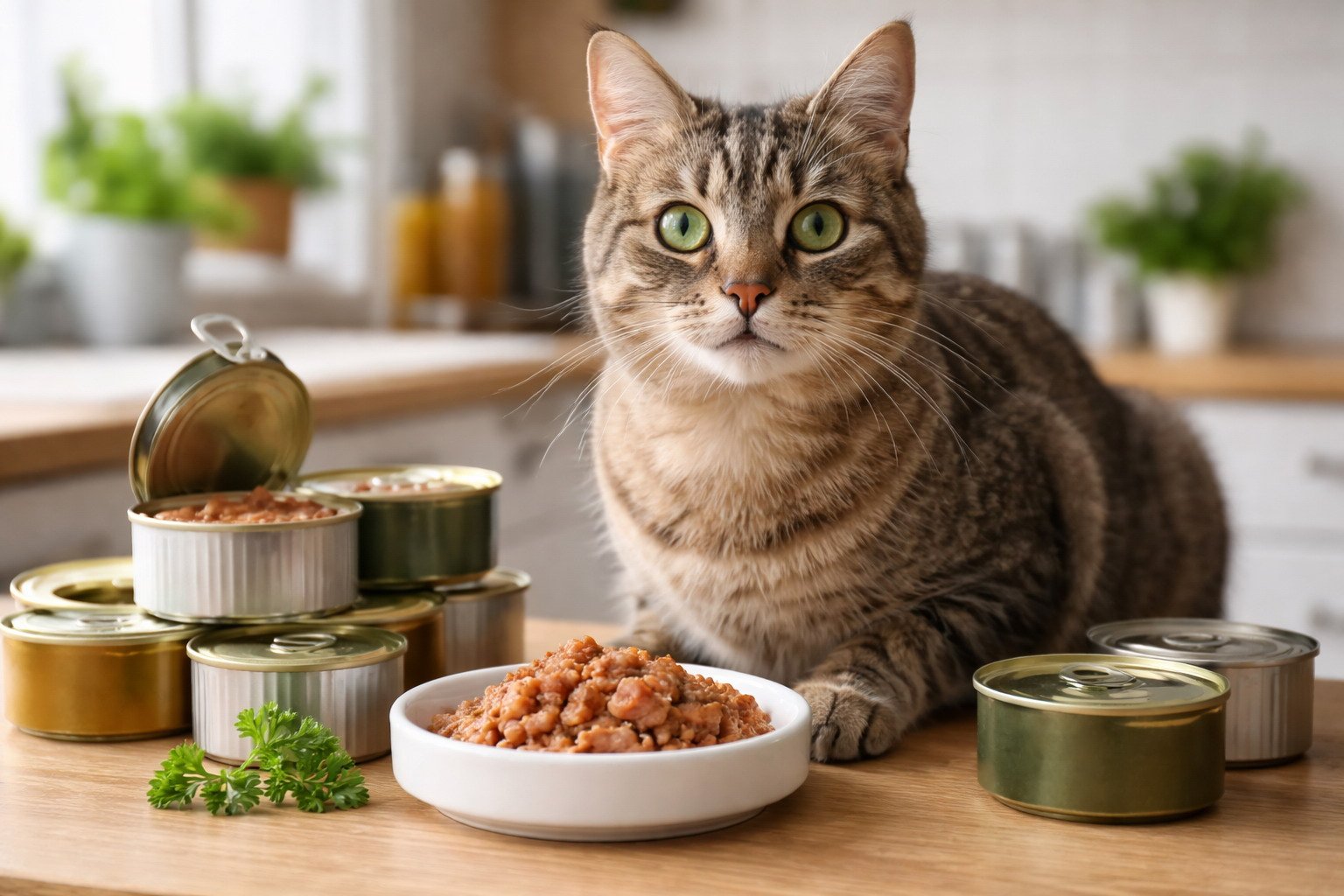
Digestive problems affect a surprising number of cats, even those that seem healthy on the outside. Vomiting after meals, loose stools, or sudden food refusal often point to one core issue: diet intolerance. Choosing the best canned cat food for sensitive stomach can dramatically improve digestion, comfort, and overall quality of life.
This guide breaks down the science, ingredients, and practical feeding insights to help cat owners make confident, vet-informed decisions.
In This Article
Understanding Sensitive Stomachs in Cats
A sensitive stomach in cats refers to a digestive system that reacts poorly to certain ingredients, textures, or nutrient ratios. Reactions can be mild and occasional or frequent and disruptive. Many cats develop sensitivities over time, even if they tolerated the same food for years.
Common Signs of a Sensitive Stomach
Digestive sensitivity often shows up through clear physical signals, including:
- Frequent vomiting, especially shortly after eating
- Soft stools or diarrhea that persist beyond a day or two
- Excessive gas or bloating
- Loss of appetite or picky eating behavior
- Dull coat or flaky skin, linked to poor nutrient absorption
Veterinary studies estimate that up to 15–20% of cats experience chronic gastrointestinal sensitivity, often triggered by food ingredients rather than disease.
“Most feline digestive upsets improve significantly when the diet is simplified and moisture-rich,” notes Dr. Lisa Pierson, DVM, a feline nutrition specialist.
Why Diet Is the Primary Trigger
Cats evolved as obligate carnivores, meaning their digestive systems function best on animal-based proteins and fats. Modern commercial foods sometimes include fillers or additives that strain digestion. Repeated exposure can inflame the gut lining, making symptoms more frequent and severe.
Key dietary triggers include:
- Multiple protein sources in one formula
- Artificial preservatives and colors
- Low moisture content
- Hard-to-digest carbohydrates
Understanding these factors sets the stage for selecting the best canned cat food for sensitive stomach needs.
Why Canned Food Is Better for Cats With Sensitive Stomachs
Canned food provides a digestive advantage that dry kibble simply cannot match. Moisture content, texture, and ingredient density all play a role in easing gastrointestinal stress.
High Moisture Supports Digestive Health
Canned cat food typically contains 70–80% moisture, closely mimicking a cat’s natural prey diet. Improved hydration helps:
- Soften stool and reduce constipation
- Support enzyme activity during digestion
- Lower the risk of stomach irritation
Dry food averages only 8–10% moisture, forcing cats to rely heavily on drinking water, which many cats instinctively avoid.
Easier Texture, Less Digestive Effort
Soft, finely ground textures require less mechanical breakdown in the stomach. Reduced workload means:
- Faster gastric emptying
- Less acid buildup
- Lower chance of post-meal vomiting
Cats with sensitive stomachs often tolerate pâté-style canned food better than chunks or shreds in thick gravy.
Superior Nutrient Absorption
Canned formulas generally contain higher-quality animal proteins and fewer fillers. Nutrients remain more bioavailable, allowing cats to absorb what they need without digestive overload.
Key advantages of canned food over dry food:
| Feature | Canned Food | Dry Food |
| Moisture Content | 70–80% | 8–10% |
| Protein Digestibility | High | Moderate |
| Additive Load | Lower | Often higher |
| Digestive Stress | Minimal | Higher |
These benefits explain why veterinarians frequently recommend canned diets as the best canned cat food for sensitive stomach conditions.
Key Ingredients to Look for in the Best Canned Cat Food for Sensitive Stomach
Ingredient quality matters more than brand reputation. Cats with delicate digestion thrive on simplicity, clarity, and biological appropriateness.
Single or Limited Animal Proteins
Fewer protein sources reduce the chance of immune reactions. Easily digestible options include:
- Chicken
- Turkey
- Rabbit
- Duck
Novel proteins often work well for cats with long-standing sensitivities.
Digestive Support Additives
Certain ingredients actively protect the gut lining and promote healthy bacteria balance:
- Probiotics (Lactobacillus, Enterococcus species)
- Prebiotics (inulin, chicory root)
- Omega-3 fatty acids from fish oil to reduce inflammation
Clean, Transparent Ingredient Lists
Short ingredient lists signal reduced digestive strain. Ideal formulas avoid unnecessary complexity and focus on nutritional purpose.
Ideal ingredient profile for sensitive stomach cats:
- Named animal protein as the first ingredient
- Moderate fat levels (not excessive)
- Minimal carbohydrates
- No artificial preservatives
Cats digest meat-based diets up to 30% more efficiently than carbohydrate-heavy formulas, according to feline nutrition research published by veterinary nutrition boards.
Ingredients to Avoid When Choosing the Best Canned Cat Food for Sensitive Stomach
Digestive comfort depends as much on what is excluded as what is included. Certain ingredients repeatedly trigger stomach upset, even in cats without diagnosed allergies. Removing these irritants often produces rapid improvement.
Common Problematic Ingredients
Sensitive cats frequently react to low-quality or unnecessary additives, such as:
- Corn, wheat, and soy, which offer little nutritional value to obligate carnivores
- Artificial colors and flavors that may irritate the gut lining
- By-products with vague labeling, which lack consistent digestibility
- Carrageenan, a thickening agent linked to gastrointestinal inflammation in some studies
Hidden Thickeners and Gums
Canned foods rely on binders to create texture. Some work well, while others provoke digestive stress.
| Thickener | Digestive Impact |
| Guar gum | Can cause gas in sensitive cats |
| Xanthan gum | May lead to loose stools |
| Carrageenan | Linked to intestinal irritation |
| Agar-agar | Generally gentler alternative |
Choosing formulas with minimal or gentler thickeners often reduces vomiting and stool inconsistency.
High Ash and Excess Minerals
Lower-quality canned foods sometimes contain elevated ash content, which can irritate the stomach lining and burden the kidneys. Premium sensitive-stomach formulas maintain controlled mineral levels for easier digestion.
Avoiding these ingredients creates the foundation for identifying the best canned cat food for sensitive stomach conditions.
Best Canned Cat Food for Sensitive Stomach: What Makes a Formula Stand Out
Not all canned foods labeled “gentle” or “digestive care” deliver real results. High-performing formulas share measurable characteristics grounded in feline physiology.
Veterinary-Formulated vs. Commercial Diets
Veterinary diets are designed for clinical digestive issues, while premium commercial foods target mild to moderate sensitivity.
Key differences at a glance:
| Feature | Veterinary Diet | Premium Commercial Diet |
| Protein Sources | Single, hydrolyzed | Limited, whole-meat |
| Digestibility | Very high | High |
| Availability | Prescription | Over-the-counter |
| Cost | Higher | Moderate |
Mild sensitivities often resolve with quality commercial canned food, while chronic symptoms may require veterinary formulas.
Grain-Free vs. Grain-Inclusive
Grain-free diets eliminate common irritants but are not automatically superior. Digestibility depends on ingredient quality, not grain presence alone. Some cats tolerate small amounts of rice or oats well, while others require complete grain avoidance.
Minimal Processing Matters
Lower processing preserves natural enzymes and amino acids. Gentle cooking methods help maintain protein structure, reducing digestive workload.
Standout qualities in the best canned cat food for sensitive stomach include:
- One primary protein source
- Balanced fat levels (around 4–6% as-fed)
- Added probiotics
- Clearly named ingredients
Best Canned Cat Food for Sensitive Stomach by Dietary Need
Sensitive digestion is not one-size-fits-all. Age, allergies, and health status influence which formula works best.
Cats With Food Allergies or Intolerances
Single-protein, limited-ingredient diets shine in this category. Novel proteins such as rabbit or duck often reduce immune-triggered inflammation.
Kittens With Sensitive Digestion
Young cats require higher protein and fat for growth but still benefit from digestive support.
- Soft pâté textures
- DHA-rich formulas for brain development
- Easily digestible poultry proteins
Senior Cats With Weakened Digestion
Aging slows enzyme production and nutrient absorption. Senior-friendly canned food focuses on:
- Moderate fat to prevent stomach overload
- Added fiber for stool regularity
- Omega-3s for gut and joint health
Matching food type to life stage improves success rates by over 40%, according to feline dietary transition studies.
“Tailoring diet to age and digestive ability often resolves chronic stomach issues without medication,” explains veterinary nutritionists.
Identifying these distinctions helps narrow down the best canned cat food for sensitive stomach based on individual feline needs.
How to Transition Your Cat to Canned Food
Digestive systems thrive on consistency, not sudden change. Even the best canned cat food for sensitive stomach can cause temporary upset if introduced too quickly. A gradual transition protects the gut lining and allows beneficial bacteria to adapt.
Safe Transition Timeline
Most veterinarians recommend a 7–10 day transition, extended to two weeks for highly sensitive cats.
Sample transition schedule:
| Day Range | Old Food | New Canned Food |
| Days 1–3 | 75% | 25% |
| Days 4–6 | 50% | 50% |
| Days 7–9 | 25% | 75% |
| Day 10+ | 0% | 100% |
Slower transitions reduce the risk of diarrhea and food refusal.
Mixing Techniques That Improve Acceptance
Blending foods thoroughly prevents selective eating. Slight warming releases aroma, stimulating appetite without altering nutritional value.
Helpful tips:
- Mix until texture is uniform
- Serve at room temperature
- Use shallow dishes to reduce whisker stress
Warning Signs During Transition
Temporary soft stools may occur. Persistent vomiting, watery diarrhea beyond 72 hours, or lethargy signal the need to pause or consult a veterinarian.
Patience during transition often determines long-term success.
Feeding Tips to Prevent Digestive Issues in Sensitive Cats
Once the transition is complete, daily feeding habits become the next line of digestive defense. Small adjustments deliver measurable improvements.
Portion Control and Meal Frequency
Overfeeding strains the stomach and pancreas. Smaller, more frequent meals support steady digestion.
Ideal feeding pattern:
- 2–3 meals per day for adult cats
- Consistent serving times
- Measured portions based on body weight
A typical adult cat weighing 4–5 kg (9–11 lb) requires approximately 180–220 calories per day, depending on activity level.
Consistency Reduces Gut Stress
Changing flavors frequently may seem appealing but often disrupts digestion. Sensitive cats benefit from staying on one proven formula for weeks or months.
Water and Environment Matter
Even canned-fed cats need access to fresh water. Stress-free feeding spaces also play a role, as anxiety directly affects gut motility.
Simple habits that protect digestion:
- Quiet feeding location
- Clean bowls after every meal
- Avoid table scraps entirely
Signs the Canned Cat Food for Sensitive Stomach Is Helping Your Cat
Digestive improvements rarely appear overnight, yet noticeable changes typically emerge within 10–21 days of consistent feeding.
Positive Digestive Changes
Clear signs that the new food is working include:
- Firm, well-formed stools with reduced odor
- Minimal or no vomiting
- Less gas and abdominal discomfort
Whole-Body Health Improvements
Digestive health influences the entire body. Successful dietary changes often lead to:
- Shinier coat and reduced dandruff
- Improved energy levels
- Better appetite consistency
Real-World Case Insight
A 6-year-old domestic shorthair with chronic vomiting experienced a 70% reduction in symptoms within three weeks after switching to a limited-ingredient canned diet with probiotics, without medication.
Healthy digestion shows up in the litter box first, then everywhere else.
Recognizing these improvements confirms that the chosen formula truly qualifies as the best canned cat food for sensitive stomach for your cat.
When to See a Veterinarian About Sensitive Stomach Issues
Diet plays a powerful role in digestive health, yet food alone cannot solve every problem. Certain symptoms indicate underlying conditions that require medical evaluation, even when feeding the best canned cat food for sensitive stomach.
Red Flags That Need Veterinary Attention
Persistent or worsening symptoms should never be ignored. Immediate consultation is recommended when a cat shows:
- Chronic vomiting lasting more than 48–72 hours
- Blood or mucus in stool
- Sudden weight loss exceeding 10% of body weight
- Lethargy, dehydration, or abdominal pain
Such signs may point to inflammatory bowel disease (IBD), pancreatitis, parasites, or metabolic disorders.
Prescription Diets vs. Commercial Options
Veterinary-prescribed canned diets use hydrolyzed proteins or ultra-limited ingredient profiles designed to bypass immune reactions. These diets are often essential for:
- Cats with diagnosed IBD
- Severe food allergies
- Post-surgical digestive recovery
Commercial sensitive-stomach canned foods work well for mild to moderate issues, while prescription diets address clinical conditions.
Testing and Diagnosis
Veterinarians may recommend:
- Fecal analysis
- Blood panels
- Ultrasound imaging
- Dietary elimination trials
Early diagnosis shortens recovery time and prevents long-term gut damage.
FAQs About the Best Canned Cat Food for Sensitive Stomach
Clear answers help cat owners make confident, informed choices. These commonly asked questions address real-world concerns.
How Long Does It Take to See Results?
Most cats show noticeable improvement within 10 to 21 days after completing a proper transition. Full gut healing may take 4–6 weeks for chronic cases.
Can Sensitive Stomach Cats Eat Grain-Free Food?
Grain-free formulas help some cats, especially those sensitive to corn or wheat. Digestibility matters more than grain presence. High-quality grains like rice may still be tolerated by certain cats.
Is Single-Protein Canned Food Better for Digestion?
Single-protein diets reduce immune responses and simplify digestion. Cats with recurring vomiting or diarrhea often respond best to these formulas.
Should Probiotics Be Included in Sensitive-Stomach Food?
Probiotics support gut flora balance and improve stool quality. Foods containing species-specific probiotics show higher success rates in sensitive cats.
Can I Rotate Flavors Once My Cat Improves?
Rotation increases dietary variety but may reintroduce symptoms. Long-term stability often works better for cats with digestive sensitivity.
For science-backed feline nutrition guidance, consult the Cornell University College of Veterinary Medicine – Feline Health Center, a highly respected authority on cat digestive health and dietary standards:
https://www.vet.cornell.edu/departments-centers-and-institutes/cornell-feline-health-center
Choosing the best canned cat food for sensitive stomach requires patience, ingredient awareness, and close observation. When matched correctly, the right diet not only resolves digestive discomfort but also restores energy, coat health, and overall wellbeing—proving that nutrition truly is the foundation of feline health.