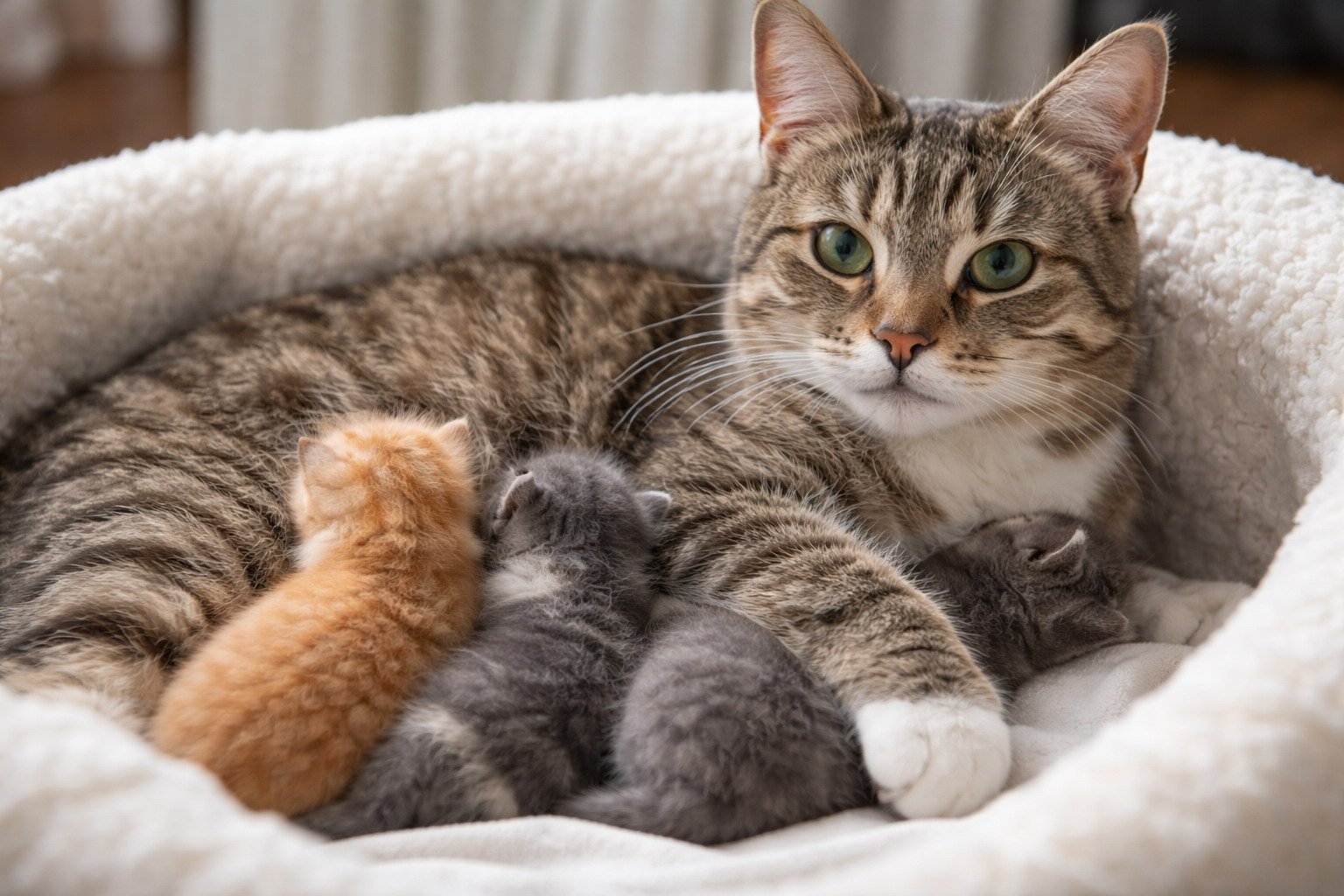
How soon can cat be spayed after having kittens is one of the most important questions new cat owners ask after a successful delivery. The answer is not just about convenience—it directly affects the mother cat’s health, her ability to care for her kittens, and the prevention of another unplanned pregnancy.
Female cats are biologically capable of becoming pregnant again very quickly after giving birth, sometimes within a few weeks. This makes proper timing for spaying critical. Spaying too early may stress a recovering body, while waiting too long increases health and fertility risks. Veterinarians focus on finding the safest balance between recovery, nursing needs, and reproductive control.
This guide explains exactly how soon a cat can be spayed after having kittens, based on veterinary standards, physical recovery, and real-world care considerations. Every section is designed to help cat owners make informed, responsible decisions with confidence.
In This Article
Understanding a Mother Cat’s Body After Giving Birth
A cat’s body undergoes intense physical changes during pregnancy and delivery. Once kittens are born, the recovery process begins immediately, but full healing takes time.
Physical Recovery After Labor
After giving birth, a mother cat experiences:
- Uterine contraction and shrinking (uterine involution)
- Hormonal fluctuations related to milk production
- Increased calorie and fluid demands due to nursing
- Temporary weakening of abdominal muscles
The uterus does not return to its normal size overnight. Veterinary research shows uterine involution usually takes 2–4 weeks, depending on litter size and the cat’s overall health.
Hormonal Changes and Lactation
Lactation hormones remain elevated as long as kittens nurse. These hormones can:
- Increase blood flow to mammary tissue
- Make abdominal surgery slightly more complex
- Increase fluid demands during anesthesia
This does not automatically prevent spaying, but it does influence surgical timing and risk management.
Energy Demands of Nursing Kittens
Nursing cats burn two to three times more calories than usual. According to veterinary nutrition guidelines:
| Cat Condition | Average Daily Calorie Needs |
| Normal adult cat | 200–250 kcal |
| Nursing mother cat | 400–600 kcal |
Spaying requires short-term fasting and recovery, which must be planned carefully so kittens are not deprived of milk or warmth.
“A healthy recovery period ensures the mother can safely undergo surgery without compromising kitten care.” — Veterinary Surgical Guideline
How Soon Can Cat Be Spayed After Having Kittens According to Veterinarians
Veterinarians agree that there is no single universal date, but there are well-established medical guidelines.
Standard Veterinary Recommendations
Most vets recommend spaying between 4 to 8 weeks after giving birth, depending on the cat’s condition. This window allows:
- Adequate uterine recovery
- Stabilized hormone levels
- Reduced surgical complications
However, in controlled situations, spaying as early as 2–3 weeks postpartum may be considered safe under professional supervision.
Typical Waiting Periods Explained
| Timing After Birth | Veterinary Perspective |
| 1–2 weeks | Usually too early unless medically necessary |
| 3–4 weeks | Possible with experienced vet and healthy cat |
| 4–6 weeks | Most commonly recommended window |
| 6–8 weeks | Ideal if kittens are nearly weaned |
| 8+ weeks | Safe, but pregnancy risk increases |
Situations Where Timing May Differ
Earlier spaying may be recommended when:
- The cat is a stray or shelter intake
- There is high risk of repeat pregnancy
- Kittens are being fostered or bottle-fed
- The mother shows signs of uterine infection
Later spaying may be advised if:
- The cat had a difficult delivery
- There are post-birth complications
- The cat is underweight or malnourished
Important fact: Cats can return to heat as early as 2–3 weeks postpartum, even while nursing. This is why delaying spaying without isolation from males can lead to immediate re-pregnancy.
Can a Cat Be Spayed While Still Nursing Kittens?
One of the most common concerns related to how soon can cat be spayed after having kittens is whether nursing makes the procedure unsafe. The short answer is yes, a cat can be spayed while still nursing, but careful planning is essential.
Safety Considerations During Lactation
Spaying a lactating cat is a routine procedure for experienced veterinarians. Modern anesthesia protocols are designed to minimize risks, even for nursing mothers. Key safety factors include:
- Short-acting anesthetic agents that leave the body quickly
- Careful monitoring of hydration levels
- Adjusted surgical techniques to manage increased blood flow
While mammary glands are enlarged during lactation, this does not affect the ovaries or uterus directly. The primary consideration is ensuring the cat remains stable and stress-free.
Effects of Anesthesia on Milk Production
A common myth suggests anesthesia permanently harms milk supply. In reality:
- Most anesthetics used today exit the bloodstream within 24 hours
- Milk production typically resumes normally within 12–24 hours
- Kittens can safely nurse once the mother is fully awake and alert
Veterinarians often recommend separating kittens for 12–24 hours post-surgery as a precaution, especially if pain medication is used.
Managing Kittens During Temporary Separation
When a nursing cat is spayed, kittens must be kept warm and fed if separation is required. Owners should prepare:
- A heating pad or warm nesting area
- Supplemental kitten formula if needed
- Frequent monitoring for hunger or distress
“Temporary separation is usually short and does not interfere with long-term bonding or nursing success.” — Small Animal Surgical Care Manual
How Soon Can Cat Be Spayed After Having Kittens Without Health Risks
Timing directly impacts surgical safety. Understanding when a cat is physically ready helps reduce complications and ensures smooth recovery.
Risks of Spaying Too Early
Spaying a cat too soon after giving birth can increase the likelihood of:
- Excessive bleeding due to increased uterine blood supply
- Slower wound healing
- Higher stress levels affecting milk production
Cats that have not completed basic postpartum recovery may also experience more discomfort during recovery.
Signs a Cat Is Physically Ready for Surgery
Veterinarians assess several indicators before approving surgery:
- Normal appetite and hydration
- Stable body weight or healthy weight gain
- No vaginal discharge or signs of infection
- Calm behavior and normal movement
A basic blood test may be recommended to rule out anemia or infection, especially if the litter was large.
Common Postpartum Health Concerns to Rule Out
Before spaying, vets check for:
| Condition | Why It Matters |
| Metritis (uterine infection) | Increases surgical risk |
| Mastitis | May worsen stress and pain |
| Retained placenta | Can cause infection |
| Severe weight loss | Delays healing |
Spaying is safest once these risks are eliminated, which typically occurs between 4–6 weeks postpartum in healthy cats.
Benefits of Spaying a Cat Soon After Having Kittens
Choosing not to delay spaying provides both immediate and long-term advantages for the cat and the owner.
Preventing Back-to-Back Pregnancies
Cats are induced ovulators and can return to heat rapidly. Spaying soon after kittens are born:
- Eliminates the risk of immediate re-pregnancy
- Prevents exhaustion caused by consecutive litters
- Reduces population strain and unwanted kittens
Reducing Serious Health Risks
Early spaying after recovery significantly lowers the chances of:
- Pyometra, a life-threatening uterine infection
- Mammary tumors (risk reduced by up to 90% when spayed early)
- Hormonal disorders linked to repeated heat cycles
Behavioral and Lifestyle Advantages
Spayed cats often show:
- Reduced vocalization and restlessness
- Less aggression related to hormonal cycling
- Improved focus on caring for kittens without mating stress
“Spaying at the right time protects both maternal health and future quality of life.” — Feline Preventive Medicine Journal
How Soon Can Cat Be Spayed After Having Kittens to Prevent Another Pregnancy
Preventing an immediate second pregnancy is one of the most urgent reasons cat owners research how soon can cat be spayed after having kittens. Many are surprised by how quickly fertility can return.
How Quickly Cats Return to Heat After Birth
Female cats are seasonally polyestrous and highly fertile. After giving birth:
- Heat cycles may resume in as little as 2–3 weeks
- Nursing does not reliably suppress ovulation
- Exposure to male cats can trigger ovulation almost immediately
This means a mother cat can become pregnant before her kittens are even weaned, which places severe strain on her body.
Fertility Risks During Nursing
Contrary to popular belief, lactation is not a dependable form of birth control in cats. Studies show:
- Over 30% of nursing cats may enter estrus within the first month postpartum
- Ovulation can occur even without visible signs of heat
- Pregnancy during lactation increases risks of low birth weight and maternal depletion
Practical Prevention Measures Before Spaying
Until spaying is performed, strict management is essential:
- Keep the mother cat indoors at all times
- Separate from intact male cats completely
- Monitor behavior for early heat signs such as vocalizing or restlessness
Spaying between 4–6 weeks postpartum offers the best balance between safety and pregnancy prevention.
Factors That Affect How Soon a Cat Can Be Spayed After Having Kittens
No two cats recover exactly the same way. Several factors influence how soon surgery can be safely performed.
Litter Size and Delivery Complications
Cats that give birth to large litters often require longer recovery due to:
- Greater uterine stretching
- Higher blood loss during delivery
- Increased nutritional demands
Complicated deliveries, such as prolonged labor or assisted births, may delay spaying recommendations.
Age, Weight, and Overall Health
Veterinarians evaluate the cat’s baseline condition carefully:
| Factor | Impact on Spay Timing |
| Age under 1 year | Often faster recovery |
| Age over 6 years | May need longer monitoring |
| Underweight | Surgery delayed until weight improves |
| Healthy weight | Ideal candidate for early spay |
Young, healthy cats often qualify for spaying closer to the 4-week mark, while older or frail cats benefit from waiting longer.
Nutritional Status and Recovery Speed
Adequate nutrition is non-negotiable during this period. Nursing cats should receive:
- High-protein, calorie-dense food
- Unlimited access to clean water
- Multiple meals per day
Poor nutrition delays healing and increases anesthesia risks, making surgery unsafe.
Preparing Your Cat for Spaying After Having Kittens
Proper preparation reduces stress, complications, and recovery time.
Pre-Surgery Veterinary Checks
Before scheduling surgery, veterinarians typically perform:
- Physical examination
- Weight assessment
- Temperature and hydration check
- Bloodwork if postpartum complications are suspected
These checks confirm that the cat is stable and ready for anesthesia.
Feeding and Nursing Adjustments
Preparation includes temporary changes to routine:
- Food is usually withheld 8–10 hours before surgery
- Water may be allowed until the morning of the procedure
- Kittens should nurse fully before separation
Owners may need kitten formula on hand in case nursing is paused briefly.
What Owners Should Do Before the Procedure
Helpful preparation steps include:
- Creating a quiet recovery space
- Gathering clean bedding and litter
- Planning kitten care during surgery day
“Preparation is the difference between a stressful experience and a smooth recovery.” — Companion Animal Care Handbook
Post-Spay Care for a Mother Cat With Kittens
Proper aftercare plays a major role in recovery and helps protect both the mother and her kittens after surgery. Once how soon can cat be spayed after having kittens is carefully planned, attention shifts to healing and comfort.
Recovery Timeline After Surgery
Most mother cats recover quickly when spayed at the appropriate time. Typical recovery milestones include:
- First 12–24 hours: Grogginess and reduced appetite are normal
- Days 2–3: Energy levels improve, nursing resumes normally
- Days 7–10: Incision begins to heal completely
- Days 10–14: Full surgical recovery in most healthy cats
Limiting jumping and rough movement during the first week helps prevent incision strain.
Monitoring the Incision and Behavior
Daily checks are essential. Owners should watch for:
- Redness, swelling, or discharge at the incision site
- Excessive licking or chewing of stitches
- Lethargy lasting longer than 48 hours
- Fever or refusal to eat
An e-collar may be necessary if the cat attempts to lick the incision excessively.
Helping Kittens Adjust During Recovery
During the initial recovery phase:
- Ensure kittens have continuous warmth
- Allow supervised nursing once the mother is fully alert
- Handle kittens minimally to reduce stress
Most mother cats resume normal maternal behavior within a day. If kittens were temporarily bottle-fed, gradual return to nursing is usually seamless.
Frequently Asked Questions About How Soon Can Cat Be Spayed After Having Kittens
Clear answers help owners feel confident and avoid common mistakes related to how soon can cat be spayed after having kittens.
Can a cat get pregnant again while still nursing?
Yes. Nursing does not reliably prevent heat cycles. Cats can return to estrus as early as 2–3 weeks after giving birth, making early spaying or strict separation essential.
Is it safer to wait until kittens are fully weaned?
Waiting until kittens are fully weaned (around 8 weeks) is safe for many cats, but it increases the risk of another pregnancy if the cat is exposed to males. Many veterinarians recommend spaying between 4–6 weeks postpartum as a safer balance.
Will spaying affect my cat’s ability to care for her kittens?
Spaying does not remove maternal instincts. Most cats continue to nurse, groom, and protect their kittens normally once anesthesia has fully worn off.
What is the safest overall timing?
Based on veterinary consensus:
| Scenario | Recommended Timing |
| Healthy nursing cat | 4–6 weeks after birth |
| High pregnancy risk | As early as 3–4 weeks |
| Complicated delivery | After full recovery, often 6–8 weeks |
When should a veterinarian be contacted immediately?
Immediate veterinary care is needed if the cat shows:
- Signs of infection or fever
- Persistent vomiting or refusal to eat
- Separation from kittens longer than 24 hours
For additional guidance on feline spaying and postpartum care, consult trusted veterinary resources such as the American Veterinary Medical Association (AVMA), which provides evidence-based recommendations on spaying and reproductive health:
https://www.avma.org/resources-tools/pet-owners/petcare/spaying-and-neutering