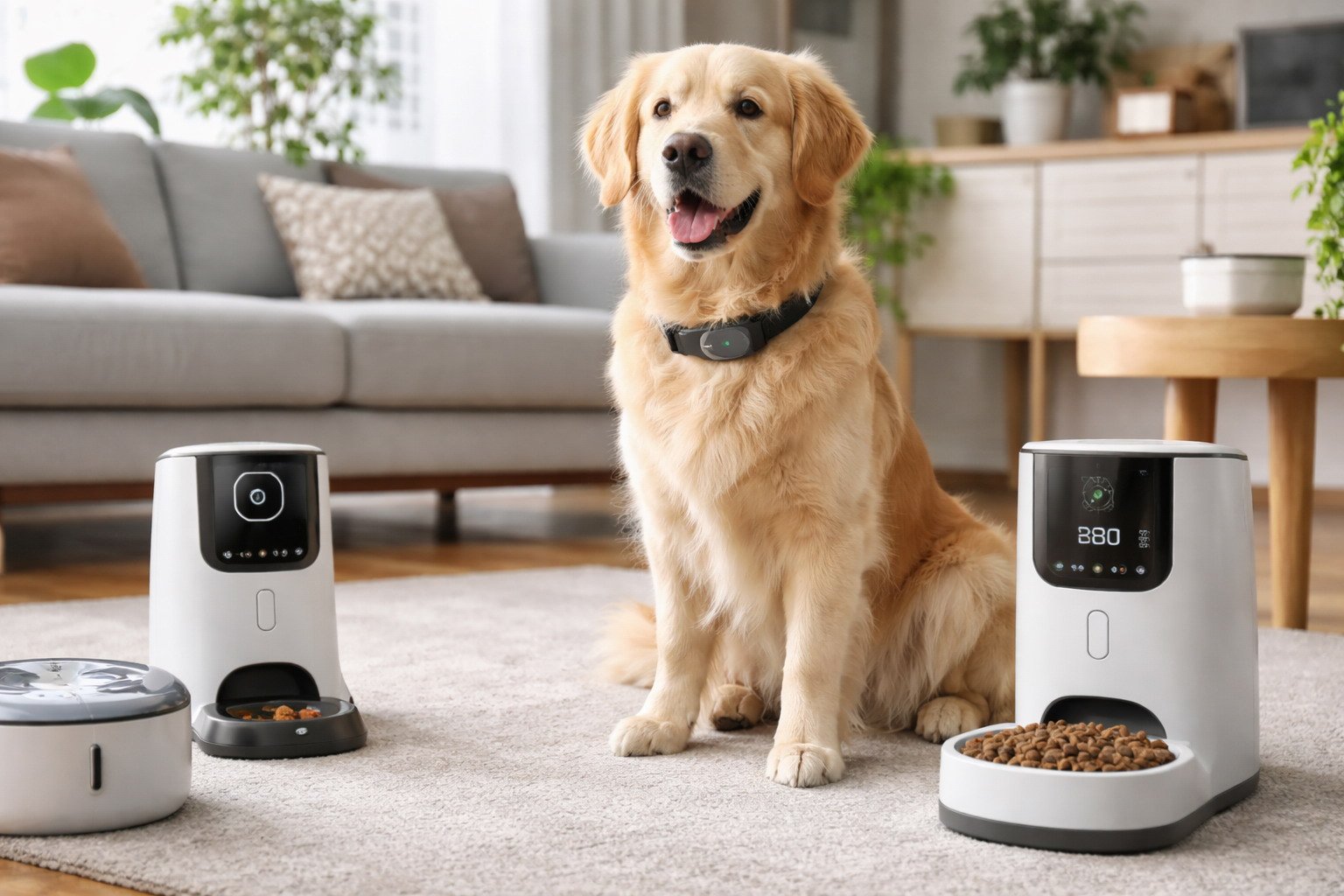
Smart Pet Technology Trends in 2026 are redefining how people care for their pets, moving beyond convenience into predictive health, intelligent nutrition, and real-time safety. Pet parents are no longer reacting to problems; they’re preventing them using data-driven insights powered by AI, sensors, and cloud connectivity.
The global smart pet technology market is projected to surpass USD 10 billion by 2026, driven by rising pet humanization, urban living, and demand for remote monitoring. Wearables, smart feeders, and AI-powered cameras are becoming everyday tools rather than luxury gadgets.
“Technology allows pet owners to see what was previously invisible—stress, early illness, and subtle behavior changes.”
— Veterinary Technology Review, 2025
What sets Smart Pet Technology Trends in 2026 apart is the shift toward personalization, automation, and integration. Devices now communicate with each other, adapt to individual pets, and support veterinarians with accurate, continuous data.
In This Article
AI-Powered Health Monitoring in Smart Pet Technology Trends in 2026
AI-driven health monitoring stands at the core of Smart Pet Technology Trends in 2026, transforming how pet health issues are detected and managed. Wearable devices have evolved into miniature health labs, capturing thousands of data points every day.
What Modern Smart Pet Wearables Track
- Heart rate variability
- Respiratory patterns
- Sleep quality and duration
- Activity intensity and recovery time
- Stress and anxiety indicators
Unlike earlier trackers, 2026 devices rely on machine learning models trained on millions of pet health records. These models identify deviations from a pet’s normal baseline, not just generic averages.
How AI Prevents Health Emergencies
AI systems analyze trends over time rather than isolated readings. Subtle changes—such as reduced nighttime movement or altered breathing patterns—often appear days or weeks before visible symptoms.
Real-world impact of AI pet monitoring:
| Health Issue | Early Detection Benefit |
| Heart disease | Alerts before clinical symptoms |
| Obesity | Calorie and activity imbalance warnings |
| Arthritis | Gait and mobility pattern changes |
| Anxiety disorders | Stress spike detection |
Veterinary clinics increasingly accept data from smart devices, enabling remote diagnostics and faster treatment decisions. Tele-vet platforms now integrate directly with wearable dashboards, closing the gap between home monitoring and professional care.
Smart Feeding Systems Transforming Pet Nutrition
Nutrition has become one of the fastest-growing segments within Smart Pet Technology Trends in 2026. Smart feeding systems now deliver precision nutrition, replacing guesswork with measurable results.
Key Features of Smart Feeding Technology
- Automated portion control based on weight and activity
- AI-adjusted feeding schedules
- Multi-pet identification using RFID or facial recognition
- Ingredient tracking and allergy alerts
Smart feeders don’t just dispense food; they learn. Systems adapt portions automatically after changes in activity levels, age, or veterinary recommendations.
Data-Driven Nutrition in Action
Consider a medium-sized dog wearing an activity tracker:
- Daily movement drops by 20%
- Smart feeder adjusts calorie intake automatically
- App notifies owner with explanation and recommendation
This closed-loop system reduces obesity risk, which currently affects over 55% of dogs and cats globally.
Smart Hydration Monitoring
Hydration tech has also matured in 2026. Smart water fountains:
- Measure daily water intake
- Detect unusual drinking behavior
- Send dehydration or kidney-risk alerts
These insights are especially valuable for cats, where low water intake links directly to urinary and kidney disease.
Benefits of smart feeding systems include:
- Improved weight management
- Reduced food waste
- Consistent feeding routines
- Better long-term health outcomes
Advanced GPS and Safety Tracking Devices
Safety remains a major focus within Smart Pet Technology Trends in 2026, and GPS tracking has advanced far beyond simple location pins. Modern smart collars now combine satellite positioning, cellular networks, and AI-based movement analysis to deliver near-instant accuracy.
What Makes 2026 GPS Pet Trackers Smarter
- Real-time tracking with updates every 2–5 seconds
- Virtual boundaries using geofencing technology
- Escape and unusual movement alerts
- Integrated temperature and activity sensors
Battery performance has improved dramatically. Many premium GPS trackers now last up to 30 days on a single charge, using adaptive power-saving modes that activate only when movement is detected.
Real-World Safety Use Case
A common scenario involves dogs escaping during storms or fireworks:
- Collar detects rapid, erratic movement
- Owner receives immediate alert via mobile app
- Live tracking guides recovery within minutes
GPS + Health Data Integration
Location tracking no longer works in isolation. Combined data provides deeper insights:
| Feature | Practical Benefit |
| GPS movement maps | Detect roaming or anxiety-driven pacing |
| Temperature alerts | Prevent heatstroke during walks |
| Speed analysis | Identify limping or mobility issues |
These upgrades reflect how Smart Pet Technology Trends in 2026 prioritize both safety and wellness rather than basic tracking alone.
Smart Pet Cameras and Interactive Monitoring Tools
Smart cameras represent one of the most emotionally engaging Smart Pet Technology Trends in 2026, allowing owners to stay connected with pets anytime, anywhere. Unlike earlier models, today’s cameras rely on computer vision and behavioral AI.
Core Features of Smart Pet Cameras in 2026
- Two-way HD video and audio communication
- Motion and sound detection with smart alerts
- Treat dispensing controlled via mobile apps
- Night vision with AI-enhanced clarity
AI recognition systems can now distinguish between:
- Normal play behavior
- Destructive chewing
- Excessive barking or meowing
- Signs of distress or separation anxiety
Behavioral Insights Through AI
Smart cameras analyze patterns rather than isolated moments. When a pet shows repeated stress behaviors, the system provides:
- Time-stamped video clips
- Behavior summaries
- Suggested interventions
“Understanding pet behavior remotely has reduced anxiety-related issues by over 30% in monitored households.”
— Pet Behavior Technology Report, 2026
Interactive Engagement While Away
Owners can interact with pets using voice commands or scheduled treat releases, reinforcing positive behavior even when away from home. This feature has proven particularly effective for:
- Puppies in training
- Indoor cats needing stimulation
- Pets prone to separation anxiety
Home Automation Integration for Smarter Pet Care
Integration with smart homes has become a defining element of Smart Pet Technology Trends in 2026. Pet devices now operate within connected ecosystems rather than as standalone products.
How Smart Pet Tech Connects to the Home
- Climate control adjusts based on pet presence
- Smart doors unlock for registered pets only
- Lights and sound systems follow pet routines
- Voice assistants manage feeding and play schedules
Automated Daily Routines
Connected systems allow owners to create personalized routines:
- Morning feeding synced with alarm clocks
- Temperature lowered during peak nap hours
- Soft lighting activated at night for senior pets
Efficiency and Comfort Benefits
Smart automation improves both pet comfort and household efficiency:
| Automation Feature | Result |
| Climate syncing | Reduced heat and cold stress |
| Scheduled lighting | Improved sleep cycles |
| Smart doors | Enhanced security and freedom |
This seamless integration reflects the future direction of Smart Pet Technology Trends in 2026, where technology quietly supports pets without constant manual input.
Smart Pet Technology Trends in 2026 for Behavioral Training
Behavioral development has taken a major leap forward within Smart Pet Technology Trends in 2026, thanks to data-backed training tools that replace guesswork with measurable progress. Training is no longer limited to short sessions; it happens continuously through smart devices that observe and respond in real time.
How Smart Training Technology Works
Modern training systems combine:
- Smart collars with vibration and sound cues
- AI-powered mobile apps
- Behavior recognition algorithms
Rather than punishment-based correction, these tools emphasize positive reinforcement. AI analyzes patterns such as barking frequency, pulling intensity, or restlessness, then recommends tailored interventions.
Personalized Training Plans
Every pet learns differently. Smart training platforms build custom programs using:
- Breed-specific behavior data
- Age and energy level
- Past training responses
Example of AI-guided training adaptation:
- Excessive barking detected during specific hours
- App identifies boredom or anxiety triggers
- Suggested schedule includes enrichment toys and timed feedback
Benefits of Smart Behavioral Training
- Faster learning outcomes
- Reduced stress for pets
- Clear progress tracking for owners
- Consistent reinforcement even when owners are away
These innovations show how Smart Pet Technology Trends in 2026 support long-term behavioral wellness rather than short-term fixes.
Sustainability and Eco-Friendly Smart Pet Devices
Sustainability has become a defining value across Smart Pet Technology Trends in 2026, as pet owners demand products that protect both animals and the planet. Manufacturers now prioritize energy efficiency, durability, and responsible materials.
Eco-Focused Design Improvements
- Low-energy Bluetooth and Wi-Fi modules
- Solar-assisted GPS collars
- Recyclable and biodegradable components
- Modular designs for easy repair
Many smart pet devices now last 3–5 years, significantly reducing electronic waste compared to earlier generations.
Environmental Impact at a Glance
| Sustainable Feature | Environmental Benefit |
| Energy-efficient sensors | Lower electricity use |
| Rechargeable batteries | Reduced battery waste |
| Recyclable casings | Less landfill impact |
| Long product lifespan | Fewer replacements |
Why Sustainability Matters in Pet Tech
Pet ownership already carries an environmental footprint through food production, packaging, and transportation. Sustainable technology helps offset this impact while maintaining performance and reliability.
“Eco-conscious design is no longer optional in pet technology—it’s an expectation.”
— Global Pet Sustainability Council, 2026
Data Security and Privacy in Smart Pet Technology Trends in 2026
As connectivity grows, data protection has become a critical focus within Smart Pet Technology Trends in 2026. Smart pet devices collect sensitive information, including location, behavior patterns, and home routines.
What Data Smart Pet Devices Collect
- GPS location history
- Health and activity metrics
- Feeding schedules
- Audio and video recordings
To address privacy concerns, leading manufacturers now implement end-to-end encryption and secure cloud storage compliant with international data protection standards.
Key Privacy Safeguards in 2026
- Encrypted data transmission
- User-controlled data sharing permissions
- Two-factor authentication for apps
- Regular firmware security updates
Owner Control and Transparency
Modern platforms give pet owners full visibility into:
- What data is collected
- How long it is stored
- Who can access it
Clear privacy dashboards and opt-out features reflect a broader industry commitment to ethical innovation. This emphasis ensures Smart Pet Technology Trends in 2026 build trust alongside technological advancement.
Future Outlook: What’s Next Beyond Smart Pet Technology Trends in 2026
The future beyond Smart Pet Technology Trends in 2026 points toward a more intuitive, preventative, and emotionally intelligent pet care ecosystem. Technology is no longer reacting to problems; it is actively anticipating needs and supporting better decisions for pet owners and veterinarians alike.
Emerging Innovations on the Horizon
Several developments already entering late-stage testing are expected to shape the next phase of smart pet care:
- Predictive disease modeling using long-term biometric data
- Emotion-aware AI capable of identifying fear, excitement, or depression
- Digital pet health passports shared seamlessly between vets, shelters, and owners
- Non-invasive biometric sensors embedded into collars and bedding
These tools aim to extend pet lifespans while improving quality of life rather than simply tracking activity.
The Shift Toward Preventive Pet Care
One of the most powerful outcomes of Smart Pet Technology Trends in 2026 is the industry-wide move from reactive treatment to prevention.
Key long-term benefits include:
- Reduced emergency vet visits
- Earlier disease detection
- Lower lifetime healthcare costs
- Stronger pet–owner bonds
Veterinarians increasingly rely on smart pet data to support clinical decisions, while owners gain confidence through clear, actionable insights rather than raw numbers.
How Smart Technology Will Redefine Pet Ownership
Pet ownership is evolving into a data-informed partnership. Technology enhances—not replaces—human care by giving owners the tools to understand pets more deeply.
| Long-Term Impact | Result |
| Continuous monitoring | Fewer hidden health issues |
| AI-driven insights | Smarter daily care decisions |
| Seamless vet integration | Faster, more accurate treatment |
| Automation | More consistent routines |
“Smart pet technology is changing how we listen to animals—by translating behavior and biology into meaningful signals.”
— International Veterinary Informatics Association
Final Thoughts
Smart Pet Technology Trends in 2026 mark a pivotal moment where innovation, ethics, and emotional care converge. From AI health monitoring to sustainable design and privacy-first platforms, smart pet technology is becoming an essential part of responsible pet ownership.
For deeper insights into veterinary-backed pet technology standards and innovations, explore guidance from the American Veterinary Medical Association (AVMA), a trusted authority on animal health and technology integration: https://www.avma.org