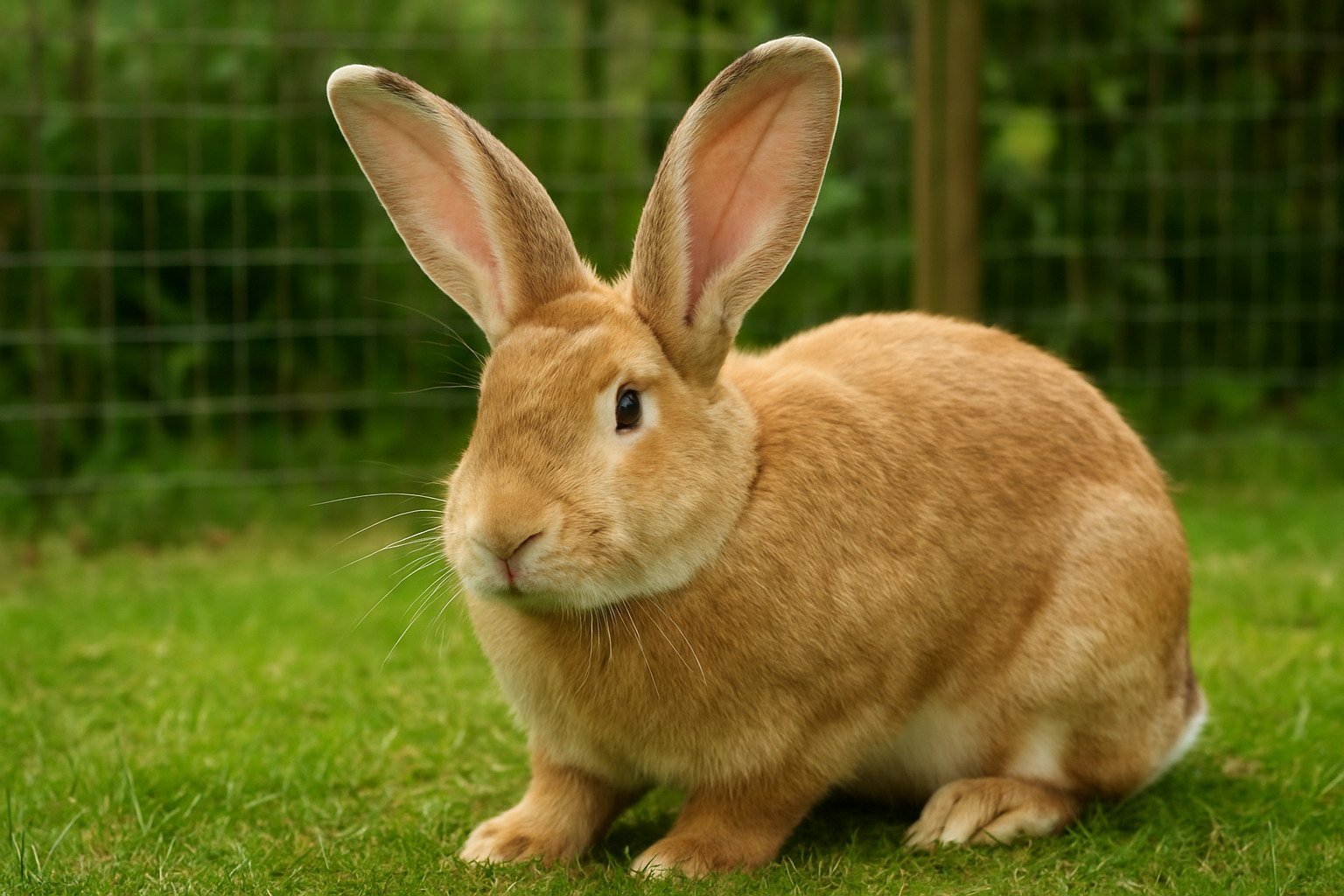
Finding out where to buy a Flemish Giant Rabbit is often the first serious step for future owners of this impressive and gentle giant. Whether seeking a companion, show rabbit, or breeding stock, making the right purchasing decision is essential. These rabbits can weigh up to 15–22 lbs (6.8–10 kg) and live 8–10 years, so knowing where to source a healthy and ethically bred rabbit can make all the difference for long-term care.
In This Article
Where to Buy a Flemish Giant Rabbit
The Flemish Giant Rabbit holds a special reputation as one of the world’s largest and calmest rabbit breeds. Known for their docile temperament, massive size, and suitable nature as family pets, these rabbits are in high demand. The question many potential owners ask is: Where to buy a Flemish Giant Rabbit safely and responsibly?
Purchasing from just any source can lead to health issues, genetic defects, behavioral problems, or even unethical breeding support. So, it’s essential to research breeders, adoption centers, online marketplaces, and local farms that specialize in this breed.
💬 “A well-bred Flemish Giant is not just a pet. It’s a long-term commitment to responsible ownership, space management, and proper care,” says an experienced rabbit breeder from the American Rabbit Breeders Association (ARBA).
Quick Facts About Flemish Giant Rabbits
| Feature | Details |
| Average Weight | 15–22 lbs (6.8–10 kg) |
| Lifespan | 8–10 years |
| Ideal Buyer | Experienced pet owners |
| Legal Restrictions | Some U.S. states and EU countries require rabbit welfare checks |
| Best Purchase Age | 10–12 weeks old |
| Average Cost | $150 to $500 (show quality can exceed $1,000) |
What to Look for Before Deciding Where to Buy a Flemish Giant Rabbit
Before even researching where to buy a Flemish Giant Rabbit, it’s important to assess your capability to care for one. This breed is not ideal for small apartments or tight spaces.
Consider These Factors
- Space Requirements: They need extra-large enclosures or secure free-roam areas.
- Dietary Needs: Higher feed volume than typical rabbits; expect monthly food bills of $30–$60.
- Veterinary Care: Find a vet specializing in giant rabbit breeds.
- Handling & Personality: Generally calm but can feel stressed if under-stimulated.
- Legal Requirements: Some areas require livestock licensing.
Tip: Always ensure your home temperature stays between 55–70°F (13–21°C), as Flemish Giants are prone to overheating.
Checklist Before Buying
| Ready to Buy? | Yes/No |
| Do you have at least 10–15 sq ft of space per rabbit? | |
| Can you afford annual care costs ($400–$800)? | |
| Have you researched breeders or adoption sources? | |
| Do you understand grooming and nail trimming needs? | |
| Is rabbit ownership legally allowed in your city? |
Where to Buy a Flemish Giant Rabbit from Reputable Breeders
Choosing a reputable breeder is the most recommended way when deciding where to buy a Flemish Giant Rabbit. Ethical breeders focus on health, temperament, size, and breed conformation, often providing documentation and long-term support.
How to Find Trustworthy Breeders
- Search through ARBA-registered breeders
- Check membership with National Federation of Flemish Giant Rabbit Breeders
- Ask for health certificates and lineage/pedigree documentation
- Prefer breeders who allow rabbit viewing in person
Questions to Ask the Breeder
- Do you provide a health guarantee or vet certificate?
- Can I see the rabbit’s parents?
- How long do you keep kits before selling?
- What diet do you recommend post-purchase?
Red Flags to Watch Out For
🚫 Breeders who sell under 8 weeks old
🚫 No vet checks or health records
🚫 Refusal to let you visit the rabbitry
🚫 Mass listings on classified sites at low prices ($50 or less)
Mini Case Study
Case Study:
Mia, a rabbit enthusiast from Texas, purchased her first Flemish Giant from a cheap online listing. Within just two weeks, the rabbit developed respiratory issues and passed away. She later discovered the seller sourced animals from an overcrowded rabbit mill without medical screening. Her second purchase from a certified ARBA breeder resulted in a healthy rabbit that lived over 9 years.
Where to Buy a Flemish Giant Rabbit Online
Buying a Flemish Giant Rabbit online can be a convenient option, especially if local availability is limited. However, it requires careful evaluation to avoid scams or unhealthy animals. When searching where to buy a Flemish Giant Rabbit online, prioritize breeders with transparent practices, verifiable contacts, and safe transport systems.
Trusted Online Options
- Certified breeder websites
- Rabbit breeder directories
- ARBA breeder listings
- Specialized platforms like Hoobly, RabbitBreeders.us, and trusted farm websites
Only purchase when the seller provides health records, clear images/videos, and offers post-purchase support.
Pros and Cons of Buying Online
| Advantages | Disadvantages & Risks |
| Access to nationwide breeders | Transport stress |
| Easier price comparisons | Difficult to assess living conditions |
| Availability of rare colors/bloodlines | Higher shipping costs ($200–$400) |
| Can reserve before litters are ready | Scam or unethical breeders possible |
Tips for Buying Online Safely
- Request a live video call with the breeder and observe the rabbit’s condition.
- Ask for photos of parents and living environment.
- Pay via safe channels (PayPal Goods & Services or secure deposit systems).
- Ensure pet-approved air freight or professional livestock courier is used.
💡 For transportation, request that breeders use climate-controlled crates with enough space and hay bedding to ensure safety during travel.
Buying a Flemish Giant Rabbit from Local Farms or Rabbitry
Local farms and rabbitries can be excellent sources when considering where to buy a Flemish Giant Rabbit, especially if you prefer to see the animal before purchase. Visiting in person offers the advantage of observing the rabbit’s health and checking the breeder’s practices directly.
Different Types of Setups
| Type | Characteristics | Best For |
| Hobby Breeders | Small-scale, passion-driven | Pets or show |
| Commercial Rabbitries | High production rate | Meat or basic pet quality |
| Specialty Breeders | Focus on specific breeds | High-quality show or breeding |
What to Check When Visiting
- Cleanliness of cages and overall facility
- Adequate space and ventilation
- Access to fresh food/water
- Rabbits’ interaction with humans (they shouldn’t appear stressed or aggressive)
Healthy Flemish Giants should have bright eyes, smooth fur, wide back legs, and weigh at least 8 lbs (3.6 kg) by 12 weeks.
Case Study
Case Study:
Daniel visited a small farm in Ohio advertising Flemish Giants. Although the rabbits appeared healthy, he noticed urine buildup under cages and limited space. After asking questions, he discovered the farm also bred for meat and didn’t use selective pairing for temperament. He decided to purchase from a smaller breeder 50 miles away, where rabbits were raised indoors with controlled conditions and regular vet checks. His rabbit thrived and earned a junior show award at just 11 months old.
Where to Buy a Flemish Giant Rabbit Through Rabbit Shows and Expos
Attending rabbit shows and expos is one of the best ways to locate reputable breeders and see many rabbits in person. When exploring where to buy a Flemish Giant Rabbit, shows offer the opportunity to meet competitive breeders, compare physical traits, and even reserve future litters.
Advantages of Buying from Shows
- Ability to inspect the rabbit’s size, coat, and temperament firsthand
- Access to award-winning bloodlines
- Networking with expert breeders
- Opportunity to learn about breed standards
Top Rabbit Event Sources
- ARBA National Convention
- Local 4-H Rabbit Shows
- County/State Fairs with Rabbit Competitions
- Regional breeder meetups and district shows
Contact your nearest ARBA-affiliated club to inquire about upcoming Flemish Giant events.
Tips for Purchasing at a Show
- Pre-register interest—you may need to reserve ahead of the event
- Ensure breeder provides a temporary transport carrier
- Request performance records if buying a show-quality rabbit
- Ask about grooming standards and diet regimen used for competition preparation
Sample Interaction Script
“Hello, I’m here looking for where to buy a Flemish Giant Rabbit for breeding/show purposes. I’m especially interested in temperament and size. Do you have available stock or upcoming litters I could reserve?”
Adoption: Where to Adopt a Flemish Giant Rabbit Instead of Buying
Adoption is an often-overlooked yet meaningful option when considering where to buy a Flemish Giant Rabbit. Many people focus solely on breeders, but rescues and shelters sometimes take in Flemish Giants due to owners being unprepared for their size and care needs.
Choosing adoption not only gives a rabbit a second chance but may also provide a lower-cost and more ethically supportive option.
Where to Find Flemish Giant Rabbits for Adoption
- Rabbit rescues specializing in giant breeds
- Local animal shelters
- House Rabbit Society (HRS) chapters
- Social media networks or Flemish Giant owner groups
- Veterinary clinics and rabbit welfare organizations
Benefits of Adoption
| Pros | Details |
| Lower cost | $50–$150 instead of $200–$1000 from breeders |
| Rabbits often spayed/neutered | Saves ~$200–$350 |
| Temperament often known | Some have history notes |
| Ethical choice | Helps reduce shelter overpopulation |
“Most giant rabbits end up in rescues due to size miscalculations, not behavioral issues,” says a volunteer at the House Rabbit Society.
Adoption Process Checklist
- Fill application and pass basic home suitability check
- Provide safe housing details
- Pay adoption fee
- Meet the rabbit (virtually or in person)
- Complete post-adoption vet care
💡 Adopted Flemish Giants are often over 1 year old, meaning their full size is known—ideal for those unsure about space.
International Buying Options for Flemish Giant Rabbit
When local options are limited, buyers may seek where to buy a Flemish Giant Rabbit internationally, especially for rare colors or champion bloodlines. Importing rabbits requires planning, permits, and professionally managed transport.
Common Exporting Countries
| Country | Reason |
| Netherlands | Original breed development |
| Belgium | Strong historical genetics |
| USA | Extensive ARBA show lines |
| UK & Germany | Specialization in size and coat colors |
Things to Know Before Importing
- Expect shipping costs from $500 to $1,500
- Most countries require Rabies-free certification, health examination, and import permit
- Rabbit must be minimum 4 months old for transportation
- Use IATA-approved pet carriers and temperature-controlled flights
Regulatory Tip
For U.S. imports, check USDA Animal and Plant Health Inspection Service (APHIS) guidelines. For EU, consult TRACES system for legal import requirements.
Risks of International Purchases
🚫 Travel stress or heat exposure
🚫 Communication barriers with sellers
🚫 Non-refundable deposits
🚫 Extended quarantine in some countries
If pursuing this route, it’s best to work with breeders experienced in international export and use licensed animal transport agencies.
Price Guide: How Much Does It Cost When You Buy a Flemish Giant Rabbit?
Understanding costs is essential before deciding where to buy a Flemish Giant Rabbit. Prices vary depending on age, bloodline, purpose (pet vs. show), location, and the seller’s reputation.
Typical Cost Breakdown
| Rabbit Type | Price Range |
| Standard Pet Rabbit | $150–$350 |
| Show/Breeding Quality | $400–$1,000 |
| Imported Champion Lineage | $1,200–$2,500 |
| Adoption (Rescue/Shelter) | $50–$150 |
Additional Expenses to Consider
| Expense | Estimated Cost |
| Travel or shipping | $150–$400 (domestic) |
| Vet health check before purchase | $50–$120 |
| Spaying/neutering (if not done) | $200–$350 |
| Initial enclosure | $150–$500 |
| Monthly food & care supplies | $30–$60/month |
Financial Insight
“On average, owning a Flemish Giant Rabbit costs between $1,200 and $2,500 annually, including food, housing, and veterinary bills,” according to an animal health research survey.
Cost-Saving Strategies
- Adopt from shelters instead of breeders
- Buy supplies in bulk
- Use local hay suppliers instead of packaged rabbit food only
- Join breeder groups for equipment exchange
What Documents and Certifications Should Come When You Buy a Flemish Giant Rabbit
When determining where to buy a Flemish Giant Rabbit, documentation plays a crucial role in ensuring you’re getting a healthy and authentic rabbit from reputable sources. A responsible breeder or seller should be willing to provide full transparency.
Essential Documents You Should Receive
| Document Type | Why It Matters |
| Veterinary health certificate | Confirms the rabbit is free from disease |
| Pedigree paperwork (if purebred) | Shows lineage and genetic history |
| Vaccination and deworming record | Essential for long-term health |
| Breeder contract | Clarifies replacement/refund policy |
| Feeding and care guide | Helps with transition into new home |
Breeders who can’t provide pedigree documentation for a “purebred” rabbit should be avoided, especially if charging premium prices.
Optional but Highly Recommended
- Show history & titles (for breeding/show rabbits)
- Microchip registration (if local regulations require it)
- Genetic testing for malocclusion, skeletal disorders
💡 If adopting from a rescue, you should still request vet records and temperament details.
Tips to Negotiate and Finalize Where to Buy a Flemish Giant Rabbit
Once you’ve identified where to buy a Flemish Giant Rabbit, it’s time to finalize the transaction. However, negotiation is more about value than lowering the price—focus on obtaining support, quality, and guarantees.
Smart Negotiation Tips
- Do your research first. Compare breeder reputations and prices.
- Ask for bundled discounts. Some breeders offer lower prices if you buy two rabbits.
- Request free follow-up consultation. Especially if new to owning giant rabbits.
- Ask to include starter feed or transport crate to ease the rabbit’s transition.
What to Finalize Before Payment
| Action | Should Be Confirmed By |
| Price and deposit | Written agreement |
| Pick-up or shipping date | Schedule confirmation |
| Refund/replacement policy | Contract |
| Age and health | Vet certificate |
| Registration transfer | Pedigree document |
📝 Always use written communication when confirming financial terms. Avoid cash payments without receipts.
Signs You Should Walk Away
🚫 Seller avoids questions
🚫 Poor housing conditions
🚫 No vet reference or certification
🚫 Extremely low prices (under $100 for young purebred)
Quote to Remember
“A cheap Flemish Giant bought under poor conditions may cost more in medical bills later. Invest in quality from the start.”
Preparing Your Home After Choosing Where to Buy a Flemish Giant Rabbit
Before you bring your new rabbit home, it’s vital to create an environment suited to their size and needs. Flemish Giants need extra space, strong flooring, and safe enrichment. Preparing in advance ensures a smooth transition from breeder or shelter to your home.
Pre-Purchase Home Preparation Checklist
| Requirement | Recommendation |
| Living area | Minimum 10–15 sq ft per rabbit |
| Flooring | Solid flooring, no wire mesh |
| Indoor temperature | 55–70°F (13–21°C) |
| Bedding | Dust-free straw or hay |
| Hideout box | Large enough for rabbit to stretch |
| Litter box | Large dog-sized boxes with paper bedding |
| Food & water | Heavy ceramic bowls or spill-proof bottles |
What to Do During the First Week
- Allow 24–48 hours of adjustment time before handling.
- Schedule a vet visit within first 7 days to confirm health.
- Stick to breeder’s diet plan initially to prevent digestion issues.
- Introduce enrichment slowly (tunnels, chew toys, safe free-roam time).
Case Example: Smooth Transition
Case Study:
Serena brought home a 14-week-old Flemish Giant from a breeder in Oregon. She prepared a 12 sq ft indoor space with non-slip flooring and a large dog crate. By using the same feed brand provided by the breeder and taking it to a rabbit-savvy vet on day three, the rabbit settled well and was litter-trained within two weeks.
Quick Starter Kit List
✔ Extra-large rabbit cage or secure pen
✔ Hay feeder & high-grade hay (timothy or orchard grass)
✔ Pellets for giant breeds
✔ Heavy water bowl
✔ Nail trimmer and rabbit grooming brush
✔ Bedding and litter box
✔ Chew-safe enrichment toys
Tips for Long-Term Care After Deciding Where to Buy a Flemish Giant Rabbit
After determining where to buy a Flemish Giant Rabbit, the real work begins—ensuring long-term wellbeing. These gentle giants need consistent care, spacious living areas, and high-quality nutrition to reach their full lifespan potential of 8–10 years. Establishing a routine from day one makes ownership manageable and fulfilling.
Long-Term Care Essentials
- Large exercise area – free-roam indoors or outdoor run with supervision
- Quality diet – 70% hay, 20% pellets (large-breed formula), 10% fresh vegetables
- Annual vet checks – especially for joint health, weight monitoring, and teeth
- Regular grooming – weekly brushing, nail trimming, ear cleaning
- Mental stimulation – tunnels, toys, safe chewing materials
“Giant rabbit breeds thrive when treated like family pets, not livestock,” states Dr. Caroline James, a rabbit welfare veterinarian.
Common Health Issues to Monitor
| Potential Issue | Signs | Prevention |
| Overweight/Obesity | Reduced mobility | Large exercise area, controlled feeding |
| Sore hocks (pododermatitis) | Redness on feet | Soft flooring, clean cage |
| Malocclusion | Drooling, loss of appetite | Hay-based diet, annual dental check |
| Heat stress | Panting, lethargy | Cool environment, shade |
Final Considerations Before You Buy a Flemish Giant Rabbit
Making a final decision on where to buy a Flemish Giant Rabbit is not just about the best deal—it’s about alignment with your lifestyle and ethical values. Always choose a healthy rabbit over a cheaper option and prioritize sources with strong health and welfare practices.
Final Decision Checklist
| Question | Yes/No |
| Is the breeder or rescue transparent and animal-focused? | |
| Can you provide long-term care and veterinary access? | |
| Have you verified rabbit’s health and pedigree (if applicable)? | |
| Is your living environment safe and spacious enough? | |
| Have you calculated full initial and ongoing costs? |
If any answer is “No,” it’s best to pause and reassess instead of proceeding with purchase.
Conclusion: Where to Buy a Flemish Giant Rabbit the Right Way
Buying a Flemish Giant Rabbit is a major responsibility and should never be done impulsively. The best sources include reputable ARBA-listed breeders, responsible farms, rabbit shows, and ethical rescue centers. Whether you choose to purchase locally, online, or internationally, ensure proper documentation, health clearance, and long-term care preparation before bringing your rabbit home. The decision should prioritize welfare, health, and compatibility over convenience.
“A good breeder or rescue won’t just sell you a rabbit—they’ll support you in becoming a knowledgeable and caring rabbit owner.”
For further guidance on rabbit welfare and adoption, you may refer to the House Rabbit Society website, a globally trusted resource for rabbit care advice.
FAQs About Where to Buy a Flemish Giant Rabbit
1. What is the best place to buy a Flemish Giant Rabbit for beginners?
A reputable breeder or adoption center experienced with Flemish Giants is ideal. Avoid pet stores as they often lack specialized knowledge.
2. Can I buy a Flemish Giant Rabbit from a pet shop?
Rarely recommended. Most pet shops do not provide sufficient background, health history, or breed quality assurance.
3. What should I verify before purchasing?
Health certificate, vaccination records, parents’ information, and age (preferably 10–12 weeks at time of sale).
4. Is adoption a good option?
Yes. Many Flemish Giants end up in rescues due to owners underestimating their care needs.
5. How much does a Flemish Giant Rabbit cost?
Expect to pay $150–$350 for a pet-quality rabbit and over $400 for show or breeding stock.
6. Can they be shipped safely?
Yes, using climate-controlled transport through licensed animal services, but domestic travel is safer when possible.
7. What is the ideal age to buy a Flemish Giant Rabbit?
At least 10 weeks old. Rabbits should not be separated from the mother before 8 weeks.
8. How do I know if the breeder is ethical?
They allow visits, show rabbit living conditions, provide documentation, and do not push quick sales.
9. Is international purchase worth it?
Only for high-quality breeding or show requirements. It’s costly and involves legal procedures.
10. Do Flemish Giants make good beginner pets?
Yes, provided the owner fully understands the space, diet, and veterinary requirements involved.