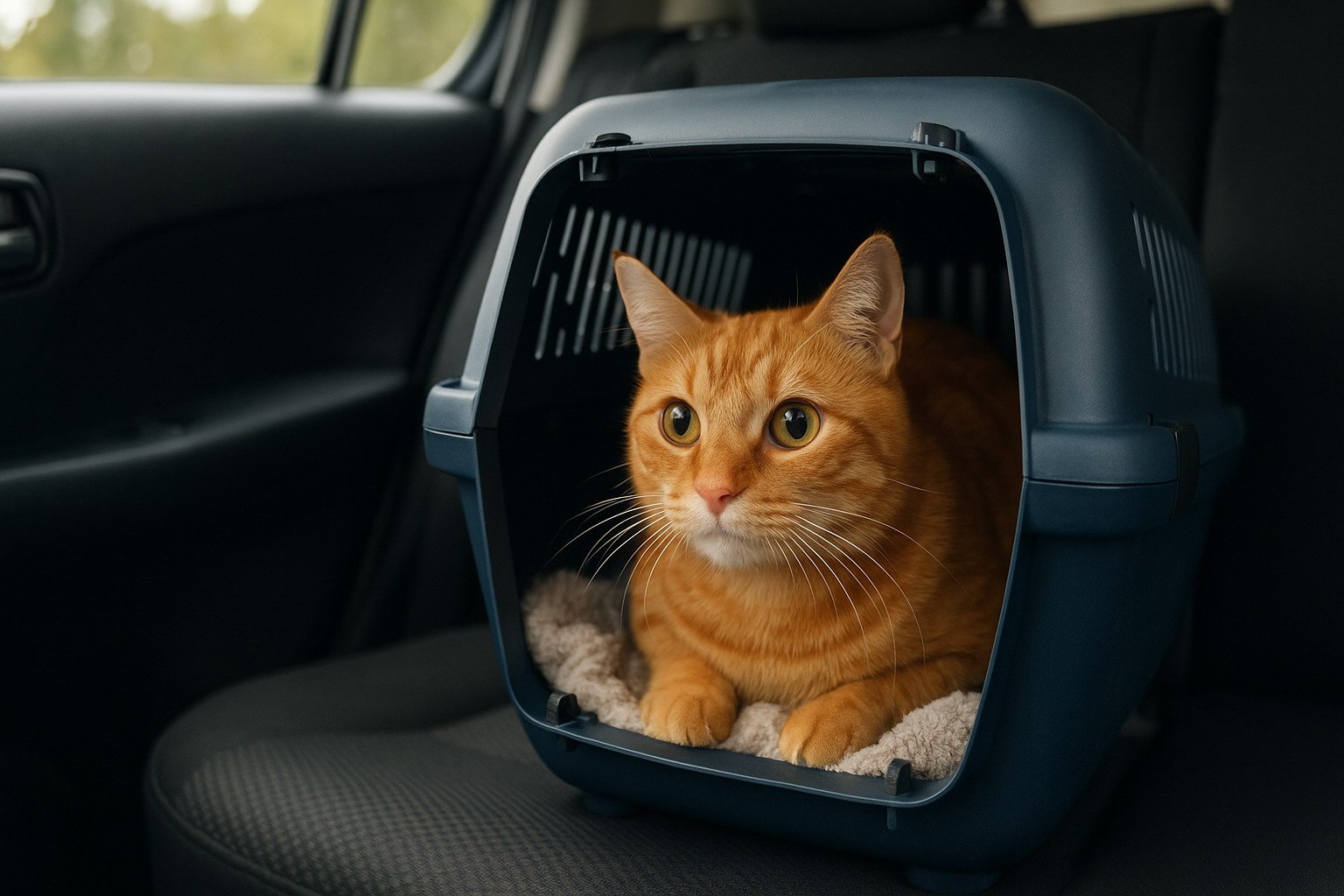
Relocating to a new home is challenging enough — add a feline companion to the journey, and it becomes a true test of patience and preparation. Understanding the best way to move cats across country ensures that both you and your furry friend arrive safely and comfortably. Cats are creatures of habit, and sudden changes in environment can cause anxiety or illness if not managed correctly. Whether you’re moving by car, plane, or using a pet transport service, this guide covers every detail to make the trip as smooth as possible.
In This Article
The Best Way to Move Cats Across Country
Before you pack up the moving boxes, it’s crucial to understand what makes moving cats long distances different from transporting dogs or other pets. Cats tend to bond strongly with their environment, not just their humans. This means new sounds, scents, and spaces can trigger fear or confusion.
The best way to move cats across country involves careful planning, gradual preparation, and the right travel setup. Here’s why:
- Cats dislike unpredictability. Unlike dogs, they prefer routine and stability.
- Their stress shows physically. Cats can stop eating or hide for days after a stressful move.
- Travel can impact health. Motion sickness, dehydration, and anxiety are common risks.
The good news? With the right strategies, you can prevent most of these issues and ensure a peaceful journey.
Assessing the Best Way to Move Cats Across Country for Your Situation
Every move is different, and there’s no one-size-fits-all solution. The ideal way to move your cat depends on your location, timeline, and your cat’s temperament. Below is a breakdown to help you choose the right method.
| Factor | Best Option | Why It Works |
| Short to mid-distance (under 1,000 miles) | By car | Allows constant supervision, easier stops, less stress |
| Long-distance (over 1,000 miles) | By plane | Faster, reduces travel duration |
| No time to travel with pet | Professional pet transport service | Handles logistics, paperwork, and safety for you |
| Senior or anxious cat | Car travel or in-cabin flight | Minimizes exposure to noise, cargo conditions, and unfamiliar environments |
Key Considerations:
- Distance: The longer the journey, the more breaks or preparation your cat needs.
- Cat’s Personality: Calm, social cats adapt faster to travel than nervous or skittish ones.
- Your Schedule: Can you drive several days or would flying be more practical?
- Budget: Car travel costs less upfront but requires accommodations, gas, and time. Air travel and transport services can cost anywhere from $300 to over $1,500 depending on distance and carrier.
If you’re unsure, start preparing your cat for both possibilities early—this flexibility can save time and reduce stress later.
Preparing Your Cat for the Move
Preparation is where most owners either make or break their relocation success. Cats who are slowly introduced to travel tend to handle the journey with minimal anxiety. Here’s a detailed plan to get your cat ready:
1. Schedule a Vet Visit
Your veterinarian should be your first stop once you know you’re moving.
Request:
- A health certificate (required by most airlines within 10 days of travel).
- Updated vaccinations (especially rabies and FVRCP).
- Microchip verification with your new address and contact info.
- Calming medications or natural remedies (discuss safe options with your vet).
Expert Tip: “A cat that’s healthy, microchipped, and accustomed to its carrier before travel is far less likely to experience relocation trauma.” — Dr. Emily Carter, DVM, Feline Behavior Specialist
2. Acclimate Your Cat to the Carrier
Start weeks before your move. Leave the carrier open in a common area with your cat’s favorite blanket or treats inside. Gradually increase the time your cat spends in it.
To help:
- Feed meals near or inside the carrier.
- Take short car rides to get them used to motion.
- Use pheromone sprays like Feliway to create a sense of safety.
3. Maintain Routine Before Travel
Keep feeding, playtime, and sleep schedules consistent. Cats sense change quickly; maintaining normalcy helps keep them calm. Avoid introducing new toys or litter types right before the move.
4. Prepare Travel Supplies Early
Gather everything your cat will need during the move:
| Essential Item | Purpose |
| Carrier with ventilation | Safety and comfort |
| Litter box and disposable liners | Hygiene during stops |
| Collapsible food/water bowls | Easy feeding and hydration |
| Favorite toys/blanket | Familiar scent reduces stress |
| Health records and ID tags | For emergencies or airline checks |
| Calming pheromone spray | Helps with travel anxiety |
By the time moving day arrives, your cat should already view the carrier as a familiar, non-threatening space. That alone makes the trip much easier for both of you.
Choosing the Right Carrier for Long-Distance Travel
Finding the right carrier is one of the most crucial steps when deciding on the best way to move cats across country. The carrier isn’t just a box — it’s your cat’s safe zone during an unfamiliar and potentially frightening experience. A good carrier should offer security, ventilation, and comfort while meeting travel regulations if you’re flying.
Features of a Good Travel Carrier
Here’s what to look for when choosing a carrier for a long-distance trip:
| Feature | Why It Matters |
| Sturdy construction | Keeps your cat safe from bumps or sudden stops |
| Ventilation on multiple sides | Ensures steady airflow and reduces heat buildup |
| Locking mechanism | Prevents accidental escapes during handling |
| Comfortable interior | A soft pad or towel reduces vibration and noise |
| Airline-approved size | Fits under the seat for in-cabin air travel |
| Easy to clean | Accidents can happen during travel — quick cleanup is key |
For long drives, hard-sided carriers offer better protection in case of sudden stops. For air travel, soft-sided carriers are usually preferred, as they can fit under airplane seats more easily.
Labeling and Identification
Always attach a travel tag to the carrier with:
- Your name, phone number, and destination address
- Your cat’s name and microchip number
- A “Live Animal” sticker (especially for airline or transport service use)
You can also tape a small envelope with your cat’s medical records to the top of the carrier — it’s a lifesaver if an emergency occurs mid-trip.
Pro Tip: Place an unwashed t-shirt or blanket that smells like you inside the carrier. The familiar scent helps calm your cat during long hours of travel.
Best Way to Move Cats Across Country by Car
For most owners, driving across country with your cat is the safest and least stressful choice. You have full control of the environment, can monitor your cat directly, and make stops when needed. However, it does require careful planning to keep things calm and clean on the road.
Preparing Your Vehicle
Turn your car into a cat-friendly zone before departure:
- Secure the carrier with a seatbelt or behind the front seats. Never place it on the front seat or in a trunk.
- Control the temperature. Keep the car cool and avoid direct sunlight.
- Cover the carrier partially with a light blanket to block excess visual stimulation.
- Play soft music or use white noise to reduce anxiety.
Managing Breaks and Basic Needs
Even with the best travel setup, your cat will need breaks. Ideally, stop every 2–4 hours.
Here’s a practical guide:
| Task | How Often | Details |
| Offer water | Every 2–3 hours | Use a collapsible bowl or syringe |
| Bathroom break | Every 4–6 hours | Portable litter tray or absorbent pad |
| Meal time | Small portions twice a day | Prevents nausea during travel |
| Stretching time | During stops | Keep car doors closed to avoid escapes |
Calming Your Cat During the Trip
- Use pheromone sprays (like Feliway) 10–15 minutes before loading your cat.
- Talk softly and avoid sudden loud noises.
- Never open the carrier in an unfamiliar area.
- If your cat is extremely anxious, consult your vet about prescription anti-anxiety medication for travel.
Case Study:
Luna, a 4-year-old Maine Coon, traveled from Texas to California with her owner over three days. Her carrier was secured in the back seat, with daily stops at pet-friendly hotels. Using pheromone spray and feeding at consistent times helped keep her calm throughout the 1,500-mile trip. By the time they reached their new home, Luna was eating and exploring within hours.
That’s the power of preparation and patience — even long-distance car trips can be manageable when done thoughtfully.
Best Way to Move Cats Across Country by Plane
If your move covers several states or you’re short on time, flying with your cat may be the most efficient option. Air travel reduces total travel time significantly, but it comes with its own set of rules and precautions.
Choosing the Right Airline
Not all airlines treat pets the same way. Look for cat-friendly airlines that allow in-cabin travel whenever possible.
Some top-rated options include:
- Alaska Airlines
- Delta Air Lines
- American Airlines
- JetBlue (known for pet-friendly policies)
Cabin vs. Cargo Travel
| Option | Pros | Cons |
| In-cabin travel | Cat stays with you, less stress | Limited space, pet fees ($95–$150 per flight) |
| Cargo travel | Available for larger cats or long routes | More stressful, temperature-sensitive, fewer airlines offer it |
If your cat must fly in cargo, choose direct flights only, avoid extreme temperatures, and fly during early morning or evening hours to reduce heat exposure.
Preparing for Flight Day
- Book early: Airlines have limited in-cabin pet slots per flight.
- Get required documentation: Health certificate (within 10 days), vaccination proof, and airline forms.
- No big meals before flying: Feed 4–6 hours prior, and provide water right before the trip.
- Label the carrier clearly: Include contact info, flight number, and “Live Animal” tag.
- Arrive early at the airport: Security screening can take extra time for pet carriers.
Expert Note: “Always avoid sedating your cat before flight unless prescribed by a vet. Sedation can interfere with breathing at high altitudes.” — Dr. Sarah Nguyen, Veterinary Travel Specialist
Flying can seem intimidating, but thousands of cats safely travel by air every year. With proper planning and the right carrier, your feline companion can make the journey just fine.
Using Professional Pet Transport Services
If you can’t accompany your cat or prefer professional help, a pet transport service may be the best way to move cats across country. These companies handle the logistics — from paperwork and carrier requirements to safety checks and delivery — giving you peace of mind during a hectic move.
How Pet Transport Services Work
Most companies offer door-to-door or airport-to-airport transport. Here’s how it usually goes:
- Consultation & Quotation: You’ll provide details like your cat’s age, health, destination, and travel date.
- Documentation: The service arranges necessary paperwork, including health certificates and airline bookings.
- Pickup & Travel: Your cat is collected in a secure, climate-controlled vehicle or flown under supervision.
- Delivery: The cat is delivered safely to your new home or a designated airport.
Pros and Cons
| Advantages | Disadvantages |
| Expert handling of all logistics | Can be costly ($400–$2,000+) |
| Ideal for long-distance or international moves | Less direct control for owners |
| Licensed, insured handlers | Requires research to find reputable company |
| Stress reduction for owner | Some cats may feel anxious around unfamiliar people |
How to Choose a Reliable Service
- Check IPATA (International Pet and Animal Transportation Association) membership.
- Read verified customer reviews.
- Confirm they use climate-controlled vehicles and avoid sedatives.
- Request tracking updates and photos during the trip.
Expert Quote: “A trustworthy pet transport company should be transparent about every step of your cat’s journey — from pickup to arrival.” — Anna R., Certified Pet Relocation Specialist
If you’re juggling multiple responsibilities or moving overseas, a professional service might be the smartest and safest route.
Packing Essentials for Moving Cats Across Country
Having the right supplies is key to keeping your cat safe, comfortable, and relaxed throughout the move. Whether you’re driving or flying, a well-organized cat travel kit can save you from mid-trip stress.
Cat Travel Essentials Checklist
| Category | Item | Purpose |
| Comfort | Soft blanket, familiar toys | Provide security and reduce anxiety |
| Feeding | Food, treats, collapsible bowls | Maintain diet consistency |
| Health | Medications, first-aid kit, vet records | Handle any emergencies |
| Hygiene | Portable litter box, litter liners, wipes | Keep things clean and odor-free |
| Identification | Tags, microchip info, photos | Essential for lost pet recovery |
| Documentation | Health certificate, vaccination records | Required for air travel |
| Miscellaneous | Waste bags, towel, small flashlight | Useful during stops or emergencies |
Comfort Items That Make a Difference
- Favorite toy or bed: Helps your cat feel “at home” during travel.
- Unwashed t-shirt: Carries your scent — powerful comfort for anxious cats.
- Pheromone wipes or collars: Keep stress levels low.
Pack your cat’s items in a separate bag and keep it within reach. If you’re traveling by car, avoid storing it in the trunk — you’ll need quick access to food, water, or cleaning supplies during the journey.
Setting Up a Safe Space in Your New Home
After reaching your destination, don’t expect your cat to adjust instantly. Cats are territorial and rely on scent familiarity, so a sudden change can feel overwhelming. Setting up a safe, confined space is one of the most important steps in the best way to move cats across country process.
Creating a Comfort Zone
Start by designating one quiet room — ideally a bedroom or small office — for your cat.
Here’s how to set it up:
- Place carrier, litter box, food, and water bowls in the same room.
- Add familiar items like blankets, toys, or the scratching post.
- Keep the door closed for the first few days to allow your cat to adjust gradually.
Allow your cat to explore one room at a time once they show signs of confidence — eating normally, grooming, and coming out for attention.
Reducing Post-Move Anxiety
| Behavior | Possible Cause | Solution |
| Hiding for long periods | Fear of new environment | Give time and avoid forcing interaction |
| Refusing food | Stress or nausea | Offer favorite treats or wet food |
| Overgrooming | Anxiety | Use calming pheromones and routine reassurance |
| Meowing excessively | Seeking reassurance | Spend time near them, keep calm voice |
Case Study: Mochi, a rescued tabby, moved from New York to Arizona with her owners. By setting up a quiet guest room filled with her favorite items and staying nearby for the first 48 hours, Mochi began exploring the house on day three and fully adjusted within a week.
Within 5–7 days, most cats start regaining normal behavior. Keeping your cat’s schedule consistent (feeding, playtime, and litter cleaning) will help them settle much faster.
Helping Your Cat Adjust After the Move
Once you’ve arrived and unpacked, your next focus should be helping your cat feel secure in the new environment. The best way to move cats across country doesn’t end when the journey does — the adjustment phase is just as important. Cats rely heavily on scent, routine, and territory, so transitioning smoothly takes a bit of time and patience.
Understanding Post-Move Behavior
Don’t worry if your cat hides under the bed or refuses to eat for the first day or two. This is a natural response to stress. Watch for the following behaviors and respond appropriately:
| Behavior | Meaning | What to Do |
| Hiding or staying in carrier | Overwhelmed or scared | Give space and keep the room quiet |
| Reduced appetite | Mild stress | Offer familiar foods and treats |
| Excessive meowing | Seeking reassurance | Stay nearby, speak softly |
| Spraying or marking | Territory confusion | Clean with enzyme cleaner, use pheromone diffusers |
Tip: Play soft background music or use a diffuser like Feliway Classic to mimic your cat’s previous environment and encourage calmness.
Building a New Routine
Cats thrive on predictability. Try to mirror their old schedule — same feeding times, play periods, and sleeping arrangements. A few small familiar rituals go a long way in rebuilding their sense of safety.
Here’s a simple post-move adjustment timeline:
| Timeframe | What to Expect | Owner’s Role |
| Day 1–2 | Cat hides or avoids interaction | Keep environment calm, no visitors |
| Day 3–5 | Starts eating, exploring one room | Offer gentle play and attention |
| Week 2 | Fully explores new space | Maintain routine and patience |
| Month 1 | Adjusts completely | Resume normal activities |
Be patient — some cats may take several weeks to fully relax. Avoid forcing interaction or moving furniture around too much in the early days.
Common Mistakes to Avoid When Moving Cats Across Country
Even with the best intentions, many cat owners make mistakes that increase stress or risk during the move. Knowing what not to do can save both you and your cat unnecessary trouble.
Top Mistakes and How to Avoid Them
| Mistake | Why It’s a Problem | Better Approach |
| Skipping the vet visit | Health issues or outdated vaccines can cause problems during travel | Schedule a checkup and get a health certificate before moving |
| Letting your cat roam free in the car | Can cause accidents or escapes | Always keep your cat secured in a sturdy carrier |
| Feeding too close to departure | Increases risk of nausea and vomiting | Feed 4–6 hours before travel |
| Forgetting ID tags or microchip update | Difficult to identify lost cats | Update address and phone number beforehand |
| Opening carrier during stops | Cats can bolt and get lost | Never open the carrier in unfamiliar areas |
| Underestimating stress | Leads to behavioral issues or illness | Use calming sprays, routines, and reassurance |
Pro Tip: Pack extra cleaning supplies, towels, and disposable gloves in case your cat has an accident in transit. Preparation prevents panic.
Safety and Legal Considerations
Before you finalize your moving plan, take a moment to review the legal and safety requirements that come with traveling with pets across states or by air. Overlooking small details can cause unnecessary delays or even denied boarding.
Health and Documentation
- Health Certificate: Most airlines and some states require one issued by a licensed veterinarian within 10 days of travel.
- Vaccination Records: Rabies and FVRCP (feline distemper) are mandatory for travel.
- Microchip Registration: Update your microchip info with your new address before moving day.
- Emergency Contact: List an alternate contact on travel documents in case of delays.
Airline and State Rules
Different airlines have unique requirements for pet travel. Always check the latest rules directly on their websites. Some states also have pet import regulations, especially for cats coming from areas with certain health risks.
| Airline | Pet Fee (approx.) | In-Cabin Policy |
| Alaska Airlines | $100 | One pet per passenger, must fit under seat |
| Delta Air Lines | $95–$125 | Approved carrier, max weight restrictions |
| American Airlines | $125 | Domestic flights only, limited to 7-hour duration |
| JetBlue | $125 | Includes travel points for pet booking |
Temperature and Seasonal Restrictions
Some airlines impose summer or winter restrictions to protect pets from extreme temperatures. Avoid midday flights in summer or late-night travel in winter if using cargo transport.
Safety Must-Dos
- Keep a backup plan in case of canceled or delayed flights.
- Use a GPS-enabled tag (like Pawfit or Tractive) for real-time tracking.
- Carry pet insurance that covers travel incidents.
For up-to-date rules and animal travel resources, visit the U.S. Department of Agriculture’s Pet Travel site — a trusted source for legal and health information.
Cost Breakdown: How Much Does It Cost to Move Cats Across Country?
One of the most common questions cat owners ask is: How much will it cost to move my cat across the country? The answer depends on your chosen method, distance, and comfort level. Understanding the typical expenses can help you plan a smooth, stress-free move without surprises.
Average Cost by Travel Method
| Travel Method | Estimated Cost (USD) | Includes |
| Driving (DIY road trip) | $150–$600 | Gas, pet-friendly hotels, food, supplies |
| Flying (in-cabin) | $200–$500 | Airline pet fee, carrier, travel documents |
| Flying (cargo) | $400–$1,000 | Cargo space, carrier, vet paperwork |
| Professional Pet Transport Service | $800–$2,000+ | Door-to-door pickup, health check, tracking |
| Hybrid (you + courier) | $300–$1,200 | Shared travel, some owner involvement |
Additional Costs to Consider
- Vet visit & health certificate: $75–$150
- Microchip & ID tags update: $30–$60
- Travel carrier: $40–$150 depending on type
- Calming medication or pheromone spray: $25–$70
- Hotel pet fees (if driving): $25–$100 per night
While hiring a pet transport company may seem expensive, it often saves time and ensures expert handling — a good investment if you have multiple cats, a busy schedule, or are relocating long-distance.
Quote: “The real cost isn’t just money — it’s peace of mind. A calm cat and a stress-free move are worth planning and budgeting for.” — Dr. Hannah Cole, Feline Relocation Consultant
Emotional Support: Reducing Stress for You and Your Cat
A cross-country move can be emotionally taxing for both you and your feline. Cats often mirror their owner’s emotions — if you’re anxious, they’ll feel it too. The best way to move cats across country includes staying calm, patient, and empathetic throughout the process.
How to Keep Your Cat Emotionally Balanced
- Stay calm and confident. Speak in soft tones, avoid sudden movements, and reassure your cat often.
- Bring familiar scents. Use their bed, toys, or your clothing in the carrier to remind them of home.
- Use pheromone diffusers or sprays. These mimic natural calming scents that reduce anxiety.
- Provide enrichment during breaks. Gentle play or brushing can restore comfort.
Self-Care for Cat Owners
Moving with pets can be emotionally draining.
- Plan breaks for yourself during long drives.
- If flying, carry a photo of your cat for reassurance.
- Keep important documents and supplies organized to reduce last-minute panic.
A composed owner creates a composed cat. Your calm presence is the best emotional support your feline can get during the transition.
FAQs About the Best Way to Move Cats Across Country
Q1: Is it better to drive or fly when moving cats across country?
Driving is usually less stressful, especially for anxious cats, as you maintain control and can make stops. Flying is ideal for long distances when minimizing travel time is more important.
Q2: How long can a cat safely stay in a carrier?
Most cats can stay comfortably in a carrier for 6–8 hours, provided you offer water, food, and litter breaks. For longer trips, make planned rest stops.
Q3: Can I sedate my cat for travel?
Avoid sedatives unless prescribed by your vet. Many airlines even prohibit sedated pets due to breathing risks at altitude. Ask your vet about non-sedative calming options like gabapentin or pheromone sprays instead.
Q4: What’s the safest way to move multiple cats across the country?
Use separate carriers for each cat to prevent fighting or stress. Label each with the cat’s name and ID. If driving, space carriers apart for airflow and comfort.
Q5: How do I help my cat eat and drink while traveling?
Offer water every 2–3 hours and small food portions twice daily. Wet food is a good option for hydration.
Q6: How soon should I see a vet after the move?
Visit a vet within 1–2 weeks after moving to establish care in your new area and ensure your cat’s health hasn’t been affected by the journey.
Q7: What’s the best time of year to move cats across country?
Spring or fall are ideal, as temperatures are moderate. Avoid extreme heat or cold, especially if your cat will travel in cargo.
Final Thoughts: Finding the Best Way to Move Cats Across Country for You
Every cat and every move is unique. The best way to move cats across country depends on your budget, travel distance, and your pet’s temperament. Some cats handle long car rides calmly; others are better off flying quickly and safely.
The key lies in preparation, patience, and planning:
- Schedule vet visits and gather all paperwork early.
- Choose a comfortable, secure carrier that meets travel requirements.
- Keep routines consistent and your demeanor calm.
- Give your cat time to adjust to their new surroundings.
Relocating with a cat doesn’t have to be stressful. With compassion and readiness, your feline friend can arrive just as comfortably as you do — ready to explore their new home with curiosity and confidence.
For additional guidelines and travel regulations, you can visit the American Veterinary Medical Association’s pet travel resources for expert-approved advice.