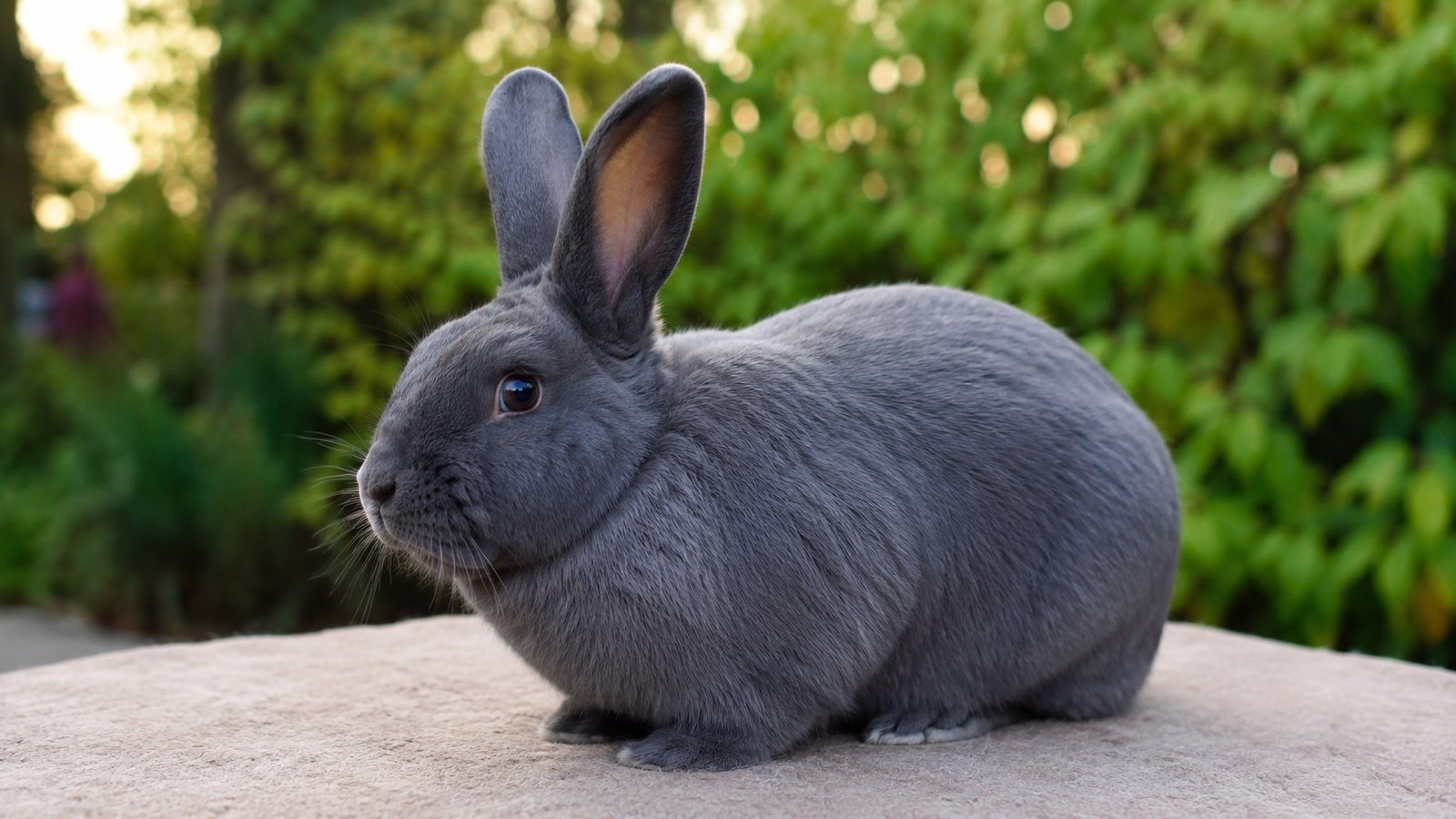
The Vienna Blue rabbit breed is a calm, intelligent, medium-sized rabbit known for its striking slate-blue coat and gentle personality. Originally developed in Austria, this breed has become popular among rabbit enthusiasts who want a friendly companion with elegant looks and manageable care needs.
Whether you are researching pet rabbits for the first time or comparing breeds for breeding and showing, the Vienna Blue stands out for its balanced temperament, sturdy body type, and beautiful fur color. This guide covers everything you need to know about the Vienna Blue rabbit breed, including history, appearance, personality, housing, diet, grooming, health concerns, and suitability as a family pet.
In This Article
What Is a Vienna Blue Rabbit?
The Vienna Blue rabbit is a domestic rabbit breed developed in Vienna, Austria, during the late 19th century. It was selectively bred for its dense blue-gray coat, strong build, and adaptable temperament.
Quick Overview of the Vienna Blue Rabbit Breed
| Trait | Details |
| Breed Name | Vienna Blue |
| Origin | Austria |
| Size | Medium |
| Weight | 8–12 pounds |
| Coat Type | Dense rollback fur |
| Coat Color | Blue-gray |
| Lifespan | 5–10 years |
| Temperament | Calm, intelligent, gentle |
| Best For | Families, singles, experienced owners |
| Energy Level | Moderate |
The breed is especially valued for its combination of beauty and practicality. It has historically been raised for meat, fur, and exhibition purposes, though today many owners keep Vienna Blue rabbits as companions.
History of the Vienna Blue Rabbit Breed
The Vienna Blue was first developed in Austria around the 1890s by rabbit breeder Johann Konstantin Schultz. His goal was to create a rabbit with:
- A pure blue coat
- Strong body structure
- Efficient growth rate
- Calm temperament
The breed was created by crossing several rabbits, including blue Moravian rabbits and larger domestic breeds. Over time, breeders refined the coat texture and body type until the Vienna Blue gained official recognition.
The breed eventually spread throughout Europe and later reached other parts of the world. While not as common as breeds like the Holland Lop or Netherland Dwarf, the Vienna Blue maintains a loyal following among rabbit hobbyists and breeders.
Vienna Blue Rabbit Appearance
The Vienna Blue rabbit is admired for its elegant, uniform coloring and balanced body shape.
Coat Color
The defining feature of this breed is its rich blue coat. The color is typically described as:
- Slate blue
- Steel blue
- Blue-gray
The coat should appear even throughout the body without patches or fading.
Fur Texture
Vienna Blue rabbits have dense rollback fur. This means the fur gently returns to its original position when brushed backward.
Their coats are:
- Soft
- Thick
- Smooth
- Easy to maintain
Body Shape
The breed has a slightly elongated but muscular body. It is not extremely compact or overly slender.
Physical traits include:
- Rounded hindquarters
- Strong legs
- Broad shoulders
- Upright ears
- Medium-length neck
Typical Size and Weight
Adult Vienna Blue rabbits usually weigh between 8 and 12 pounds, placing them in the medium-to-large category.
Males are often slightly smaller and leaner than females.
Vienna Blue Rabbit Temperament
One reason the Vienna Blue rabbit breed attracts dedicated owners is its calm and balanced personality.
Personality Traits
Most Vienna Blue rabbits are:
- Gentle
- Intelligent
- Curious
- Relaxed
- Social with regular interaction
They tend to adapt well to quiet homes and can form strong bonds with their owners.
Are Vienna Blue Rabbits Friendly?
Yes. Vienna Blue rabbits are generally considered friendly and affectionate when properly socialized.
They often enjoy:
- Sitting beside their owners
- Gentle petting
- Exploring safe indoor spaces
- Interactive toys
Because of their calm nature, they may tolerate handling better than some smaller, more energetic breeds.
Are They Good for Children?
Vienna Blue rabbits can do well with respectful older children who understand proper rabbit handling.
However, rabbits are delicate animals and should never be treated like plush toys. Supervision is essential, especially with younger children.
Vienna Blue Rabbit Lifespan
A healthy Vienna Blue rabbit typically lives between 5 and 10 years.
Several factors influence lifespan, including:
- Diet quality
- Exercise
- Veterinary care
- Genetics
- Housing conditions
- Spaying or neutering
Indoor rabbits usually live longer than outdoor rabbits because they are protected from predators, weather extremes, and disease exposure.
Housing Requirements
Vienna Blue rabbits need spacious housing that allows movement, stretching, and mental stimulation.
Indoor Housing
Indoor living is often the safest option.
A good indoor setup includes:
- Large exercise pen or rabbit-safe room
- Non-slip flooring
- Litter box
- Hay feeder
- Water bowl or bottle
- Hideout area
Rabbits should never spend all day confined to a small cage.
Outdoor Housing
Outdoor housing can work in suitable climates, but it requires extra precautions.
Outdoor enclosures should provide:
- Predator protection
- Shade
- Ventilation
- Waterproof shelter
- Temperature control
Extreme heat is especially dangerous for rabbits.
Space Requirements
Vienna Blue rabbits are active enough to require daily exercise.
Experts generally recommend:
- At least 3–4 times the rabbit’s body length for enclosure size
- Several hours of supervised exercise daily
Diet and Nutrition
Proper nutrition is one of the most important parts of rabbit care.
Core Vienna Blue Rabbit Diet
A healthy diet should consist primarily of hay.
Recommended Diet Breakdown
| Food | Approximate Portion |
| Hay | 80–90% |
| Fresh leafy greens | Daily |
| Pellets | Limited |
| Treats | Occasional |
Best Hay for Vienna Blue Rabbits
High-quality hay supports:
- Dental health
- Digestion
- Natural chewing behavior
Adult rabbits usually thrive on:
- Timothy hay
- Orchard grass
- Meadow hay
Young rabbits may need alfalfa hay temporarily because of its higher calcium and protein content.
Safe Vegetables
Good leafy greens include:
- Romaine lettuce
- Cilantro
- Basil
- Bok choy
- Parsley
- Dandelion greens
Introduce new foods gradually to avoid digestive upset.
Foods to Avoid
Do not feed:
- Chocolate
- Onions
- Garlic
- Iceberg lettuce
- Sugary snacks
- Processed human foods
Grooming Needs
Vienna Blue rabbits have moderate grooming needs.
Brushing
Weekly brushing is usually enough outside shedding seasons.
During molting periods, brushing may need to increase to several times weekly.
Regular grooming helps reduce:
- Loose fur ingestion
- Hairballs
- Matting
Nail Trimming
Rabbit nails grow continuously and require periodic trimming.
Many owners trim nails every 4–8 weeks.
Dental Care
Rabbit teeth never stop growing.
Proper chewing materials and unlimited hay are critical for preventing dental overgrowth.
Common Health Problems
Like all rabbits, Vienna Blues can develop certain health conditions.
Gastrointestinal Stasis
This serious digestive slowdown can become life-threatening.
Signs include:
- Reduced appetite
- Small droppings
- Lethargy
- Lack of movement
Emergency veterinary care is often necessary.
Dental Disease
Misaligned or overgrown teeth may cause:
- Drooling
- Weight loss
- Difficulty eating
Routine monitoring helps catch problems early.
Ear Mites
Symptoms may include:
- Scratching
- Crusty ears
- Head shaking
Veterinary treatment is usually effective.
Obesity
Overfeeding pellets and treats can lead to obesity, which increases health risks.
Maintaining proper exercise and hay intake helps prevent weight gain.
Vienna Blue Rabbit Grooming and Care Routine
A consistent care routine keeps rabbits healthier and easier to manage.
Daily Care Checklist
- Refresh hay
- Provide fresh water
- Remove soiled litter
- Check appetite and behavior
- Offer exercise time
Weekly Care Checklist
- Brush coat
- Deep-clean litter area
- Inspect nails
- Rotate toys and enrichment items
Are Vienna Blue Rabbits Easy to Train?
Yes, many Vienna Blue rabbits are intelligent and capable of learning routines.
Litter Training
Most rabbits can learn to use a litter box.
Helpful steps include:
- Place litter boxes in corners
- Add hay near the litter area
- Reward correct behavior
- Clean accidents without punishment
Enrichment and Mental Stimulation
Rabbits benefit from:
- Tunnels
- Cardboard toys
- Dig boxes
- Puzzle feeders
- Safe chew toys
Mental stimulation reduces boredom and destructive behaviors.
Vienna Blue Rabbit vs Other Rabbit Breeds
Understanding how the Vienna Blue compares to other breeds can help potential owners choose the right rabbit.
Vienna Blue vs Flemish Giant
| Trait | Vienna Blue | Flemish Giant |
| Size | Medium-large | Very large |
| Weight | 8–12 lbs | 13–20+ lbs |
| Temperament | Calm | Gentle |
| Space Needs | Moderate | High |
| Grooming | Moderate | Moderate |
Vienna Blue vs Netherland Dwarf
| Trait | Vienna Blue | Netherland Dwarf |
| Size | Medium | Small |
| Handling | Easier | More delicate |
| Energy | Moderate | High |
| Beginner Friendly | Often yes | Sometimes challenging |
Pros and Cons of the Vienna Blue Rabbit Breed
Advantages
- Attractive blue coat
- Gentle personality
- Moderate grooming needs
- Intelligent and trainable
- Good family companion
Drawbacks
- Requires daily exercise
- Can develop digestive issues if diet is poor
- Needs regular social interaction
- Less common than popular pet breeds
Common Mistakes New Owners Make
Many rabbit care issues stem from preventable mistakes.
Keeping Rabbits in Small Cages
Rabbits need room to hop, stand upright, and explore.
Feeding Too Many Pellets
Overfeeding pellets often leads to obesity and digestive problems.
Ignoring Dental Health
A rabbit that stops eating normally may have serious dental issues.
Lack of Social Interaction
Vienna Blue rabbits can become bored or withdrawn without attention and enrichment.
Best Practices for Raising a Healthy Vienna Blue Rabbit
Prioritize Hay
Unlimited hay should always be available.
Schedule Veterinary Visits
Choose a veterinarian experienced with rabbits and exotic pets.
Spay or Neuter
Spaying and neutering can reduce behavioral issues and certain health risks.
Rabbit-Proof Your Home
Protect electrical cords, toxic plants, and unsafe materials.
Is the Vienna Blue Rabbit Rare?
The Vienna Blue is considered less common than many mainstream pet rabbit breeds, especially in North America.
However, dedicated breeders and rabbit clubs still maintain healthy breeding populations.
Because the breed is somewhat uncommon, prospective owners may need patience when searching for reputable breeders.
Who Should Own a Vienna Blue Rabbit?
This breed is best suited for people who:
- Want a calm companion rabbit
- Can provide daily interaction
- Have enough indoor space
- Are willing to learn proper rabbit care
The Vienna Blue can fit well into:
- Quiet households
- Families with older children
- Experienced small-pet owners
- Apartment living with adequate exercise space
Quick Summary
Vienna Blue Rabbit at a Glance
| Category | Summary |
| Temperament | Calm, social, intelligent |
| Grooming | Moderate |
| Lifespan | 5–10 years |
| Size | Medium-large |
| Beginner Friendly | Usually yes |
| Exercise Needs | Moderate |
| Coat Color | Blue-gray |
FAQ About the Vienna Blue Rabbit Breed
Are Vienna Blue rabbits good pets?
Yes. Vienna Blue rabbits are widely considered calm, friendly, and intelligent companion animals when properly socialized and cared for.
How big do Vienna Blue rabbits get?
Most adult Vienna Blue rabbits weigh between 8 and 12 pounds.
Do Vienna Blue rabbits shed a lot?
They shed moderately year-round and more heavily during seasonal molts.
Can Vienna Blue rabbits live indoors?
Yes. Indoor housing is often recommended because it improves safety and lifespan.
Are Vienna Blue rabbits rare?
They are less common than many popular pet rabbit breeds, but they are still available through specialty breeders and rabbit clubs.
Do Vienna Blue rabbits need another rabbit companion?
Many rabbits enjoy companionship, but introductions must be handled carefully. Some rabbits thrive alone with enough human interaction.
Final Thoughts on the Vienna Blue Rabbit Breed
The Vienna Blue rabbit breed combines elegance, intelligence, and a calm personality in a package that appeals to both experienced rabbit keepers and committed beginners. Its dense blue coat and gentle nature make it especially attractive as a companion animal, while its manageable grooming needs and adaptable temperament add to its appeal.
Owners who provide spacious housing, a hay-based diet, regular veterinary care, and daily interaction are likely to enjoy many rewarding years with a healthy Vienna Blue rabbit.