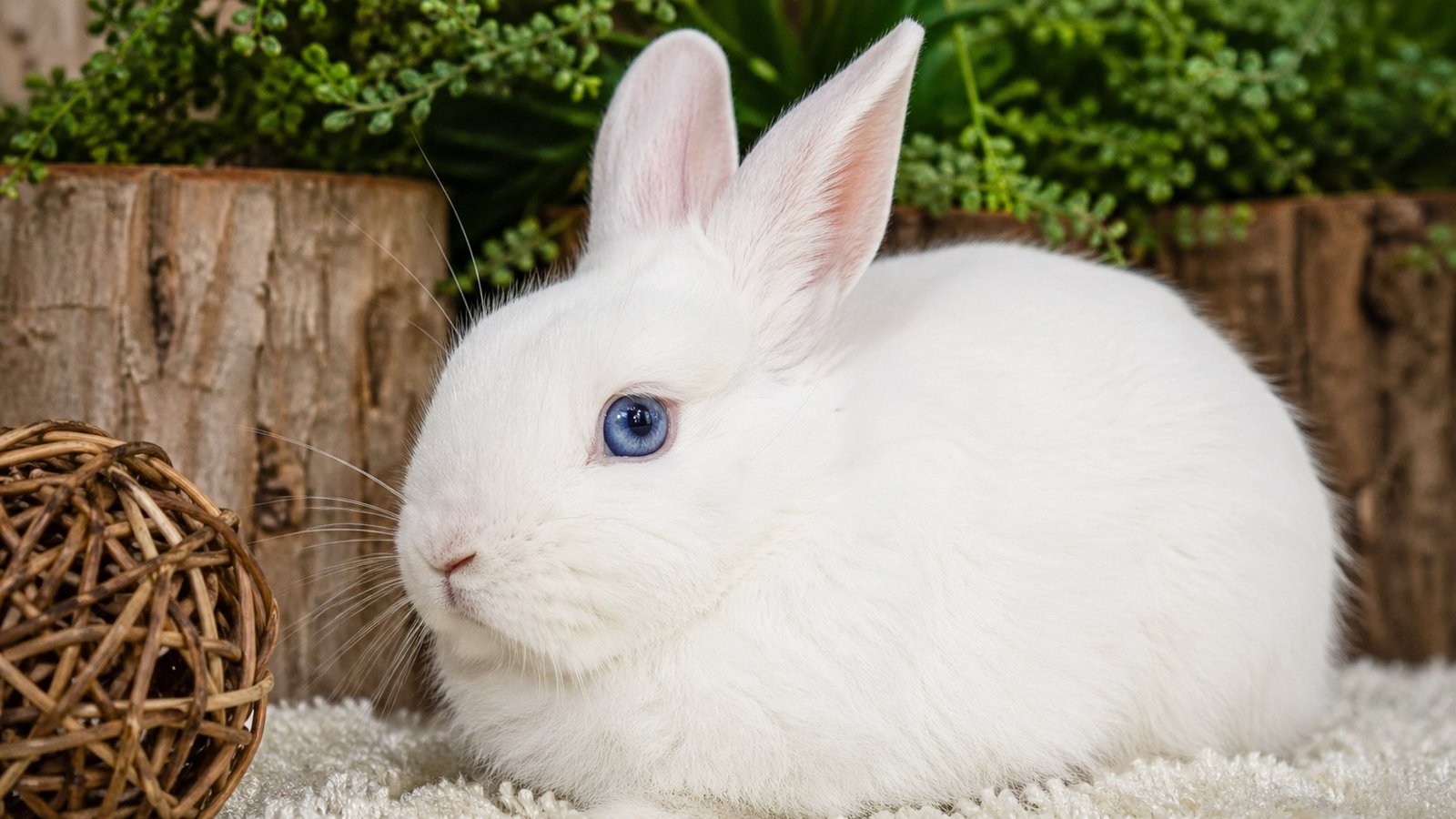
The white vienna rabbit blue eyes combination is one of the most eye-catching traits you’ll see in the rabbit world. Those bright, icy-blue eyes paired with a clean white coat create a look that feels almost unreal—yet it’s entirely natural and rooted in fascinating genetics.
Many rabbit owners and first-time adopters are drawn to this unique appearance, but there’s more to these rabbits than just looks. Understanding their genetics, traits, and how to identify them properly can save you from common mistakes and help you care for them the right way.
This guide breaks down everything you need to know—from what a White Vienna rabbit actually is to why blue eyes occur and what makes them so special.
In This Article
The Allure of White Vienna Rabbits with Blue Eyes
White Vienna rabbits with blue eyes stand out instantly, even among other beautiful rabbit breeds. Their striking contrast—snowy fur and vivid blue eyes—gives them a soft, almost ethereal appearance that many pet owners fall in love with at first sight.
What makes them even more appealing is that this look isn’t just cosmetic. It’s tied to a specific genetic trait known as the Vienna gene, which affects eye color and sometimes coat markings.
A few reasons why they’re so popular:
- Rare visual appeal compared to typical brown-eyed rabbits
- Gentle, friendly demeanor often associated with Vienna-influenced rabbits
- Unique identity—no two Vienna-marked rabbits look exactly the same
Still, their beauty can sometimes lead to confusion. Many people assume any white rabbit with unusual eyes is a White Vienna, which isn’t always true. Getting this right matters, especially if you’re planning to adopt or buy one.
What Is a White Vienna Rabbit? (Breed Origins & Genetics)
Despite the name, “White Vienna rabbit” isn’t always a standalone breed. It’s more accurately linked to the Vienna gene, a genetic trait that originated from the Blue Vienna rabbit breed.
The Vienna Gene Explained
The Vienna gene is responsible for producing:
- Blue eyes
- White markings or partial coat changes
- Sometimes a completely white rabbit with blue eyes
Unlike simple coat color genes, this one behaves unpredictably. A rabbit may carry the gene without showing obvious signs, or it may display dramatic features like full white fur and blue eyes.
Types of Vienna-Influenced Rabbits
Not all rabbits with this gene look the same. They generally fall into three categories:
- Vienna carriers: No visible signs, but carry the gene
- Vienna marked rabbits: Show white patches or “blaze” markings
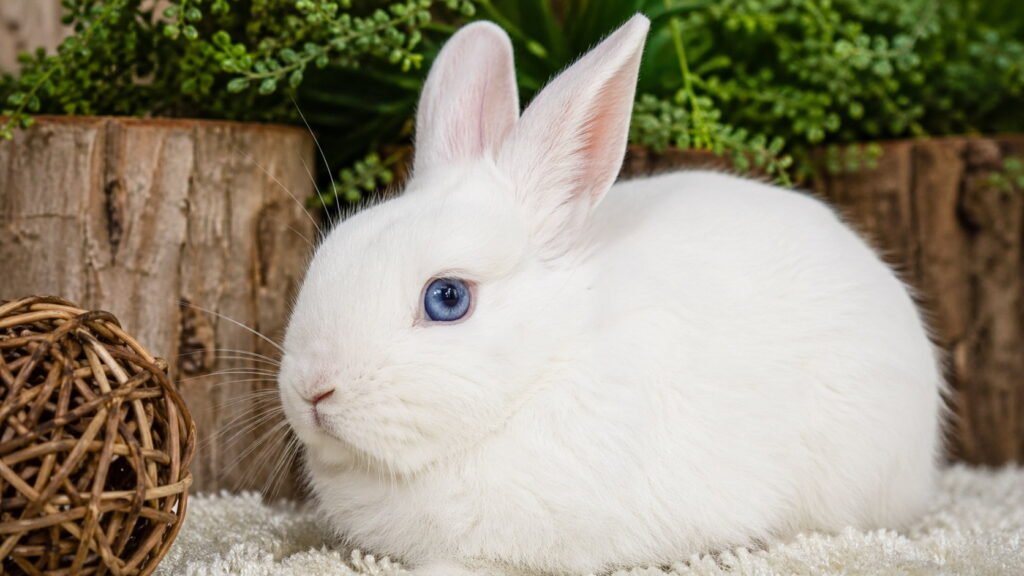
- Blue-eyed white (BEW) rabbits: Fully white coat with blue eyes
The “white vienna rabbit blue eyes” look usually refers to that last category—BEW rabbits influenced by the Vienna gene.
Why Not All White Rabbits Have Blue Eyes
This is where many owners get confused. Some white rabbits have red or pink eyes, which come from albinism, not the Vienna gene.
Key difference:
- Albino rabbits lack pigment entirely (red eyes)
- Vienna rabbits retain pigment in the eyes (blue color)
Understanding this distinction helps you avoid misidentifying your rabbit and ensures you know what traits and care to expect.
White Vienna Rabbit Blue Eyes: What Makes Them Special?
The appeal of a white vienna rabbit blue eyes goes beyond aesthetics. There’s a combination of rarity, genetics, and individuality that makes these rabbits stand out.
A Unique Genetic Expression
Blue eyes in rabbits are uncommon, especially when paired with a fully white coat. The Vienna gene alters pigmentation in a way that preserves eye color while reducing coat color—creating that signature look.
What’s interesting is that:
- No two Vienna rabbits express the gene exactly the same way
- Even siblings can look completely different
- The intensity of blue eyes can vary from pale ice-blue to deeper shades
Rarity and Demand
While not impossibly rare, true blue-eyed white rabbits are less common than standard pet rabbits. That makes them more desirable in the pet market.
Breeders often charge more for rabbits with:
- Clear, symmetrical blue eyes
- Pure white coats without discoloration
- Balanced body structure and health history
Still, rarity shouldn’t outweigh health and temperament when choosing a rabbit.
Distinct Physical Traits
A typical white Vienna rabbit with blue eyes often has:
- Bright blue eyes (never red or pink)
- Soft, dense white fur
- Compact, well-proportioned body (depending on breed mix)
Some may also have very faint shadow markings, especially around the ears or nose, though many appear completely white.
Are They Officially Recognized?
Here’s where it gets a bit nuanced. Blue-eyed white rabbits are recognized in some breeding standards, but the Vienna gene itself isn’t always a “breed”—it’s a genetic trait within breeds.
This means your rabbit could be:
- A purebred with Vienna influence
- A mixed-breed rabbit carrying the gene
- Or a selectively bred BEW rabbit
Each can still make an excellent pet, as long as health and care are prioritized.
How to Identify a True White Vienna Rabbit with Blue Eyes
Spotting a genuine white vienna rabbit blue eyes isn’t as simple as looking for a white coat. Many rabbits can appear similar at first glance, so knowing what to check helps you avoid misidentification—especially if you’re adopting or buying.
Key Physical Traits to Look For
A true Vienna-influenced blue-eyed white rabbit typically shows:
- Clear blue eyes (never red, pink, or cloudy)
- Pure white coat without yellowing or cream tones
- Even fur texture, soft and dense
- Healthy body shape—not overly thin or lethargic
Eye color is your strongest clue. If the eyes aren’t blue, it’s not a Vienna expression.
Vienna Marking vs Full Expression
Not every Vienna rabbit will be fully white. Some display partial traits:
- Vienna-marked rabbits: white blaze on the nose, white paws, or asymmetrical patches
- Full expression (BEW): entirely white coat with blue eyes
Both carry the same gene, but only the full-expression rabbits match the “white vienna rabbit blue eyes” look most people are searching for.
Common Misidentifications
This is where many new owners get it wrong:
- Albino rabbits: white fur but red or pink eyes
- Light-colored breeds: may look white but have darker eyes
- Mixed rabbits: can have unusual markings that mimic Vienna traits
Quick tip: Shine a soft light near the eyes. Blue eyes will reflect softly, while albino eyes often appear reddish due to light reflection from blood vessels.
A Simple Buyer’s Checklist
Before committing to a rabbit, check:
- Eye color: clearly blue?
- Coat: fully white or marked?
- Health: active, alert, eating well?
- Breeder transparency: can they explain the rabbit’s genetics?
Rushing this step often leads to disappointment later, especially if you’re specifically looking for that blue-eyed trait.
Temperament and Personality: Are They Good Pets?
Looks aside, the personality of a white vienna rabbit blue eyes is what truly determines whether it’s a good fit for your home. The good news—most Vienna-influenced rabbits are known for being gentle and adaptable.
Typical Behavior Traits
While personality varies by individual, many owners report that Vienna rabbits are:
- Calm and curious rather than overly hyper
- Affectionate once bonded with their owner
- Intelligent, capable of learning routines and litter habits
They often enjoy exploring their environment and interacting with their humans, especially in a safe indoor setup.
Are They Good for Beginners?
Yes—with the right expectations.
They’re suitable for:
- First-time rabbit owners willing to learn proper care
- Families with older, respectful children
- Individuals looking for a quiet, low-noise pet
They may not be ideal for:
- Homes expecting a “low-maintenance” pet
- Very young children who may handle them roughly
Rabbits are delicate animals, and even the friendliest ones need gentle, patient handling.
Social Needs and Bonding
Rabbits are social by nature. A white Vienna rabbit will thrive when:
- Given daily interaction and attention
- Allowed time outside the cage for exploration
- Paired with another rabbit (if properly bonded)
Ignoring their social needs can lead to boredom, stress, or destructive behavior.
Activity Level and Enrichment
These rabbits aren’t hyperactive, but they still need stimulation.
Provide:
- Chew toys (untreated wood, hay-based toys)
- Hideouts or tunnels
- Safe space for hopping and exploring
A bored rabbit is often a destructive rabbit, so enrichment isn’t optional—it’s essential.
Care Guide for White Vienna Rabbits (Daily Needs & Setup)
Caring for a white vienna rabbit blue eyes doesn’t require anything overly complicated, but it does demand consistency and attention to detail. Proper care directly impacts their lifespan, health, and behavior.
Housing: Indoor vs Outdoor
Indoor living is strongly recommended.
Indoor setup benefits:
- Better temperature control
- Protection from predators
- Easier bonding with your rabbit
A proper setup should include:
- Spacious enclosure or free-roam area
- Soft bedding or mats (avoid wire floors)
- Litter box with rabbit-safe litter
Outdoor housing can work in some cases, but it introduces risks like extreme weather and stress.
Litter Training Basics
Rabbits are naturally clean animals, which makes litter training easier than many expect.
Steps to success:
- Place a litter box in their preferred corner
- Use hay inside or near the box (they like to eat while going)
- Clean regularly to reinforce the habit
Consistency is key. Most rabbits learn within days to weeks.
Grooming Requirements
White Vienna rabbits often have short to medium coats, which are relatively easy to maintain.
Routine care includes:
- Brushing 1–2 times per week (more during shedding season)
- Checking for dirt or staining on white fur
- Trimming nails every few weeks
Never bathe your rabbit unless advised by a vet. Water stress can be dangerous for them.
Environmental Enrichment Tips
A well-stimulated rabbit is healthier and happier.
Simple ways to enrich their environment:
- Rotate toys weekly to prevent boredom
- Provide cardboard boxes for hiding and chewing
- Create safe climbing or digging areas
Even small changes in their environment can keep them mentally engaged.
For more detailed housing and care recommendations, the Humane Society offers a helpful guide:
https://www.humanesociety.org/resources/rabbit-housing
Diet & Nutrition: Keeping Your Blue-Eyed Rabbit Healthy
A healthy white vienna rabbit blue eyes starts with the right diet. Nutrition plays a huge role in preventing common rabbit health issues like digestive problems and dental disease.
The Foundation: What Your Rabbit Should Eat Daily
A balanced rabbit diet is simple but must be consistent:
- Unlimited hay (80–90% of diet)
Timothy hay is ideal for adult rabbits. It keeps their digestive system moving and helps wear down teeth naturally. - Fresh leafy greens (daily variety)
Examples include romaine lettuce, cilantro, parsley, and bok choy. Introduce new greens slowly. - High-quality pellets (small portion)
Choose plain pellets without colorful mixes or seeds. About 1–2 tablespoons per day is enough for most adult rabbits. - Fresh water at all times
Use a bowl rather than a bottle when possible—rabbits tend to drink more comfortably this way.
Foods to Avoid
Some foods can seriously harm your rabbit’s digestive system:
- Iceberg lettuce (low nutrition, can cause diarrhea)
- Sugary fruits in large amounts
- Bread, crackers, or processed human foods
- Onions, garlic, and anything toxic to rabbits
A rabbit’s gut is delicate, so even small diet mistakes can lead to bigger issues.
Hydration and Digestive Health
Proper hydration is often overlooked but critical. Dehydration can quickly contribute to GI stasis, a life-threatening condition where digestion slows or stops.
Signs your rabbit may not be getting enough fluids:
- Smaller or fewer droppings
- Lethargy
- Reduced appetite
Do They Need Supplements?
Most healthy rabbits on a balanced diet don’t need supplements. Adding vitamins without guidance can actually do more harm than good.
If you’re unsure about your rabbit’s diet, consult a rabbit-savvy vet or refer to trusted guidelines like this one from the House Rabbit Society:
https://rabbit.org/care/feeding/
Common Health Concerns in White Vienna Rabbits
A white vienna rabbit blue eyes doesn’t typically come with major breed-specific health problems, but they still share the same risks as other domestic rabbits. Knowing what to watch for can make a big difference in early detection.
Are Vienna Rabbits Prone to Genetic Issues?
The Vienna gene itself isn’t widely linked to serious health disorders. Most concerns come down to:
- General rabbit genetics
- Breeding quality
- Overall care and environment
Responsible breeders usually avoid pairing two Vienna-marked rabbits, as it can increase the chance of unwanted traits.
Eye Health: Should You Be Concerned?
Blue eyes in Vienna rabbits are generally healthy and not linked to blindness.
Still, keep an eye out for:
- Cloudiness or discharge
- Redness or swelling
- Squinting or sensitivity to light
Any sudden change in the eyes should be checked by a vet.
Common Rabbit Health Risks
All rabbits, including Vienna types, are vulnerable to:
- GI stasis (digestive slowdown)
- Dental overgrowth (due to constantly growing teeth)
- Respiratory infections
- Parasites or mites
These issues are often preventable with proper diet, hygiene, and regular observation.
When to See a Vet
Don’t wait if you notice:
- Loss of appetite for more than 12 hours
- Very small or no droppings
- Sudden lethargy
- Difficulty breathing
Rabbits hide illness well, so early action is critical.
White Vienna vs Albino Rabbits: Key Differences Explained
Many people confuse a white vienna rabbit blue eyes with an albino rabbit, but they are completely different in both genetics and appearance.
Quick Comparison Table
| Feature | White Vienna Rabbit | Albino Rabbit |
| Eye color | Blue | Red or pink |
| Genetics | Vienna gene | Lack of pigmentation |
| Coat color | White | White |
| Light sensitivity | Normal | Often higher sensitivity |
| Rarity | Less common | More common |
Why the Confusion Happens
At a glance, both types look similar due to their white fur. The key difference is in the eyes:
- Blue eyes = Vienna gene
- Red/pink eyes = albinism
Lighting conditions can sometimes make eye color harder to distinguish, especially in photos, which leads to mislabeling.
Does It Affect Care?
In most cases, care requirements are very similar. However:
- Albino rabbits may be slightly more sensitive to bright light
- Vienna rabbits don’t usually have that sensitivity
Understanding the difference helps you set proper expectations and avoid misinformation when choosing your pet.
Myths vs Facts About White Vienna Rabbits Blue Eyes
The unique look of a white vienna rabbit blue eyes often comes with a lot of misinformation. Clearing up these myths helps you make better decisions as a rabbit owner.
Myth: Blue-Eyed Rabbits Are Blind
Fact: Blue eyes in Vienna rabbits are completely normal and not linked to blindness. Most have perfectly healthy vision.
Myth: They’re Extremely Rare and Fragile
Fact: While less common than typical rabbits, they’re not ultra-rare. Their care needs are no more difficult than any other rabbit.
Myth: All White Rabbits with Blue Eyes Are Vienna
Fact: Some rabbits may appear similar due to lighting or mixed genetics. Only rabbits with the Vienna gene truly fit this category.
Myth: Blue Eyes Change Over Time
Fact: A rabbit’s eye color is stable. It won’t shift from blue to another color as they age.
Expert Insight
Experienced rabbit owners often emphasize one thing:
Focus on health and temperament first, appearance second.
A beautiful rabbit is only a great pet if it’s healthy, well-socialized, and properly cared for.
How Much Does a White Vienna Rabbit Cost?
The price of a white vienna rabbit blue eyes can vary quite a bit depending on where you get it and the rabbit’s background.
Average Price Range
- Pet-quality rabbits: $40–$100 (approx. Rp600,000–Rp1,500,000)
- From reputable breeders: $100–$300+
- Show-quality or rare lines: potentially higher
What Affects the Price?
Several factors influence cost:
- Eye clarity and symmetry
- Coat quality (pure white vs slight markings)
- Breeder reputation and ethics
- Health checks and vaccination status
Higher price doesn’t always mean better—transparency and animal welfare matter more.
Adoption vs Buying
Adoption is often overlooked but can be a great option:
- Lower cost
- Helps rabbits in need of homes
- Often already socialized
Breeders may be a better choice if you’re specifically looking for Vienna traits, but make sure they prioritize ethical breeding.
Red Flags to Watch Out For
Avoid sellers who:
- Can’t explain the rabbit’s background
- Keep rabbits in poor conditions
- Offer unusually low prices with no health info
- Rush you into buying
A healthy rabbit is always worth waiting for.
Where to Find White Vienna Rabbits for Sale or Adoption
Finding a genuine white vienna rabbit blue eyes takes patience, especially if you want a healthy and well-cared-for pet.
Reputable Sources
Start with:
- Experienced rabbit breeders who understand Vienna genetics
- Rabbit rescues and shelters (occasionally have Vienna-marked rabbits)
- Online rabbit communities with verified listings
Questions to Ask Before Getting One
Before bringing a rabbit home, ask:
- What is the rabbit’s age and diet?
- Has it been checked by a vet?
- Are the parents known (for genetics insight)?
- How has it been socialized?
A trustworthy seller will answer confidently and openly.
Ethical Buying Tips
- Visit the location if possible
- Observe the rabbit’s behavior (alert, active, curious)
- Avoid impulse buying based on appearance
Choosing responsibly helps support better animal welfare practices overall.
Common Mistakes New Owners Make (and How to Avoid Them)
Owning a white vienna rabbit blue eyes can be incredibly rewarding, but beginners often make avoidable mistakes.
Misidentifying the Rabbit
Many assume any white rabbit with light eyes is Vienna.
Avoid this by:
- Confirming eye color in natural light
- Asking about genetics
- Not relying solely on photos
Feeding the Wrong Diet
Too many pellets or treats can cause serious health issues.
Stick to:
- Hay as the main food
- Controlled portions of greens and pellets
Poor Housing Setup
Small cages and lack of enrichment lead to stress and boredom.
Instead:
- Provide space to move and explore
- Include toys and hiding spots
Ignoring Social Needs
Rabbits need interaction to stay mentally healthy.
Spend time daily bonding, playing, or simply being near your rabbit.
Skipping Vet Care
Routine checkups are often overlooked.
Even healthy rabbits benefit from periodic vet visits, especially if you notice subtle changes in behavior or appetite.
FAQ: White Vienna Rabbit Blue Eyes
Are white Vienna rabbits with blue eyes rare?
They are less common than standard rabbits but not extremely rare. Availability depends on breeders and region.
Do all Vienna rabbits have blue eyes?
No. Some carry the gene without visible traits, while others show partial markings instead of full blue-eyed white appearance.
Are they good for first-time rabbit owners?
Yes, as long as the owner understands proper rabbit care, diet, and social needs.
How long do white Vienna rabbits live?
Most live between 8–12 years with proper care, diet, and a safe environment.
Can their eye color change over time?
No. Blue eye color remains stable throughout their life.
Final Thoughts: Is a White Vienna Rabbit Right for You?
A white vienna rabbit blue eyes offers a beautiful combination of unique appearance and gentle personality. Still, owning one goes far beyond admiring those striking eyes. Proper diet, safe housing, regular interaction, and attentive health care are what truly shape a happy, thriving rabbit.
If you’re willing to commit to their needs, you’ll gain a quiet, affectionate companion that becomes part of your daily life in the best way.
Take your time choosing the right rabbit, set up a proper environment, and keep learning as you go.
Want to give your rabbit the best start possible? Explore more care guides on MyPetInfoo.com and build a setup your rabbit will truly love.