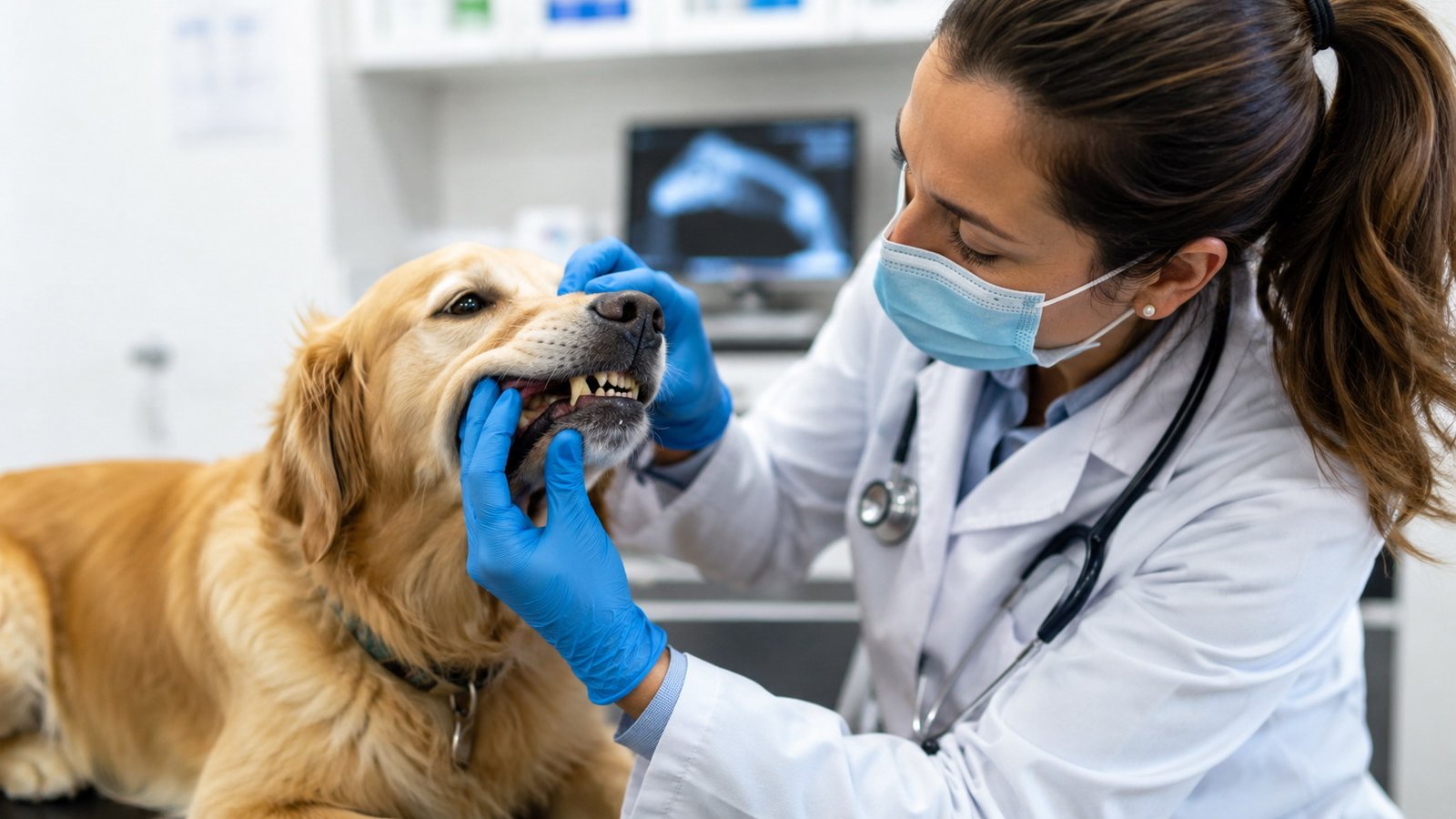
Pet dental care trends in 2026 are focused on prevention, technology-driven monitoring, minimally invasive treatments, and easier at-home oral hygiene routines. As veterinarians and pet owners increasingly recognize the connection between oral health and overall wellness, dental care has become a central part of preventive veterinary medicine rather than an occasional concern.
For dogs and cats, healthy teeth and gums can influence comfort, nutrition, quality of life, and even long-term health outcomes. The latest trends emphasize early detection, personalized dental plans, smart monitoring tools, and science-backed dental products that help prevent disease before it becomes serious.
This guide explores the most important pet dental care trends in 2026, why they matter, and how pet owners can apply them effectively.
In This Article
Why Pet Dental Care Matters More Than Ever
Dental disease remains one of the most common health problems in companion animals. Many dogs and cats develop some degree of periodontal disease during adulthood, often without obvious symptoms in the early stages.
Poor oral health can lead to:
- Bad breath
- Gum inflammation
- Tooth loss
- Oral pain
- Difficulty eating
- Bacterial infections
- Reduced quality of life
Veterinarians increasingly view oral health as part of whole-body health. Inflammation and infection in the mouth may affect other organ systems, making prevention a priority rather than a cosmetic concern.
The Biggest Pet Dental Care Trends in 2026
1. Preventive Dentistry Is Replacing Reactive Treatment
One of the most significant shifts in 2026 is the move toward prevention-first dentistry.
Instead of waiting until severe tartar buildup or gum disease develops, veterinary professionals encourage regular oral assessments throughout a pet’s life.
Preventive strategies include:
- Routine oral exams
- Early plaque management
- Regular professional cleanings when needed
- Dental-friendly nutrition
- Daily home care
This approach helps reduce discomfort, lowers long-term treatment costs, and decreases the likelihood of advanced dental procedures.
2. AI-Assisted Oral Health Monitoring
Artificial intelligence is becoming increasingly integrated into veterinary healthcare.
Some emerging platforms allow pet owners and veterinary teams to:
- Analyze oral photos
- Track changes in gum appearance
- Monitor plaque progression
- Identify potential abnormalities earlier
While AI tools do not replace veterinary diagnosis, they can serve as screening aids that encourage timely professional evaluation.
Benefits include:
| Feature | Potential Benefit |
| Image analysis | Earlier detection of visible changes |
| Progress tracking | Better monitoring over time |
| Remote assessment support | Improved communication with veterinarians |
| Health records integration | More personalized care plans |
3. Smart Pet Health Devices Expanding into Dental Care
Wearable and connected pet technology continues to evolve.
In 2026, some pet wellness ecosystems integrate oral health monitoring alongside activity, nutrition, and overall health tracking.
Examples include:
- Health monitoring collars
- Connected feeding systems
- Mobile health apps
- Digital veterinary records
While direct dental monitoring remains limited, oral health reminders and preventive care scheduling are becoming more common features.
Advanced Dental Chews Backed by Veterinary Research
Dental chews have become more sophisticated.
Rather than relying solely on hard textures, newer products focus on:
- Plaque disruption
- Controlled abrasion
- Longer chewing duration
- Improved digestibility
- Breed-specific sizing
Manufacturers increasingly emphasize clinical testing and veterinary endorsement rather than marketing claims alone.
Pet owners should look for products designed specifically for dental health and appropriate for their pet’s size and chewing habits.
What Makes Modern Dental Chews Different?
Modern formulations may include:
- Enzymes
- Antimicrobial ingredients
- Texture-engineered surfaces
- Breath-supporting compounds
However, dental chews should supplement—not replace—brushing and professional care.
Enzymatic Oral Care Products Are Growing in Popularity
Many pet owners struggle with daily brushing.
As a result, enzymatic oral care products continue gaining popularity in 2026.
Common options include:
- Enzymatic toothpastes
- Oral gels
- Water additives
- Dental sprays
- Oral rinses
These products help reduce bacterial buildup and support oral hygiene between brushings.
Although brushing remains the gold standard for plaque control, enzymatic products can improve compliance among busy households.
Personalized Dental Care Plans
Veterinary medicine is becoming increasingly individualized.
Dental recommendations are now often tailored according to:
- Species
- Breed
- Age
- Skull shape
- Existing dental conditions
- Lifestyle factors
For example:
Small Dog Breeds
Small breeds often experience dental crowding and earlier periodontal disease.
They may benefit from:
- More frequent dental assessments
- Consistent brushing routines
- Earlier professional cleanings
Flat-Faced Breeds
Brachycephalic breeds frequently have crowded teeth and unique oral anatomy.
Dental plans may include:
- Enhanced monitoring
- Specialized cleaning recommendations
- Earlier intervention
Senior Pets
Older pets often require:
- Comprehensive oral examinations
- Monitoring for tooth root disease
- Adjusted dental care strategies
Personalization is expected to become a standard component of veterinary dentistry.
Veterinary Dental Imaging Becomes More Accessible
Dental radiography is increasingly recognized as an essential diagnostic tool.
Many dental problems occur below the gumline where they cannot be seen during routine examination.
Dental imaging helps identify:
- Tooth root disease
- Bone loss
- Fractures
- Abscesses
- Retained roots
In 2026, more veterinary practices are investing in advanced dental imaging technologies, improving diagnostic accuracy and treatment planning.
Growth of Minimally Invasive Dental Procedures
Modern veterinary dentistry focuses on preserving healthy tissue whenever possible.
Minimally invasive approaches may include:
- Targeted periodontal therapy
- Precision extractions
- Advanced imaging-guided treatment
- Improved pain management techniques
Benefits can include:
- Faster recovery
- Reduced discomfort
- Better outcomes
- Lower surgical stress
This trend reflects broader developments throughout veterinary medicine.
Pet Parents Are Brushing More Frequently
One encouraging trend is increased awareness among pet owners.
Educational campaigns from veterinarians and animal health organizations have helped promote routine brushing.
Daily brushing remains the most effective home-care practice for preventing plaque accumulation.
How to Brush a Pet’s Teeth Properly
Step 1: Choose Pet-Safe Products
Use:
- Pet-specific toothpaste
- Pet toothbrushes
- Finger brushes if appropriate
Avoid human toothpaste because many ingredients are unsuitable for pets.
Step 2: Introduce Slowly
Allow your pet to:
- Smell the toothpaste
- Taste a small amount
- Become comfortable with handling
Step 3: Focus on Outer Tooth Surfaces
Most plaque accumulates on the outer surfaces near the gumline.
Short, gentle sessions are often more successful than lengthy attempts.
Step 4: Build Consistency
Aim for:
- Daily brushing when possible
- At least several sessions per week if daily brushing is not realistic
Consistency matters more than perfection.
Nutrition Is Becoming Part of Dental Health Strategies
Nutrition is playing a larger role in oral health management.
Veterinary professionals increasingly consider:
- Kibble design
- Food texture
- Nutritional balance
- Oral-health-supportive diets
Some specialized dental diets are formulated to help reduce plaque and tartar accumulation through mechanical action during chewing.
Foods and Habits That Support Oral Health
Helpful practices may include:
- Feeding balanced diets
- Providing appropriate chew options
- Maintaining hydration
- Monitoring eating habits
Pet owners should discuss dietary changes with their veterinarian, especially for pets with medical conditions.
The Rise of Telehealth Dental Consultations
Telehealth continues to expand across veterinary care.
While dental disease cannot be diagnosed entirely through virtual visits, telehealth can assist with:
- Initial consultations
- Follow-up discussions
- Monitoring treatment progress
- Determining urgency
This trend improves accessibility and encourages earlier veterinary involvement.
Sustainability Influencing Pet Dental Products
Environmental concerns are affecting pet care purchasing decisions.
Manufacturers are introducing:
- Recyclable packaging
- Sustainable materials
- Reduced plastic use
- Eco-conscious product designs
Consumers increasingly seek products that balance effectiveness with environmental responsibility.
Common Pet Dental Care Mistakes
Even well-intentioned owners sometimes make mistakes that undermine oral health.
Skipping Regular Oral Checks
Many pets hide dental discomfort effectively.
Waiting for obvious symptoms can allow disease to progress unnoticed.
Assuming Bad Breath Is Normal
Persistent bad breath often signals underlying dental problems rather than a harmless odor.
Relying Only on Dental Treats
Dental chews can help, but they are not a substitute for brushing or veterinary examinations.
Using Human Dental Products
Human toothpaste and oral care products may contain ingredients that are unsafe for pets.
Ignoring Early Signs
Watch for:
- Red gums
- Excessive drooling
- Difficulty chewing
- Pawing at the mouth
- Reduced appetite
- Loose teeth
Early intervention typically leads to better outcomes.
What Veterinarians Expect for the Future of Pet Dentistry
Several developments are likely to shape pet dental care beyond 2026:
- Improved AI diagnostic support
- More advanced imaging systems
- Personalized preventive care plans
- Better home-monitoring tools
- Enhanced oral microbiome research
- Greater integration of dental and overall health records
The goal is to detect problems earlier, reduce disease progression, and make preventive care easier for pet owners.
Best Practices for Pet Dental Care in 2026
The latest trends consistently support a few core recommendations:
- Schedule regular veterinary dental evaluations.
- Brush your pet’s teeth routinely.
- Use veterinarian-approved dental products.
- Consider dental-supportive diets when appropriate.
- Monitor for changes in breath, appetite, or chewing habits.
- Follow individualized recommendations based on breed, age, and health status.
- Address problems early rather than waiting for symptoms to worsen.
Frequently Asked Questions
What is the biggest pet dental care trend in 2026?
The strongest trend is preventive dentistry, where veterinarians and pet owners focus on preventing dental disease through regular monitoring, home care, and early intervention rather than treating advanced problems.
Are dental chews enough to keep my pet’s teeth clean?
No. Dental chews can help reduce plaque buildup, but brushing remains the most effective at-home method for maintaining oral health.
How often should pets have dental checkups?
Most pets benefit from dental evaluations during routine veterinary visits. The ideal frequency depends on age, breed, and existing oral health conditions.
Can bad breath indicate dental disease?
Yes. Persistent bad breath is often one of the earliest signs of plaque buildup, gum inflammation, or periodontal disease.
Is professional dental cleaning safe for pets?
Professional dental cleaning is generally considered safe when performed by qualified veterinary professionals who evaluate the pet’s health and anesthesia risks beforehand.
Are smart dental monitoring tools replacing veterinarians?
No. Technology can assist with monitoring and early detection, but veterinary examinations remain essential for diagnosis and treatment.
Final Thoughts on Pet Dental Care Trends in 2026
Pet dental care trends in 2026 reflect a broader shift toward proactive, personalized, and technology-supported healthcare. Prevention has become the foundation of modern veterinary dentistry, supported by smarter monitoring tools, improved dental products, advanced imaging, and individualized care plans.
For pet owners, the most effective strategy remains surprisingly simple: consistent home care, regular veterinary assessments, and early attention to changes in oral health. As new technologies continue to emerge, they are making it easier than ever to protect a pet’s teeth, gums, comfort, and overall well-being throughout every stage of life.