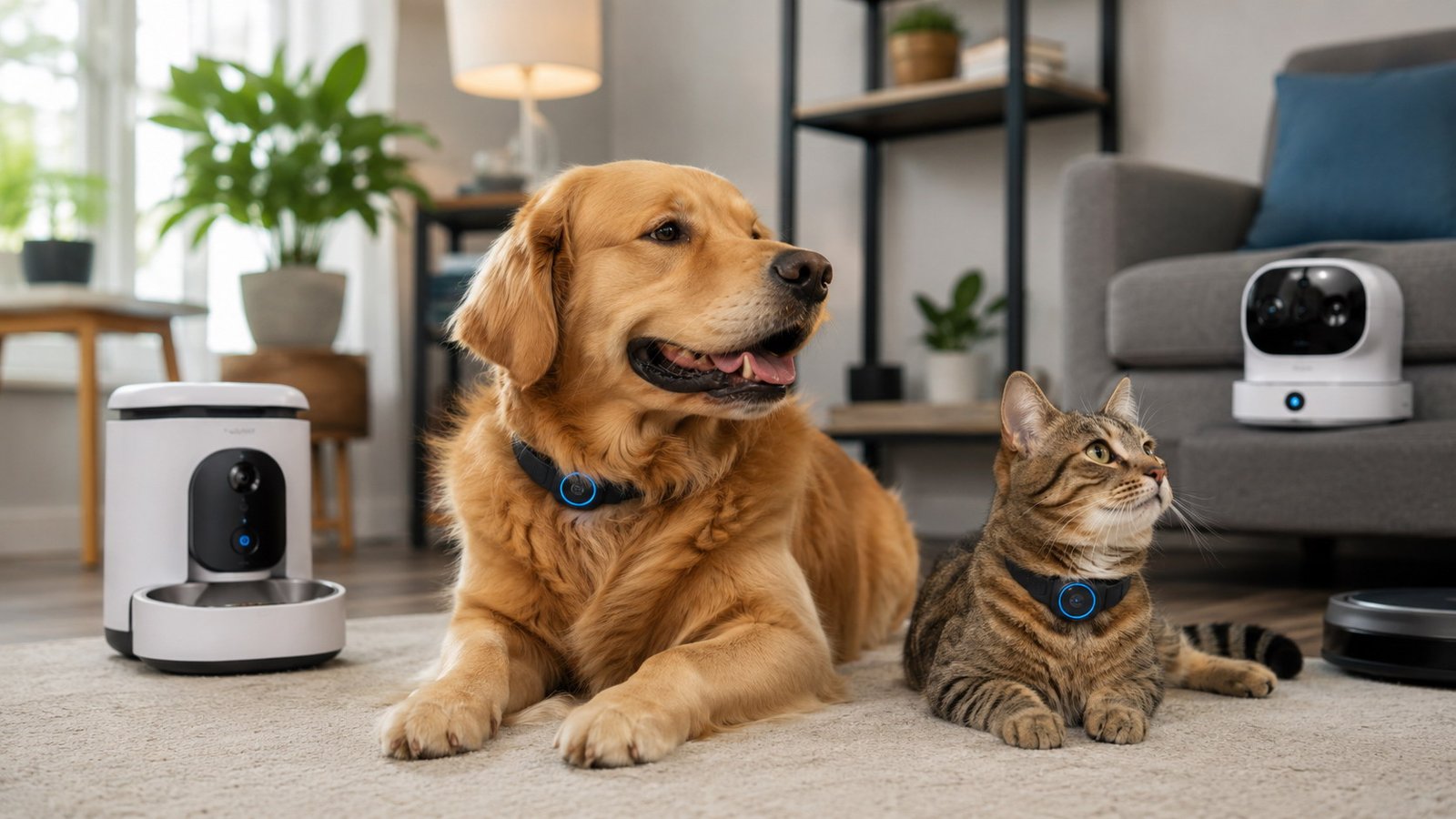
Smart pet technology trends in 2027 are transforming how people care for dogs, cats, and other companion animals. Artificial intelligence (AI), health monitoring devices, automated feeding systems, GPS tracking, and connected pet ecosystems are becoming more sophisticated, affordable, and widely adopted.
For pet owners, the biggest shift is moving from reactive care to proactive care. Instead of discovering problems after they occur, smart pet technology helps monitor health, behavior, activity, and safety in real time. This allows owners and veterinarians to identify concerns earlier and make more informed decisions about pet care.
This guide explores the most important smart pet technology trends in 2027, how these innovations work, their benefits and limitations, and what pet owners should know before investing in connected pet devices.
In This Article
What Is Smart Pet Technology?
Smart pet technology refers to devices, applications, and connected systems that use sensors, wireless connectivity, artificial intelligence, and automation to improve pet care.
Examples include:
- GPS pet trackers
- Smart collars
- Automated feeders
- AI-powered cameras
- Health monitoring wearables
- Smart litter boxes
- Connected pet doors
- Interactive pet toys
- Telehealth platforms for pets
Most modern systems connect through Wi-Fi, Bluetooth, cellular networks, or cloud-based mobile applications, allowing owners to monitor and manage their pets remotely.
Why Smart Pet Technology Is Growing Rapidly
Several factors are driving innovation in pet technology:
- Increased pet ownership worldwide
- Growing interest in preventive healthcare
- Expansion of AI-powered consumer devices
- More people working hybrid or remote schedules
- Rising spending on pet wellness
- Improved sensor and battery technology
Many pet owners now view their animals as family members and are willing to invest in tools that improve safety, health, and quality of life.
Top Smart Pet Technology Trends in 2027
AI-Powered Pet Health Monitoring
One of the most significant smart pet technology trends in 2027 is continuous health monitoring.
Modern pet wearables can track:
- Activity levels
- Sleep patterns
- Heart rate
- Respiratory rate
- Resting behavior
- Calorie expenditure
- Stress indicators
AI systems analyze this data and identify unusual patterns that may signal illness, pain, anxiety, or injury.
How It Works
Wearable devices use sensors similar to those found in human fitness trackers. Machine learning algorithms compare current data with a pet’s historical baseline.
Potential alerts may include:
- Reduced mobility
- Changes in sleep habits
- Abnormal activity levels
- Excessive scratching
- Signs of discomfort
This trend is helping veterinarians and owners detect potential health issues earlier than traditional observation alone.
Smart Collars Are Becoming Health Hubs
Smart collars are evolving far beyond simple identification tags.
Modern smart collars often combine:
| Feature | Purpose |
| GPS tracking | Location monitoring |
| Activity tracking | Exercise measurement |
| Health monitoring | Wellness insights |
| Geofencing | Escape prevention |
| Behavioral analysis | Habit monitoring |
| Temperature sensors | Environmental safety |
Instead of using separate devices for each function, many manufacturers are integrating multiple capabilities into a single wearable platform.
Advanced GPS Tracking and Geofencing
Pet safety remains a major concern for owners.
GPS tracking technology in 2027 offers:
- More accurate positioning
- Faster location updates
- Longer battery life
- Expanded coverage areas
- Improved mobile alerts
What Is Geofencing?
Geofencing creates a virtual boundary around a home, yard, park, or designated safe zone.
If a pet leaves the approved area:
- The device detects movement beyond the boundary.
- An alert is sent to the owner’s phone.
- Real-time tracking activates.
This technology is especially valuable for adventurous dogs and outdoor cats.
AI Pet Cameras With Behavior Recognition
Pet cameras have evolved dramatically.
Instead of simply streaming video, modern AI cameras can recognize behaviors and notify owners when something unusual occurs.
Examples include:
- Barking detection
- Meowing detection
- Separation anxiety indicators
- Destructive behavior alerts
- Excessive pacing
- Potential distress signals
Some systems can distinguish between routine activity and behaviors that may require attention.
Interactive Features
Many smart cameras now include:
- Two-way audio
- Treat dispensers
- Automated play functions
- Motion tracking
- Night vision
- Multi-pet recognition
These features help owners stay connected with pets while away from home.
Smart Feeding Systems Continue to Improve
Automated feeding technology is becoming more intelligent and personalized.
Key Innovations in 2027
Modern smart feeders can:
- Schedule meals automatically
- Control portions precisely
- Track food consumption
- Notify owners of missed meals
- Integrate with health-monitoring platforms
Some systems adjust feeding recommendations based on:
- Weight
- Age
- Activity levels
- Veterinary guidance
- Breed-specific needs
This can help support healthier weight management and more consistent feeding routines.
Multi-Pet Feeding Recognition
Newer systems use technologies such as:
- RFID tags
- Collar identification
- Facial recognition
These tools ensure that each pet receives the correct food and portion size in multi-pet households.
Smart Litter Boxes Are Becoming Mainstream
For cat owners, smart litter boxes are among the most practical innovations.
Features Driving Adoption
Modern units may monitor:
- Litter box frequency
- Waste volume
- Weight changes
- Usage patterns
- Cleaning status
Significant changes in litter box behavior can sometimes indicate health concerns that warrant veterinary evaluation.
Benefits
Smart litter boxes can:
- Reduce daily maintenance
- Improve hygiene
- Track health-related trends
- Minimize odors
- Provide usage reports through mobile apps
For busy households, automation can save considerable time while improving cleanliness.
AI-Assisted Veterinary Care
Technology is improving communication between pet owners and veterinary professionals.
Telehealth Expansion
Virtual veterinary consultations continue to grow in popularity.
Telehealth platforms may support:
- Follow-up appointments
- Behavioral consultations
- Nutrition discussions
- Minor health concerns
- Medication reviews
While telemedicine cannot replace all in-person examinations, it can improve accessibility and convenience.
AI-Supported Diagnostics
Artificial intelligence is increasingly being used to assist veterinary teams with:
- Medical image analysis
- Pattern recognition
- Record management
- Monitoring chronic conditions
AI serves as a support tool rather than a replacement for veterinary expertise.
Smart Pet Doors With Enhanced Security
Pet doors are becoming more secure and selective.
How Modern Systems Work
Advanced smart pet doors can identify pets through:
- RFID microchips
- Smart collars
- Encrypted identification systems
This prevents unauthorized animals from entering the home.
Additional features often include:
- Scheduled access times
- Mobile controls
- Entry and exit logs
- Remote locking capabilities
These upgrades improve both convenience and household security.
Interactive AI Toys and Enrichment Devices
Mental stimulation is becoming a major focus in pet technology.
Why Enrichment Matters
Pets that lack stimulation may experience:
- Boredom
- Anxiety
- Destructive behavior
- Excessive barking
- Reduced activity
Smart toys help address these issues through interactive engagement.
Popular Features
Many AI-powered toys can:
- Adapt to pet behavior
- Change movement patterns
- Schedule play sessions
- Respond to interaction
- Reward problem-solving
These technologies are particularly useful for pets that spend time alone during the day.
Smart Water Monitoring Systems
Hydration tracking is emerging as a growing category.
Connected water fountains and monitoring devices can:
- Track water intake
- Monitor refill needs
- Filter water automatically
- Send maintenance reminders
- Detect unusual drinking patterns
Changes in water consumption can sometimes provide early clues about potential health concerns.
The Rise of Connected Pet Ecosystems
One of the most influential smart pet technology trends in 2027 is ecosystem integration.
Instead of operating as separate devices, products increasingly work together.
Example of a Connected System
A smart ecosystem may connect:
- Smart collar
- GPS tracker
- Automated feeder
- Pet camera
- Health monitoring app
- Veterinary records platform
The result is a more complete picture of a pet’s daily health and behavior.
Owners can access data from multiple sources through a single dashboard.
Smart Pet Technology for Senior Pets
Aging pets often benefit the most from connected technologies.
Common Applications
Smart systems can help monitor:
- Mobility changes
- Sleep quality
- Activity declines
- Medication schedules
- Eating habits
- Chronic conditions
For senior pets, subtle behavioral changes may indicate health issues that would otherwise go unnoticed.
Benefits of Smart Pet Technology
Improved Health Monitoring
Continuous tracking provides more data than occasional observation.
Enhanced Safety
GPS tracking and geofencing help prevent lost pets.
Greater Convenience
Automation reduces routine caregiving tasks.
Better Behavior Insights
Owners gain a deeper understanding of daily habits and patterns.
Early Detection Opportunities
Changes in activity, eating, drinking, or elimination behaviors may become visible sooner.
Potential Drawbacks and Limitations
Despite its advantages, smart pet technology is not perfect.
Cost
Premium devices can be expensive, especially when subscriptions are required.
Data Accuracy
Consumer-grade devices may occasionally produce inaccurate readings.
Battery Management
Wearables require charging and maintenance.
Privacy Concerns
Connected devices collect data that may be stored in cloud systems.
Overreliance on Technology
Technology should supplement—not replace—regular observation and veterinary care.
Common Mistakes Pet Owners Make
Buying Features They Don’t Need
Not every pet requires every available device.
Focus on solving specific problems.
Ignoring Data Trends
Collecting information is only valuable if owners review and act on relevant insights.
Skipping Veterinary Guidance
Technology can identify patterns but cannot diagnose medical conditions independently.
Choosing Devices Based Only on Price
Reliability, durability, and customer support often matter more than the lowest cost.
How to Choose the Right Smart Pet Device
Before purchasing any technology, consider the following factors.
Step 1: Identify Your Goal
Ask yourself:
- Do I need location tracking?
- Am I monitoring health?
- Do I need feeding automation?
- Am I concerned about separation anxiety?
Step 2: Check Compatibility
Ensure devices work with:
- Your smartphone
- Existing smart-home systems
- Other pet devices
Step 3: Evaluate Battery Life
Longer battery life generally improves convenience.
Step 4: Review Subscription Costs
Some devices require monthly service plans.
Step 5: Consider Pet Comfort
The best technology is useless if a pet refuses to wear or use it.
What the Future of Smart Pet Technology Looks Like
The next generation of pet technology will likely focus on:
- More advanced AI predictions
- Improved health analytics
- Non-invasive biometric monitoring
- Better integration with veterinary systems
- Longer battery life
- Increased personalization
Future systems may identify subtle health changes even earlier, providing valuable support for preventive veterinary care.
Frequently Asked Questions
What is the biggest smart pet technology trend in 2027?
AI-powered health monitoring and wearable devices are among the most influential trends because they provide continuous insights into activity, wellness, and behavior.
Are smart pet devices worth buying?
They can be valuable when they solve a specific problem, such as tracking a pet’s location, managing feeding schedules, or monitoring health patterns.
Can smart pet technology detect illness?
Smart devices cannot diagnose disease, but they may identify behavioral or physiological changes that suggest a veterinary evaluation is needed.
Do smart pet devices require subscriptions?
Some products include optional or mandatory subscription plans for features such as GPS tracking, cloud storage, or advanced analytics.
Are smart collars safe for pets?
Most reputable smart collars are designed for safety and comfort, but owners should choose the correct size and follow manufacturer recommendations.
Can smart pet technology replace veterinary care?
No. Smart devices provide useful data and monitoring, but professional veterinary care remains essential for diagnosis, treatment, and medical decision-making.
Final Thoughts on Smart Pet Technology Trends in 2027
Smart pet technology trends in 2027 reflect a broader shift toward connected, data-driven pet care. AI-powered health monitoring, advanced GPS tracking, intelligent feeding systems, smart litter boxes, and integrated pet ecosystems are helping owners better understand their pets’ needs while improving convenience and safety.
The most successful approach is using technology as a support tool rather than a substitute for attentive ownership. When combined with regular veterinary care, proper nutrition, exercise, and daily interaction, smart pet devices can provide valuable insights that help pets live healthier, safer, and more comfortable lives.