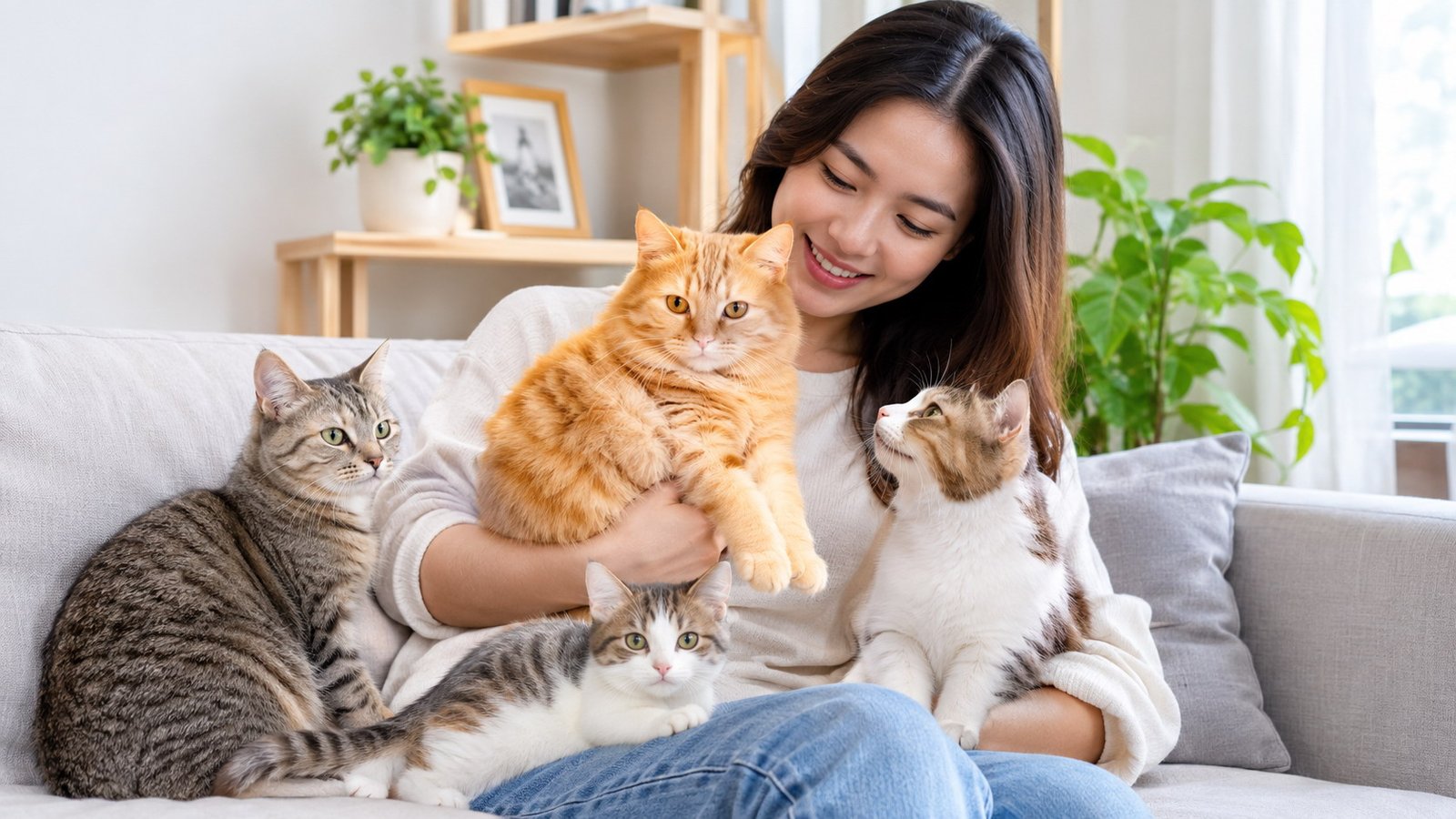
Choosing a pet while raising children on your own can be rewarding, but it also comes with unique responsibilities. The best cat breeds for single parents are those that fit comfortably into a busy household, offer companionship without demanding constant attention, and have temperaments that work well around children.
Cats can make wonderful family pets because many are relatively independent compared with dogs. However, not every cat has the same personality or care requirements. Some breeds are affectionate and enjoy spending time with their owners, while others prefer quieter environments and more personal space. Finding the right match can make everyday life easier for both parents and children.
This post explores 10 cat breeds that may suit single-parent households, including their personalities, grooming needs, independence levels, and compatibility with children. You’ll also learn how to choose a cat based on your family’s routine, whether you work full-time, live in an apartment, or are welcoming your first pet.
In This Article
What Makes a Cat Breed Ideal for Single Parents?
Single parents often balance several responsibilities, including work, childcare, household chores, and family activities. Choosing a cat that fits this lifestyle can help prevent unnecessary stress while giving everyone a loving companion.
Although cats are generally more independent than many other household pets, they still need daily attention, proper nutrition, veterinary care, playtime, and a clean living environment. The ideal family cat should have a personality and activity level that complement your household rather than create additional challenges.
Affectionate Without Being Overly Demanding
A loving cat can provide wonderful companionship for both parents and children. Many cats enjoy sitting beside their owners, following family members around the house, or curling up on the sofa during quiet evenings.
However, extremely attention-seeking cats may struggle when their owners are frequently away. Single parents who work outside the home may benefit from a cat that enjoys affection but can also entertain itself for reasonable periods.
Look for a cat that:
- Enjoys spending time with family members without constantly demanding attention.
- Feels comfortable relaxing independently.
- Accepts gentle handling and appropriate interaction.
- Can settle down during busy household activities.
A balanced temperament is particularly helpful when children have school, extracurricular activities, and other commitments.
Patient and Gentle Around Children
A family-friendly cat should be reasonably comfortable around children, especially if your household includes toddlers or younger kids.
Some cats are naturally more tolerant of household activity, while others become nervous around loud noises, sudden movements, or enthusiastic handling. A gentle personality can make introductions easier, but no breed is automatically safe or suitable for every child.
Teach children to respect a cat’s boundaries from the beginning. They should avoid pulling tails, grabbing ears, chasing cats, or disturbing them while eating or sleeping.
Important: Always supervise interactions between young children and cats. Even a calm, affectionate cat may scratch or bite when frightened, hurt, or overwhelmed.
Independent Enough to Handle a Busy Schedule
Independence is another important consideration when choosing the best cat breeds for single parents.
Some cats are comfortable spending part of the day relaxing alone, particularly when they have access to toys, scratching posts, comfortable sleeping areas, and interesting places to explore.
British Shorthairs and many adult domestic shorthairs, for example, can be good candidates for households with structured daily routines.
However, independence does not mean a cat can be left without care for extended periods. Cats still require fresh water, appropriate meals, clean litter boxes, social interaction, and daily monitoring.
Manageable Grooming and Healthcare Needs
Grooming requirements can make a significant difference when you’re already managing a busy household.
Shorthaired cats generally require less coat maintenance than longhaired breeds. Regular brushing is still beneficial because it removes loose hair, reduces shedding around the home, and gives you an opportunity to check your cat’s skin.
Consider these factors before choosing a breed:
- Coat length: Longhaired cats may need frequent brushing to prevent tangles and mats.
- Shedding: Some cats shed heavily, requiring more cleaning around the home.
- Health concerns: Certain purebred cats have inherited conditions that may require additional veterinary attention.
- Dental care: Regular dental checks and appropriate home care help maintain oral health.
- Exercise: Active breeds need daily play and enrichment to remain physically and mentally stimulated.
Avoid choosing a breed based entirely on claims that it is low-maintenance. Every cat needs consistent care, and some breeds have specific health requirements.
Adaptable to Different Living Environments
Single-parent families live in many different types of homes, from small apartments to larger houses with gardens. A suitable cat should be able to adjust to the available space.
Cats do not necessarily need a large house to be happy. An indoor environment can provide everything they need when it includes:
- A comfortable sleeping area.
- Clean litter boxes in accessible locations.
- Scratching posts and climbing opportunities.
- Interactive toys and regular play sessions.
- Safe windows or viewing areas for environmental enrichment.
Remember: Indoor cats need stimulation, not simply space. Providing vertical climbing areas, hiding places, and opportunities to play can make even a small apartment enjoyable.
10 Best Cat Breeds for Single Parents and Busy Families
Finding the right companion involves more than choosing a beautiful-looking cat. Personality, energy level, grooming requirements, and compatibility with children should all influence your decision.
The following 10 breeds offer different qualities that may appeal to single-parent households. Some are relatively independent, while others are more affectionate and sociable.
Ragdoll – A Gentle and Affectionate Family Companion
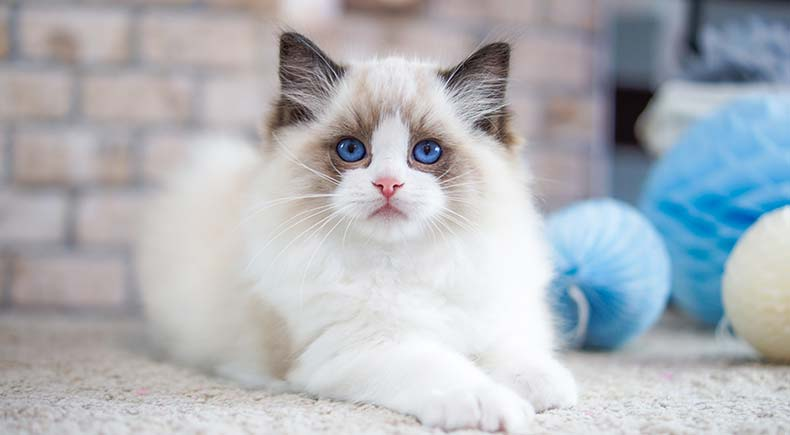
Ragdolls are famous for their striking blue eyes, soft semi-long coats, and affectionate personalities. They often enjoy spending time with their owners and are known for their relaxed, sociable nature.
This breed can be an appealing choice for single parents who want a loving companion that enjoys family interaction.
Why Ragdolls may suit single-parent families:
- Generally affectionate and people-oriented.
- Often enjoy relaxing beside family members.
- Playful without typically being as energetic as some highly active breeds.
- Can adapt well to indoor living.
- Often develop strong bonds with their human companions.
Ragdolls can be particularly enjoyable for families with older children who understand how to handle cats gently. Their relaxed temperament does not mean they should be treated like toys or carried around without support.
Care considerations:
Their semi-long coats need regular brushing, ideally several times a week, to prevent tangles and remove loose fur. They also benefit from interactive play and regular veterinary examinations.
Ragdolls are predisposed to certain inherited health conditions, including hypertrophic cardiomyopathy (HCM). Responsible breeders should provide appropriate health screening information.
Best for: Single parents who want an affectionate, sociable indoor companion and can provide regular grooming and interaction.
British Shorthair – Independent Yet Loving
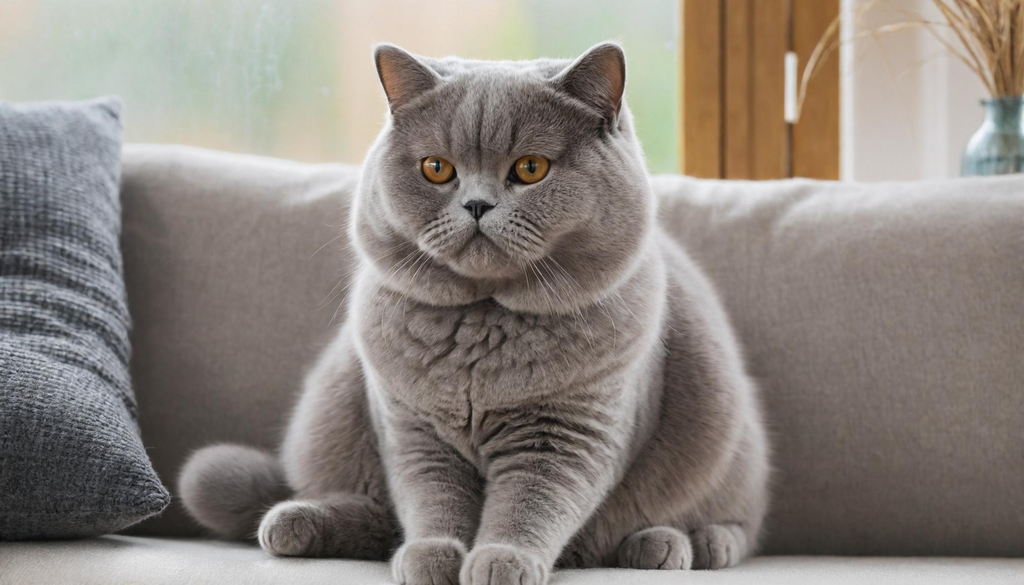
British Shorthairs are among the most appealing cats for busy families because they tend to have calm, independent personalities. Their round faces, dense coats, and sturdy bodies give them a distinctive appearance.
Unlike some highly demanding breeds, British Shorthairs often appreciate companionship without needing constant physical attention.
They may happily spend time relaxing while parents work, prepare meals, or help children with homework.
Why British Shorthairs may suit single-parent families:
- Generally calm and easygoing.
- Often comfortable spending time independently.
- Usually enjoy being near family members.
- Have relatively straightforward grooming requirements.
- Can adapt to apartment living with sufficient enrichment.
British Shorthairs are not necessarily lap cats. Many prefer sitting beside their owners rather than being picked up or carried frequently.
This can be an advantage in households where children need to learn that affection should happen on the cat’s terms.
Care considerations:
Their dense coats benefit from weekly brushing, with more frequent grooming during seasonal shedding. They also need regular play to prevent excessive weight gain.
Potential health concerns include hypertrophic cardiomyopathy and polycystic kidney disease in some bloodlines. Ask breeders about relevant health screening.
Best for: Single parents with structured routines who want a relatively independent, calm, and affectionate companion.
American Shorthair – A Playful but Adaptable Companion
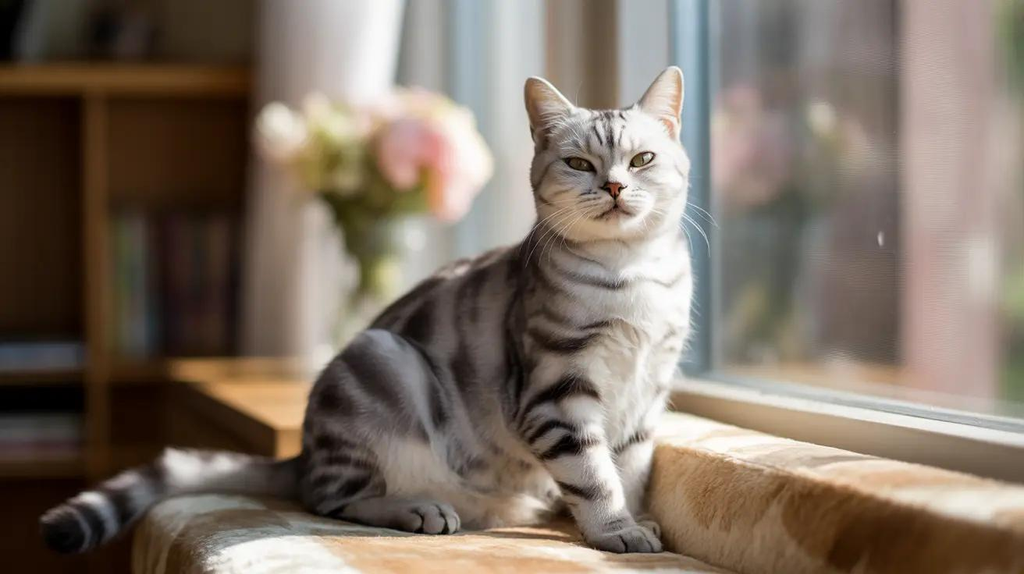
American Shorthairs are well-known for their adaptable personalities, sturdy builds, and attractive coat patterns. They are often friendly without being excessively demanding, making them worth considering for family households.
These cats can enjoy interactive play with children while remaining comfortable relaxing independently.
Their balanced temperament may be particularly appealing to parents who want a companion that participates in family life without requiring constant entertainment.
Why American Shorthairs may suit single-parent families:
- Generally adaptable to different household environments.
- Often friendly and sociable.
- Can enjoy playing with children.
- Usually have manageable grooming needs.
- Tend to be reasonably independent.
American Shorthairs are also available in many colors and patterns, including silver tabby, brown tabby, black, white, and calico.
Care considerations:
Their short, dense coats generally require weekly brushing. Regular play is important because they can become overweight when their activity levels are too low.
Provide climbing opportunities, scratching posts, and toys that encourage natural hunting behaviors.
Best for: Single parents looking for an adaptable, moderately playful cat with relatively simple grooming requirements.
Maine Coon – A Patient and Sociable Gentle Giant
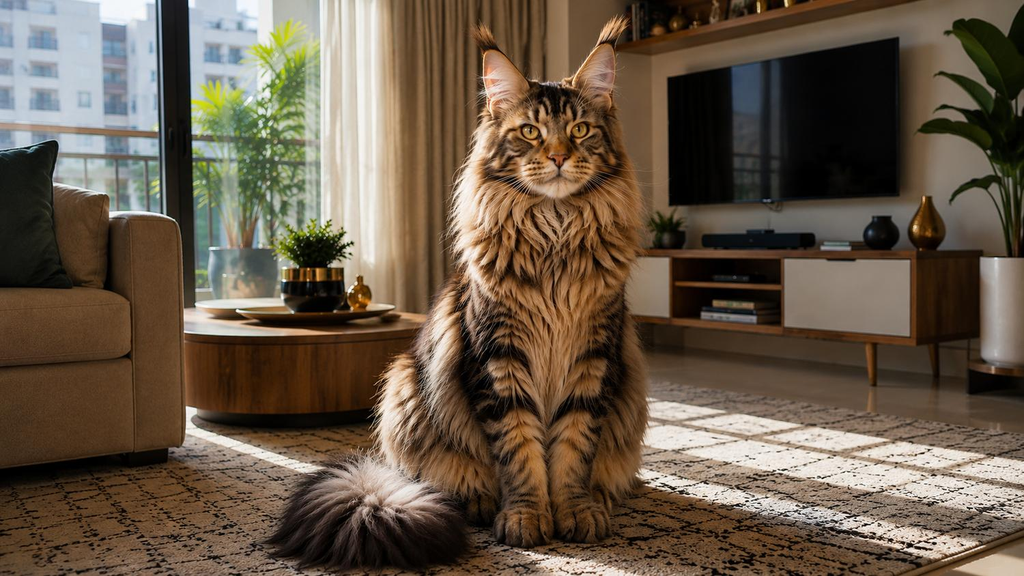
Maine Coons are among the largest domestic cat breeds, but their impressive size is matched by their often friendly and sociable personalities.
Sometimes called gentle giants, these cats are known for their playful behavior, intelligence, and interest in interacting with their families.
They can be wonderful companions for households with children who understand how to respect an animal’s boundaries.
Why Maine Coons may suit single-parent families:
- Often friendly and sociable.
- Generally enjoy interactive play.
- Can form strong bonds with family members.
- Are intelligent and curious.
- May adapt well to households with other pets when properly introduced.
Maine Coons are particularly appealing to families who want an interactive cat that enjoys being involved in everyday activities.
However, their larger size and energetic personalities mean they need sufficient space, enrichment, and opportunities to exercise.
Care considerations:
Their long, thick coats require regular brushing, usually several times a week. Their size also means food expenses and some equipment costs may be higher than those for smaller cats.
Maine Coons can be predisposed to hypertrophic cardiomyopathy, hip dysplasia, and certain inherited conditions. Responsible breeders should conduct appropriate health testing.
Best for: Single parents with enough time for grooming, play, and interaction who want a sociable family companion.
Russian Blue – A Quiet Companion for Structured Homes
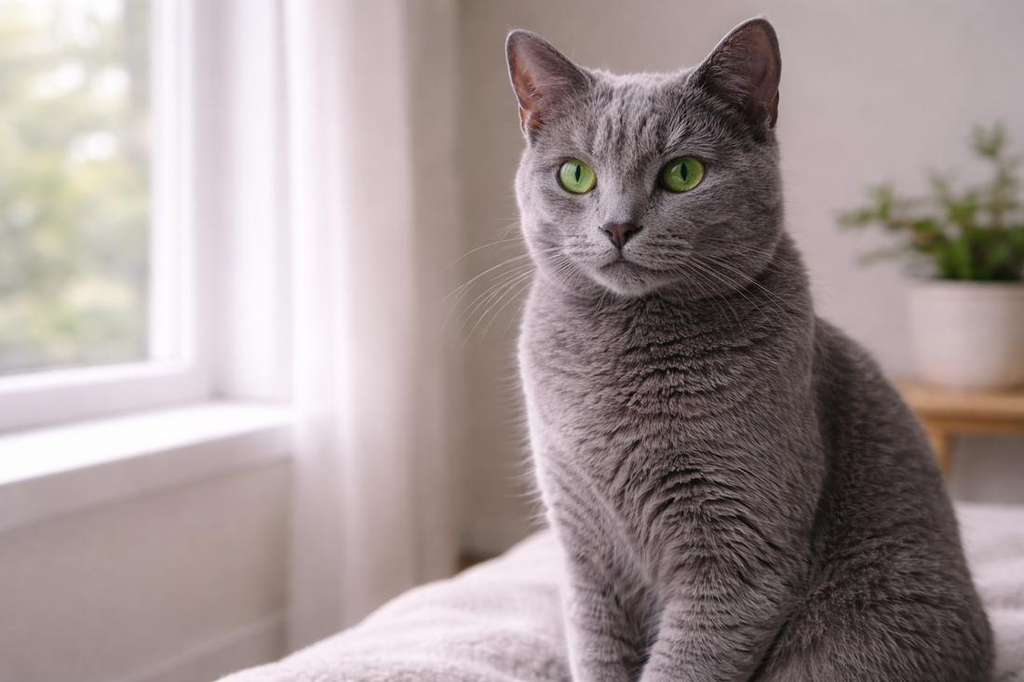
Russian Blue cats are admired for their elegant appearance, plush blue-gray coats, and bright green eyes. Their personalities are often described as gentle, reserved, and loyal.
They may form particularly strong bonds with their families while remaining cautious around unfamiliar people or noisy environments.
For single parents who prefer a quieter household, a Russian Blue may be an attractive option.
Why Russian Blues may suit single-parent families:
- Often enjoy predictable daily routines.
- Can be affectionate with familiar family members.
- Generally have manageable grooming requirements.
- Often appreciate quiet resting areas.
- Can adapt to indoor living.
Russian Blues may need more time to become comfortable around young children or visitors. Early socialization and respectful introductions can help them feel secure.
Care considerations:
Their short double coat benefits from weekly brushing. They also need daily play, environmental enrichment, and a balanced diet to maintain a healthy weight.
Although their coats are relatively easy to maintain, no cat breed is completely hypoallergenic.
Best for: Single parents with quieter households who want a loyal, relatively independent companion.
Burmese – An Affectionate Cat That Loves Company
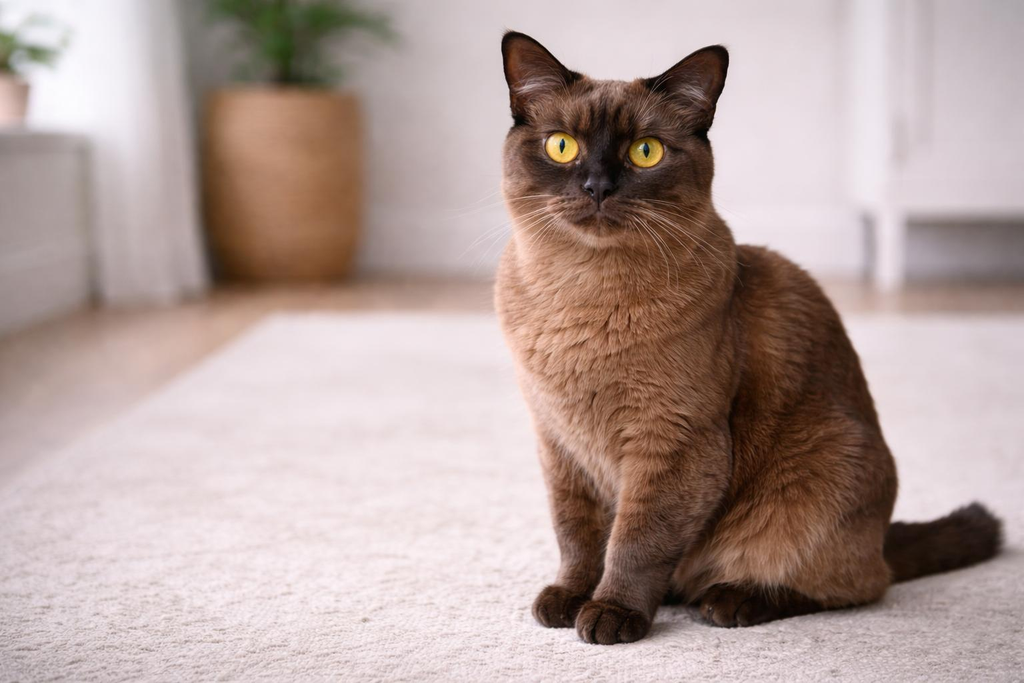
Burmese cats are affectionate, intelligent, and highly social. They often enjoy interacting with their owners and may follow family members from room to room.
Their playful personalities can make them wonderful companions for children who enjoy spending time with animals.
Unlike more independent breeds, Burmese cats often prefer having company throughout the day.
Why Burmese cats may suit single-parent families:
- Usually affectionate and people-oriented.
- Often enjoy interactive games.
- Can be playful companions for older children.
- Have short coats that are relatively easy to maintain.
- Often develop close relationships with family members.
Their social nature is an important consideration. A Burmese may become bored or lonely if left without enough interaction and enrichment.
Parents who work long hours should plan daily play sessions and consider whether another compatible pet could provide companionship.
Care considerations:
Their short, silky coats generally need only occasional brushing. However, they still require routine dental care, veterinary examinations, and appropriate nutrition.
Best for: Single parents who spend plenty of time at home and want an affectionate, interactive family cat.
Birman – A Sweet-Natured and Social Family Cat
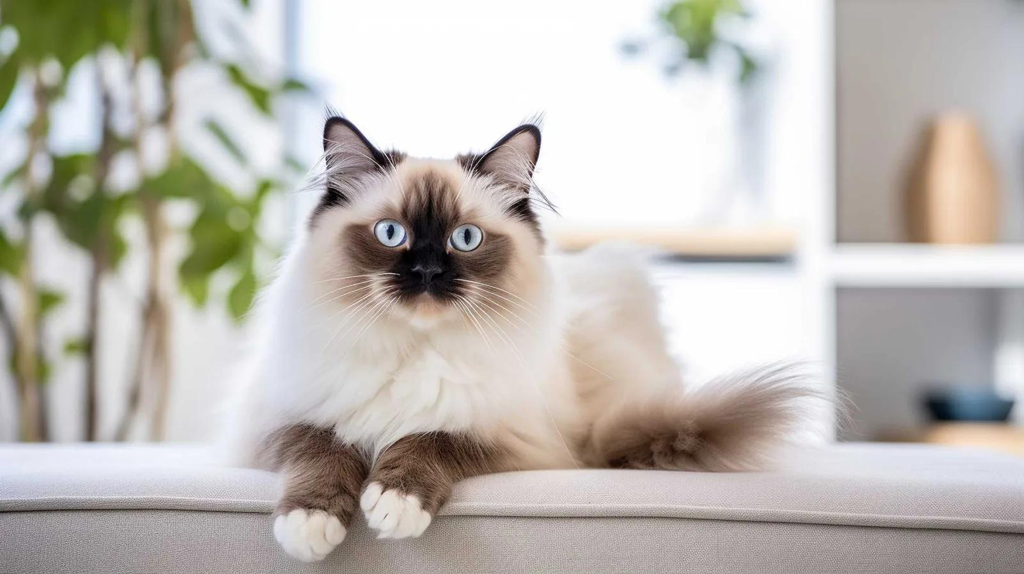
Birmans are beautiful cats recognized by their blue eyes, colorpoint coats, and distinctive white paws. Their personalities are often described as gentle, affectionate, and sociable.
They can be a lovely addition to families looking for a cat that enjoys companionship without necessarily being as demanding as some highly vocal breeds.
Birmans often appreciate spending time near their owners and may enjoy participating in quiet family activities.
Why Birmans may suit single-parent families:
- Generally gentle and affectionate.
- Often comfortable around familiar people.
- Can enjoy playing with children.
- Tend to have moderate activity levels.
- Usually have manageable grooming needs compared with many longhaired breeds.
Their friendly nature can make them appealing for households with older children who understand how to interact respectfully with pets.
Care considerations:
Their silky, semi-long coats benefit from regular brushing, particularly around areas where tangles may develop.
Birmans also need daily interaction, suitable toys, and routine veterinary care. Ask breeders about inherited health conditions and the health history of the kitten’s parents.
Best for: Single parents who want a gentle, sociable cat with a beautiful coat and moderate grooming requirements.
Exotic Shorthair – A Relaxed Cat with a Plush Coat
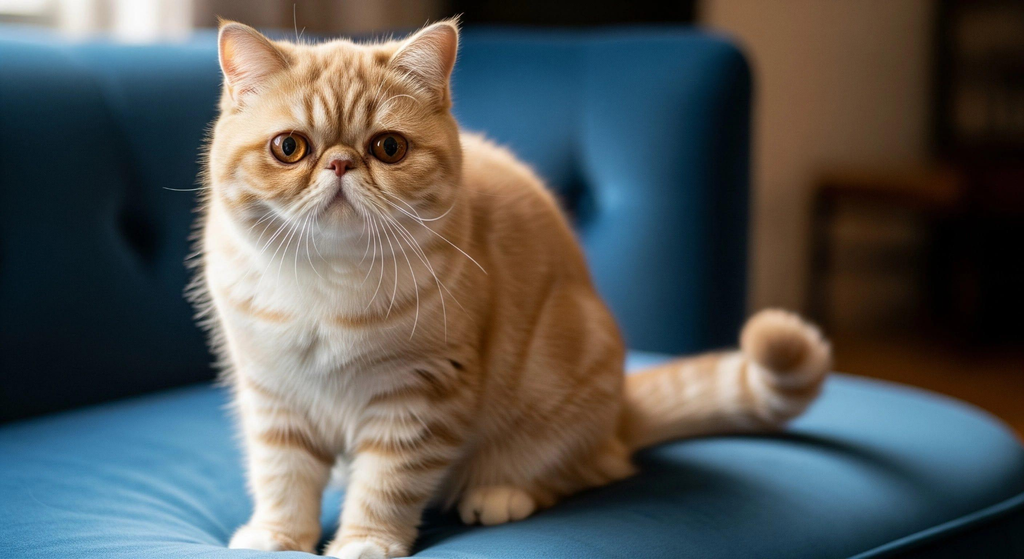
Exotic Shorthairs have a distinctive appearance, with round faces, large eyes, compact bodies, and thick plush coats. They are sometimes described as shorthaired versions of Persian cats.
Their personalities are often calm, affectionate, and relatively relaxed, which can appeal to parents who prefer a quieter companion.
They may enjoy sitting beside family members and spending peaceful time indoors.
Why Exotic Shorthairs may suit single-parent families:
- Often have calm temperaments.
- Can enjoy affection and companionship.
- Generally have lower coat-maintenance needs than Persian cats.
- May adapt well to indoor environments.
- Often enjoy predictable household routines.
Important health considerations:
Exotic Shorthairs have shortened facial structures, which can contribute to breathing difficulties, eye problems, dental issues, and heat intolerance.
Their facial anatomy makes responsible breeding and veterinary monitoring especially important. A flat face should never be mistaken for a harmless cosmetic feature.
Their dense coats also benefit from regular brushing, and their facial folds may need gentle cleaning when recommended by a veterinarian.
Best for: Single parents who prefer a relaxed indoor companion and are prepared to monitor potential breed-related health concerns.
Siamese – An Intelligent and Interactive Companion
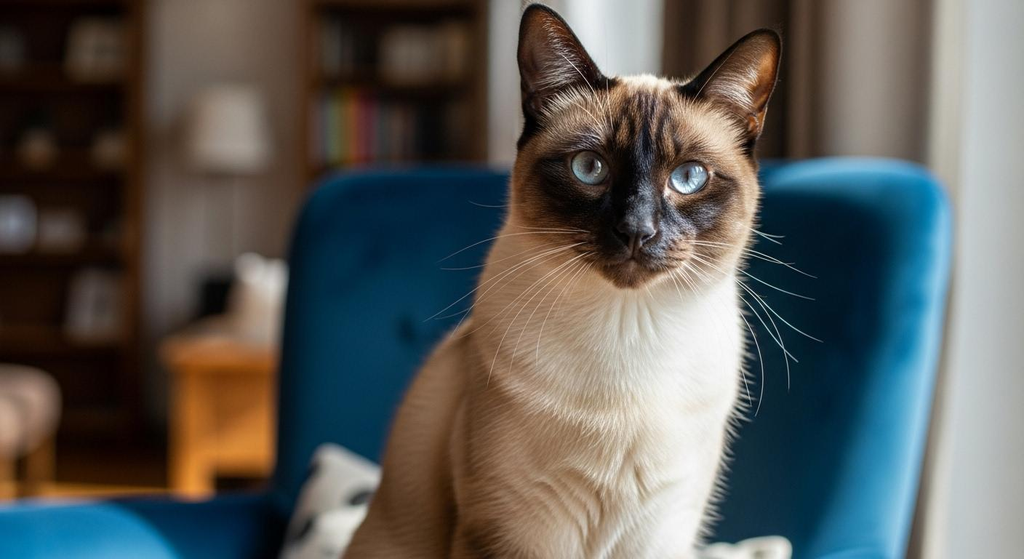
Siamese cats are known for their striking blue eyes, colorpoint coats, intelligence, and highly social personalities.
They often enjoy communicating with their owners through vocalizations and may actively seek attention from family members.
Their playful nature can make them entertaining companions, particularly for families who enjoy spending time interacting with their pets.
Why Siamese cats may suit single-parent families:
- Highly intelligent and curious.
- Often affectionate and people-oriented.
- Enjoy interactive toys and games.
- Can form close bonds with family members.
- Have short coats with relatively simple grooming requirements.
However, Siamese cats are not always the best choice for parents who spend most of the day away from home.
Their social needs can be demanding, and they may become bored or distressed without sufficient companionship.
Care considerations:
Siamese cats benefit from daily interactive play, puzzle feeders, climbing structures, and regular social interaction.
Their short coats are easy to maintain, but their emotional and mental stimulation needs should not be overlooked.
Best for: Single parents who have enough time for daily interaction and want an intelligent, playful, vocal companion.
Domestic Shorthair – An Often-Overlooked Family Favorite
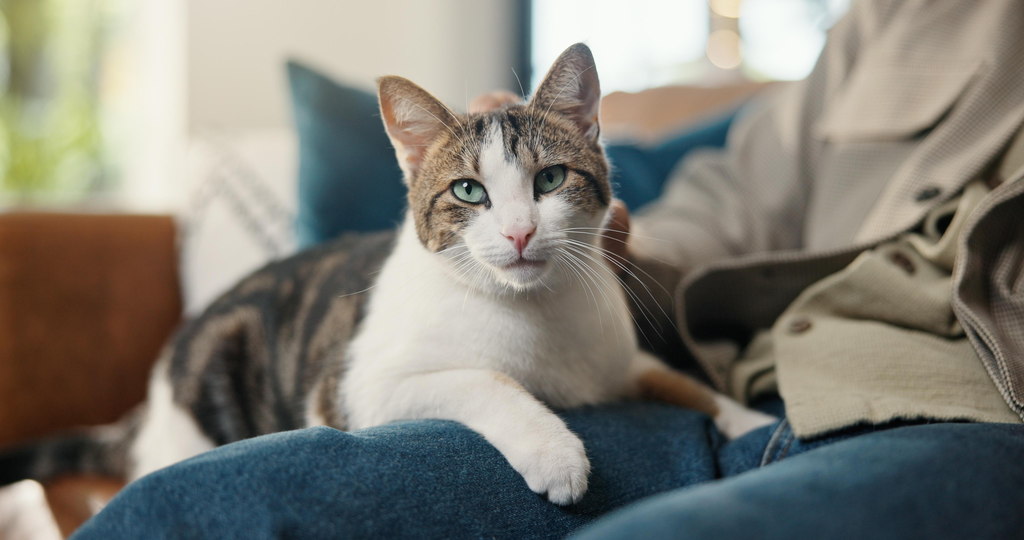
Domestic Shorthairs are mixed-breed cats with a wide range of appearances, personalities, and coat patterns. They are not a specific pedigree breed, but they can make excellent companions for single-parent households.
One of their biggest advantages is variety. You can find Domestic Shorthairs that are playful, affectionate, independent, calm, or somewhere in between.
Adopting an adult Domestic Shorthair can be particularly helpful because shelters and foster caregivers may already understand the cat’s personality and behavior.
Why Domestic Shorthairs may suit single-parent families:
- Available in many different personalities and temperaments.
- Often have relatively manageable grooming needs.
- Can make affectionate and playful companions.
- Adult cats may have established behavioral patterns.
- Adoption may be more affordable than purchasing certain pedigree breeds.
Their individual temperament is especially important. Some Domestic Shorthairs enjoy being around children, while others prefer quieter homes.
Care considerations:
Most shorthaired domestic cats benefit from weekly brushing, regular nail checks, routine veterinary visits, and daily play.
When adopting, ask about the cat’s history, health records, litter box habits, and previous experiences with children.
Best for: Single parents who want flexibility, an opportunity to adopt, and a cat whose personality can be assessed before joining the family.
Which Cat Breed Is Best for Your Parenting Lifestyle?
The best cat breed for a single parent depends on more than personality alone. Your children’s ages, work schedule, living arrangements, and available time for pet care should all influence your decision.
A cat that works beautifully for a parent with teenagers may not be the right choice for someone raising toddlers. Similarly, an affectionate breed that enjoys constant company may struggle in a household where everyone is away for much of the day.
Best Cat Breeds for Single Parents With Toddlers
Families with toddlers should prioritize cats that are confident, relatively patient, and comfortable with normal household activity.
However, even gentle cats need opportunities to retreat when they feel overwhelmed.
Consider:
- British Shorthair: Often calm and comfortable with independent activities.
- Ragdoll: Frequently affectionate and sociable with familiar people.
- American Shorthair: Often adaptable and moderately playful.
- Adult Domestic Shorthair: Can be a good choice when its history with young children is known.
An adult cat with an established, child-friendly temperament may be easier to assess than a young kitten.
Never leave a toddler alone with a cat, regardless of breed. Provide separate areas where both the child and the cat can feel comfortable.
Best Cat Breeds for Single Parents With School-Age Children
School-age children can often participate more actively in responsible pet care.
They may help measure food, refill water bowls, brush a cooperative cat, or participate in supervised play sessions.
Some breeds worth considering include:
- Maine Coon: Often playful, intelligent, and sociable.
- American Shorthair: Adaptable and generally easygoing.
- Burmese: Interactive and affectionate.
- Birman: Often gentle and interested in family companionship.
Parents should still remain responsible for feeding schedules, litter box hygiene, veterinary care, and monitoring the cat’s health.
Children can assist with these activities, but pet ownership should never become their sole responsibility.
Best Cat Breeds for Single Parents Who Work Full-Time
Working full-time can make choosing the right cat more challenging. Cats may spend several hours alone, so a breed with a more independent temperament may be preferable.
British Shorthairs, Russian Blues, and some adult Domestic Shorthairs may be worth considering.
These cats can sometimes be comfortable with structured routines and periods of independent relaxation.
However, no cat should be chosen simply because it is expected to tolerate being alone all day.
Before leaving for work, make sure your cat has:
- Fresh drinking water.
- Appropriate meals according to its feeding schedule.
- Clean and accessible litter boxes.
- Safe toys and enrichment activities.
- Comfortable sleeping and hiding areas.
- Access to scratching posts and climbing opportunities.
Spend time playing with your cat before or after work. Interactive play helps provide mental stimulation and encourages healthy activity.
If your schedule involves frequent long absences, arrange reliable care from a trusted person or professional pet sitter.
Best Cat Breeds for Single Parents Living in Apartments
Apartment living does not prevent you from owning a happy, healthy cat. The important thing is creating an environment that meets its physical and mental needs.
British Shorthairs, Russian Blues, Ragdolls, and many Domestic Shorthairs can adapt to indoor apartment living when provided with suitable enrichment.
Consider these practical features:
- A cat tree or vertical climbing shelves.
- A scratching post that suits your cat’s preferences.
- Interactive toys and puzzle feeders.
- A quiet sleeping area away from household noise.
- Properly maintained litter boxes.
- Secure windows and balconies to prevent accidental falls.
Keep cats indoors or provide secure outdoor access. Unsupervised outdoor access can expose cats to traffic, disease, predators, and other hazards.
Best Cat Breeds for First-Time Single Parents
First-time cat owners should prioritize a predictable temperament, manageable grooming requirements, and a realistic care routine.
American Shorthairs, British Shorthairs, and adult Domestic Shorthairs may be good starting points, depending on the individual cat.
Before adopting or purchasing a cat, compare these characteristics:
| Cat Breed | Personality | Independence | Grooming Needs | Family Compatibility |
| Ragdoll | Gentle, affectionate | Moderate | Moderate to high | Often good |
| British Shorthair | Calm, independent | High | Low to moderate | Often good |
| American Shorthair | Friendly, adaptable | Moderate to high | Low | Often good |
| Maine Coon | Sociable, playful | Moderate | High | Often good |
| Russian Blue | Quiet, loyal | Moderate | Low | Better with calm introductions |
| Burmese | Affectionate, social | Low to moderate | Low | Often good |
| Birman | Gentle, sociable | Moderate | Moderate | Often good |
| Exotic Shorthair | Relaxed, affectionate | Moderate | Moderate | Depends on individual health and temperament |
| Siamese | Intelligent, vocal | Low to moderate | Low | Often good with interaction |
| Domestic Shorthair | Varies individually | Varies individually | Usually low | Depends on individual temperament |
Note: Independence, grooming requirements, and child compatibility vary between individual cats. These descriptions are general breed tendencies, not guarantees.
When making your decision, consider the time and money you can realistically dedicate to pet ownership. A healthy, well-adjusted cat with a compatible personality is usually a better choice than a particular pedigree breed that does not fit your household.
How to Choose Between a Kitten and an Adult Cat as a Single Parent
Choosing between a kitten and an adult cat is an important decision for single parents. Both can become loving family companions, but their care requirements, energy levels, and daily routines are quite different.
Kittens are adorable and entertaining, but they require considerable supervision, patience, and training. Adult cats may be easier to manage because their personalities and habits are often more established.
Your work schedule, children’s ages, and experience with pets should help determine which option is the better fit.
Advantages and Disadvantages of Raising a Kitten
Kittens can bring plenty of excitement into a family home. Watching them explore, play, and develop their personalities can be a wonderful experience for children.
However, raising a kitten requires time and consistency, especially during the first several months.
Advantages of adopting a kitten:
- You can introduce positive habits and routines from an early age.
- Kittens often adapt well when properly socialized.
- They can grow alongside your children.
- Their playful personalities provide plenty of entertainment.
- You can gradually introduce them to household activities and family members.
Potential challenges:
- Kittens need frequent meals appropriate for their age.
- They require regular play and mental stimulation.
- They may scratch furniture or explore areas where they should not go.
- Litter box habits and appropriate scratching behavior may need reinforcement.
- They require vaccination, parasite prevention, and routine veterinary visits.
- Their unpredictable movements may be difficult for very young children to understand.
Single parents should also consider nighttime activity. Young kittens may become playful when the household is trying to sleep, particularly if they have not received enough stimulation during the day.
Practical tip: If you choose a kitten, prepare a dedicated kitten-safe room with food, water, a litter box, bedding, scratching surfaces, and appropriate toys. Gradually introduce the kitten to the rest of the home.
Why an Adult Cat May Be Easier for Busy Parents
Adult cats can be excellent companions for single-parent households, particularly when time and daily responsibilities are limited.
Their personalities are generally more established, making it easier to identify whether they are affectionate, independent, playful, or comfortable around children.
An adult cat may already understand basic household routines and litter box habits, reducing some of the challenges associated with raising a kitten.
Benefits of adopting an adult cat include:
- More predictable personality and behavior.
- Often less demanding supervision than young kittens.
- Established litter box habits in many cases.
- Potentially better compatibility with a family’s existing routine.
- Easier assessment of temperament around children.
- Many adult cats are already comfortable living indoors.
Senior cats can also make wonderful companions for families seeking a calmer household pet. However, they may require more frequent veterinary monitoring or specialized nutrition.
One important consideration: Adult cats still need daily attention, play, exercise, and affection. Their calmer personalities do not eliminate their social and physical needs.
How to Assess a Cat’s Temperament Around Children
Breed descriptions can provide useful guidance, but observing an individual cat is much more important when choosing a family pet.
A cat described as affectionate may still dislike being picked up, while a mixed-breed cat may be exceptionally patient and sociable.
Before adopting, spend time observing how the cat behaves around people.
Look for these positive signs:
- Approaches familiar people without excessive fear.
- Recovers reasonably well after encountering unfamiliar sounds.
- Shows relaxed body language when interacting with people.
- Accepts gentle interaction without becoming distressed.
- Has a healthy interest in exploring its environment.
- Can move away when it wants personal space.
Watch for signs that a cat is uncomfortable, including flattened ears, a tucked tail, growling, hissing, hiding, or repeated attempts to escape interaction.
These behaviors do not automatically mean a cat is unsuitable for families. They indicate that the animal may need more space, patience, or a quieter environment.
Questions to Ask Shelters, Breeders, or Foster Caregivers
Getting accurate information before bringing a cat home can prevent misunderstandings later.
Ask questions such as:
- Has the cat previously lived with children?
- Does it enjoy being around people?
- Is it comfortable being handled gently?
- Does it have any known medical conditions?
- Is it accustomed to living indoors?
- Does it have established litter box habits?
- Has it shown signs of separation-related distress?
- Does it get along with other cats or household pets?
- What type of food is it currently eating?
- Are vaccination and parasite-prevention records available?
If you adopt from a shelter, ask whether the organization offers post-adoption support or a trial adoption period.
Responsible breeders should also provide health information about the kitten’s parents and relevant genetic screening.
The goal is to choose a cat whose existing personality and needs fit your household, rather than expecting the cat to change completely after adoption.
Making Cat Ownership Easier: Essential Care Tips for Busy Single Parents
Bringing a cat into your family does not have to make everyday life overwhelming. A practical care routine can help you balance parenting responsibilities while keeping your pet healthy and comfortable.
The key is creating simple habits that become part of your normal household schedule.
Establish a Simple Daily Feeding and Cleaning Routine
Cats benefit from predictable feeding schedules. Regular mealtimes can also make it easier to monitor appetite and notice changes in eating behavior.
Most adult cats do well with meals divided into appropriate portions throughout the day, although individual requirements vary according to age, health, activity level, and veterinary recommendations.
A simple daily routine might include:
Morning:
- Provide fresh water.
- Serve breakfast according to your cat’s feeding plan.
- Scoop the litter box.
- Spend a few minutes playing with your cat.
Evening:
- Provide the next scheduled meal.
- Clean the litter box again.
- Enjoy an interactive play session.
- Check that your cat appears comfortable and behaves normally.
Automatic feeders may help maintain consistent meal times when parents have busy schedules. However, they should not replace checking food intake, cleaning feeding equipment, or monitoring your cat’s health.
Choose Convenient Litter Boxes and Maintain Proper Hygiene
Litter box maintenance is one of the most important parts of responsible cat ownership.
A dirty litter box can discourage a cat from using it and may contribute to unwanted toileting behavior.
Follow these practical guidelines:
- Scoop solid waste and clumps at least once daily, preferably more often.
- Replace litter according to the product’s instructions and your cat’s needs.
- Wash the litter box regularly using mild, cat-safe cleaning products.
- Place boxes in quiet, accessible locations.
- Avoid placing litter boxes directly beside food and water bowls.
A common recommendation is to provide one litter box per cat, plus one additional box. This can be particularly useful in multi-cat households.
Covered litter boxes may help contain scattered litter, but some cats prefer open designs. Observe your pet’s preferences rather than assuming one style works for every cat.
Provide Interactive Toys, Scratching Posts, and Enrichment Activities
Cats need opportunities to express natural behaviors such as chasing, climbing, scratching, exploring, and hunting.
Providing enrichment is particularly important when parents work outside the home.
Useful options include:
- Wand toys for supervised interactive play.
- Puzzle feeders that encourage problem-solving.
- Scratching posts made from sisal or cardboard.
- Cat trees with comfortable resting platforms.
- Safe tunnels and hiding places.
- Toys that encourage chasing and pouncing.
Try scheduling two or more short play sessions throughout the day, adjusting the duration to your cat’s age and energy level.
Avoid leaving toys with loose strings, small detachable parts, or other choking hazards unattended.
Create a Comfortable and Safe Space Where Your Cat Can Retreat
Children bring energy and activity into a household. Even sociable cats need somewhere quiet to relax without being disturbed.
Set up a dedicated resting area where your cat can sleep, hide, and feel secure.
Consider including:
- A comfortable cat bed.
- A covered hiding space.
- A scratching surface.
- Fresh water nearby.
- A raised resting platform.
- Easy access to a clean litter box.
Teach children that the cat’s resting space is private. They should never chase the animal into hiding or force it to interact.
This simple arrangement can reduce household stress and help your cat feel more confident.
Plan Veterinary Appointments and Preventive Care
Preventive healthcare helps identify potential problems before they become serious.
Every cat should receive routine veterinary examinations, even when it appears healthy.
Important healthcare responsibilities include:
- Keeping vaccinations up to date.
- Following appropriate parasite-prevention recommendations.
- Monitoring body weight and appetite.
- Checking teeth and gums.
- Maintaining regular nail care.
- Discussing spaying or neutering.
- Scheduling additional examinations when needed.
Single parents should keep a small emergency fund for unexpected veterinary expenses.
Pet insurance may also be worth considering, depending on your location, available policies, exclusions, and household budget.
Seek veterinary attention if your cat develops persistent vomiting, diarrhea, appetite changes, unusual lethargy, breathing difficulties, or sudden behavioral changes. Difficulty breathing, collapse, and suspected poisoning require urgent veterinary care.
For additional guidance on responsible cat ownership, explore the American Veterinary Medical Association’s pet care resources.
Arrange Reliable Pet Care When Working Late or Traveling
Single parents may occasionally need to work overtime, travel, or manage unexpected family commitments.
Having a reliable backup caregiver makes these situations easier.
Consider arranging help from:
- A trusted family member.
- A responsible friend or neighbor.
- A professional pet sitter.
- A reputable boarding facility.
Prepare written instructions covering feeding amounts, medication, emergency contacts, veterinary details, and your cat’s normal behavior.
Never assume that leaving extra food and water is sufficient for an extended absence. Cats need regular monitoring, clean litter boxes, and human interaction.
Internal linking opportunity: Link this section to related MyPetInfoo articles about best cat food for different life stages and essential cat grooming tips for busy owners.
Common Mistakes Single Parents Should Avoid When Choosing a Cat
Choosing a cat can be exciting, especially when children are involved. However, making a decision too quickly may lead to problems that could have been avoided with a little preparation.
Understanding common mistakes can help you choose a companion that fits your household for many years.
Choosing a Cat Breed Based Entirely on Appearance
Beautiful coats, unusual eye colors, and distinctive facial features can make certain breeds especially appealing.
However, appearance tells you very little about whether a cat will fit your daily routine.
A longhaired Maine Coon may require more grooming than you can comfortably manage, while an energetic Siamese may need more interaction than your schedule allows.
Before choosing a breed, research its:
- Typical activity level.
- Social and companionship needs.
- Grooming requirements.
- Potential inherited health conditions.
- Expected size and nutritional needs.
- Compatibility with your living environment.
Choose temperament and care requirements first, then consider appearance.
Assuming Every Independent Cat Can Stay Alone All Day
Some breeds are more independent than others, but no cat should be treated as a pet that needs no attention.
Cats can become bored, stressed, or lonely when their physical and social needs are not met.
Even independent cats need daily interaction, enrichment, appropriate meals, and a clean environment.
If your work schedule keeps you away for long periods, create a reliable care plan before bringing a cat home.
Selecting a Highly Energetic Kitten Without Considering Available Time
Kittens need plenty of supervision, socialization, and play.
Their curiosity can also lead them into dangerous situations, especially in homes with young children or accessible household hazards.
Single parents with demanding schedules may find an adult cat easier to manage.
This does not mean kittens are unsuitable. It simply means their needs should match the time and attention your family can realistically provide.
Overlooking Grooming Costs and Breed-Related Health Concerns
Some cats require more grooming and healthcare than others.
Longhaired breeds may need regular brushing and occasional professional grooming. Certain flat-faced breeds may require additional veterinary monitoring.
Before choosing a pedigree cat, research potential inherited conditions and ask breeders about relevant health screening.
Remember to include these expenses in your household budget:
- Quality cat food.
- Litter and litter accessories.
- Vaccinations and preventive treatments.
- Routine veterinary examinations.
- Grooming supplies.
- Scratching posts and toys.
- Emergency veterinary expenses.
Expecting Children to Handle All Cat Care Responsibilities
Children can learn valuable lessons about kindness, responsibility, and empathy through caring for animals.
However, parents should remain responsible for every essential aspect of pet care.
Younger children may help refill water bowls or participate in supervised play, while older children can assist with feeding and brushing.
The adult must ensure that meals are provided, litter boxes are maintained, healthcare is arranged, and the cat receives appropriate attention.
Failing to Budget for Unexpected Veterinary Expenses
Routine pet expenses are only part of the financial commitment.
Cats can develop illnesses, experience injuries, or require unexpected treatments.
Before adopting, consider whether you can comfortably afford both regular expenses and potential emergency costs.
Having a dedicated pet savings fund can make unexpected situations less stressful.
Ignoring Gradual Introductions and Supervised Interactions
Bringing a new cat into a busy household can be overwhelming.
Children may want to hold and play with their new pet immediately, but the cat needs time to adjust.
Start by giving the cat a quiet room with essential supplies. Allow it to explore gradually and approach family members at its own pace.
Teach children to recognize signs of stress and respect the cat’s need for personal space.
A successful introduction is based on patience, positive experiences, and consistent supervision.
FAQs About the Best Cat Breeds for Single Parents
What is the best cat breed for a single mom or dad?
British Shorthairs, American Shorthairs, and Ragdolls are worth considering because they are often described as calm, adaptable, or affectionate. However, an adult Domestic Shorthair with a known, compatible temperament can be equally suitable.
What cats are best for single parents who work full-time?
British Shorthairs, Russian Blues, and some adult Domestic Shorthairs may suit working parents because many individuals are comfortable with periods of independent activity. They still need daily attention, enrichment, feeding, and regular care.
Are Ragdoll cats good for families with young children?
Ragdolls are often affectionate and gentle, which can make them appealing family companions. However, their relaxed personalities do not guarantee that every individual will enjoy being handled by young children. Supervised interactions and respectful handling are essential.
Which cat breeds are the most independent?
British Shorthairs and some Russian Blues are commonly described as relatively independent. Individual personalities vary, and even independent cats need companionship, stimulation, and daily care.
Are kittens or adult cats better for single parents?
Adult cats may be easier for busy single parents because their personalities and habits are often more established. Kittens can also be wonderful companions but generally require more supervision, socialization, and training.
What is the easiest cat breed to care for?
American Shorthairs and many Domestic Shorthairs are often practical choices because their short coats generally require less grooming than longhaired breeds. However, every cat needs proper nutrition, veterinary care, enrichment, and attention.
Can a cat be happy in a home with only one parent?
Absolutely. Cats can thrive in single-parent households when their physical, emotional, and social needs are met. Consistent routines, daily interaction, a comfortable environment, and appropriate enrichment help support their well-being.
How long can a cat safely stay home alone?
The appropriate time depends on the cat’s age, health, temperament, and individual needs. Healthy adult cats may manage a typical workday with proper preparation, but kittens, senior cats, and cats with medical conditions may need more frequent monitoring. For longer absences, arrange a trusted caregiver to check on your cat.
Choosing the right cat can bring years of companionship, comfort, and happiness to a single-parent household. The best cat breeds for single parents are not necessarily the most expensive or popular ones, but those whose personalities, activity levels, and care requirements match the family’s everyday life.
Take time to meet potential cats, ask questions about their temperaments, and consider adoption from a reputable shelter or rescue organization. Whether you choose an affectionate Ragdoll, an independent British Shorthair, or a friendly adult Domestic Shorthair, the most important thing is providing a safe, loving, and consistent home.
Ready to welcome a feline companion into your family? Start by identifying the qualities that matter most to your household, then explore available cats whose personalities and needs fit your lifestyle. A thoughtful choice today can lead to a wonderful lifelong friendship for both you and your children.