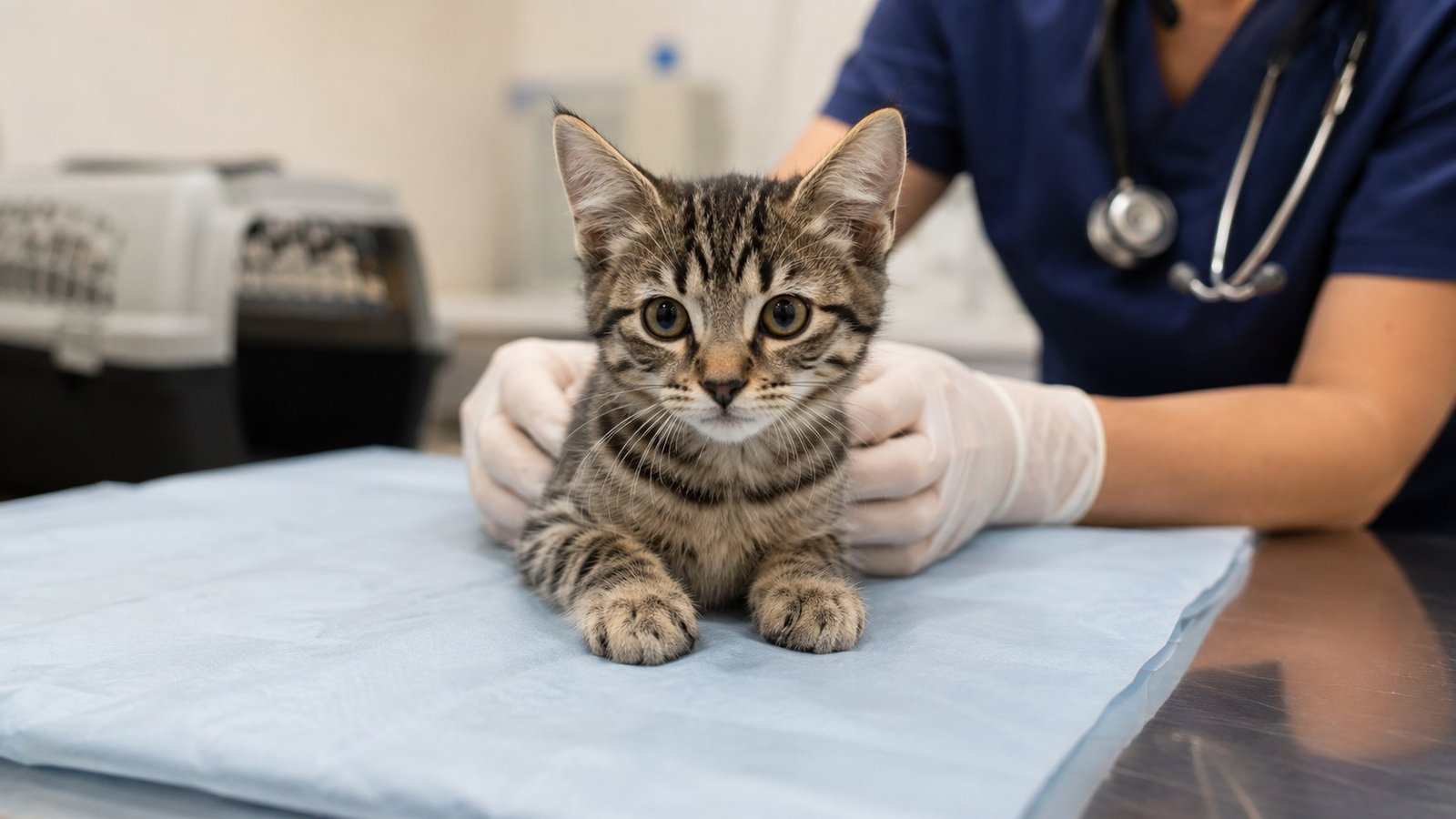
Many kitten owners ask the same question before scheduling the procedure: how much is it to declaw kittens? The short answer is that kitten declawing usually costs between $100 and $800 per cat, depending on the veterinarian, location, surgical method, anesthesia, and aftercare included.
However, the price is only one part of the decision. Declawing is a controversial surgery that permanently removes part of a cat’s toes, and many veterinarians, animal welfare organizations, and countries discourage or ban the procedure entirely.
This guide explains:
- Average declawing costs
- What affects the price
- What the surgery actually involves
- Recovery expectations
- Risks and long-term complications
- Humane alternatives to declawing
- Frequently asked questions kitten owners often search for next
If you are considering declawing your kitten, understanding the full picture can help you make a more informed and responsible decision.
In This Article
What Does It Mean to Declaw a Kitten?
Declawing is a surgical procedure called an onychectomy. It does not simply remove the claws. Instead, the veterinarian amputates the last bone of each toe where the claw grows.
In most cases, only the front paws are declawed, though some procedures involve all four paws.
The surgery is usually performed under general anesthesia using one of several methods:
- Scalpel blade
- Surgical scissors
- Laser surgery
Because it involves amputation, declawing is considered a major surgical procedure rather than a routine grooming treatment.
Quick Answer: How Much Is It to Declaw Kittens?
Here is a general pricing overview in the United States.
| Declawing Type | Average Cost |
| Front paws only | $100–$500 |
| All four paws | $200–$800 |
| Laser declaw surgery | $250–$800 |
| Traditional declaw surgery | $100–$400 |
| Pain medication and aftercare | $20–$100 |
| Pre-surgical bloodwork | $50–$150 |
Some veterinary clinics bundle services together, while others charge separately for:
- Anesthesia
- Blood testing
- IV fluids
- Pain management
- Overnight monitoring
- Follow-up visits
Because of these variables, owners should always request a complete estimate before scheduling surgery.
Why Declawing Costs Vary So Much
Several factors influence the final price of declawing surgery.
Geographic Location
Veterinary care is usually more expensive in:
- Large metropolitan areas
- High-cost states
- Specialty animal hospitals
Rural clinics often charge less.
Surgical Technique
Laser declawing generally costs more because the equipment is expensive and requires specialized training.
Traditional methods are cheaper but may involve:
- More bleeding
- Longer healing time
- Increased discomfort
Number of Paws
Declawing only the front paws is less expensive than all four paws because fewer toes are surgically removed.
Age and Size of the Kitten
Younger kittens may recover faster, but anesthesia protocols and monitoring still affect pricing.
Larger or older cats sometimes require:
- Additional anesthesia
- Longer surgical time
- More medication
Additional Veterinary Services
Many clinics include:
- Nail trimming
- Bloodwork
- Pain medication
- E-collars
- Post-op examinations
Others bill these separately.
Is Declawing Covered by Pet Insurance?
Usually, no.
Most pet insurance providers classify declawing as an elective or cosmetic procedure rather than medically necessary surgery. Because of this, coverage is uncommon.
However, insurance may help cover complications if:
- Infection develops
- Surgical revision becomes necessary
- Long-term medical issues arise later
Always read policy details carefully before assuming coverage.
Why Do People Declaw Kittens?
Owners typically consider declawing for practical reasons, including:
- Preventing furniture damage
- Reducing scratches
- Protecting children or elderly family members
- Managing aggressive scratching behavior
Some landlords also require declawed cats, though this practice is becoming less common as awareness grows about the surgery’s effects.
While these concerns are understandable, many behavioral experts recommend alternatives first because scratching is a natural feline behavior.
Why Declawing Is Controversial
Declawing has become one of the most debated procedures in feline medicine.
It Removes Bone, Not Just Nails
A useful comparison is cutting off a human finger at the last knuckle. Since the claw grows from the final toe bone, that bone must be removed.
Possible Long-Term Complications
Some cats recover well, but others develop ongoing problems such as:
- Chronic pain
- Nerve damage
- Limping
- Arthritis
- Back pain from altered walking posture
- Litter box avoidance
- Increased biting behavior
Not every cat experiences these complications, but they are significant enough that many veterinarians no longer offer the procedure.
Behavioral Changes
Scratching is:
- Natural stress relief
- Territory marking
- Exercise
- A stretching behavior
Removing claws can sometimes increase anxiety or frustration.
Are There Places Where Declawing Is Illegal?
Yes. Declawing cats is banned or heavily restricted in many parts of the world.
Countries that prohibit or discourage elective declawing include:
- The United Kingdom
- Australia
- Germany
- Switzerland
- Israel
- Much of Europe
Some U.S. states and cities have also banned the practice except for medical necessity.
Local laws continue to evolve, so availability varies depending on where you live.
How Long Does Recovery Take?
Most kittens physically recover within:
- 10–14 days for initial healing
- Several weeks for full comfort and mobility
Recovery often includes:
- Pain medication
- Soft or paper litter
- Limited jumping
- Close monitoring for infection
Even after visible healing, some cats experience lingering sensitivity.
Signs of Complications After Declawing
Contact a veterinarian if a kitten shows:
- Bleeding
- Swelling
- Refusal to walk
- Persistent limping
- Loss of appetite
- Fever
- Excessive crying
- Pus or discharge
Early treatment can prevent more serious complications.
Is Laser Declawing Better?
Laser declawing is often marketed as a gentler option.
Potential advantages may include:
- Less bleeding
- Reduced swelling
- Faster recovery
- More precise tissue removal
However, laser declawing still removes bone and carries many of the same long-term concerns as traditional methods.
The higher cost reflects the specialized equipment and training involved.
Humane Alternatives to Declawing Kittens
Many scratching problems can be managed without surgery.
1. Provide Scratching Posts
Cats need appropriate places to scratch.
Offer:
- Vertical posts
- Horizontal scratchers
- Cardboard pads
- Sisal rope surfaces
Place them near sleeping areas and furniture.
2. Trim Nails Regularly
Routine nail trimming can significantly reduce damage.
Most kittens adapt quickly if nail trimming starts young.
3. Use Soft Nail Caps
Soft vinyl nail caps attach over the claws temporarily.
Benefits include:
- Preventing scratches
- Protecting furniture
- Avoiding surgery
They usually last several weeks before replacement.
4. Redirect Scratching Behavior
Reward kittens for using scratching posts with:
- Treats
- Toys
- Praise
Consistency matters more than punishment.
5. Protect Furniture
Helpful tools include:
- Furniture covers
- Double-sided tape
- Scratch deterrent sprays
Cats often avoid sticky or unpleasant textures.
Declawing vs Nail Trimming: Key Differences
| Feature | Declawing | Nail Trimming |
| Permanent | Yes | No |
| Surgical procedure | Yes | No |
| Requires anesthesia | Yes | No |
| Pain involved | Significant recovery possible | Minimal |
| Removes bone | Yes | No |
| Risk of complications | Moderate to high | Very low |
| Ongoing maintenance | No claws regrow | Requires routine trimming |
For most households, regular nail care combined with training is far safer and more humane.
Common Mistakes Owners Make Before Declawing
Assuming It Is a Simple Nail Removal
Many owners do not realize declawing involves amputation.
Understanding the procedure fully is essential before making a decision.
Declawing Without Trying Alternatives
Behavioral and environmental solutions often solve scratching problems effectively.
Ignoring Pain Management
Pain control is critical after surgery. Cats instinctively hide pain, so discomfort may be underestimated.
Using the Wrong Litter During Recovery
Traditional clay litter can irritate healing paws.
Veterinarians often recommend paper-based litter temporarily.
Best Practices if You Are Considering Declawing
If you are still evaluating the procedure, these steps can help.
Talk to Multiple Veterinarians
Ask detailed questions about:
- Surgical methods
- Pain control
- Recovery expectations
- Long-term risks
- Alternatives
Consider a Veterinary Behaviorist
Some scratching or aggression issues stem from stress, boredom, or environmental factors.
Behavior experts may help resolve the issue without surgery.
Start Alternatives Early
Kittens usually adapt well to:
- Scratching posts
- Nail trims
- Nail caps
Early training is often easier than correcting habits later.
Can Declawed Cats Live Normal Lives?
Many declawed cats continue to:
- Play
- Climb
- Bond normally with owners
However, others experience chronic pain or behavioral problems that affect quality of life.
The outcome depends on:
- Surgical technique
- Pain management
- Individual sensitivity
- Long-term complications
Because results vary, many veterinarians recommend avoiding elective declawing whenever possible.
Quick Summary
Here is a simplified overview for fast answers.
| Question | Short Answer |
| How much is it to declaw kittens? | Usually $100–$800 |
| Is laser declawing more expensive? | Yes |
| Is declawing permanent? | Yes |
| Does declawing hurt? | It can involve significant pain and recovery |
| Is declawing banned in some places? | Yes |
| Are there alternatives? | Yes, many effective options exist |
| Do vets still perform declawing? | Some do, many no longer offer it |
Frequently Asked Questions
How much does it cost to declaw a kitten at a low-cost clinic?
Some low-cost clinics may charge around $100–$250 for front-paw declawing, but services included can vary widely.
Is laser declawing safer than traditional declawing?
Laser declawing may reduce bleeding and recovery time, but it still involves amputating part of the toe and carries long-term risks.
At what age can kittens be declawed?
Some veterinarians perform the surgery around 3–6 months of age, though many clinics now discourage elective declawing altogether.
Do kittens recover faster than adult cats?
Younger cats often heal more quickly, but pain management and careful recovery monitoring are still necessary.
Can declawed cats still defend themselves?
Declawed cats lose an important natural defense tool, which is one reason many experts recommend keeping them indoors.
Will declawing stop all destructive scratching?
It prevents claw damage, but some cats may still show scratching motions or develop other behavioral issues.
Final Thoughts on How Much It Is to Declaw Kittens
The cost to declaw kittens can range from relatively affordable to several hundred dollars depending on the procedure and veterinary clinic. Yet the financial price is only part of the conversation.
Declawing permanently alters a cat’s anatomy and can lead to both physical and behavioral complications. Because of these concerns, many veterinarians and animal welfare groups encourage owners to explore safer alternatives first.
For most kitten owners, a combination of:
- Scratching posts
- Nail trimming
- Training
- Environmental management
- Nail caps
can successfully protect furniture and reduce scratching without surgery.
Before making a final decision, consult a trusted veterinarian, ask detailed questions, and weigh both the short-term convenience and the long-term impact on your kitten’s comfort and quality of life.