Noticing signs of infection after cat tooth extraction can be stressful, especially when your cat is already recovering from surgery. The tricky part is knowing what’s normal healing and what signals something is wrong.
This guide walks you through exactly what to expect after a dental procedure, how to spot early warning signs of infection, and when it’s time to call your vet. You’ll also learn practical, real-world tips that help you protect your cat during recovery.
In This Article
What to Expect After a Cat Tooth Extraction (Normal vs. Concerning)
A tooth extraction might sound serious, but most cats recover smoothly with proper care. Understanding what’s normal helps you avoid unnecessary panic—and catch real problems early.
Normal Recovery Signs
During the first few days, it’s common to notice:
- Mild swelling around the mouth
- Slight bleeding or pink-tinged saliva (first 24 hours)
- Reduced appetite for a day or two
- Sleepiness or low energy from anesthesia
- Preference for soft food
These symptoms should gradually improve, not worsen.
When “Normal” Starts to Look Concerning
Healing should move in a positive direction. If your cat seems to be getting worse instead of better, it’s a red flag.
| Symptom | Normal | Concerning |
| Swelling | Mild, decreasing | Increasing or firm |
| Appetite | Slightly reduced | Refuses food >48 hrs |
| Energy | Calm/sleepy | Lethargic or withdrawn |
| Mouth odor | Slight | Strong, foul smell |
Key takeaway: Improvement over time = good. Worsening symptoms = investigate.
Early Signs of Infection After Cat Tooth Extraction You Should Never Ignore
Catching signs of infection after cat tooth extraction early can prevent serious complications. Some symptoms are obvious, while others are easy to overlook.
Clear Warning Signs
Keep a close eye out for:
- Swelling that gets worse instead of better
- Persistent bleeding beyond 24 hours
- Yellow, green, or pus-like discharge
- Strong, foul odor from the mouth
- Refusal to eat for more than 1–2 days
A bad smell is often one of the first noticeable clues. Healthy healing tissue shouldn’t have a strong odor.
Behavior Changes That Signal Pain or Infection
Cats are masters at hiding discomfort, so behavior shifts matter.
Watch for:
- Hiding more than usual
- Sudden irritability or aggression
- Avoiding touch around the face
- Decreased grooming
- Low energy or unusual quietness
Important: A cat that stops eating entirely is not just “being picky”—it often signals pain or infection.
Subtle Warning Signs of Infection After Cat Tooth Extraction Most Owners Miss
Not every infection shows dramatic symptoms. Some of the most important signs of infection after cat tooth extraction are easy to dismiss at first.
Small Changes That Matter
Look closely for:
- Pawing at the mouth or rubbing the face on furniture
- Drooling more than usual (especially thick or discolored saliva)
- Chewing only on one side
- Avoiding dry food but accepting soft food
- Slight warmth in the ears (possible low-grade fever)
These signs often appear before more obvious symptoms.
Grooming and Daily Habit Changes
A recovering cat should slowly return to normal routines. If that doesn’t happen, something may be off.
- Messy or unkempt fur
- Skipping regular grooming sessions
- Less interest in surroundings
Even subtle behavior changes can point to discomfort in the mouth.
Pro tip: You know your cat’s normal habits better than anyone. Trust your instincts if something feels “off.”
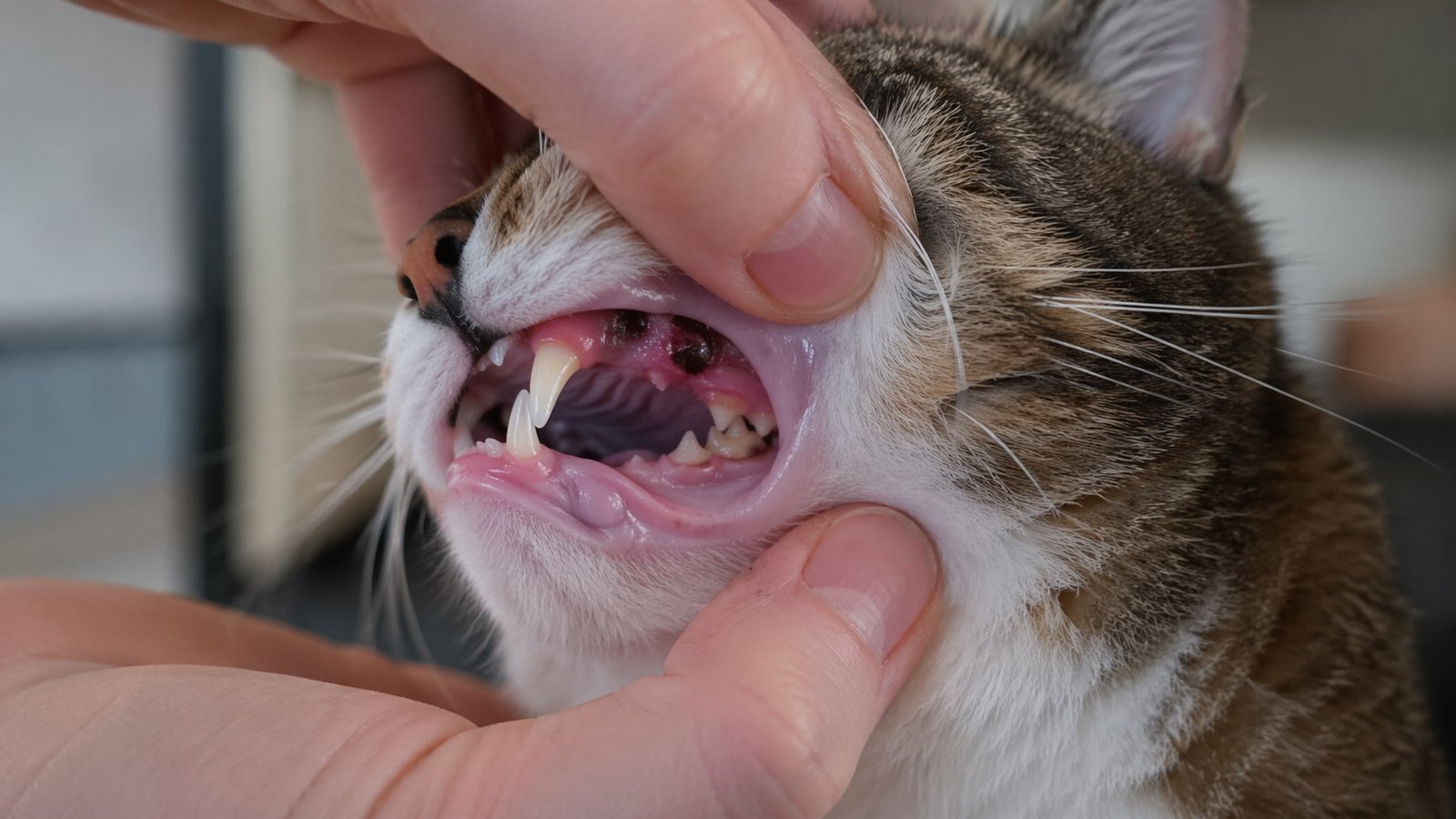
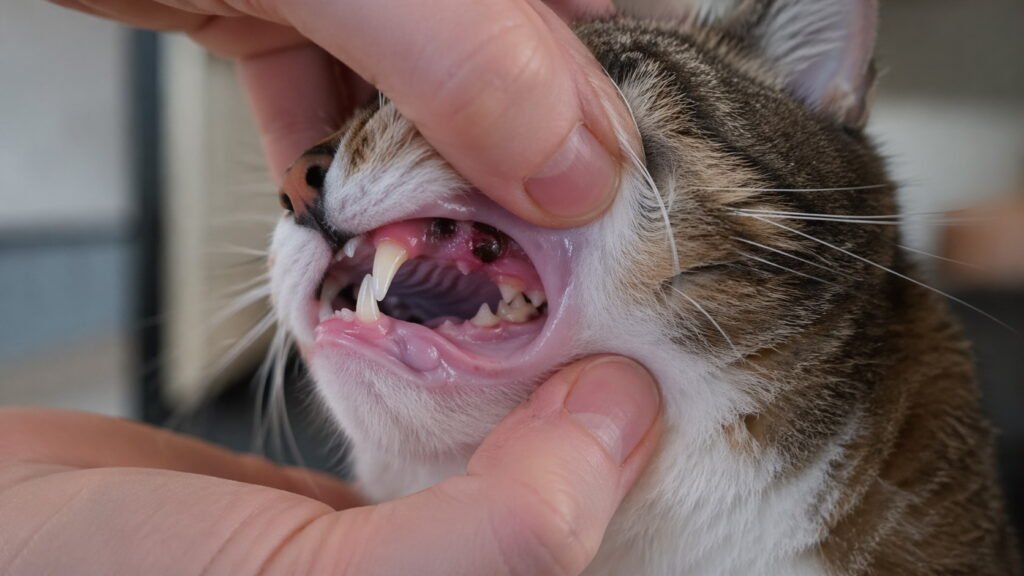
What Does an Infected Extraction Site Look Like?
You don’t need to be a vet to notice when something looks off. Checking your cat’s mouth (gently and only if they allow it) can reveal clear signs of infection after cat tooth extraction.
Visual Clues of a Healthy Healing Site
A normal extraction site typically looks:
- Light pink in color
- Slightly swollen at first, then improving daily
- Closed or neatly stitched (if sutures were used)
- Free of discharge or strong odor
Healing tissue may look a bit raw, but it should not appear angry or deteriorating.
Red Flags That Suggest Infection
Pay attention if you notice:
- Bright red or dark, inflamed gums that worsen over time
- Pus or thick discharge (yellow, green, or white)
- Open wounds or missing stitches
- Blackened or necrotic-looking tissue
- Bleeding that returns after initially stopping
An infected site often looks wet, irritated, and inflamed, rather than dry and healing.
Quick Comparison: Healthy vs. Infected
| Feature | Healthy Healing | Possible Infection |
| Color | Light pink | Red, dark, or patchy |
| Swelling | Mild, improving | Increasing or firm |
| Discharge | None | Pus or fluid present |
| Smell | Neutral/slight | Strong, foul odor |
Tip: If your cat resists mouth checks, don’t force it. Signs like bad breath or drooling can still give you important clues.
Why Do Infections Happen After Cat Tooth Extraction?
Understanding the cause helps you prevent it. Most post-extraction infections occur when bacteria find a way into the healing site.
Common Causes
- Bacteria entering the open wound
The mouth naturally contains bacteria, so proper healing is essential. - Disrupted stitches or trauma
Chewing hard food or rough play can reopen the site. - Incomplete removal of diseased tissue
Occasionally, underlying dental issues can contribute to infection. - Poor aftercare at home
Skipping medication or feeding inappropriate food can slow healing.
Risk Factors That Increase Infection Chances
Some cats are more vulnerable than others:
- Older cats
- Cats with weakened immune systems
- Existing dental disease or gum infections
- Poor nutrition or dehydration
- Chronic illnesses (like diabetes)
The Role of Oral Bacteria
A cat’s mouth is full of bacteria—this is normal. Problems start when:
- The wound doesn’t close properly
- Food debris gets trapped in the socket
- The immune system can’t control bacterial growth
Important: Even with perfect care, infections can still happen. Early detection is what makes the biggest difference.
How Long After Tooth Extraction Can Infection Develop in Cats?
One of the most common questions pet owners ask is when to expect trouble. The timing of signs of infection after cat tooth extraction can vary.
Typical Infection Timeline
- 0–3 days post-surgery:
Early infections may show as swelling, bleeding, or pain that worsens quickly - 3–7 days post-surgery:
This is the most common window for infections to appear - 1–2 weeks later:
Delayed infections can develop if healing is disrupted or bacteria persist
When Symptoms Usually Peak
Infections often become noticeable when healing should be improving.
If your cat suddenly worsens after seeming better, that’s a strong warning sign.
Critical Monitoring Periods
Stay especially alert during:
- The first 72 hours
- Days 3–5 (high-risk window)
- After any change in diet or activity
What to Do If You Notice Signs of Infection After Cat Tooth Extraction
Seeing possible signs of infection after cat tooth extraction can feel alarming, but quick, calm action makes a big difference.
Immediate Steps You Can Take at Home
Focus on keeping your cat comfortable while preventing the situation from worsening:
- Switch to soft food only if you haven’t already
- Limit activity to avoid disrupting the healing site
- Check for additional symptoms like fever, swelling, or discharge
- Ensure hydration—offer fresh water or wet food
If your vet prescribed medication, double-check that it’s being given correctly and consistently.
When to Contact Your Veterinarian
Reach out to your vet if you notice:
- Symptoms lasting more than 24 hours without improvement
- Worsening swelling, odor, or discharge
- Your cat refusing food beyond 48 hours
- Signs of pain that seem to increase
When in doubt, it’s always safer to call. Many clinics will advise you over the phone.
What NOT to Do
Avoid common mistakes that can make things worse:
- Do not use human antiseptics or medications
- Do not attempt to clean deep inside the wound yourself
- Do not delay care hoping it will “heal on its own”
- Do not force your cat’s mouth open if they resist
A helpful resource from the American Veterinary Medical Association explains safe post-surgical care:
https://www.avma.org/resources/pet-owners/petcare/pet-dental-care
Veterinary Treatment for Post-Extraction Infections
Once a vet confirms infection, treatment is usually straightforward—especially when caught early.
How Vets Diagnose the Problem
Your veterinarian may:
- Perform a physical oral exam
- Check for swelling, discharge, or tissue damage
- Review your cat’s recovery history
- Recommend imaging (in more complex cases)
Common Treatment Options
Depending on severity, treatment may include:
- Antibiotics to control bacterial infection
- Pain relief medication to keep your cat comfortable
- Flushing or cleaning the site to remove debris or pus
- Stitch repair or removal if healing was disrupted
Most cats respond well within a few days once proper treatment begins.
What Happens If Infection Is Left Untreated?
Ignoring signs of infection after cat tooth extraction can lead to:
- Spread of infection to surrounding tissues
- Abscess formation
- Bone involvement (more serious and harder to treat)
- Prolonged pain and delayed healing
Important: Early treatment is usually simple—delayed treatment is not.
How to Prevent Infection After Cat Tooth Extraction (Proactive Care Guide)
Prevention is where you have the most control. A few simple habits can dramatically reduce the risk of infection.
Feeding the Right Way During Recovery
Diet plays a big role in healing:
- Stick to soft or wet food for 7–14 days
- Avoid kibble, treats, or anything crunchy
- Serve food at room temperature for comfort
Soft food helps prevent irritation and keeps debris out of the wound.
👉 Internal tip: Nutrition matters beyond recovery—long-term dental health improves with the right diet and hydration habits.
Daily Care Tips That Make a Difference
- Administer medications exactly as prescribed
- Keep your cat indoors and calm during recovery
- Monitor the mouth daily (visually or behaviorally)
- Watch appetite and water intake closely
Consistency is more important than doing anything complicated.
Follow-Up Care Is Not Optional
Even if your cat seems fine:
- Attend scheduled vet checkups
- Report any unusual symptoms early
- Ask your vet when it’s safe to return to normal food
Simple Prevention Checklist
- ✔ Soft food only
- ✔ Medications on schedule
- ✔ Limited activity
- ✔ Daily observation
- ✔ Vet follow-up
Common Mistakes Cat Owners Make During Recovery
Even with the best intentions, small missteps can increase the risk of signs of infection after cat tooth extraction. Avoiding these common mistakes can make recovery smoother and safer.
Letting Cats Eat Hard Food Too Soon
Crunchy kibble or treats can irritate the healing site or even reopen the wound.
Stick to soft food until your vet confirms it’s safe to switch back.
Skipping or Inconsistent Medication
Missing doses of antibiotics or pain relief can slow healing and allow bacteria to take hold.
Consistency matters more than anything here.
Ignoring Mild Symptoms Early On
Subtle signs like slight swelling or reduced appetite are easy to dismiss.
Early action prevents bigger problems later.
Allowing Too Much Activity
Jumping, rough play, or chewing on toys can disrupt stitches.
Keep your cat calm and limit activity for at least 7–10 days.
Trying DIY Treatments
Using home remedies or human medications can do more harm than good.
Always follow veterinary advice—nothing else.
Expert Tips to Speed Up Healing and Reduce Infection Risk
A few smart adjustments can significantly lower the chances of complications and help your cat heal comfortably.
Create a Calm Recovery Environment
Cats heal faster when stress is low. Set up a quiet, cozy space away from noise and other pets.
- Soft bedding
- Easy access to food and water
- Minimal disturbances
Monitor Daily Without Overhandling
You don’t need to inspect the mouth constantly. Instead, track:
- Appetite
- Energy levels
- Grooming habits
- Signs of discomfort
Behavior often tells you more than a forced mouth check.
Support Hydration and Nutrition
Healing tissues need proper hydration and nutrients.
- Offer wet food with high moisture content
- Encourage drinking by refreshing water frequently
- Consider warming food slightly to improve appetite
Use Vet-Approved Oral Care Only
After healing, maintaining oral hygiene becomes important.
- Ask your vet about dental rinses or wipes
- Avoid brushing too soon after surgery
Pro tip: A smooth recovery now sets the stage for better long-term dental health.
When Is It an Emergency? Red Flags That Require Immediate Vet Care
Some signs of infection after cat tooth extraction can quickly become serious. Knowing emergency symptoms can save your cat’s life.
Seek Immediate Veterinary Care If You Notice:
- Severe swelling around the face or jaw
- Difficulty breathing or swallowing
- Continuous or heavy bleeding
- High fever or extreme lethargy
- Complete refusal to eat or drink
- Sudden collapse or weakness
These symptoms may indicate a spreading infection or other complications.
Important: Never wait overnight if symptoms are severe—urgent care is critical.
FAQs About Signs of Infection After Cat Tooth Extraction
How do I know if my cat’s mouth is healing properly?
Healing gums should look light pink, with minimal swelling that improves daily. Your cat should gradually return to normal eating and behavior.
Is bad breath normal after tooth extraction?
A slight odor can occur briefly, but strong, foul breath is often a sign of infection and should be checked by a vet.
Can infections heal on their own?
Most dental infections do not resolve without treatment. Delaying care can lead to more serious complications.
How long should my cat be in pain after extraction?
Mild discomfort is normal for a few days, but pain should steadily improve. Ongoing or worsening pain needs veterinary attention.
Should I clean my cat’s mouth during recovery?
Avoid cleaning the surgical site unless your vet specifically instructs you to do so. Improper cleaning can disrupt healing.
Related Health Topic: Maintaining Long-Term Dental Health in Cats
Once your cat has recovered, preventing future dental issues becomes the next priority.
Build a Simple Dental Care Routine
- Regular veterinary dental checkups
- Dental treats or vet-approved chews
- Gradual introduction to tooth brushing (after full healing)
Diet Plays a Bigger Role Than You Think
A balanced diet supports oral health and reduces plaque buildup over time. Wet food can help with hydration, while certain dental diets are designed to reduce tartar.
Prevention Reduces Future Extractions
Dental disease is one of the most common issues in cats. Staying proactive can help your cat avoid future pain and procedures.
Good dental care = fewer vet visits and a happier cat.
Final Thoughts: Catching Infection Early Can Save Your Cat’s Health
Spotting signs of infection after cat tooth extraction early is one of the most important things you can do as a pet owner. Small changes in behavior, appetite, or appearance often provide the first clues.
Stay observant, follow your vet’s instructions closely, and don’t hesitate to seek help if something feels off.
Your attention during recovery can mean the difference between a quick heal and a serious complication.
Want to give your cat the best possible care? Start applying these tips today and explore more of our guides on MyPetInfoo.com to keep your pet healthy, comfortable, and thriving.