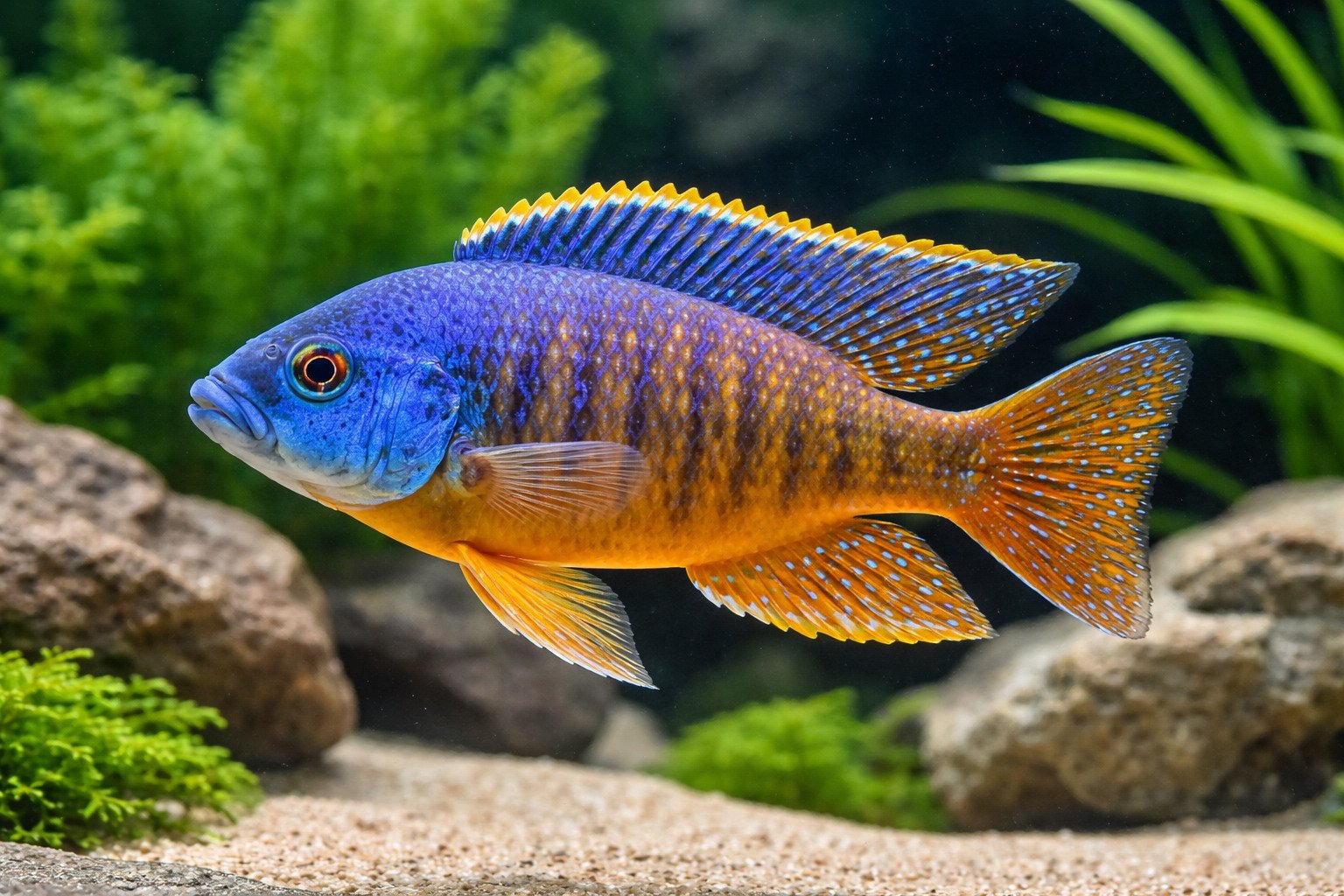
Understanding African cichlid peacock fish weight is one of the most overlooked parts of keeping these vibrant aquarium fish healthy. Many owners focus on color and size—but weight tells the real story about your fish’s condition.
A peacock cichlid that looks fine at first glance can actually be underweight, overfed, or stressed. This guide breaks down exactly what healthy weight looks like, how to recognize problems early, and what you can do to keep your fish thriving.
In This Article
Why African Cichlid Peacock Fish Weight Matters More Than You Think
Peacock cichlids (from the Aulonocara group) are known for their stunning colors and active personalities. Beneath that beauty, though, weight plays a major role in their overall health.
Weight Reflects True Health (Not Just Appearance)
Length alone doesn’t reveal much. A fish can grow long but still be undernourished. Healthy weight indicates proper nutrition, strong immunity, and stable conditions.
Direct Impact on Color and Behavior
- Well-balanced weight → brighter colors, confident swimming
- Underweight fish → faded tones, hiding behavior
- Overweight fish → sluggish movement, less activity
Early Warning System for Problems
Changes in weight often signal:
- Poor diet
- Parasites or illness
- Stress from tank mates
- Water quality issues
Catching weight changes early can prevent serious health issues later.
What Is the Ideal African Cichlid Peacock Fish Weight?
There isn’t a single “perfect” number, since most fish owners don’t weigh their fish directly. Instead, ideal weight is judged by size, age, and body condition.
Average Weight by Size
| Fish Length | Typical Weight Range |
| 2–3 inches (juvenile) | 5–15 grams |
| 4–5 inches (sub-adult) | 20–40 grams |
| 5–7 inches (adult) | 40–80+ grams |
These are general estimates—individual fish may vary.
Male vs Female Weight Differences
- Males grow larger, heavier, and more colorful
- Females are smaller and lighter, with more subtle coloring
A healthy adult male will usually outweigh a female of the same age.
Species and Genetics Matter
Different peacock cichlid varieties naturally vary in size. Some stay compact, while others grow bulkier.
Environmental Influence on Weight
Weight isn’t just about food. It’s also affected by:
- Tank size (more space = better muscle development)
- Water quality (poor water slows growth)
- Stress levels (dominant fish may limit others’ feeding)
Consistent care leads to consistent, healthy weight gain.
African Cichlid Peacock Fish Weight vs Size: Understanding the Difference
One of the most common mistakes is assuming a bigger fish is automatically a healthier fish. That’s not always true.
Why Size Alone Can Be Misleading
A fish can grow longer due to age but still lack proper body mass. This often happens with:
- Inadequate nutrition
- Poor-quality food
- Chronic stress
What Healthy Weight Looks Like (Visual Guide)
Healthy fish:
- Slightly rounded belly (not bloated)
- Smooth body line from head to tail
- Active and responsive behavior
Underweight fish:
- Sunken belly
- Visible spine or hollow sides
- Low energy
Overweight fish:
- Bulging belly
- Thick, uneven body shape
- Slower swimming
Body Mass vs Skeletal Growth
Think of it this way:
- Length = skeletal growth
- Weight = muscle + fat + overall condition
Both need to be balanced for optimal health.
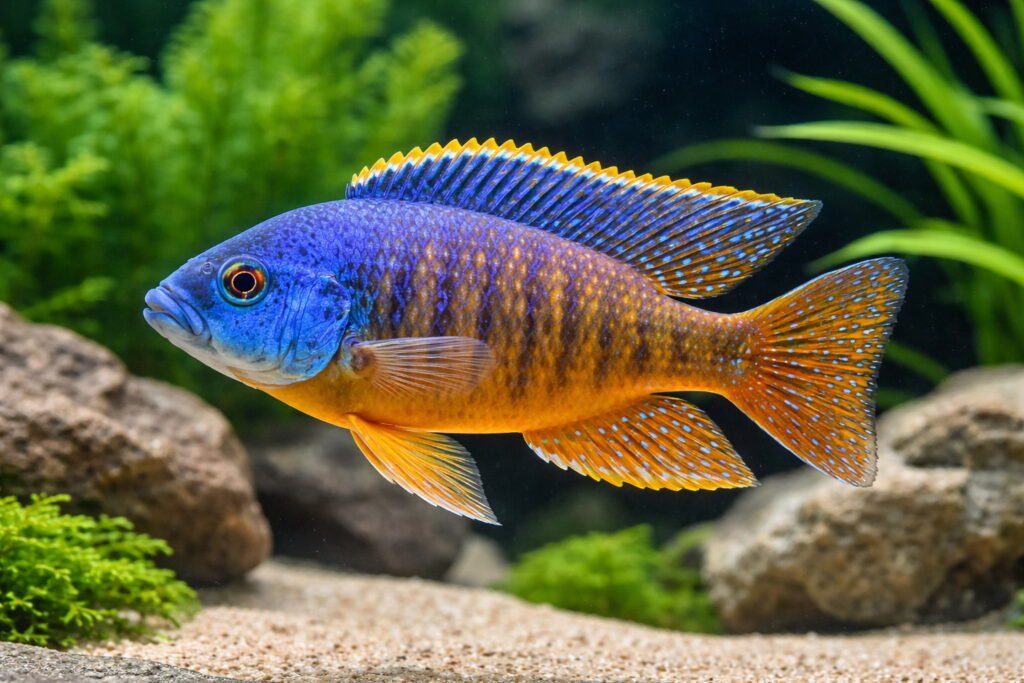
Growth Timeline: How African Cichlid Peacock Fish Weight Changes Over Time
Peacock cichlids don’t gain weight at a constant rate. Their growth happens in phases, and understanding this helps you avoid overfeeding—or underfeeding—at the wrong time.
Juvenile Stage (Up to ~3 inches)
Young peacock cichlids grow quickly and need frequent feeding.
- Rapid weight gain and body development
- Higher protein needs for muscle growth
- Feeding: 2–3 small meals per day
Tip: Slightly round bellies after feeding are normal, but avoid constant fullness.
Sub-Adult Stage (3–5 inches)
Growth begins to stabilize, but weight still increases steadily.
- Muscle development becomes more noticeable
- Coloration starts to intensify (especially in males)
- Feeding: 1–2 balanced meals daily
This is where many owners accidentally overfeed. Appetite is strong, but growth is slowing.
Adult Stage (5–7+ inches)
At this stage, your fish reaches its full size and ideal African cichlid peacock fish weight range.
- Weight should stabilize, not continuously increase
- Focus shifts from growth to maintenance
- Feeding: once daily or controlled portions
A steady weight is a sign of a healthy adult fish. Sudden gain or loss should raise concern.
Factors That Influence Weight Changes Over Time
Growth and weight aren’t just about age. Several factors play a role:
- Diet quality – poor nutrition slows development
- Tank conditions – clean, stable water promotes growth
- Genetics – some fish naturally grow larger
- Stress levels – bullying can limit food access
Diet Secrets That Directly Impact African Cichlid Peacock Fish Weight
Feeding is the single biggest factor affecting your fish’s weight. Getting it right means healthier fish, better colors, and fewer problems.
The Ideal Diet Balance
Peacock cichlids are omnivores with a preference for protein—but balance is key.
- High-quality protein → supports muscle and growth
- Plant matter → aids digestion and prevents bloating
- Essential nutrients → boost immune health and color
Best Foods for Healthy Weight Gain
A varied diet works best. Consider rotating:
- High-quality cichlid pellets (staple food)
- Frozen foods (brine shrimp, bloodworms)
- Live foods (occasional treat for stimulation)
- Spirulina-based foods (for digestion and color)
Variety prevents nutritional gaps and keeps feeding exciting.
Feeding Frequency & Portion Control
Overfeeding is one of the biggest causes of unhealthy African cichlid peacock fish weight.
Simple rule:
- Feed only what your fish can eat in 30–60 seconds
Avoid:
- Constant snacking
- Large single feedings
- Letting food sink and rot in the tank
Signs Your Peacock Cichlid Is Underweight (And What to Do)
An underweight peacock cichlid won’t always be obvious at first. Subtle signs often appear before serious health issues develop.
Common Signs of an Underweight Fish
Watch closely for:
- Sunken or concave belly
- Visible spine or hollow sides
- Faded coloration
- Low energy or hiding behavior
- Reduced appetite
These signs usually indicate something is off beyond just feeding.
Common Causes of Weight Loss
- Poor diet quality (low nutrients)
- Parasites (internal worms or infections)
- Tank stress (aggressive tank mates)
- Water quality issues (ammonia, nitrite spikes)
If multiple fish are affected, water conditions are often the culprit.
Step-by-Step Recovery Plan
1. Improve Diet Immediately
Switch to high-quality, protein-rich foods with added nutrients.
2. Increase Feeding Frequency (Temporarily)
Offer smaller meals 2–3 times daily until weight improves.
3. Check Tank Conditions
Test water parameters and perform partial water changes if needed.
4. Observe for Illness
Look for signs like stringy poop or lethargy—these may indicate parasites.
5. Isolate if Necessary
A separate tank can help ensure the fish eats properly without competition.
When to Consider Expert Help
If weight loss continues despite improved care, it’s best to consult a professional or follow trusted veterinary guidance. For example, the American Veterinary Medical Association provides reliable resources on fish health and disease prevention.
Overweight Peacock Cichlids: A Hidden Problem in Home Aquariums
Underfeeding gets a lot of attention—but overfeeding is actually more common in home aquariums. Peacock cichlids are enthusiastic eaters, which makes it easy to accidentally push their African cichlid peacock fish weight beyond a healthy range.
Signs Your Fish May Be Overweight
Look for these warning signs:
- Rounded, bulging belly that doesn’t flatten after digestion
- Thick, uneven body shape (especially near the midsection)
- Sluggish swimming or reduced activity
- Less interest in exploring the tank
A well-fed fish should look full but streamlined, not bloated.
Why Overweight Fish Are at Risk
Extra weight isn’t just cosmetic—it can lead to:
- Organ strain, especially liver issues
- Reduced oxygen efficiency
- Lower activity levels
- Shortened lifespan
Over time, this can weaken your fish even if it appears “well-fed.”
How to Safely Reduce Weight
Cutting food too quickly can stress your fish. A gradual approach works best:
- Reduce portion sizes, not feeding frequency at first
- Introduce more plant-based foods (like spirulina)
- Add a fasting day once a week
- Encourage movement with a more enriched tank setup
Consistency is key—slow, steady adjustments lead to healthier results.
Tank Environment’s Role in Maintaining Healthy African Cichlid Peacock Fish Weight
Even with a perfect diet, your fish won’t maintain a healthy weight if the environment is off. Tank conditions directly influence metabolism, stress levels, and feeding behavior.
Water Quality: The Foundation of Healthy Weight
Poor water conditions can suppress appetite and slow growth.
Key parameters to monitor:
- Stable pH (typically 7.5–8.5 for African cichlids)
- Low ammonia and nitrite levels
- Regular water changes
Clean water = better digestion, better growth, better weight balance.
Tank Size and Activity Levels
Peacock cichlids are active swimmers. Limited space can lead to:
- Reduced movement → weight gain
- Increased stress → weight loss
A properly sized tank encourages natural swimming behavior, helping maintain a balanced African cichlid peacock fish weight.
Social Dynamics and Feeding Competition
Cichlids have a hierarchy. Dominant fish may:
- Eat more than others
- Chase weaker fish away from food
This creates uneven weight distribution in the tank.
What you can do:
- Feed in multiple spots
- Observe each fish during feeding
- Separate aggressive individuals if needed
How to Monitor African Cichlid Peacock Fish Weight Without a Scale
Weighing fish isn’t practical for most owners—and it can cause unnecessary stress. Fortunately, there are simple and effective ways to track weight visually.
Use Body Condition Scoring (BCS)
Think of this as a visual checklist:
| Condition | What It Looks Like |
| Underweight | Sunken belly, visible spine |
| Ideal | Slightly rounded belly, smooth body line |
| Overweight | Bulging belly, thick midsection |
This is the easiest and most reliable method for everyday monitoring.
Watch Behavior and Energy Levels
Weight issues often show up in behavior before appearance:
- Active, curious fish → usually healthy weight
- Lethargic or hiding fish → possible weight or health issue
Behavior gives you early clues that something needs attention.
Track Progress with Photos
A simple but powerful trick:
- Take photos of your fish every 2–3 weeks
- Compare body shape over time
- Look for gradual changes (not daily fluctuations)
This helps you spot trends you might otherwise miss.
Bonus Tip: Observe Feeding Response
Healthy fish:
- Respond quickly to food
- Eat confidently without hesitation
Changes in feeding behavior can signal:
- Stress
- Illness
- Weight imbalance
Common Mistakes That Lead to Unhealthy Weight in Peacock Cichlids
Even experienced fish keepers slip into habits that quietly affect African cichlid peacock fish weight. The good news? Most issues are easy to fix once you recognize them.
Overfeeding Because “They Look Hungry”
Peacock cichlids are always ready to eat. That doesn’t mean they need more food.
- Begging behavior is normal—not a reliable hunger signal
- Extra food quickly turns into excess weight or poor water quality
Stick to measured portions, not fish enthusiasm.
Feeding the Wrong Type of Food
Not all fish foods are created equal.
Common mistakes include:
- Low-quality pellets with fillers
- Too many fatty live foods
- Lack of plant-based ingredients
A poor diet leads to uneven weight and long-term health problems.
Ignoring Early Warning Signs
Subtle changes often get overlooked:
- Slight belly shrinkage
- Reduced activity
- Minor color fading
Catching these early can prevent bigger issues later.
Inconsistent Feeding Schedule
Random feeding times confuse your fish’s metabolism and behavior.
- Leads to overeating or missed meals
- Creates stress in competitive tanks
Consistency builds stability—and healthier weight.
Expert Tips to Keep African Cichlid Peacock Fish Weight Balanced
Maintaining the ideal African cichlid peacock fish weight doesn’t require complicated routines—just smart, consistent habits.
Create a Simple Feeding Routine
- Feed at the same time each day
- Use controlled portions
- Observe your fish during feeding
This builds predictability and reduces stress.
Rotate Foods for Better Nutrition
Avoid relying on a single food source.
A strong rotation might include:
- Staple pellets (daily)
- Frozen foods (2–3 times per week)
- Plant-based options (regularly)
Balanced nutrition = balanced weight.
Manage Tank Hierarchy Proactively
If one fish dominates feeding time, others suffer.
- Spread food across different areas
- Rearrange tank decor to break territories
- Monitor weaker fish closely
Healthy tanks mean all fish maintain proper weight—not just the strongest.
Schedule Routine “Check-Ins”
Every couple of weeks:
- Observe body shape
- Note behavior changes
- Compare with previous photos
Small adjustments over time prevent major problems.
FAQs About African Cichlid Peacock Fish Weight
How fast do peacock cichlids gain weight?
Young fish can gain weight quickly within weeks, especially with proper feeding. Adults should maintain a stable weight rather than continuously increasing.
Can stress cause weight loss in peacock cichlids?
Yes. Stress from aggressive tank mates, poor water quality, or sudden changes can reduce appetite and lead to noticeable weight loss.
Should I separate fish to control feeding?
If one fish is consistently outcompeting others, temporary separation or targeted feeding can help ensure all fish get enough nutrition.
How do I safely fatten up a skinny peacock cichlid?
Increase feeding frequency with small, nutrient-rich meals, improve water quality, and check for parasites if weight doesn’t improve.
Is it normal for weight to fluctuate slightly?
Minor changes are normal, especially after feeding. Large or sudden changes are a sign that something needs attention.
Final Thoughts: Achieving the Perfect Balance for a Healthy Peacock Cichlid
Healthy fish keeping comes down to observation, consistency, and care. Paying attention to African cichlid peacock fish weight gives you a powerful advantage—it helps you spot problems early and keep your fish in peak condition.
A balanced diet, clean environment, and regular monitoring will go a long way in keeping your peacock cichlids vibrant, active, and thriving.
If you want to take your fish care even further, consider exploring trusted resources like the American Veterinary Medical Association for additional guidance on aquatic animal health.
Start applying these tips today—your fish will reward you with brighter colors, better behavior, and a longer, healthier life.