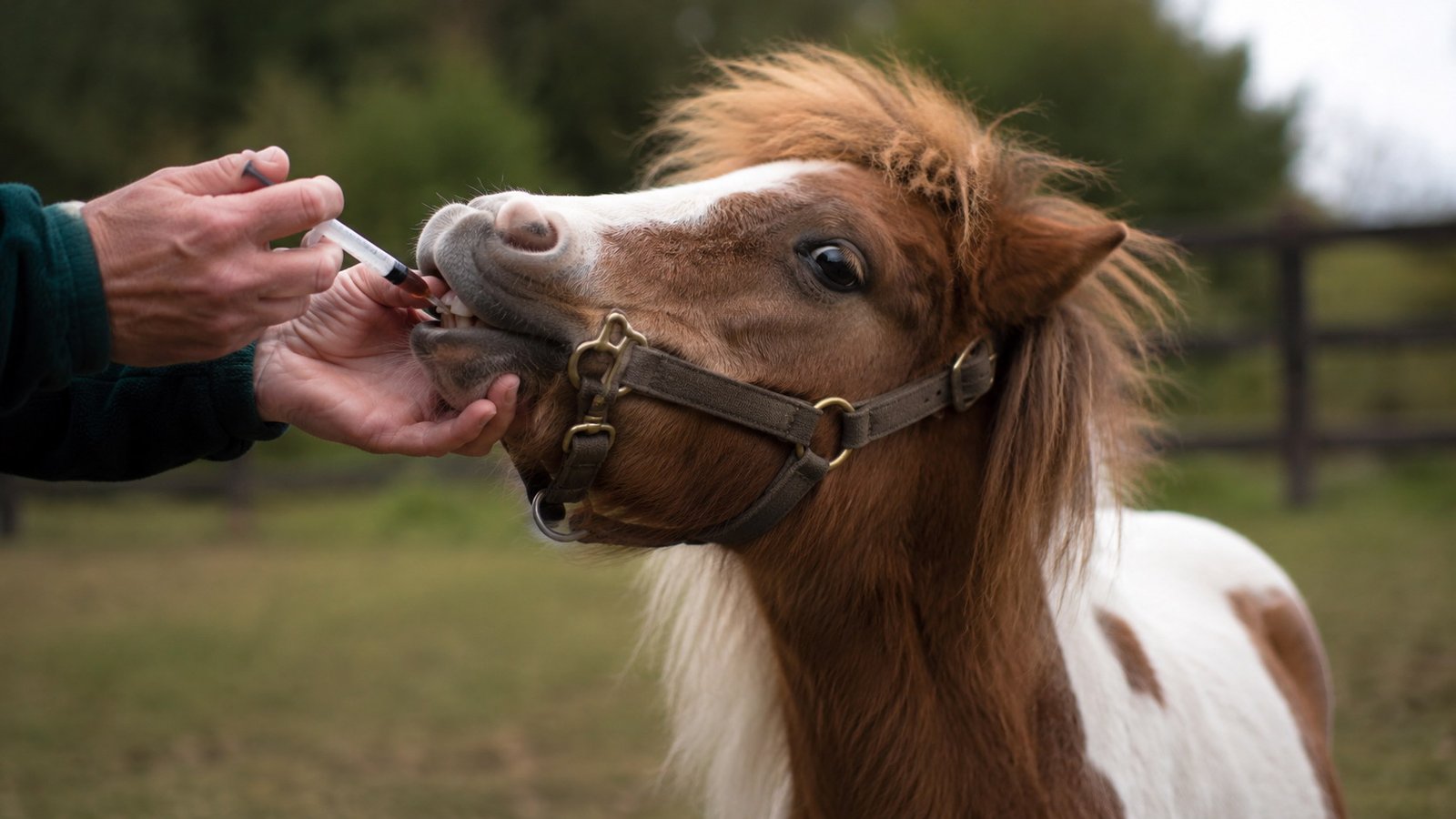
Yes, Dormosedan Gel can be used for miniature horses, but only under veterinary guidance and with careful attention to dosing. Miniature horses are highly sensitive to sedatives because of their small body size, unique metabolism, and increased risk of overdose if dosing errors occur.
Dormosedan Gel is an oral sedative commonly prescribed for horses to reduce anxiety and provide mild to moderate sedation during procedures such as hoof trimming, dental work, clipping, or veterinary exams. While the medication is approved for horses in general, miniature horses require extra caution because even small dosing mistakes can lead to serious complications.
This guide explains how Dormosedan Gel works, whether it is safe for miniature horses, proper administration practices, possible side effects, and when you should avoid using it.
In This Article
What Is Dormosedan Gel?
Dormosedan Gel is an oral sedative containing the active ingredient detomidine hydrochloride, an alpha-2 adrenergic agonist used in horses for sedation and restraint.
Veterinarians commonly use it to help calm horses during:
- Farrier visits
- Dental floating
- Grooming and clipping
- Minor veterinary procedures
- Trailer loading
- Anxiety-inducing situations
Unlike injectable sedatives, Dormosedan Gel is placed under the horse’s tongue and absorbed through the oral tissues.
Can Miniature Horses Safely Use Dormosedan Gel?
Miniature horses can use Dormosedan Gel safely in many cases, but they are not simply “small regular horses.” Their body weight, airway structure, and metabolic differences mean they may respond differently to sedatives.
A veterinarian typically evaluates:
- Body weight
- Age
- Overall health
- Heart condition
- Respiratory status
- Stress level
- Previous reaction to sedatives
before recommending Dormosedan Gel for a miniature horse.
Why Miniature Horses Need Special Caution
Miniature horses are particularly vulnerable to medication errors because:
- Small dose changes have a larger impact
- Weight estimates are often inaccurate
- Obesity is common in minis
- Some miniature horses have underlying metabolic conditions
- Airway obstruction risk may increase during sedation
Even experienced horse owners should avoid guessing the dose.
How Dormosedan Gel Works
Dormosedan Gel affects the central nervous system by slowing nerve signaling and producing sedation.
The drug typically causes:
- Drowsiness
- Reduced anxiety
- Lower responsiveness
- Mild pain relief
- Muscle relaxation
The medication usually begins working within 30 to 40 minutes.
Sedation Timeline
| Stage | Approximate Timing |
| Initial effect | 20–30 minutes |
| Peak sedation | 40–90 minutes |
| Duration | 90 minutes to 3 hours |
| Full recovery | Several hours |
Response times vary depending on:
- Horse size
- Stress level
- Feed intake
- Health status
- Environmental stimulation
Miniature horses sometimes become sedated faster than larger breeds.
Common Reasons Owners Use Dormosedan Gel for Mini Horses
Many miniature horse owners use veterinarian-prescribed Dormosedan Gel for routine care situations that otherwise become stressful or unsafe.
Hoof Trimming and Farrier Visits
Some miniature horses resist hoof handling or become anxious during trimming.
Sedation may help:
- Reduce stress
- Improve safety
- Prevent kicking or struggling
- Allow accurate trimming
Dental Procedures
Mini horses still require routine dental care, and sedation is often necessary for:
- Dental floating
- Tooth extraction
- Oral examination
Clipping and Grooming
Nervous miniature horses may panic around:
- Clippers
- Spray bottles
- Baths
- Mane pulling
Mild sedation can make these tasks safer.
Veterinary Examinations
Dormosedan Gel may be useful for:
- Wound treatment
- Ultrasounds
- Vaccinations in fearful horses
- Eye exams
Proper Dosing Matters
One of the biggest mistakes owners make is assuming miniature horses need only a “tiny squirt” without calculating actual dosage.
Dormosedan Gel dosing is based on:
- Accurate body weight
- Intended sedation level
- Veterinary recommendation
Never Estimate Weight by Eye Alone
Miniature horses can vary dramatically in build. A mini that appears tiny may weigh far more than expected.
For example:
- Small miniature horse: 150–250 pounds
- Average miniature horse: 250–350 pounds
- Large miniature horse: 350–500+ pounds
Using a livestock scale or weight tape improves dosing accuracy.
How to Administer Dormosedan Gel Correctly
Proper administration affects how well the medication works.
Step-by-Step Administration
- Wear protective gloves if instructed
- Ensure the horse’s mouth is free of feed
- Place the gel beneath the tongue
- Avoid swallowing during application
- Do not feed immediately afterward
- Keep the horse in a quiet area
The medication absorbs through oral tissues, not through digestion.
Important Feeding Rule
Most veterinarians recommend withholding feed for a period before and after administration because food can interfere with absorption.
Always follow label instructions and your veterinarian’s recommendations.
Signs the Sedation Is Working
A miniature horse receiving Dormosedan Gel may show:
- Lowered head
- Droopy eyelids
- Relaxed posture
- Reduced movement
- Less reactivity
- Wider stance
Sedated horses can still kick unexpectedly, so handlers should remain cautious.
Potential Side Effects in Miniature Horses
Like all sedatives, Dormosedan Gel can cause side effects.
Common Side Effects
These may include:
- Sweating
- Slow heart rate
- Unsteadiness
- Excessive drowsiness
- Temporary penile prolapse in males
- Increased urination
More Serious Risks
Call a veterinarian immediately if you notice:
- Collapse
- Difficulty breathing
- Blue gums
- Severe weakness
- Extreme agitation
- Failure to recover normally
Miniature horses may be more sensitive to cardiovascular effects than larger horses.
Situations Where Dormosedan Gel May Not Be Appropriate
Dormosedan Gel is not suitable for every horse.
Veterinarians may avoid or adjust its use in miniature horses with:
- Heart disease
- Respiratory problems
- Severe dehydration
- Shock
- Liver disease
- Kidney disease
- Advanced age
- Pregnancy
Some medications can also interact dangerously with detomidine.
Always tell your veterinarian about:
- Supplements
- Dewormers
- Prescription drugs
- Recent sedatives
- Existing medical conditions
Can You Use Dormosedan Gel Without a Veterinarian?
Dormosedan Gel is a prescription medication in many countries, including the United States.
You should not:
- Borrow another owner’s medication
- Reuse old prescriptions without guidance
- Guess dosing
- Combine sedatives without veterinary approval
Miniature horses have less margin for dosing errors than large horses.
Common Mistakes Owners Make
Using a Full-Sized Horse Dose
This is extremely dangerous for miniature horses and can lead to overdose.
Feeding Too Soon
Food reduces absorption and may cause inconsistent sedation.
Expecting Complete Anesthesia
Dormosedan Gel provides sedation, not full anesthesia.
A sedated horse can still:
- Move suddenly
- React to pain
- Kick
- Bite
Leaving the Horse Unattended
Sedated horses require monitoring until fully recovered.
Best Practices for Using Dormosedan Gel in Miniature Horses
Work Closely With a Veterinarian
The safest approach is a customized sedation plan based on your horse’s:
- Weight
- Health
- Temperament
- Procedure type
Use a Quiet Environment
Noise and activity can reduce sedation effectiveness.
Monitor Recovery Carefully
Watch for:
- Stable walking
- Normal breathing
- Return to alertness
- Interest in food and water
Keep the Horse Safe During Sedation
Remove hazards such as:
- Sharp edges
- Slippery flooring
- Obstacles
- Loose equipment
Dormosedan Gel vs Injectable Sedatives
| Feature | Dormosedan Gel | Injectable Sedatives |
| Administration | Oral under tongue | IV or IM injection |
| Convenience | High | Moderate |
| Onset speed | Moderate | Faster |
| Sedation depth | Mild to moderate | Moderate to deep |
| Veterinary supervision | Recommended | Usually required |
| Stress level | Lower | May increase in needle-shy horses |
For many miniature horses, oral gel is less stressful than injections.
How Long Should You Wait Before Feeding?
Feeding recommendations vary slightly, but many veterinarians advise:
- No food shortly before dosing
- No feeding until sedation begins to wear off
This helps ensure proper absorption and reduces choking risk.
Always follow the specific instructions provided with the prescription.
Are There Alternatives to Dormosedan Gel?
Depending on the situation, veterinarians may recommend:
- Injectable sedatives
- Behavioral training
- Desensitization
- Physical restraint methods
- Different oral medications
Some miniature horses respond well to training-based approaches that reduce the need for repeated sedation.
Quick Summary
| Question | Short Answer |
| Can miniature horses use Dormosedan Gel? | Yes, under veterinary guidance |
| Is dosing different for minis? | Yes, accurate dosing is critical |
| Is it safe? | Usually safe when properly prescribed |
| How is it given? | Under the tongue |
| How long does it last? | Typically 1–3 hours |
| Can owners give it themselves? | Often yes, if prescribed and instructed |
| Are there risks? | Yes, especially with incorrect dosing |
FAQ
Can you overdose a miniature horse with Dormosedan Gel?
Yes. Because miniature horses are small, even modest dosing mistakes can become dangerous. Accurate weight-based dosing is essential.
How long does Dormosedan Gel take to work in mini horses?
Most miniature horses begin showing sedation within 20 to 40 minutes, though timing varies by individual.
Can miniature horses eat after taking Dormosedan Gel?
Feeding is usually delayed until sedation begins wearing off because food can interfere with absorption and increase choking risk.
Does Dormosedan Gel completely knock a horse out?
No. It causes sedation and calming but does not produce full anesthesia.
Can you use Dormosedan Gel for farrier work on miniature horses?
Yes, veterinarians commonly prescribe it for hoof trimming and farrier visits when a miniature horse becomes unsafe or highly anxious.
Is Dormosedan Gel safer than injectable sedatives?
It can be less stressful and easier to administer, but safety depends on proper dosing, monitoring, and veterinary oversight.
Final Thoughts on Using Dormosedan Gel for Miniature Horses
Dormosedan Gel can be a valuable tool for safely handling anxious or difficult miniature horses during grooming, farrier work, and veterinary procedures. The key is understanding that miniature horses require especially careful dosing and monitoring.
Used correctly under veterinary supervision, the medication is often effective and well tolerated. Problems usually arise when owners estimate body weight inaccurately, ignore feeding instructions, or use leftover medication without guidance.
If your miniature horse struggles with stressful handling situations, speak with your veterinarian about whether Dormosedan Gel is appropriate and how to use it safely.