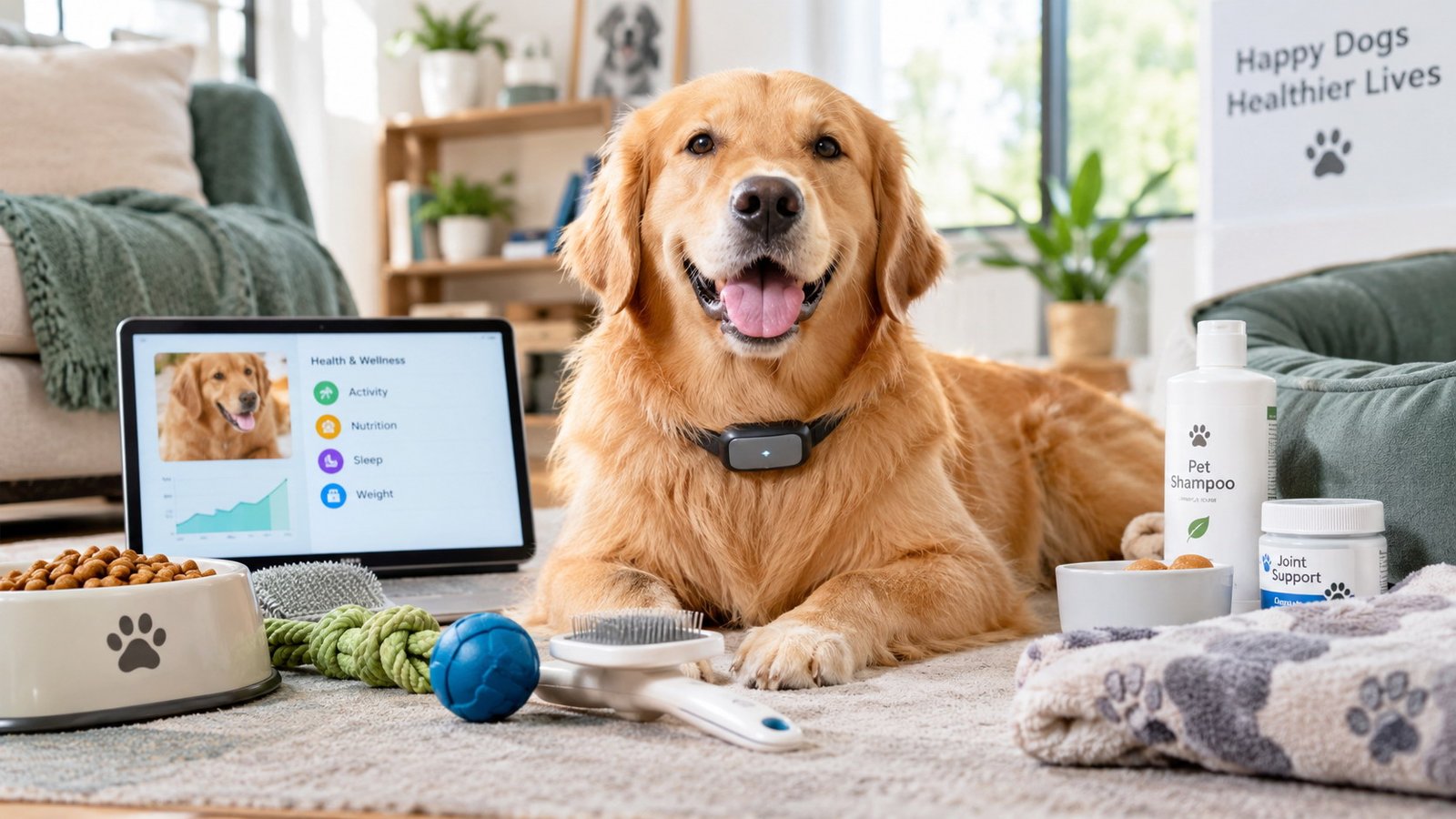
Dog Care Trends 2027 are reshaping how pet owners approach their dogs’ health, nutrition, comfort, and everyday happiness. From AI-powered pet monitoring and personalized feeding plans to mental wellness activities and smarter grooming routines, modern dog care is becoming more focused on prevention, convenience, and each dog’s individual needs.
These developments offer exciting opportunities, but not every new product or popular wellness idea is worth the money. Some trends can make daily care easier, while others require careful evaluation to determine whether they provide genuine benefits.
This guide explores the most important dog care trends to watch in 2027, including emerging pet technologies, preventive health practices, sustainable products, and improvements in senior dog care. You’ll also learn how to evaluate new innovations, avoid misleading marketing claims, and choose practical changes that support your dog’s quality of life without stretching your budget.
In This Article
Why Dog Care Trends in 2027 Are Changing the Way We Raise Dogs
Dog ownership continues to evolve as people look for better ways to understand their pets, prevent health problems, and create more comfortable home environments. Traditional essentials such as nutritious food, regular exercise, grooming, and veterinary checkups remain important, but modern approaches are helping owners manage these responsibilities more effectively.
The biggest shift is toward individualized, preventive, and welfare-focused dog care. Instead of waiting until a problem becomes obvious, owners are increasingly interested in monitoring everyday habits, recognizing early warning signs, and adapting routines to suit their dogs.
Preventive Care Is Becoming a Bigger Priority
Preventive care focuses on maintaining health before serious problems develop. Regular veterinary examinations, dental care, parasite prevention, appropriate nutrition, and weight management remain the foundation of this approach.
Technology can complement these practices by helping owners track changes in activity, appetite, or sleep patterns. However, these observations are useful starting points rather than substitutes for professional medical assessments.
For example, a dog that suddenly becomes less active may be experiencing discomfort, stress, changing environmental conditions, or an underlying illness. Recording the change can help you provide your veterinarian with more useful information.
Personalized Care Is Replacing One-Size-Fits-All Routines
A young Border Collie with an active lifestyle has different needs from an older Pug that prefers shorter walks. Breed characteristics, age, body condition, existing health concerns, and individual temperament all influence the most appropriate care routine.
Modern dog care increasingly reflects these differences through:
- Feeding plans tailored to energy requirements and life stage.
- Exercise routines that consider fitness, mobility, and breed characteristics.
- Grooming schedules suited to coat type and skin condition.
- Enrichment activities that match a dog’s interests and abilities.
- Home adjustments that support comfort, accessibility, and safety.
The most useful dog care trend is one that addresses your dog’s actual needs, not simply the newest product advertised online.
Technology Is Making Everyday Pet Care More Convenient
Smart feeders, GPS trackers, connected cameras, and activity monitors can help owners manage certain aspects of dog care, particularly when they work long hours or have complicated schedules.
These tools may support consistent feeding, improve the chances of locating a lost dog, or make it easier to observe behavior when nobody is home. Their usefulness depends on the quality of the device, the dog’s circumstances, and how the information is interpreted.
Owners should also consider privacy, recurring subscription costs, device reliability, and whether a simpler solution would work just as well.
What Should Dog Owners Prioritize in 2027?
Not every trend deserves equal attention. The following comparison can help you distinguish essential care practices from optional innovations.
| Dog care development | Potential benefit | Priority |
| Preventive veterinary care | Helps identify health risks and maintain routine protection | Essential |
| Balanced, appropriate nutrition | Supports healthy growth, weight, and body function | Essential |
| Mental enrichment and reward-based training | Supports learning and emotional well-being | Essential |
| Smart feeders and pet cameras | Adds convenience and routine monitoring | Optional |
| GPS collars and activity trackers | Supports location tracking and activity awareness | Depends on lifestyle |
| Eco-friendly accessories | May reduce waste and encourage durable purchases | Optional |
| Personalized wellness products | May address specific needs when appropriately selected | Depends on evidence |
The best approach is to build a strong foundation of everyday care first, then add technology or specialized products when they solve a genuine problem.
AI-Powered Pet Care: Can Smart Technology Make Dog Ownership Easier?
Artificial intelligence is becoming a more visible part of the pet care industry. Smart cameras, connected feeding systems, and monitoring applications increasingly use automated analysis to help owners understand what their dogs do throughout the day.
These tools may make certain responsibilities easier, but their capabilities vary considerably. Some simply automate routines, while others analyze activity or attempt to identify changes in behavior.
How AI Is Changing Everyday Dog Care
AI-powered pet devices can offer several practical features.
Smart pet cameras allow owners to check on their dogs remotely. Certain models can identify movement, detect barking, send alerts, or distinguish some activities from ordinary background motion.
Automated feeders can dispense measured portions at scheduled times. Depending on the model, owners may be able to change feeding schedules through an application or receive notifications when food is dispensed.
Behavior-monitoring applications may analyze recorded activity or sounds to identify patterns such as increased vocalization or changes in movement.
Connected pet care systems can bring together feeding schedules, activity records, reminders, and other information in one place.
The real advantage is convenience. A camera alert may help an owner discover that a dog is repeatedly barking during the afternoon, while a feeding log can make it easier to identify missed meals or inconsistent routines.
Can AI Detect Health Problems in Dogs?
Some devices claim to identify unusual activity, changes in sleep, or other behavioral patterns that may be associated with health concerns. Such information can be helpful when it encourages owners to investigate a meaningful change.
However, AI-generated alerts cannot reliably diagnose a dog’s medical condition on their own. A drop in activity might reflect warm weather, a change in routine, fatigue, pain, or illness. The device may not be able to distinguish among these explanations.
Use monitoring tools as supporting information rather than a source of medical certainty.
Contact your veterinarian if you notice persistent or unexplained changes in your dog’s appetite, thirst, breathing, mobility, energy, or behavior. Sudden breathing difficulties, collapse, or other severe symptoms require urgent veterinary attention rather than waiting for an app to provide an explanation.
How to Choose an AI Pet Care Device
Before purchasing an AI-powered pet product, ask yourself what problem you want it to solve.
- Check the main function: Make sure the device offers a feature you will actually use.
- Look for reliable alerts: Excessive false alarms can make monitoring less useful.
- Review privacy policies: Understand how recordings, personal information, and usage data are stored.
- Calculate the full cost: Include subscriptions, replacement parts, connectivity requirements, and maintenance.
- Consider your dog’s needs: A nervous dog may benefit from a predictable routine more than a complicated monitoring system.
- Keep a backup plan: Automated feeders and connected devices can fail, so maintain a safe alternative when necessary.
For example, an owner who works away from home may benefit from a camera that allows occasional checks and helps identify separation-related behavior. Someone who works remotely and spends most of the day with their dog may find that a basic feeding schedule and regular observation are sufficient.
The takeaway: AI can make pet care more convenient, but attentive observation, consistent routines, and veterinary guidance remain indispensable.
Personalized Dog Nutrition Is Moving Beyond One-Size-Fits-All Diets
Nutrition is another major focus of Dog Care Trends 2027. More owners are interested in food that reflects their dog’s age, activity level, body condition, digestive tolerance, and specific health requirements rather than choosing products based on marketing claims alone.
Personalized nutrition can be beneficial when it addresses a genuine need. The key is understanding what should be customized and which claims deserve skepticism.
What Does Personalized Dog Nutrition Mean?
Personalized nutrition involves selecting a diet according to an individual dog’s nutritional requirements and circumstances.
A puppy needs nutrients that support growth. A highly active adult dog may require more energy than a sedentary companion. A senior dog may benefit from a feeding plan that accounts for changes in body condition, mobility, or underlying health issues.
Important considerations include:
- Age and life stage: Puppies, adults, and seniors can have different nutritional requirements.
- Body condition: Portion sizes should help maintain an appropriate weight rather than simply follow package recommendations without adjustment.
- Activity level: Energy needs vary according to exercise, work, and daily movement.
- Health conditions: Some dogs need veterinary-directed diets for particular medical problems.
- Food tolerance: A veterinarian can help investigate suspected adverse food reactions or persistent digestive symptoms.
A personalized plan does not necessarily require expensive subscription food or a custom diet. For many healthy dogs, a complete and balanced commercial food appropriate for their life stage is a practical and effective choice.
Functional Ingredients and Digestive Health
Interest in functional ingredients is likely to remain an important part of pet nutrition discussions in 2027. These ingredients are included for nutritional purposes beyond simply supplying calories, although their benefits depend on the ingredient, amount, formulation, and dog’s individual needs.
Examples include:
- Dietary fiber: Supports normal digestive function and can help with stool quality when appropriately formulated.
- Omega-3 fatty acids: Certain sources, including fish oil, provide EPA and DHA, which may support specific aspects of canine health.
- Prebiotics: Selected fermentable ingredients can help support beneficial intestinal microbes.
- Appropriate protein sources: Provide essential amino acids needed for tissue maintenance and normal body function.
A food containing a fashionable ingredient is not automatically better than a well-formulated alternative. The complete nutritional profile, quality control, feeding suitability, and evidence supporting any claimed benefit matter much more than a prominent label.
Supplements also deserve careful consideration. More is not always better, and some nutrients can cause harm when given in excessive amounts or combined with other products.
Are Personalized Dog Food Plans Better Than Standard Diets?
The answer depends on the dog.
| Feeding approach | Potential advantages | Important considerations |
| Complete and balanced commercial food | Convenient, consistent, and designed to meet nutritional requirements | Choose an appropriate life-stage formula and monitor body condition |
| Veterinary therapeutic diet | Formulated to support management of certain health conditions | Use under veterinary guidance when medically indicated |
| Customized commercial food | May offer convenient portions or options suited to certain preferences | Verify nutritional adequacy and the evidence behind health claims |
| Home-prepared meals | Allows control over ingredients and preparation | Requires careful formulation to prevent nutritional deficiencies |
| Raw feeding | Appeals to some owners seeking minimally processed ingredients | Carries pathogen and nutritional imbalance risks; it is not proven universally superior |
Home-prepared diets deserve particular attention. Meat, rice, vegetables, and supplements may look wholesome together, but a homemade recipe can still lack essential nutrients or contain them in inappropriate proportions.
If you want to prepare your dog’s meals at home, consult a veterinarian with advanced nutrition expertise or a board-certified veterinary nutritionist where available. Avoid relying on unreviewed online recipes as a complete long-term diet.
For additional guidance, the World Small Animal Veterinary Association’s Global Nutrition Guidelines provide useful information about evaluating pet foods and making nutrition decisions with veterinary support.
How to Improve Your Dog’s Diet Without Overspending
Personalized nutrition begins with sensible everyday habits rather than premium products.
- Measure meals consistently. Use a measuring cup or kitchen scale instead of estimating portions by eye.
- Monitor body condition. Check whether your dog’s ribs are easy to feel and whether the waist remains visible when viewed from above, allowing for normal differences in body shape.
- Count treats. Treats and extras should generally provide no more than about 10% of daily calories, with the remaining calories coming from a complete and balanced diet.
- Introduce dietary changes gradually. Unless your veterinarian recommends a faster change for medical reasons, transition to a new food over several days to reduce digestive upset.
- Review supplements with your veterinarian. This is especially important when your dog takes medication or eats a therapeutic diet.
Contact your veterinarian if your dog experiences persistent vomiting, diarrhea, unexplained weight loss, a major appetite change, or recurring digestive problems. These signs should not automatically be attributed to food sensitivity.
The takeaway: Personalized dog nutrition is about meeting real nutritional needs, not buying the most expensive food. A suitable, complete diet and carefully managed portions remain the starting point for long-term health.
Preventive Dog Health Care: The Shift From Treating Problems to Catching Them Early
Preventive health care is one of the most valuable dog care trends because it focuses on maintaining well-being and identifying potential concerns before they become more difficult to manage.
Although routine veterinary visits may seem unnecessary when a dog appears healthy, some problems develop gradually or remain difficult to notice at home. Regular examinations help establish a baseline against which future changes can be assessed.
Why Routine Veterinary Checkups Matter
A preventive veterinary visit may include a physical examination, weight assessment, dental evaluation, parasite prevention review, and discussion of vaccinations and lifestyle-related risks.
The appropriate schedule depends on the dog’s age, medical history, and circumstances. Puppies generally need more frequent visits during their early development, while senior dogs and animals with chronic conditions may benefit from more frequent monitoring than healthy adults.
During a checkup, your veterinarian may assess:
- Heart and respiratory function.
- Teeth, gums, and oral health.
- Skin, coat, ears, and eyes.
- Joint movement and general mobility.
- Body condition and weight changes.
- Vaccination needs and parasite prevention.
- Diet, exercise, behavior, and any new symptoms.
Additional tests may be recommended based on age, breed-related risks, physical findings, or existing health conditions. Not every dog needs the same screening plan.
Early Warning Signs Dog Owners Should Never Ignore
One of the most practical trends in modern pet care is paying closer attention to changes in normal behavior.
Dogs cannot explain that something hurts or that they feel unwell, so owners often need to recognize subtle differences in daily habits.
| Change you notice | Possible explanations | Recommended response |
| Reduced appetite | Dental discomfort, stress, digestive problems, or illness | Monitor closely and contact your veterinarian if persistent or accompanied by other symptoms |
| Increased thirst or urination | Environmental changes, medication effects, or medical conditions | Arrange veterinary advice, especially if the change is new or pronounced |
| Persistent itching or licking | Allergies, parasites, skin irritation, or infection | Check for visible irritation and arrange an examination if symptoms persist |
| Stiffness or reluctance to jump | Joint discomfort, injury, or mobility changes | Reduce strenuous activity and seek veterinary assessment |
| Unexplained weight loss | Changes in intake, digestive problems, or other illnesses | Arrange a veterinary appointment rather than simply increasing food |
| New confusion or unusual behavior | Stress, sensory changes, pain, or medical conditions | Record the changes and discuss them with your veterinarian |
| Coughing or altered breathing | Several possible respiratory or cardiovascular problems | Seek prompt veterinary advice; severe breathing difficulty is an emergency |
A sudden or severe change should never be dismissed simply because your dog is getting older. Collapse, seizures, suspected poisoning, severe bleeding, a swollen abdomen with repeated unproductive retching, or significant breathing difficulty warrant immediate veterinary attention.
Build a Simple Preventive Dog Care Routine
You do not need an elaborate app or expensive health-monitoring system to practice preventive care. A consistent routine and a few simple records can make a meaningful difference.
Daily
- Check appetite, water intake, energy, and bathroom habits.
- Provide appropriate exercise, enrichment, and access to fresh water.
- Notice any new limping, discomfort, or unusual behavior.
Weekly
- Check the skin, coat, paws, and ears for noticeable changes.
- Review food portions and treats.
- Brush the coat and teeth as appropriate for your dog’s needs and tolerance.
Regularly, according to veterinary advice
- Schedule health examinations and recommended vaccinations.
- Maintain suitable flea, tick, and intestinal parasite prevention.
- Review dental health, weight, and age-related screening needs.
Keep a brief record of important changes, including when symptoms began, how often they occur, and whether appetite or activity has changed. Photos or short videos can sometimes help your veterinarian understand intermittent problems.
Dog Care Trends 2027: Mental Wellness Takes Center Stage
Mental wellness is becoming an increasingly important part of modern dog care. Owners are recognizing that a healthy dog needs more than nutritious food, physical exercise, and routine veterinary visits. Dogs also need opportunities to explore, solve problems, interact safely with people, and express natural behaviors.
One of the most valuable Dog Care Trends 2027 is the growing emphasis on mental enrichment and emotional well-being as everyday essentials rather than occasional activities.
A dog that receives enough physical exercise but little mental stimulation may still become bored, frustrated, or restless. Simple changes to the daily routine can help address these needs without requiring expensive equipment.
Why Mental Stimulation Matters for Dogs
Dogs naturally use their senses to investigate their surroundings. Sniffing, searching, chewing appropriate objects, learning new skills, and interacting with their environment provide valuable mental activity.
Without enough appropriate stimulation, some dogs may develop unwanted habits, such as excessive barking, destructive chewing, digging, or repeatedly seeking attention. These behaviors can have several causes, including anxiety, insufficient exercise, unmet behavioral needs, and medical discomfort, so enrichment should be part of a broader approach rather than a universal fix.
Mental stimulation can be particularly useful for:
- High-energy dogs: Activities that involve searching, learning, and problem-solving can complement physical exercise.
- Indoor dogs: Scent games and food puzzles provide opportunities for exploration when outdoor access is limited.
- Senior dogs: Gentle enrichment can keep dogs engaged without placing excessive demands on aging joints.
- Puppies: Short, positive learning sessions help build confidence and encourage appropriate behavior.
- Dogs recovering from certain injuries: Veterinarian-approved mental activities may provide engagement when physical exercise must be restricted.
The goal is not to keep a dog busy every minute. Dogs also need adequate sleep, quiet time, and opportunities to relax.
Enrichment Activities to Try at Home
Many effective enrichment activities use items you already have. Choose options that match your dog’s ability, chewing habits, and level of supervision required.
Scent games
Hide a few pieces of your dog’s regular kibble in easy-to-find locations around a room. Encourage your dog to search using its nose, then gradually make the game more challenging as confidence improves.
Start with visible hiding places if your dog is unfamiliar with the activity. Keep the environment safe and remove any objects that might be swallowed.
Food puzzles
Puzzle feeders and treat-dispensing toys encourage dogs to work for part of their meal. Choose a design suited to your dog’s size and chewing strength, and supervise initial sessions to make sure the toy remains intact.
Short training sessions
Practice familiar cues such as sit, touch, stay, or come. Teach one small new skill at a time, rewarding the behavior you want to encourage.
Keep sessions brief and enjoyable. Frustration, repeated failure, or physical discomfort can make training counterproductive.
Sniff walks
Allow your dog time to investigate suitable scents during walks instead of focusing exclusively on distance or speed. Sniffing provides sensory stimulation and lets dogs explore their surroundings at their own pace.
Safe chewing opportunities
Offer appropriately sized, dog-safe chew items that match your dog’s chewing style. Avoid objects that are so hard they may fracture teeth, and supervise chewing when necessary.
How to Recognize Stress and Emotional Discomfort
Mental wellness also means understanding when a dog feels overwhelmed. Dogs communicate through body language, and the same signal can have different meanings depending on the situation.
Possible signs of stress include:
- Repeated lip licking or yawning when there is no obvious reason for it.
- Turning away, hiding, or trying to leave an interaction.
- Pacing, trembling, or persistent vocalization.
- Suddenly refusing food during a normally enjoyable activity.
- Excessive panting when heat and exercise do not explain it.
- Changes in sleep, social interaction, or usual behavior.
These signs do not automatically indicate an anxiety disorder. Pain, illness, temperature, and environmental factors can produce similar changes.
Give your dog space when it appears uncomfortable, avoid forcing interactions, and use reward-based methods to build confidence. Persistent fear, separation-related distress, or sudden behavioral changes warrant veterinary guidance. A veterinarian can check for medical causes and recommend an appropriately qualified behavior professional when needed.
Create a Balanced Daily Routine
A practical mental wellness routine combines physical activity, enrichment, social interaction when appropriate, and rest.
| Time of day | Example activity | Main benefit |
| Morning | Walk with time for sniffing | Physical activity and sensory exploration |
| Midday | Food puzzle or scent game | Mental stimulation |
| Afternoon | Short reward-based training session | Learning and communication |
| Evening | Relaxed interaction and gentle play | Bonding and appropriate activity |
| Throughout the day | Quiet rest and uninterrupted sleep | Recovery and emotional regulation |
Adapt the schedule to your dog’s age, health, temperament, and energy level. A young working breed may need more structured activity than a senior companion, but individual differences matter just as much as breed.
The takeaway: Mental enrichment does not need to be complicated. A few enjoyable activities each day, combined with sufficient rest and positive interactions, can help support your dog’s emotional well-being.
Gentle Grooming and At-Home Wellness Are Getting Smarter
Grooming is no longer viewed simply as a way to keep a dog looking clean. Modern dog care places greater emphasis on skin health, comfort, low-stress handling, and early recognition of visible problems.
This shift makes sense because regular grooming provides an opportunity to notice changes that might otherwise go unnoticed. A quick coat check may reveal a new lump, irritated skin, a broken nail, or a tick that needs attention.
The most useful grooming trend is not buying more products. It is choosing suitable tools and creating a routine that keeps your dog comfortable.
Low-Stress Grooming Is Becoming a Priority
Some dogs enjoy brushing and bathing, while others become nervous when their paws, ears, or faces are handled. Forcing a frightened dog through a long grooming session can increase anxiety and make future care more difficult.
Low-stress grooming focuses on gradual introduction, gentle handling, and rewards.
Try these approaches:
- Introduce brushes and nail clippers gradually, allowing your dog to investigate them before use.
- Reward calm behavior with small treats, praise, or breaks.
- Keep sessions short if your dog becomes restless.
- Use nonslip surfaces to help your dog feel secure during grooming.
- Avoid restraining a struggling dog in a way that could cause injury.
- Seek professional assistance when grooming becomes unsafe or excessively stressful.
Dogs with severe fear, pain, or defensive behavior may need help from a veterinarian or a groomer experienced in low-stress handling.
Choose Grooming Products Based on Your Dog’s Needs
The market includes specialized shampoos, brushes, detangling tools, paw balms, ear products, and skin-care accessories. Some can be useful, but the right choice depends on coat type, skin condition, lifestyle, and any existing medical concerns.
| Grooming need | Practical approach | What to watch for |
| Short coat | A suitable soft brush or grooming mitt | Skin irritation from excessive brushing |
| Long or curly coat | Regular brushing with tools suited to the coat | Mats that pull on the skin |
| Bathing | Dog-formulated shampoo when needed | Human shampoos or harsh products that irritate skin |
| Nail care | Appropriate clippers or a nail grinder used carefully | Cutting into the sensitive quick |
| Ear maintenance | Check regularly and clean only as appropriate | Redness, odor, pain, or discharge |
| Paw care | Inspect pads and between the toes | Cracks, swelling, foreign objects, or persistent licking |
Avoid assuming that a product labeled natural, organic, or sensitive is automatically safe for every dog. Fragrances, essential oils, and other ingredients can irritate some animals, and certain substances may be toxic if licked or swallowed.
Do not put cleaning products or home remedies into your dog’s ears without appropriate veterinary guidance. Ear infections and other painful conditions may require specific treatment.
At-Home Grooming as an Early Warning System
Routine grooming offers a convenient opportunity to notice changes in your dog’s body.
Look for:
- Redness, scabs, bald patches, or persistent itching.
- New lumps or changes in existing lumps.
- Unusual ear odor or discharge.
- Broken nails, swollen paws, or damaged pads.
- Bad breath, bleeding gums, or difficulty chewing.
- Pain or resistance when a particular area is touched.
A new lump does not necessarily mean cancer, and itching does not always indicate allergies. However, unexplained or persistent changes deserve assessment rather than repeated experimentation with different products.
Seek prompt veterinary advice if your dog has significant skin swelling, severe pain, rapidly worsening lesions, or signs of infection. Facial swelling or breathing difficulty after exposure to a product requires emergency care.
Build a Simple Grooming Schedule
There is no single grooming schedule that suits every dog. Coat length, shedding patterns, skin condition, and outdoor activities all affect how often care is needed.
A practical routine might include:
- Daily or after outdoor activities: Check paws and remove visible dirt or debris.
- Several times a week: Brush as needed for your dog’s coat.
- Regularly: Inspect ears, skin, nails, and teeth.
- When needed: Bathe using a suitable dog shampoo.
- According to veterinary advice: Manage recurring skin or ear conditions and maintain dental health.
Dental care deserves special attention. Regular brushing with dog-safe toothpaste can help control plaque, although some dogs also need professional dental treatment. Human toothpaste should not be used because some ingredients, including xylitol in certain formulations, can be dangerous to dogs.
The takeaway: Gentle, consistent grooming helps maintain comfort and gives you a chance to notice potential health problems early. Choose products for a clear purpose and consult your veterinarian when skin, ear, nail, or dental concerns persist.
Sustainable Dog Care: Are Eco-Friendly Pet Products Worth It?
Sustainability is becoming a more visible consideration when owners choose pet products. From durable toys and reusable grooming accessories to lower-waste packaging, the goal is to reduce unnecessary waste without compromising a dog’s health or comfort.
Eco-friendly dog care can be worthwhile, but environmental claims need to be evaluated carefully. A product marketed as sustainable is not necessarily safer, longer-lasting, or better suited to your pet.
The best strategy is to focus on products that serve a real purpose, last as long as practical, and can be used safely.
Which Sustainable Dog Products Are Worth Considering?
Several categories may offer practical benefits.
Durable toys
A well-made toy that lasts longer can reduce replacement frequency. Choose toys that match your dog’s size and chewing strength, and inspect them regularly for loose pieces, cracks, or damage.
No toy is indestructible. Remove damaged items before your dog can swallow fragments.
Reusable grooming accessories
Washable grooming mitts, durable brushes, and reusable cleaning cloths can reduce disposable-product use while supporting routine care.
Refillable products
Some grooming products are available in refillable packaging, which may reduce packaging waste. Check that the container is easy to clean and appropriate for the product being stored.
Durable walking accessories
A sturdy leash, well-fitted harness, and washable bedding may provide better long-term value than frequently replacing poorly made alternatives.
Lower-waste waste disposal
Owners can reduce unnecessary packaging by buying appropriately sized supplies and choosing products with practical packaging options. Dog waste still needs to be disposed of responsibly according to local rules; composting is not automatically safe or suitable for every household or municipal system.
How to Evaluate Eco-Friendly Claims
Words such as green, eco-conscious, biodegradable, and sustainable can mean different things. Rather than relying on packaging alone, consider the product’s construction, expected lifespan, disposal requirements, and safety.
Ask these questions before buying:
- Does the product clearly explain what makes it more sustainable?
- Is it durable enough for your dog’s normal use?
- Can it be cleaned without damaging the material?
- Are the materials suitable for the way your dog chews, sleeps, or plays?
- Can the product actually be recycled or composted where you live?
- Does the purchase offer meaningful value compared with a conventional alternative?
Biodegradable packaging, for example, may require specific disposal conditions that are not available through ordinary household waste collection. Likewise, recycled materials still need to meet appropriate safety and durability standards.
Sustainable Choices Must Never Compromise Dog Safety
Safety should always come before environmental claims.
A toy made from recycled material is not a good choice if it breaks into swallowable pieces. A natural chew is not automatically safe if it is hard enough to fracture teeth or small enough to become a choking hazard.
Owners should also avoid replacing essential veterinary products or nutritionally complete food with alternatives simply because the latter appear more environmentally friendly.
Practical tip: Before replacing a pet product, determine whether it actually needs replacing. Repairing an appropriate item, using it for its intended lifespan, and avoiding unnecessary purchases can be more useful than buying a new product labeled sustainable.
Is Sustainable Dog Care More Expensive?
Not necessarily. Some eco-conscious products cost more upfront but may last longer. Other changes cost little or nothing, such as reducing unnecessary purchases, washing reusable accessories, and selecting products in sizes that match your household’s needs.
| Choice | Potential advantage | Possible drawback |
| Durable toys | May reduce frequent replacement | Higher initial price; still requires inspection |
| Reusable cleaning cloths | Reduces disposable supplies | Requires washing and maintenance |
| Refillable grooming products | May reduce packaging waste | Refill availability varies |
| Long-lasting bedding | Can provide value over time | Quality and durability vary by product |
| Buying fewer unnecessary accessories | Saves money and reduces waste | Requires resisting impulse purchases |
The takeaway: Sustainable dog care is about making thoughtful choices, not purchasing every product marketed as eco-friendly. Prioritize safety, durability, usefulness, and realistic environmental benefits.
Wearable Trackers and Smart Collars: What Can They Really Tell You?
Wearable technology is another dog care trend worth watching in 2027. Smart collars and activity trackers can help owners monitor a dog’s location, estimate daily activity, and observe certain behavioral patterns.
These devices are especially appealing to owners of adventurous dogs, pets that may slip out of the yard, and dogs whose activity needs closer monitoring.
However, their measurements are estimates, not a complete picture of a dog’s health.
What Can a Smart Dog Collar Measure?
Features differ between manufacturers and models, but common functions include:
- GPS location tracking: Helps owners locate a dog when the device has the necessary connectivity and a usable signal.
- Geofencing: Sends an alert when a dog crosses a designated virtual boundary, depending on device capabilities.
- Activity monitoring: Estimates movement and activity over time.
- Rest or sleep tracking: Records periods of reduced movement that may correspond to rest.
- Health-related trend monitoring: Some devices analyze selected patterns and flag changes that may deserve attention.
GPS tracking can be particularly useful for dogs that spend time outdoors, accompany owners on hikes, or have a history of escaping. Activity records may also help owners compare a dog’s usual routine with recent changes.
Still, no consumer tracker can guarantee that a dog will be found or accurately determine whether every behavioral change reflects a medical problem.
Are Dog Activity Trackers Accurate?
Accuracy depends on the device, its sensors, the dog’s size and movement, and the way the manufacturer processes the data.
A tracker may count some movements as activity while missing others. Estimates of calories burned, sleep quality, or exercise intensity may not precisely reflect a dog’s actual needs.
Treat the numbers as general indicators rather than strict targets.
For example, a tracker may show that your dog was less active than usual. That information can prompt you to review the weather, daily schedule, and the dog’s behavior. If the change is persistent or accompanied by stiffness, reduced appetite, or other symptoms, contact your veterinarian.
A healthy activity target cannot be determined by a universal number of steps. Exercise requirements depend on factors such as age, breed characteristics, fitness, health, and individual tolerance.
How to Choose the Right Smart Collar
Before investing in a wearable device, consider whether its features match your lifestyle.
Fit and comfort: The collar or attachment should suit your dog’s size and should not cause rubbing, pressure, or restricted movement. Follow the manufacturer’s fitting instructions and inspect the skin regularly.
Battery life: GPS tracking can consume substantial power. Consider how long the device operates between charges and whether it alerts you when the battery is low.
Coverage and connectivity: GPS location may be available without the same type of cellular connection used to transmit that location to your phone. Check the product’s coverage requirements, subscription conditions, and performance in the places where you walk your dog.
Water resistance: Check the stated rating rather than assuming the device can be submerged.
Privacy: Understand what location history is collected, who can access it, and how account security is handled.
Total cost: Include the initial purchase price, service fees, replacement accessories, and any subscription required for real-time tracking.
Smart Collars Versus Microchips: Which Is Better?
These technologies serve different purposes and should not be treated as alternatives.
| Feature | GPS smart collar | Identification microchip |
| Main purpose | Helps track a dog’s location | Helps identify a dog when scanned |
| Real-time location | Available on supported models | Not available |
| Battery required | Usually yes | No battery required |
| Subscription | May be required | Usually no ongoing tracking subscription |
| Works if removed from the dog | No | Yes, if the chip remains in place and can be scanned |
| Owner contact information | Depends on the device and account | Linked to a registry that must have current contact details |
A microchip is not a GPS device. It provides identification when a compatible scanner reads it, so registration and up-to-date contact information are essential.
For many dogs, a properly registered microchip, secure identification tag, suitable collar or harness, and responsible supervision provide a strong foundation for safety. A GPS tracker can add another useful layer of protection.
When Is a Wearable Tracker Worth Buying?
A tracker may be worthwhile if your dog regularly explores large outdoor areas, has a tendency to escape, or participates in activities where location monitoring is useful.
It may be less valuable if your dog rarely leaves a secure environment and you do not need its additional features.
Regardless of the device, keep your dog supervised around roads, water, unfamiliar animals, and other hazards. Never rely on geofencing alone to prevent an escape.
The takeaway: Smart collars can improve location awareness and provide useful activity records, but they cannot replace microchip identification, good handling, or veterinary assessment. Choose a device for a specific purpose rather than assuming more data automatically means better care.
Senior Dog Care Trends 2027: Helping Older Dogs Stay Comfortable
Senior dog care is gaining greater attention as owners look for practical ways to support mobility, comfort, and quality of life as their pets age.
Growing older does not automatically mean a dog must become inactive or lose interest in everyday activities. Many older dogs continue to enjoy walks, play, training, and social interaction when their routines are adapted to their abilities.
One of the most useful Dog Care Trends 2027 is the move toward age-aware care that responds to individual changes instead of treating every senior dog the same way.
Make Your Home More Comfortable for an Older Dog
Small home adjustments can make daily activities easier for dogs experiencing stiffness, reduced vision, or decreased strength.
Provide supportive bedding. A comfortable, appropriately sized bed can help a senior dog rest more easily. Orthopedic beds may offer additional cushioning, although comfort and ease of getting on and off the bed matter more than marketing labels.
Improve traction. Slippery floors can make standing and walking difficult. Nonslip runners or mats along frequently used routes may help reduce slipping.
Make essential areas accessible. Keep water, food, and resting places easy to reach. Avoid unnecessary stairs when mobility is limited, and consider a stable ramp if your dog can use it safely.
Adjust feeding and drinking arrangements. Bowls should be comfortable to access without requiring awkward posture. Elevated bowls are not automatically better for every dog, so ask your veterinarian if your pet has swallowing, mobility, or other medical concerns.
Maintain a predictable environment. Keep furniture and important pathways consistent, especially if your dog has reduced vision or cognitive changes.
Supervise the introduction of ramps, steps, and other mobility aids. Some dogs need gradual practice and rewards before they feel confident using them.
Keep Older Dogs Active Without Overdoing It
Exercise remains important for many senior dogs, but the ideal amount and intensity depend on their health and physical abilities.
A dog with arthritis may benefit from shorter, more frequent walks rather than a single long outing. Another older dog may still enjoy longer walks if it remains comfortable and has veterinary clearance for its activity level.
Consider these practical adjustments:
- Use shorter walks when your dog tires easily.
- Choose level, nonslip walking surfaces when possible.
- Allow time for sniffing and exploration instead of focusing on speed.
- Avoid sudden increases in exercise intensity.
- Use gentle training games to maintain engagement.
- Provide rest breaks and access to water.
- Follow veterinary recommendations if your dog has arthritis, heart disease, or another condition that affects exercise.
Watch for limping, stiffness after rest, reluctance to climb stairs, or difficulty rising. These signs can indicate pain or other health problems, and they should not simply be accepted as inevitable consequences of aging.
Nutrition and Weight Management for Senior Dogs
Older dogs do not all need the same type of food. Some become less active and require fewer calories, while others lose muscle, experience appetite changes, or develop conditions that influence their nutritional needs.
A senior formula may be suitable for some dogs, but the label alone does not guarantee that it is the best option for a particular animal.
Focus on:
- Maintaining a healthy body condition.
- Providing adequate protein and other essential nutrients.
- Adjusting portions to support an appropriate weight.
- Monitoring appetite and changes in muscle condition.
- Choosing therapeutic diets when recommended for specific medical conditions.
Unexplained weight loss deserves particular attention. Dental disease, digestive problems, chronic illness, and other conditions can affect a senior dog’s weight and appetite.
Avoid restricting protein or giving supplements simply because a dog is older. Nutritional changes should reflect the dog’s actual needs and health status.
Veterinary Monitoring for Aging Dogs
Senior dogs may benefit from more frequent veterinary examinations than younger adults, depending on their medical history and individual risks.
Regular assessments can help identify dental disease, arthritis, changes in vision or hearing, weight fluctuations, and other conditions that may respond to treatment or management.
Your veterinarian may recommend blood tests, urine testing, blood pressure measurement, or other screening based on your dog’s age and health. The appropriate schedule varies; there is no single testing plan that fits every senior dog.
Seek veterinary advice when you notice:
- Persistent stiffness or difficulty getting up.
- New lumps or changes in existing growths.
- Increased thirst or urination.
- Changes in appetite or unexplained weight loss.
- Confusion, disrupted sleep, or altered interaction.
- New accidents indoors.
- A noticeable decline in walking ability.
Sudden weakness, collapse, severe pain, or difficulty breathing requires urgent assessment.
Everyday Products That May Help Senior Dogs
Several products may make life easier when chosen according to an older dog’s actual needs.
| Product | Potential benefit | Important consideration |
| Supportive bed | Provides a comfortable resting surface | Choose one that is easy to enter and exit |
| Nonslip mats | Improve traction on smooth floors | Secure mats to prevent bunching |
| Stable ramp | Reduces the need to jump onto furniture or into vehicles | Ensure the slope and surface are suitable |
| Well-fitted harness | May help owners support dogs during walks | Avoid restricting breathing or causing pressure |
| Puzzle feeder | Provides gentle mental engagement | Select a difficulty level the dog can manage |
| Raised or adapted bowls | May improve access for some dogs | Ask your veterinarian whether the design suits your pet |
Products can improve convenience, but they do not treat every underlying problem. A dog that suddenly struggles to stand may need medical assessment rather than a new bed or harness.
Safer Dog Walking and Everyday Protection in a More Connected World
Dog safety remains a fundamental part of modern pet care, and new products are giving owners more ways to protect their companions during walks, outdoor adventures, and everyday activities. From GPS-assisted tracking to reflective walking equipment, many of these developments focus on preventing accidents and making dogs easier to identify if they become lost.
Dog Care Trends 2027 also emphasize something that technology cannot replace: responsible supervision, appropriate training, and an understanding of the risks dogs encounter in their environments.
Smart Identification and Lost-Dog Prevention
Losing a dog can be frightening, especially when it happens near busy roads or unfamiliar surroundings. Modern identification tools can help owners respond more quickly if their pets escape.
Several practical options are worth considering:
- Identification tags: Attach a readable tag containing your current phone number to your dog’s collar or harness.
- Registered microchips: Have your veterinarian check whether your dog has a microchip and confirm that the registration details are current.
- GPS trackers: Consider a suitable tracking device if your dog frequently explores outdoor areas or has a history of escaping.
- Secure fencing and gates: Inspect outdoor boundaries regularly and repair gaps that could allow a dog to slip through.
- Recall training: Practice calling your dog back using positive reinforcement in safe, controlled environments.
A microchip is particularly important because it provides permanent identification, provided it remains readable and the associated registry information is accurate. Unlike a GPS tracker, it does not transmit the dog’s location.
The most reliable approach combines identification, physical prevention, and training rather than depending on a single device.
Weather-Aware Walking and Paw Protection
Weather conditions can significantly affect a dog’s safety outdoors. Hot pavement, high humidity, cold temperatures, and severe weather may require changes to the usual walking routine.
During hot weather, choose cooler times of day, carry water, and avoid strenuous exercise in high temperatures. Pavement can become dangerously hot even when the air temperature feels manageable.
Watch for excessive panting, unusual weakness, confusion, vomiting, or collapse. These can be signs of heatstroke, which is a veterinary emergency. Move an overheated dog to a cooler area, begin cooling with cool—not ice-cold—water, and seek immediate veterinary assistance.
Paw protection also deserves attention. Check your dog’s pads after walks for cuts, irritation, burns, or trapped debris. Dog boots may be helpful on very hot, cold, or rough surfaces when properly fitted, but they should be introduced gradually so your dog can become comfortable wearing them.
Additional precautions include:
- Use reflective accessories when walking in low-light conditions.
- Keep dogs on a suitable leash near traffic and unfamiliar hazards.
- Avoid leaving dogs unattended in parked vehicles, particularly in warm weather.
- Carry water on longer walks and provide rest breaks.
- Adjust exercise intensity according to age, fitness, and medical needs.
Choosing Safer Harnesses, Collars, and Leashes
Walking equipment should suit your dog’s size, body shape, behavior, and walking environment.
A properly fitted harness may provide better control for some dogs, while a well-fitted flat collar can be suitable for others. Dogs that pull strongly, have respiratory concerns, or have particular medical conditions may need individualized equipment recommendations.
Check for rubbing, restricted movement, pressure around the throat, or difficulty breathing. No harness or collar can guarantee that a dog will not escape, so inspect buckles and stitching regularly.
Training is equally important. Reward-based leash training can help dogs learn to walk more comfortably without relying on harsh corrections. Dogs that show intense reactivity or fear around other animals may benefit from individualized training guidance.
The takeaway: Connected safety products can improve awareness, but secure equipment, identification, appropriate training, and weather-conscious decisions remain the foundation of safer dog walking.
How to Choose the Right Dog Care Trends for Your Budget and Lifestyle
With new pet products and wellness ideas appearing regularly, it can be tempting to believe that responsible dog ownership requires constant upgrades. Fortunately, many of the most effective care improvements cost very little.
The smartest way to approach Dog Care Trends 2027 is to identify your dog’s needs first and choose innovations that address them. A GPS collar may be valuable for an adventurous dog, while a simple food puzzle could be more useful for a dog that spends long periods indoors.
Prioritize Needs Before Buying New Products
Start by identifying a specific challenge in your current routine.
Perhaps your dog eats too quickly, becomes bored indoors, struggles with slippery floors, or needs more reliable identification. Each problem suggests a different solution.
For example:
- Problem: Your dog becomes bored indoors. Try scent games, short training sessions, or a suitable puzzle feeder before investing in a large collection of toys.
- Problem: You forget routine care tasks. Use a calendar or reminder application for appointments, parasite prevention, and grooming.
- Problem: Your dog has difficulty walking on smooth floors. Add secure nonslip mats and consult your veterinarian about mobility concerns.
- Problem: Your dog may escape during outdoor adventures. Improve recall training, check identification details, and consider a suitable GPS tracker.
- Problem: Your dog is gaining weight. Review food portions, treats, and exercise with your veterinarian instead of purchasing unproven weight-management supplements.
This approach keeps spending focused on practical benefits rather than marketing promises.
Compare Low-Cost Care Improvements With Premium Products
Modern dog care does not have to be expensive. Many basic habits deliver meaningful benefits without requiring subscriptions or specialized equipment.
| Care option | Typical cost level | Main benefit |
| Regular brushing and body checks | Low | Supports coat maintenance and helps identify visible changes |
| Homemade scent games using safe household items | Low | Encourages natural exploration and mental stimulation |
| Scheduled veterinary checkups | Varies | Supports preventive care and early assessment |
| Smart pet camera | Moderate | Allows remote observation and may help identify behavior patterns |
| Automated feeder | Moderate | Helps maintain consistent feeding schedules |
| GPS smart collar | Moderate to high | Provides location tracking on supported devices |
| Specialized mobility equipment | Varies | May improve comfort and accessibility for dogs with particular needs |
Prices vary by country, product quality, and ongoing service fees. Veterinary care should remain a priority in your budget, even when premium accessories are appealing.
How to Evaluate Whether a Trend Is Worth It
Use a simple decision-making process before purchasing a new product or adopting a wellness practice.
Identify the need. What specific problem are you trying to solve?
Check the evidence. Look for credible veterinary guidance, reliable product information, and realistic explanations of the benefits.
Assess safety. Consider your dog’s size, chewing habits, medical history, and ability to use the product comfortably.
Calculate the full cost. Include subscriptions, replacement parts, maintenance, and the possibility that the product may not suit your dog.
Evaluate the results. Observe whether the change actually improves comfort, safety, convenience, or behavior.
Avoid products that promise guaranteed cures, dramatic health improvements without credible evidence, or replacements for necessary veterinary treatment.
Common Mistakes to Avoid When Following Dog Care Trends
Even well-intentioned owners can make mistakes when trying new approaches.
- Buying products before identifying a need: More equipment does not automatically produce better care.
- Trusting every social media recommendation: Popularity is not proof of safety or effectiveness.
- Changing food too frequently: Repeated diet changes can complicate the management of digestive problems and make it harder to identify food-related reactions.
- Using supplements without guidance: Some products interact with medication or provide unnecessary amounts of certain nutrients.
- Relying entirely on technology: A monitoring device cannot replace direct observation and veterinary examinations.
- Ignoring individual differences: Exercise, grooming, feeding, and enrichment needs vary among dogs.
- Overlooking routine essentials: Preventive health care, dental hygiene, balanced nutrition, and appropriate exercise should not be sacrificed for trendy purchases.
The best trends support good care practices rather than replacing them.
The takeaway: Before adopting a new dog care trend, ask whether it is safe, evidence-informed, useful for your individual dog, and affordable over time. Practical improvements are more valuable than expensive upgrades that solve no real problem.
Dog Care Trends 2027: Frequently Asked Questions
What are the biggest dog care trends expected in 2027?
Important trends to watch include AI-assisted pet monitoring, personalized nutrition, preventive veterinary care, mental enrichment, gentle grooming, sustainable accessories, wearable trackers, and improved senior dog care. Their usefulness varies, so owners should prioritize changes that address their dogs’ individual needs.
How is AI changing dog care?
AI-enabled cameras, connected feeders, and monitoring applications can help owners observe activity, manage feeding routines, and notice certain changes in behavior. These tools provide supporting information rather than definitive medical diagnoses. Persistent or concerning changes should be assessed by a veterinarian.
Are smart collars and pet health trackers worth buying?
They can be worthwhile for dogs that explore outdoors, have a history of escaping, or benefit from closer activity monitoring. Before buying, consider fit, battery life, connectivity, privacy, and subscription costs. A smart collar should complement secure identification, responsible supervision, and routine veterinary care.
What are the most important dog wellness trends for 2027?
Preventive health care, balanced nutrition, mental stimulation, appropriate exercise, dental hygiene, and individualized care remain the most important priorities. New technology and specialized products may help, but they should support these established foundations rather than distract from them.
How can dog owners improve canine mental health at home?
Try scent games, short reward-based training sessions, appropriate food puzzles, sniff walks, and positive social interaction. Provide predictable routines and sufficient rest. Dogs experiencing persistent fear, separation-related distress, or sudden behavioral changes may need veterinary assessment and professional behavioral support.
Which dog care trends can help senior dogs?
Senior dogs may benefit from nonslip flooring, comfortable bedding, suitable mobility aids, adjusted exercise routines, and regular veterinary monitoring. Nutrition should reflect their individual body condition and health requirements. New stiffness, unexplained weight loss, or behavioral changes should not automatically be attributed to aging.
Are personalized dog food plans better than standard diets?
Not necessarily. A complete and balanced commercial diet appropriate for a dog’s life stage can meet the nutritional needs of many healthy dogs. Personalized plans may be particularly useful for dogs with specific medical requirements, unusual energy needs, or carefully evaluated dietary concerns. Veterinary guidance is important when a therapeutic or home-prepared diet is being considered.
How can owners adopt modern dog care practices on a budget?
Start with low-cost improvements such as measuring meals, maintaining a regular grooming routine, providing enrichment activities, keeping identification details current, and scheduling preventive veterinary care. Buy specialized products only when they address a genuine need, and compare the full cost of ownership before committing.
Make 2027 a Healthier Year for Your Dog
The most meaningful Dog Care Trends 2027 are not necessarily the newest gadgets or most expensive products. They are the developments that help owners understand their dogs better, recognize potential problems earlier, improve daily routines, and provide a safer, more enriching life.
Start with the essentials: appropriate nutrition, regular veterinary care, dental hygiene, suitable exercise, mental stimulation, and a comfortable home. Add technology, specialized equipment, or sustainable products when they offer clear benefits for your dog’s circumstances.
Choose one practical improvement to introduce this week. You might establish a daily scent game, review your dog’s identification details, improve traction on slippery floors, or schedule a preventive veterinary appointment. Small, consistent actions can make a real difference over time.
Explore more dog nutrition, grooming, training, and health care guides on your pet blog to discover additional ways to support your companion at every stage of life.