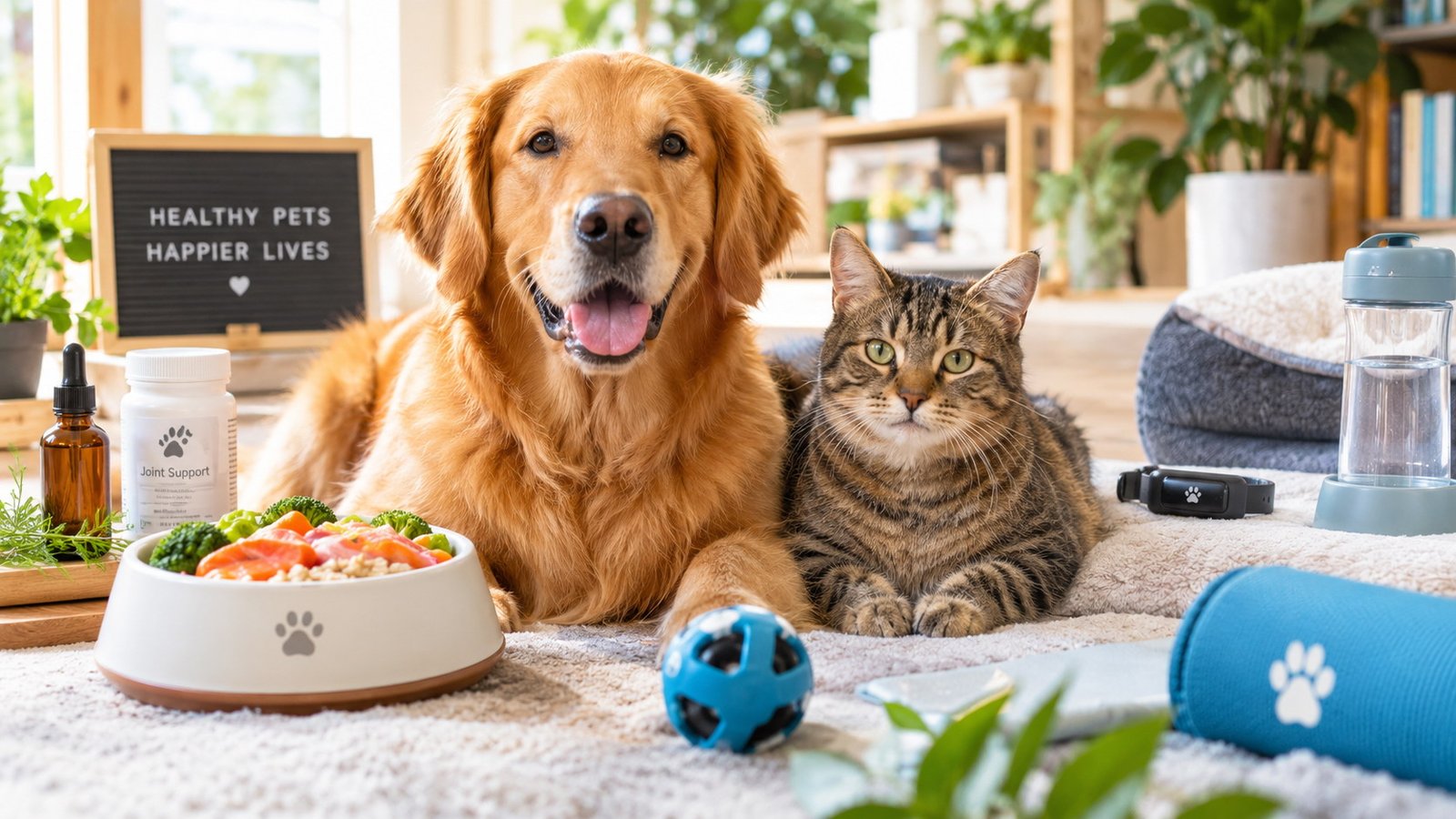
Pet care is moving beyond simply treating problems when they appear, and the top pet wellness trends for 2027 reflect a stronger focus on prevention, personalization, and everyday quality of life. From customized nutrition and gut health to better preventive care, pet owners have more ways than ever to take a proactive approach to their animals’ well-being.
The most useful trends are not necessarily the newest gadgets or expensive wellness products. Many involve practical habits such as monitoring weight, improving enrichment, maintaining dental health, recognizing subtle behavioral changes, and working with a veterinarian to create a care plan suited to an individual pet.
This guide explores the top pet wellness trends for 2027, explains why they matter, and shows how you can incorporate the most useful ideas into your pet’s routine without becoming overwhelmed by every new product or claim.
In This Article
What Are the Top Pet Wellness Trends for 2027—and Why Are They Changing?
Modern pet wellness takes a broader view of health. Instead of focusing only on vaccinations or treating an illness, wellness considers the complete picture: nutrition, physical health, dental care, behavior, mental stimulation, mobility, preventive medicine, environment, and quality of life.
Several factors are driving this shift. Pets are increasingly regarded as members of the household, while owners have access to more information about preventive care and animal behavior. Technology has also made it easier to track activity, weight, feeding habits, and other everyday patterns.
The result is a move toward more individualized pet care.
A young, energetic dog living in an active household may need a very different wellness routine from an indoor senior cat. A rabbit may benefit from enrichment and environmental adjustments that would be irrelevant to a dog. Even two pets of the same breed can have different nutritional, behavioral, and medical needs.
The biggest shift: from reactive care to proactive care
Reactive care asks, “What should I do now that something is wrong?”
Proactive wellness asks, “What can I do today to reduce risks and notice problems earlier?”
That does not mean owners should try to diagnose or treat illnesses themselves. Veterinary care remains essential when a pet develops concerning symptoms.
Instead, proactive wellness involves habits such as:
- Scheduling regular veterinary examinations
- Monitoring body weight and body condition
- Keeping parasite prevention current
- Paying attention to appetite and drinking habits
- Maintaining good dental hygiene
- Providing appropriate exercise and enrichment
- Recording changes in mobility or behavior
- Feeding a nutritionally appropriate diet
- Making the home comfortable and safe
- Learning what is normal for your individual pet
The most valuable pet wellness trend for 2027 may simply be becoming more observant. Small changes can be easier to recognize when owners already understand their pet’s normal routines.
Preventive Pet Care Moves From Routine Checkups to Year-Round Wellness
Preventive care remains one of the most important foundations of the top pet wellness trends for 2027. The modern approach is less about treating the annual veterinary visit as the entire health plan and more about maintaining good habits throughout the year.
Regular veterinary examinations still matter, but what happens between appointments matters too.
Why preventive pet care matters
Many health problems can develop gradually without obvious symptoms during their early stages. Pets can also hide discomfort surprisingly well.
Changes that seem minor to an owner may sometimes deserve attention, particularly when they persist or occur alongside other changes.
Watch for differences in:
- Appetite or eating speed
- Water consumption
- Body weight
- Energy levels
- Sleeping patterns
- Grooming behavior
- Bathroom habits
- Mobility
- Breathing
- Social behavior
- Vocalization
- Coat or skin condition
One isolated change does not automatically mean a pet is sick. Context matters, and some variations are completely normal.
The goal is not to become constantly worried about your pet. The goal is to notice meaningful changes instead of automatically dismissing them.
Build a year-round wellness checklist
A simple checklist can make preventive care much easier to manage.
| Wellness area | What pet owners can monitor |
| Veterinary care | Routine examinations and recommended screenings |
| Vaccination | Keep the schedule appropriate for the pet’s lifestyle |
| Parasite prevention | Fleas, ticks, worms, and other relevant risks |
| Dental care | Brushing, oral checks, and professional dental care when needed |
| Nutrition | Food quality, portions, appetite, and body condition |
| Exercise | Activity appropriate for age, species, breed, and health |
| Behavior | Changes in mood, interaction, fear, or anxiety |
| Mobility | Stiffness, limping, reluctance to jump, or difficulty moving |
| Weight | Regular monitoring rather than relying only on appearance |
| Grooming | Skin, coat, nails, ears, and other routine care |
The exact schedule should be individualized. Puppies, kittens, senior pets, animals with chronic conditions, and pets with unusual lifestyles may need different monitoring than healthy adult animals.
Don’t wait for obvious illness
Certain changes deserve prompt veterinary attention, especially when they are sudden, severe, or getting worse.
Examples include:
- Difficulty breathing
- Collapse or severe weakness
- Repeated vomiting or diarrhea
- Seizures
- Severe pain
- Significant bleeding
- Sudden inability to walk normally
- Major changes in consciousness or responsiveness
- Inability to urinate
Preventive wellness is not a substitute for veterinary treatment. It works alongside professional care by helping owners identify potential problems and maintain healthier routines.
For general veterinary information and pet health resources, the American Veterinary Medical Association (AVMA) provides educational resources for pet owners.
Personalized Nutrition Becomes a Bigger Part of Pet Wellness
Nutrition is another major part of the top pet wellness trends for 2027, particularly as owners become more interested in feeding plans tailored to individual animals.
The basic principle is straightforward: pets do not all have identical nutritional needs.
Age, species, size, activity level, reproductive status, body condition, health conditions, and lifestyle can all influence what type and amount of food is appropriate.
What personalized pet nutrition actually means
Personalized nutrition does not necessarily mean ordering an expensive customized food subscription.
For many pets, personalization simply means choosing an appropriate complete diet and adjusting feeding practices according to the animal’s individual needs.
Important considerations include:
- Life stage: Puppies, kittens, adults, and senior pets may have different nutritional requirements.
- Body condition: Overweight pets may need controlled portions or a veterinarian-guided weight-management plan.
- Activity level: Highly active animals can have different energy requirements from sedentary pets.
- Health conditions: Some diseases require specific therapeutic diets.
- Food sensitivities: Certain pets may need carefully selected ingredients or veterinary dietary trials.
- Species: Dogs, cats, rabbits, birds, and other animals have fundamentally different nutritional requirements.
Portion control may matter more than trendy ingredients
Pet owners sometimes focus heavily on individual ingredients while overlooking the overall diet and calorie intake.
A nutritionally appropriate food can still contribute to excess weight when portions are consistently too large.
Use your pet’s body condition, weight trends, activity, and veterinary guidance to determine whether the current feeding routine is appropriate.
Treats deserve attention too. Frequent snacks, table scraps, dental treats, chews, and calorie-dense toppers can add substantially to daily intake.
A healthy feeding routine is about the whole diet, not one “superfood” ingredient.
What about homemade pet food?
Homemade diets can sound appealing because owners have greater control over ingredients. The challenge is making sure the finished diet supplies all required nutrients in the correct amounts.
Simply combining meat, vegetables, grains, or supplements does not guarantee nutritional completeness.
Cats, in particular, have specific nutritional requirements that make an unbalanced homemade diet risky over time. Dogs also need carefully balanced diets rather than meals based solely on common human foods.
If you want to feed a homemade diet regularly, consider working with a veterinarian or a veterinary nutrition professional who can formulate a nutritionally complete recipe for your specific pet.
Be cautious with wellness marketing
The growing interest in personalized nutrition has also created more opportunities for confusing or exaggerated marketing.
Before buying a food, supplement, topper, or nutritional product, ask:
- Is it appropriate for my pet’s species and life stage?
- Is the nutritional information clear?
- Does my pet actually have a need for this product?
- Could it interfere with an existing diet or medication?
- Is the product making claims that sound too good to be true?
- Has my veterinarian recommended a dietary change for a known health issue?
Personalized nutrition should mean better matching between the pet and the diet—not simply buying more specialized products.
Top Pet Wellness Trends for 2027 Include More Focus on the Gut Microbiome
Digestive health is becoming an increasingly visible part of pet wellness. The gut microbiome refers to the community of microorganisms living in the digestive tract, including bacteria and other microbes that interact with the animal and its diet.
Interest in this area has helped bring greater attention to digestive function, dietary fiber, probiotics, prebiotics, and the relationship between gastrointestinal health and overall well-being.
Why gut health matters
The digestive system does much more than process food. It plays an important role in nutrient absorption and interacts with other systems throughout the body.
Healthy digestion can be supported by fundamentals such as:
- Feeding a nutritionally complete and appropriate diet
- Avoiding unnecessary sudden food changes
- Providing suitable dietary fiber where appropriate
- Maintaining healthy body weight
- Keeping fresh water available
- Using medications responsibly under veterinary guidance
A healthy gut should not be reduced to one supplement or one ingredient.
Probiotics and prebiotics: what’s the difference?
Probiotics are live microorganisms intended to provide a health benefit when consumed in appropriate amounts.
Prebiotics are substances, often certain types of dietary fiber, that can be utilized by microorganisms in the digestive tract.
Both concepts are frequently discussed in pet wellness products, but not every supplement is suitable for every animal.
Product quality, formulation, storage, dosage, and the individual pet’s health status all matter.
When digestive changes need attention
Occasional changes in stool can happen for many reasons, including dietary changes or mild digestive upset. Persistent or recurring problems deserve more attention.
Contact your veterinarian when digestive symptoms are persistent, severe, recurrent, or accompanied by signs such as:
- Loss of appetite
- Repeated vomiting
- Blood in stool
- Significant lethargy
- Weight loss
- Abdominal pain
- Dehydration
- Sudden changes in drinking or urination
Gut wellness should begin with a suitable diet and proper veterinary care, rather than automatically reaching for supplements.
Pet owners interested in the microbiome should also remember that research continues to develop. A product promoted as supporting “gut health” is not automatically necessary for a healthy pet. The most appropriate choice depends on the individual animal and the reason for using it.
Pet Mental Health and Enrichment Take Center Stage
Physical health is only one part of a pet’s overall wellness. The top pet wellness trends for 2027 increasingly recognize mental stimulation, emotional security, social interaction, and species-appropriate behavior as important parts of a healthy lifestyle.
Pets can become bored, frustrated, anxious, or stressed when their environment does not provide enough appropriate activity. The solution is not necessarily buying more toys. Effective enrichment is about giving an animal opportunities to use natural behaviors in safe and rewarding ways.
What does pet enrichment really mean?
Enrichment involves activities and environmental features that encourage pets to think, explore, move, investigate, play, forage, or interact appropriately.
For dogs, enrichment might include:
- Sniffing walks where the dog can safely investigate its surroundings
- Puzzle feeders
- Food-scattering games
- Basic training sessions
- Safe chew items
- Hide-and-seek games
- Rotating toys instead of leaving every toy available at once
Cats often benefit from different forms of stimulation, including:
- Interactive wand toys
- Climbing areas
- Scratching surfaces
- Window viewing opportunities
- Food puzzles
- Hiding places
- Short hunting-style play sessions
Rabbits and other small companion animals also need opportunities to explore, forage, chew appropriate materials, and move through an interesting environment.
Good enrichment matches the animal’s natural behaviors rather than simply keeping the pet busy.
Watch for signs of boredom or stress
Behavior changes can sometimes indicate that a pet needs more stimulation, a different routine, or a veterinary assessment.
Potential signs include:
- Excessive destructive behavior
- Repetitive behaviors
- Unusual vocalization
- Withdrawal
- Increased irritability
- Restlessness
- Changes in normal play
- Excessive grooming
- Avoidance of people or other animals
- Sudden changes in sleeping or eating habits
These signs do not automatically mean boredom. Pain, illness, fear, environmental changes, and other medical or behavioral problems can produce similar behaviors.
A sudden or significant behavior change should therefore be taken seriously.
Create a simple enrichment rotation
You do not need to redesign your home every week. A small rotation can keep familiar activities interesting.
Try alternating:
Monday: Short training session
Tuesday: Food puzzle
Wednesday: New sniffing opportunity or exploration
Thursday: Interactive play
Friday: Chew or forage activity
Weekend: Longer play, exploration, or supervised outdoor activity appropriate for the pet
Keep activities suitable for the species, age, physical ability, and temperament of the animal.
Avoid enrichment items that can easily break apart, cause choking, or contain materials that are unsafe when swallowed. Supervise unfamiliar toys until you know how your pet interacts with them.
Quality matters more than quantity
A house filled with toys does not automatically provide excellent enrichment.
One interactive activity that encourages natural behavior can be more useful than several toys that a pet ignores.
Aim for variety, choice, and appropriate challenge rather than constant stimulation.
Senior pets may prefer gentler activities, while young animals often need more opportunities for play and learning. Pets with mobility limitations may need enrichment that can be performed comfortably without excessive jumping or running.
Wearable Technology Makes Pet Health More Trackable
Technology is becoming another important part of modern pet wellness. Smart collars, activity trackers, GPS devices, automated feeders, cameras, and other connected products can give owners more information about what their pets do throughout the day.
This trend is particularly interesting because technology can help owners notice patterns that are difficult to remember from day to day.
What can pet wearables track?
Depending on the device, pet technology may monitor or record information such as:
- Activity levels
- Rest or sleep patterns
- Location
- Exercise duration
- Movement patterns
- Feeding behavior
- Heart-related measurements on certain specialized devices
- Changes in daily routines
The exact capabilities vary considerably between products.
A tracker that records movement should not automatically be treated as a medical diagnostic device.
How health tracking can help
Imagine your normally energetic dog gradually becoming less active over several weeks. You might notice the change eventually, but a record of activity could make the pattern easier to identify.
Similar observations can be useful for senior pets.
A noticeable change in movement, sleep, or routine can provide useful information to discuss with a veterinarian, especially when combined with other symptoms.
The value of wearable technology often comes from identifying trends rather than relying on one isolated measurement.
Technology should support veterinary care, not replace it
One of the biggest mistakes owners can make is treating consumer technology as a substitute for professional diagnosis.
A device may tell you that your pet moved less than usual. It usually cannot tell you why.
Reduced activity could potentially be associated with fatigue, pain, environmental changes, temperature, stress, or many other factors.
Likewise, an unusual reading does not necessarily mean your pet has a specific disease.
Use technology as an additional source of information and bring concerning patterns to your veterinarian.
What to consider before buying a pet health tracker
Not every pet needs a wearable device. Before purchasing one, consider:
- Purpose: What specific problem will the device help you solve?
- Accuracy: How reliable are its measurements?
- Comfort: Can your pet wear it safely for long periods?
- Battery life: Will you actually keep it charged?
- Data access: Can you easily understand the information it provides?
- Privacy: What happens to location and other collected data?
- Cost: Are subscriptions or replacement components required?
- Veterinary usefulness: Could the information realistically help you monitor an existing concern?
A GPS tracker may be particularly useful for an adventurous outdoor pet, while an activity monitor could be more relevant for an owner trying to monitor exercise or changes in routine.
Choose technology based on a genuine wellness need rather than buying a gadget simply because it is trending.
At-Home Pet Health Monitoring Gets More Sophisticated
One of the most practical pet wellness trends for 2027 is the growing emphasis on monitoring pets between professional veterinary visits.
Owners already observe their pets every day. The difference is that more people are learning how to turn those observations into useful health information.
You do not need complicated equipment to start.
Learn your pet’s normal baseline
Every pet has individual habits.
One cat may normally drink very little from its bowl because it receives substantial moisture from wet food. Another may drink more regularly. One dog may sleep for long periods during the day, while another is constantly looking for something to do.
Knowing what is normal makes unusual changes easier to recognize.
Keep track of basic information such as:
- Current body weight
- Normal appetite
- Typical water consumption
- Usual activity level
- Normal stool and urination habits
- Sleeping routine
- Typical breathing pattern at rest
- Grooming habits
- Mobility
- Favorite activities
- Normal social behavior
You do not have to record every detail every day. Periodic observations can be enough to establish useful patterns.
Regular weight checks can reveal gradual changes
Weight is one of the simplest measurements pet owners can monitor.
Gradual weight gain can be easy to miss when you see your pet every day. The same applies to unexplained weight loss.
For small pets, even relatively modest changes may be meaningful.
A veterinarian can also evaluate body condition, which provides information beyond the number displayed on a scale.
If you notice unexplained weight loss or gain, avoid immediately changing the diet or adding supplements. The underlying reason should be considered first.
Pay attention to everyday habits
Some of the most useful health observations come from ordinary routines.
Ask yourself:
Eating: Is your pet eating normally, eating less, suddenly eating much faster, or refusing food?
Drinking: Has water consumption noticeably increased or decreased?
Bathroom habits: Are urination or bowel movements different from normal?
Movement: Is your pet reluctant to climb stairs, jump, run, or get up?
Grooming: Is there excessive licking, scratching, shedding, or reduced grooming?
Behavior: Has your pet become unusually quiet, restless, withdrawn, clingy, or irritable?
These observations do not provide a diagnosis, but they can help identify when a professional assessment may be appropriate.
Create a simple pet wellness record
A basic digital note or paper journal can make monitoring easier.
Record:
| Information | What to track |
| Weight | Periodic measurements and noticeable changes |
| Appetite | Normal, reduced, increased, or unusual |
| Water | Noticeable changes in drinking |
| Digestion | Stool consistency and frequency changes |
| Activity | Normal movement and exercise |
| Mobility | Stiffness, limping, jumping, climbing |
| Skin and coat | Lumps, irritation, hair loss, excessive scratching |
| Behavior | Mood, interaction, anxiety, unusual habits |
| Medication | Dose and administration schedule |
| Veterinary care | Visits, vaccinations, tests, and recommendations |
This information can become especially useful during veterinary appointments.
Instead of saying, “My pet hasn’t seemed right lately,” you may be able to explain exactly what changed and when.
When should home monitoring become a veterinary visit?
Home observation should never turn into prolonged self-treatment.
Contact your veterinarian when a concerning change is persistent, recurring, worsening, or accompanied by additional symptoms.
Seek urgent veterinary attention for serious signs such as breathing difficulty, collapse, severe pain, seizures, significant bleeding, sudden inability to walk, or severe weakness.
The goal of at-home monitoring is not to replace veterinary care. It is to make you a more informed observer of your pet’s health.
That combination—daily observation at home plus appropriate professional care—is one of the most practical directions in pet wellness heading into 2027.
Mobility, Joint Health, and Healthy Aging Become Major Wellness Priorities
Helping pets stay mobile and comfortable is becoming an increasingly important part of the top pet wellness trends for 2027. Healthy aging is not simply about extending a pet’s lifespan. It is also about preserving mobility, independence, comfort, and enjoyment of everyday activities.
Older pets may naturally slow down, but noticeable changes should not automatically be dismissed as “just old age.” Arthritis, dental problems, muscle loss, obesity, injuries, and other health conditions can affect mobility and activity.
Start supporting healthy movement early
Joint and mobility care does not have to begin when a pet develops obvious stiffness.
Maintaining an appropriate body weight is one of the most practical things owners can do. Excess body weight places additional stress on joints and can make movement more difficult.
Age-appropriate physical activity can also help maintain:
- Muscle strength
- Flexibility
- Coordination
- Healthy body weight
- Cardiovascular fitness
- Mental stimulation
The ideal activity depends on the species, age, breed, physical condition, and individual temperament.
A young dog may enjoy longer walks and active games, while an older dog may benefit more from several shorter walks at a comfortable pace.
Recognize subtle mobility changes
Pets do not always limp dramatically when they experience discomfort.
Look for smaller changes such as:
- Taking longer to stand up
- Hesitating before using stairs
- Avoiding jumping onto furniture
- Walking more slowly
- Sleeping more than usual
- Becoming reluctant to play
- Changing sleeping positions frequently
- Having difficulty getting into or out of a resting area
- Becoming less interested in walks
- Showing irritation when handled around certain areas
Cats can be particularly subtle. A cat that stops jumping onto a favorite high surface or begins using lower sleeping areas may be experiencing discomfort rather than simply changing its preferences.
A gradual decline in activity deserves attention, particularly when it represents a clear change from your pet’s normal behavior.
Make the home easier for senior pets
Small environmental changes can make a meaningful difference for aging animals.
Consider:
- Non-slip rugs on slippery floors
- Easily accessible food and water
- Comfortable supportive bedding
- Ramps or steps where appropriate
- Low-entry litter boxes for cats with mobility difficulties
- Keeping essential resources on the same floor
- Maintaining a predictable household routine
Avoid forcing an older pet to perform activities that cause obvious discomfort.
What about joint supplements?
Joint supplements are widely marketed for aging pets, but they should not automatically be considered necessary.
Some pets may benefit from specific nutritional or supplemental strategies, while others may need a broader approach involving weight management, exercise modification, pain management, rehabilitation, or veterinary treatment.
Discuss supplements with your veterinarian before adding them, particularly if your pet takes medication or has an existing health condition.
A supplement should complement appropriate care rather than delay an examination for a painful or worsening mobility problem.
Healthy aging is about quality of life
Senior wellness should focus on what your pet can comfortably enjoy.
That might mean adjusting exercise, changing the home environment, providing gentler enrichment, improving access to food and water, or scheduling veterinary examinations more frequently when appropriate.
The goal is not to make an older pet behave like a young one.
The goal is to help an aging pet remain comfortable, engaged, and able to participate in the activities it enjoys.
Dental Wellness Becomes a Daily Habit, Not an Occasional Treatment
Dental health is moving higher on the pet wellness checklist because oral problems can affect comfort, eating habits, and overall quality of life. Regular dental care is therefore an important component of the top pet wellness trends for 2027.
Many owners notice bad breath but assume it is simply normal for pets. Persistent unpleasant breath can be associated with dental disease and deserves attention.
Why everyday dental care matters
Plaque can accumulate on teeth and contribute to tartar formation and gum problems.
Once significant dental disease develops, professional veterinary treatment may be needed.
Routine home care can help reduce the buildup that contributes to oral problems.
Common approaches include:
- Regular tooth brushing with pet-specific toothpaste
- Veterinary dental examinations
- Appropriate dental diets when recommended
- Suitable dental chews or products
- Monitoring the gums and teeth at home
Never use human toothpaste for pets unless a veterinarian specifically confirms that a particular product is safe. Some human dental products can contain ingredients that are inappropriate or dangerous for animals.
Start slowly with tooth brushing
Many pets dislike having their mouths handled when owners suddenly introduce a toothbrush.
A gradual approach can be much easier.
Try this progression:
- Let your pet become comfortable with having its face and muzzle gently touched.
- Allow the pet to taste a veterinarian-approved pet toothpaste.
- Introduce a finger brush or suitable pet toothbrush gradually.
- Begin with only a few seconds of brushing.
- Reward calm cooperation.
- Increase the duration slowly as your pet becomes comfortable.
Do not turn dental care into a daily struggle.
If your pet becomes extremely distressed, stop and discuss alternative strategies with your veterinarian.
Know the signs of dental trouble
Potential warning signs include:
- Persistent bad breath
- Red or swollen gums
- Visible tartar
- Drooling
- Difficulty chewing
- Dropping food
- Pawing at the mouth
- Reluctance to eat hard food
- Facial swelling
- Bleeding from the mouth
- Sudden changes in eating behavior
Some animals continue eating despite significant oral discomfort, so normal appetite does not necessarily rule out dental disease.
Dental products are not all equal
Pet stores contain countless dental treats, chews, toys, water additives, and other oral-care products.
Marketing claims can make choosing between them confusing.
Consider whether a product is:
- Appropriate for your pet’s species and size
- Designed with safety in mind
- Suitable for your pet’s chewing behavior
- Recommended by your veterinarian when there is an existing dental concern
- Unlikely to create a choking or obstruction hazard
Very hard objects can potentially damage teeth, while poorly chosen chews can create choking or digestive risks.
A dental product should not be treated as a replacement for veterinary dental care when disease is already present.
Make oral health part of the wellness routine
Dental care works best when it becomes routine rather than something you remember only when your pet’s breath becomes unpleasant.
Pairing oral checks with regular grooming can make it easier to notice changes.
For example, while checking your pet’s coat, ears, nails, or paws, you can also briefly observe the mouth without forcing a stressful examination.
Consistent small habits can make dental wellness much easier to maintain over time.
Low-Stress Grooming and Home Environments Gain Momentum
Another important development in pet wellness is the growing recognition that how care is provided can matter almost as much as what care is provided.
Grooming, nail trimming, bathing, ear cleaning, transportation, medication, and veterinary visits can become stressful experiences for some animals.
Low-stress handling aims to reduce unnecessary fear and make routine care more comfortable.
What does low-stress grooming look like?
The approach varies between individual pets, but several principles can help:
- Introduce grooming gradually
- Use rewards for calm behavior
- Keep sessions short when necessary
- Avoid unnecessary restraint
- Give pets breaks
- Use appropriate grooming equipment
- Pay attention to body language
- Stop when an animal becomes overwhelmed
- Build positive associations with handling
A puppy or kitten that learns early that brushing and nail care can be calm experiences may find future grooming much easier.
Adult and senior pets can also learn new routines with patience.
Watch your pet’s body language
Pets communicate discomfort through behavior long before they necessarily become aggressive.
Possible stress signals include:
- Trying to escape
- Freezing
- Hiding
- Excessive panting
- Lip licking
- Yawning in stressful contexts
- Flattened ears
- Tucked tail
- Growling
- Hissing
- Repeated attempts to avoid handling
These signals should not be ignored.
Punishing a frightened pet can increase stress and make future grooming more difficult.
A better approach is to reduce the intensity of the situation and gradually build tolerance.
The home environment is part of wellness
Pet wellness extends beyond food bowls and veterinary appointments.
The physical environment can influence comfort, sleep, activity, stress, and safety.
A healthy home environment may include:
- Comfortable sleeping areas
- Reliable access to clean water
- Safe places to retreat
- Appropriate temperature and ventilation
- Secure windows, balconies, doors, and outdoor areas
- Species-appropriate enrichment
- Clean litter or toileting areas
- Safe storage of medications and household chemicals
- Removal of plants, foods, and objects that may be dangerous
Cats, for example, often benefit from having elevated resting spaces and places where they can retreat when they want privacy.
Dogs may benefit from a predictable resting area where household activity does not constantly disturb them.
Small pets may require carefully controlled temperature, ventilation, flooring, hiding areas, and opportunities for natural behaviors.
Changes at home can affect pets
Pets can respond to changes that humans may barely notice.
Moving furniture, introducing a new animal, changing feeding schedules, having visitors, renovating a room, or changing household routines can sometimes affect behavior.
When possible, introduce significant changes gradually.
Keep important resources such as food, water, sleeping areas, and toileting locations consistent while your pet adjusts.
Grooming should also be a health check
Routine grooming provides opportunities to notice changes before they become difficult to ignore.
During normal grooming, look for:
- New lumps or bumps
- Skin irritation
- Hair loss
- Parasites
- Ear discharge or unusual odor
- Nail problems
- Paw injuries
- Changes in coat quality
- Areas that seem painful when touched
Do not attempt to diagnose a lump, skin condition, or painful area yourself.
If you discover something unusual, document what you noticed and discuss it with your veterinarian.
Low-stress grooming, a comfortable home, and respectful handling all support the broader idea behind modern pet wellness: helping animals feel physically safe while also protecting their emotional well-being.
The Rise of Preventive Parasite and Seasonal Wellness Planning
Parasite prevention remains a fundamental part of the top pet wellness trends for 2027, even as pet owners become interested in newer approaches to health and wellness. Fleas, ticks, intestinal parasites, and other pests can cause discomfort and may sometimes transmit disease.
The right prevention strategy depends on your pet, location, lifestyle, age, health status, and exposure to other animals or outdoor environments.
Why parasite prevention should be personalized
A strictly indoor cat and a dog that regularly hikes through grassy areas do not necessarily face the same parasite risks.
Factors that can influence prevention needs include:
- Whether your pet spends time outdoors
- Contact with other animals
- Local parasite prevalence
- Travel
- Climate and seasonal conditions
- Access to gardens, parks, forests, or other outdoor areas
- Previous parasite problems
- Age and overall health
Indoor living reduces some risks but does not necessarily eliminate parasite exposure.
Fleas can enter homes, and some parasites can be transmitted through contaminated environments or other routes.
Think beyond flea and tick prevention
A complete parasite discussion can include several different risks.
Depending on the animal and location, prevention may involve consideration of:
- Fleas
- Ticks
- Heartworms
- Intestinal worms
- Other region-specific parasites
Not every pet needs every preventive product.
Veterinary guidance is particularly important because inappropriate medication, incorrect dosing, or unnecessary combinations can create avoidable risks.
Seasonal wellness planning
Parasite activity can change with weather and environmental conditions.
Warm, humid conditions may create favorable circumstances for certain pests, while travel can expose pets to parasites that are less common in their home environment.
Rather than waiting until a pet starts scratching or showing symptoms, create a preventive schedule with your veterinarian.
A useful yearly checklist can include:
Before outdoor activity: Check parasite prevention and make sure identification information is current.
After outdoor exposure: Check the coat and skin for ticks or other visible problems where appropriate.
During routine grooming: Look for fleas, flea dirt, skin irritation, unusual scratching, or changes in the coat.
During veterinary visits: Discuss whether the current prevention plan still matches your pet’s lifestyle.
Before travel: Ask whether your destination creates additional parasite or health risks.
Don’t choose parasite products based only on popularity
Pet wellness trends can encourage owners to search for “natural” or alternative parasite solutions, but natural does not automatically mean safe or effective.
Some substances that are tolerated by people can be harmful to pets, particularly when concentrated or incorrectly applied.
Never use a parasite product intended for a different species unless a veterinarian specifically confirms that it is appropriate.
Dogs and cats can have very different medication safety profiles.
Keep parasite medications away from children and other animals, follow the product instructions carefully, and ask your veterinarian if you are uncertain about the appropriate product or dosage.
What Pet Owners Should Be Careful About: Wellness Trends vs. Wellness Hype
The growing pet wellness industry gives owners access to more choices than ever. That can be helpful, but it also creates a challenge: not every popular wellness trend provides a meaningful health benefit for every pet.
A product can be fashionable, expensive, natural, or heavily promoted without being necessary for your particular animal.
Myth vs. fact: more wellness products mean better care
Myth: Giving a pet multiple supplements automatically improves overall health.
Fact: Supplements should have a specific purpose and be appropriate for the individual animal. Adding unnecessary products can complicate feeding routines and may create interactions or excessive intake of certain nutrients.
Myth vs. fact: natural products are always safer
Myth: A natural ingredient cannot harm a pet.
Fact: Natural substances can still cause toxicity, allergic reactions, skin irritation, digestive problems, or other adverse effects.
The safety of an ingredient depends on the species, dose, route of exposure, formulation, and individual animal.
Myth vs. fact: a wearable can diagnose my pet
Myth: A smart collar or activity tracker can identify exactly what is wrong with a pet.
Fact: Consumer technology can provide useful observations and trends, but abnormal data does not automatically identify a medical condition.
A veterinarian needs to interpret health concerns in the context of physical examination, history, and appropriate diagnostic testing.
Myth vs. fact: every pet needs the same wellness routine
Myth: There is one ideal wellness program that works for every dog or cat.
Fact: Wellness plans should reflect species, age, lifestyle, environment, body condition, existing health problems, and individual needs.
A senior indoor cat may require a very different approach from a young working dog.
Myth vs. fact: expensive products are automatically better
Myth: The most expensive food, supplement, bed, wearable, or grooming product must provide the greatest benefit.
Fact: Price alone does not determine whether a product is appropriate or useful.
A simple, well-established habit—such as proper portion control, regular dental care, appropriate exercise, or routine veterinary examinations—can provide substantial value without requiring expensive equipment.
How to evaluate a new pet wellness trend
Before introducing a new product or practice, ask yourself:
- What specific problem am I trying to solve?
- Does my pet actually have that problem or risk?
- What evidence supports the product or approach?
- Could it interact with food, medication, or another supplement?
- Is it appropriate for my pet’s species, age, and health status?
- What happens if I do nothing?
- Would my veterinarian recommend this approach for my individual pet?
These questions can help separate useful innovation from unnecessary spending.
The goal of pet wellness is not to follow every trend. It is to identify the changes that genuinely improve your pet’s health, comfort, safety, or quality of life.
How to Build a 2027 Pet Wellness Routine Without Overspending
The top pet wellness trends for 2027 can sound overwhelming when considered all at once. Fortunately, you do not need smart devices, specialty foods, multiple supplements, and expensive services to create a strong wellness routine.
Start with the basics.
Build your wellness routine around five priorities
1. Preventive veterinary care
Keep routine examinations, vaccinations, parasite prevention, and recommended screenings on schedule.
2. Appropriate nutrition
Choose a nutritionally appropriate diet, control portions, monitor body condition, and avoid making major dietary changes without a good reason.
3. Physical activity
Provide exercise suited to your pet’s species, age, fitness level, and physical limitations.
4. Mental enrichment
Give your pet safe opportunities to play, explore, forage, learn, interact, and express natural behaviors.
5. Daily observation
Pay attention to appetite, water intake, bathroom habits, mobility, grooming, behavior, and energy levels.
These fundamentals should come before optional wellness products.
Add technology when it solves a real problem
Technology can be useful, but it should serve a purpose.
A GPS tracker may be worthwhile for a pet that has access to outdoor areas. An activity monitor may help an owner observe mobility changes. An automated feeder might be useful for specific feeding routines.
There is no need to buy a device simply because it appears on a list of emerging pet trends.
Create a simple monthly wellness check
Once a month, take a few minutes to review your pet’s overall condition.
Check:
- Weight or body condition
- Appetite
- Activity level
- Teeth and gums
- Coat and skin
- Nails and paws
- Ears
- Bathroom habits
- Behavior
- Current medications and preventive treatments
A monthly review can help you notice gradual changes that might otherwise be overlooked.
Know when professional advice is needed
A wellness routine should make you more informed, not turn you into your pet’s veterinarian.
Contact your veterinarian when you notice persistent or unexplained changes, particularly weight loss, repeated digestive problems, reduced appetite, mobility changes, unusual thirst or urination, behavioral changes, skin problems, or signs of pain.
Emergency symptoms such as difficulty breathing, collapse, severe bleeding, seizures, or sudden severe weakness require prompt veterinary attention.
Smart pet wellness means knowing when home care is appropriate and when professional care is necessary.
Frequently Asked Questions About Pet Wellness Trends for 2027
What is the biggest pet wellness trend for 2027?
Preventive and personalized care is a major direction in pet wellness. Owners are increasingly focusing on nutrition, dental health, enrichment, mobility, parasite prevention, routine monitoring, and individualized veterinary care rather than waiting until obvious illness appears.
How can I improve my pet’s wellness at home in 2027?
Start with the fundamentals: feed an appropriate diet, maintain a healthy body condition, provide regular exercise and enrichment, support dental health, keep parasite prevention current, and monitor changes in normal behavior. These habits are more important than following every new wellness product trend.
Are pet wellness supplements worth using?
Some supplements may be useful for specific pets and specific purposes, but they are not automatically necessary. Discuss supplements with your veterinarian before adding them, especially if your pet has a health condition or takes medication.
Is personalized pet nutrition necessary for every animal?
Not necessarily. Many healthy pets can thrive on an appropriate complete diet selected for their species and life stage. More individualized nutritional plans can become important when a pet has particular health needs, weight concerns, food sensitivities, or other dietary requirements.
Are smart pet health trackers accurate?
Accuracy varies between products and measurements. Wearables can be useful for identifying activity or routine changes, but they should not be treated as standalone diagnostic tools. Concerning changes should be discussed with a veterinarian.
How can I support my senior pet’s wellness?
Focus on healthy body weight, comfortable exercise, appropriate nutrition, dental care, enrichment, regular veterinary monitoring, and an accessible home environment. Watch for changes in mobility, appetite, behavior, grooming, and daily routines.
How often should pets receive preventive health checks?
The appropriate schedule depends on species, age, lifestyle, health status, and individual risk factors. Young, senior, or medically complex pets may need different monitoring from healthy adult animals. Your veterinarian can recommend a schedule suited to your pet.
Making Pet Wellness More Personal in 2027
The biggest change represented by the top pet wellness trends for 2027 is not simply the arrival of new products or technology. It is a broader understanding of what healthy pet care looks like.
Wellness encompasses much more than treating illness. Nutrition, preventive medicine, dental care, mobility, enrichment, grooming, parasite protection, behavior, and the home environment all contribute to a pet’s quality of life.
The best routine is not necessarily the most complicated one.
Start by learning what is normal for your pet. Maintain the basics consistently, introduce new wellness strategies for a clear reason, and involve your veterinarian when health concerns arise.
Take one practical step this week—review your pet’s diet, check the dental routine, update parasite prevention, add a new enrichment activity, or schedule a preventive health visit. Small improvements made consistently can create a much healthier and more comfortable life for your pet.