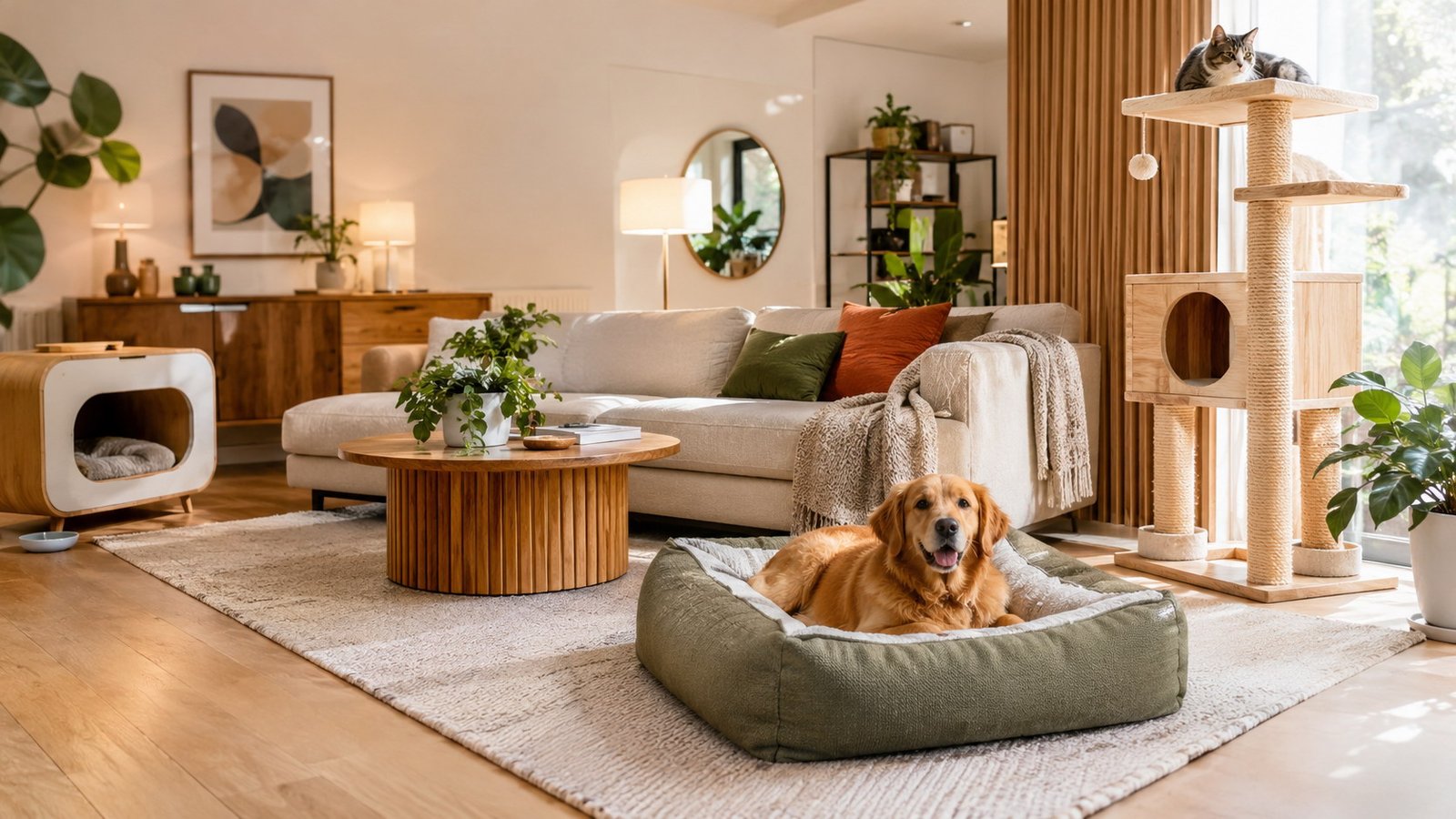
Modern Pet Furniture and Home Decor Trends 2027 are changing how pet owners design their living spaces, making it easier to create homes that look beautiful while keeping cats and dogs comfortable. From multifunctional furniture and natural materials to built-in pet nooks and stylish beds, the latest design directions focus on combining everyday practicality with contemporary interior style.
Pet furniture no longer needs to look like an afterthought tucked into an empty corner. Today’s design-conscious pet owners want scratching posts that complement their living rooms, dog beds that coordinate with their sofas, and feeding stations that blend naturally into their kitchens. The goal is simple: create a home where pets feel secure and welcome without sacrificing personal style.
In this guide, you’ll discover the most promising pet furniture and home decor trends for 2027, explore space-saving solutions, compare materials, and learn how to choose furniture that suits your pet’s needs. You’ll also find practical advice on safety, sustainability, cleaning, and decorating for homes with one or several animals.
In This Article
Why Modern Pet Furniture and Home Decor Trends 2027 Are Changing the Way We Design Our Homes
Pets are an important part of everyday family life, so it makes sense that their needs are becoming a bigger consideration in home design. Instead of treating pet accessories as separate necessities, many homeowners are incorporating them into their overall decorating plans.
The result is a more thoughtful approach to interior design, where pet beds, feeding stations, storage baskets, and climbing structures serve practical purposes while contributing to the room’s appearance.
Pet Furniture Is Becoming Part of the Interior Design
Traditional pet furniture often prioritizes basic function over appearance. A dog bed might be comfortable but clash with the living room, while a large cat tree can occupy valuable floor space without matching the surrounding furniture.
Modern designs take a different approach. Pet products increasingly feature clean silhouettes, coordinated colors, attractive finishes, and materials that complement contemporary interiors.
Popular design directions to explore for 2027 include:
- Minimalist pet furniture: Simple shapes, understated colors, and uncluttered designs.
- Multifunctional pieces: Furniture that combines pet resting areas with storage, shelving, or other household uses.
- Natural-inspired finishes: Wood tones, woven textures, and earthy colors that create a warm atmosphere.
- Coordinated pet accessories: Matching beds, feeding stations, toy baskets, and leash organizers.
- Integrated pet spaces: Built-in sleeping areas and cat-friendly shelves that form part of the home’s layout.
These are useful design directions rather than a definitive ranking of market trends. The best choice depends on your home, budget, and the animals who will use the furniture.
Comfort and Practicality Matter as Much as Appearance
Beautiful pet furniture is only a good investment if your pet actually enjoys using it. A fashionable bed with poor support, an unstable climbing tower, or a feeding station that is difficult to clean can quickly become a frustrating purchase.
Consider your pet’s everyday habits before choosing a design. Dogs that enjoy stretching out need enough room to lie comfortably, while cats often appreciate a combination of elevated resting places, enclosed hiding spots, and appropriate scratching surfaces.
Practical features worth prioritizing include:
- Removable, washable covers.
- Stable bases and secure construction.
- Pet-appropriate materials and finishes.
- Easy access for older animals or pets with mobility limitations.
- Surfaces that can be cleaned without damaging the furniture.
- Designs that accommodate your pet’s adult size, not just its current size.
A useful rule: Choose furniture that meets your pet’s needs first, then find a style that works with your interior.
How Pet-Friendly Design Benefits the Whole Household
Thoughtful pet furniture can make everyday routines easier for everyone. A designated feeding area helps contain bowls and food supplies, while a storage bench or basket keeps toys from spreading across the living room.
Well-planned pet spaces can also reduce household clutter and make cleaning more manageable. For example, a washable rug beneath a feeding station can help catch splashes, and a designated scratching area can encourage cats to use appropriate surfaces rather than the sofa.
Pet-friendly design doesn’t mean filling every room with animal accessories. It means deciding where your pet sleeps, eats, plays, and relaxes, then arranging those spaces so they feel like a natural part of your home.
The Biggest Modern Pet Furniture Trends to Watch in 2027
Modern pet furniture is moving toward designs that combine visual simplicity with practical features. While not every emerging idea will suit every household, several approaches offer particularly useful inspiration for updating a pet-friendly home.
Multifunctional Furniture That Serves Two Purposes
Multifunctional furniture is especially appealing to people who want their homes to feel organized without adding unnecessary pieces.
Examples include:
- Side tables with an open, well-ventilated compartment for a pet resting area.
- Storage benches that hold toys, leashes, and grooming supplies.
- Console tables with a designated space underneath for a pet bed.
- Cabinets with a separate, accessible feeding station.
- Window benches that provide a comfortable place for people and a nearby resting spot for cats.
These designs help integrate pet belongings into existing furniture arrangements rather than creating separate pet-only zones throughout the home.
However, never assume that an enclosed cabinet or decorative furniture compartment is automatically suitable as a pet bed. Resting areas need adequate ventilation, comfortable access, and enough room for the animal to move freely. Avoid designs that can trap a pet inside, overheat, or expose it to unstable furniture.
Multifunctional pieces work best when their pet-related features are designed for animal use rather than added purely for appearance.
Minimalist Pet Furniture With Clean Lines
Minimalism remains a useful direction for homeowners who prefer calm, uncluttered interiors. Pet furniture in this style often features simple geometric shapes, slim frames, neutral fabrics, and restrained detailing.
A low-profile dog bed in a warm gray fabric, for instance, can complement a modern sofa without drawing excessive attention. A simple wooden cat shelf can also fit naturally into a room with similarly finished furniture.
To create a cohesive look, try these combinations:
| Interior style | Pet furniture ideas | Suggested colors |
| Scandinavian | Light wood beds, simple cat shelves, soft-textured cushions | Cream, pale gray, natural oak |
| Modern minimalist | Low-profile beds, streamlined feeding stands | White, charcoal, taupe |
| Organic modern | Wood-framed beds, woven-style storage baskets | Warm beige, olive, sand |
| Contemporary | Upholstered pet sofas, sculptural scratching posts | Greige, black, muted green |
| Rustic modern | Solid wood furniture, durable textured fabrics | Brown, terracotta, oatmeal |
Choose materials that suit your pet’s behavior. Delicate upholstery may look attractive in a showroom but perform poorly in a home with a heavy-shedding dog or a cat that likes to scratch.
Minimalist design also benefits from thoughtful storage. Keeping toys, spare blankets, and grooming tools in a dedicated basket can make a room feel noticeably tidier without requiring a major renovation.
Natural Materials and Warm, Earthy Colors
Natural-looking materials are another appealing direction for modern pet interiors. Wood finishes, woven textures, and warm neutral colors can soften the appearance of a room while helping pet furniture blend with existing decor.
Consider a wooden feeding stand, a washable cream-colored dog bed, or a cat scratching post wrapped in replaceable sisal. These pieces can provide visual consistency without relying on matching every accessory exactly.
Promising color combinations include:
- Warm beige and oak: A versatile choice for bright, relaxed living spaces.
- Muted green and natural wood: Suitable for interiors with plants and organic textures.
- Terracotta and cream: Adds warmth without making the room feel overly busy.
- Charcoal and light gray: Works well in contemporary homes with darker accents.
- Soft brown and oatmeal: Creates a cozy appearance around pet resting areas.
Material selection still matters more than appearance alone. Untreated or poorly finished wood can absorb moisture, woven materials may collect fur, and some natural fibers can fray when chewed or scratched.
Look for sturdy construction, secure fastenings, smooth edges, and finishes intended for the product’s use. Avoid materials that splinter easily or release small pieces your pet could swallow.
Pet safety tip: Keep toxic plants, dangling cords, and small decorative objects out of reach, particularly when arranging pet furniture near windows, shelves, or indoor greenery.
Design-Led Accessories That Keep Everyday Items Organized
Small accessories can make a significant difference to the appearance of a pet-friendly home. Coordinated bowls, attractive food containers, leash hooks, and storage baskets help create a consistent look without requiring expensive furniture.
A practical setup might include a raised feeding stand where appropriate for your individual pet, a sealed container for dry food, and a washable mat beneath the bowls. In the entryway, a wall-mounted leash holder and a small basket for walking essentials can keep everything within easy reach.
For cats, an attractive scratching post or wall-mounted scratcher can become part of the room’s decor while providing an appropriate outlet for natural scratching behavior.
When shopping, look beyond color and finish. Bowls should be easy to wash, food containers should close securely, and accessories must remain stable during normal use. Any raised feeder should suit your pet’s size and health needs rather than being selected solely because it looks modern.
Built-In Pet Furniture: Turning Pet Spaces Into Beautiful Design Features
Built-in pet furniture is an appealing option for homeowners who want to make better use of their existing layout. Instead of placing a separate bed or climbing tower in every available corner, you can incorporate dedicated pet spaces into shelving, cabinetry, staircases, and other architectural features.
The most successful designs feel intentional while remaining easy for pets to access and owners to maintain.
Built-In Dog Beds Under Stairs, Desks, and Window Seats
The space beneath a staircase or desk can sometimes accommodate a comfortable dog resting area. A custom-built nook can also be integrated into a window bench or a section of living room cabinetry.
These arrangements are particularly useful in smaller homes where every square meter matters.
Before building a sleeping nook, measure your dog’s length while resting and allow enough room for turning around, stretching, and changing sleeping positions. Consider the dog’s expected adult size if it is still growing.
A suitable built-in dog bed should include:
- Adequate clearance: Your dog must be able to enter and leave without squeezing through a narrow opening.
- Comfortable bedding: Choose cushioning that suits the dog’s size, age, and resting habits.
- Ventilation: Avoid enclosed compartments that become hot or stuffy.
- Easy cleaning: Removable cushions and accessible flooring make routine maintenance simpler.
- Safe construction: Smooth edges, secure panels, and stable furniture reduce the risk of injury.
A built-in bed should function as a resting place, not as a confined space where the dog is expected to remain for long periods.
Pay particular attention to location. A bed near a busy doorway may be disturbed frequently, while a spot beside a loud appliance may be less relaxing than expected. Many dogs prefer a quiet area where they can rest while still feeling connected to their family.
Cat Shelves and Climbing Walls That Look Like Modern Decor
Cats often benefit from vertical space, especially in homes where floor space is limited. Wall-mounted shelves, climbing steps, and elevated platforms can create opportunities for climbing, observing, and resting without taking up much room.
A carefully arranged cat wall can complement modern interiors when the shelves share a consistent finish or follow a simple visual pattern.
Good planning is essential, however. Cats need secure footholds and predictable routes between resting spots. A series of decorative shelves placed too far apart may look attractive but be difficult or unsafe for some cats to navigate.
For a more functional setup:
- Install shelves into appropriate structural supports using suitable hardware.
- Follow the manufacturer’s load limits and installation instructions.
- Use stable surfaces that provide enough traction.
- Provide a route down as well as up, especially for older cats.
- Keep shelves away from fragile objects, hot appliances, and hazards near windows.
- Position suitable scratching surfaces within the cat’s normal living area.
Consider your cat’s age, weight, confidence, and mobility before choosing the height and spacing of climbing furniture. Senior cats and animals with joint problems may prefer lower platforms with ramps or intermediate steps.
Never rely on adhesive strips or decorative mounting alone for furniture that must support a climbing cat. Secure installation is essential to prevent shelves from falling and causing injury.
Custom Pet Nooks Versus Ready-Made Furniture
Built-in designs can produce a polished result, but they aren’t the right solution for every budget or home. Ready-made furniture is often easier to replace, relocate, and clean, while custom pieces can make better use of unusual spaces.
| Feature | Built-in pet furniture | Ready-made pet furniture |
| Appearance | Can blend closely with the room | Available in many coordinated styles |
| Space efficiency | Excellent when designed for a specific area | Depends on size and configuration |
| Initial cost | Often higher due to design and installation | Available across a broad price range |
| Flexibility | Usually difficult to move | Generally easier to relocate |
| Maintenance | Depends on construction and access | Often simpler when covers or parts are removable |
| Best suited for | Renovations, custom layouts, permanent solutions | Renters, budget-conscious owners, changing needs |
Built-in furniture is worth considering when you are already renovating or have an awkward area that cannot easily accommodate standard products. A ready-made bed or modular cat system may be more practical if you expect to move or rearrange your home.
Before committing to custom work, ask how the bedding will be removed, how the interior surfaces will be cleaned, and whether damaged components can be repaired. A beautiful design that is difficult to maintain can become an expensive inconvenience.
The best built-in pet furniture is not simply furniture with a space left over for an animal. It is a thoughtfully planned resting or activity area that supports natural behavior, feels comfortable, and fits seamlessly into everyday life.
Natural Materials and Earthy Colors Are Redefining Pet-Friendly Interiors
Natural materials and earthy color palettes are becoming an appealing direction for homeowners who want their interiors to feel warm, calm, and connected to nature. For modern pet furniture and home decor trends in 2027, this approach offers a practical way to make beds, feeding stations, scratching posts, and storage accessories look like intentional parts of the home.
The secret is choosing materials that balance appearance with durability. A beautiful wooden pet bed or woven storage basket can complement your decor, but it should also withstand everyday use, remain easy to clean, and be safe around curious animals.
Natural Wood, Woven Textures, and Pet-Friendly Finishes
Wooden furniture is a versatile choice because it works with many interior styles, from Scandinavian minimalism to rustic modern design. A light-oak dog bed frame, for example, can complement a neutral living room, while darker wood creates a richer contrast in a contemporary space.
Other materials worth considering include:
- Bamboo: A lightweight material used in some feeding stands, storage accessories, and furniture frames. Check construction quality and finishes before purchasing.
- Sisal: A durable natural fiber commonly used on cat scratching posts and climbing surfaces.
- Cotton and linen blends: Useful for soft furnishings when the fabric is durable and easy to maintain.
- Washable performance fabrics: Practical for pet beds and cushions that experience frequent contact with fur, dirt, and moisture.
- Woven-style storage: Attractive for storing toys and blankets, provided the basket is sturdy and your pet does not chew or swallow its fibers.
Not every natural material is automatically pet-safe. Rattan, wicker, and loosely woven fibers may unravel when chewed, potentially creating a choking or swallowing hazard. Cats may also snag their claws on some open-weave fabrics.
Choose materials according to your pet’s habits, not just their appearance. A calm adult dog may do well with a fabric-covered wooden bed, while a puppy that chews furniture may need a simpler design with fewer exposed edges and loose components.
The Earthy Color Palettes to Explore in 2027
Color is one of the easiest ways to make pet furniture blend into an existing interior. Instead of choosing a bed that stands out as a separate accessory, select shades that complement your flooring, sofa, curtains, and wall colors.
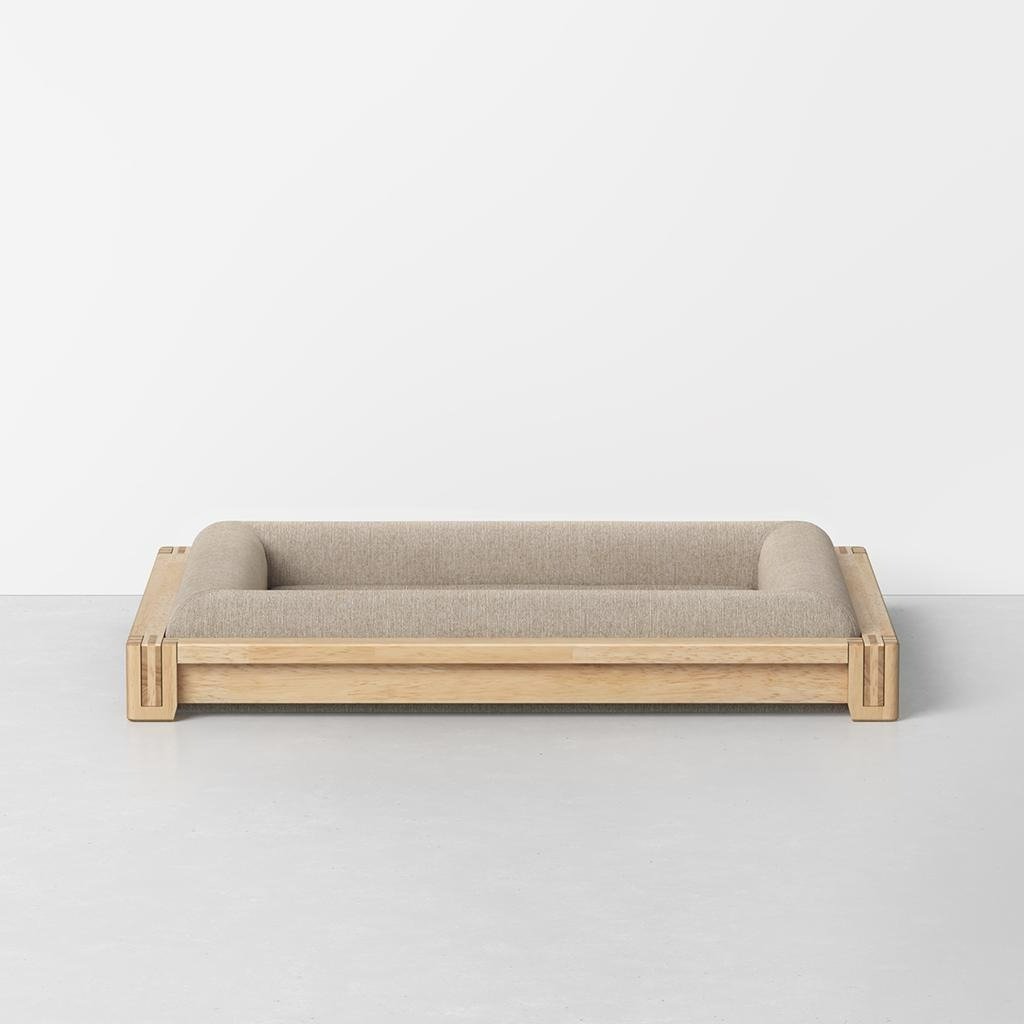
Warm beige and natural oak
This combination creates a relaxed, airy appearance. It works particularly well in bright rooms with light-colored walls and simple furniture. Choose washable covers because pale fabrics can show muddy paw prints and stains more easily.
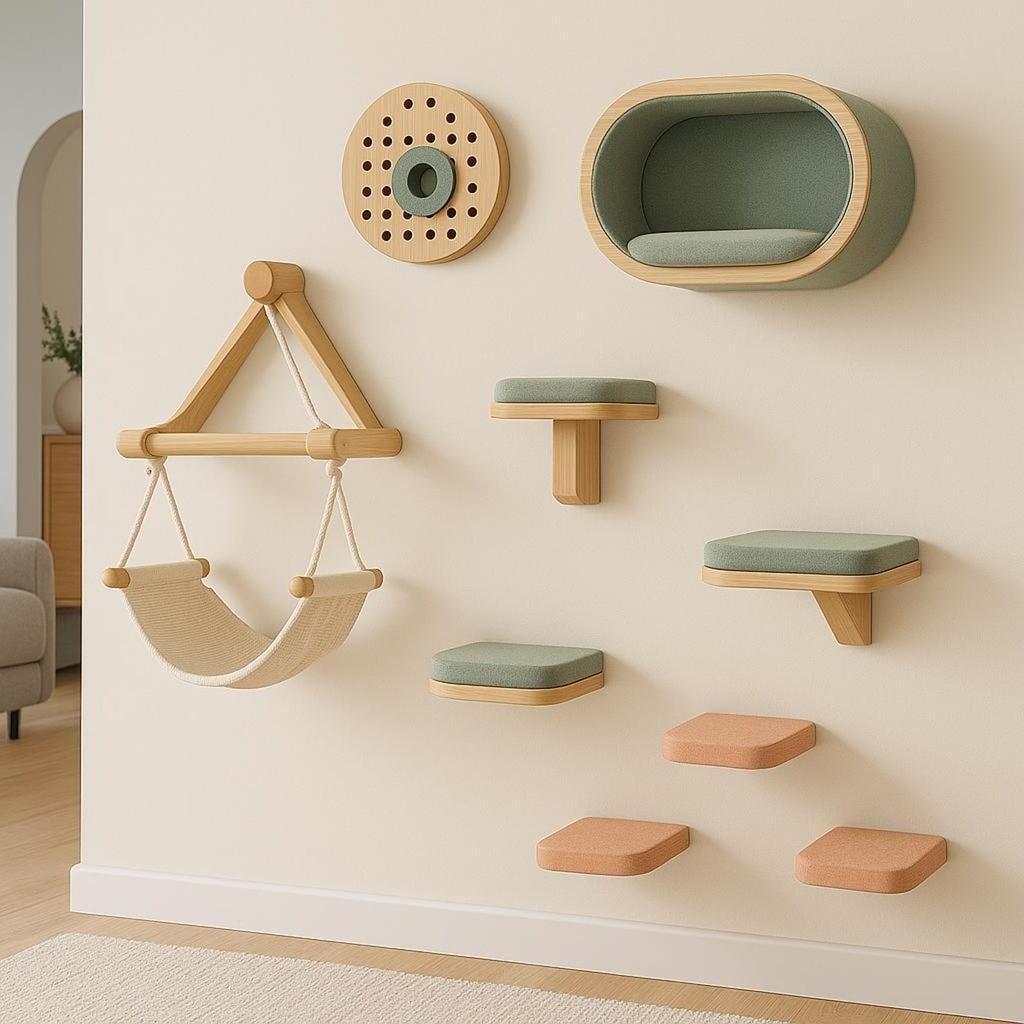
Muted green and wood
Sage and olive shades complement natural wood finishes, earthy textiles, and understated decor. A green pet cushion or coordinated feeding station can introduce color without overwhelming the room.
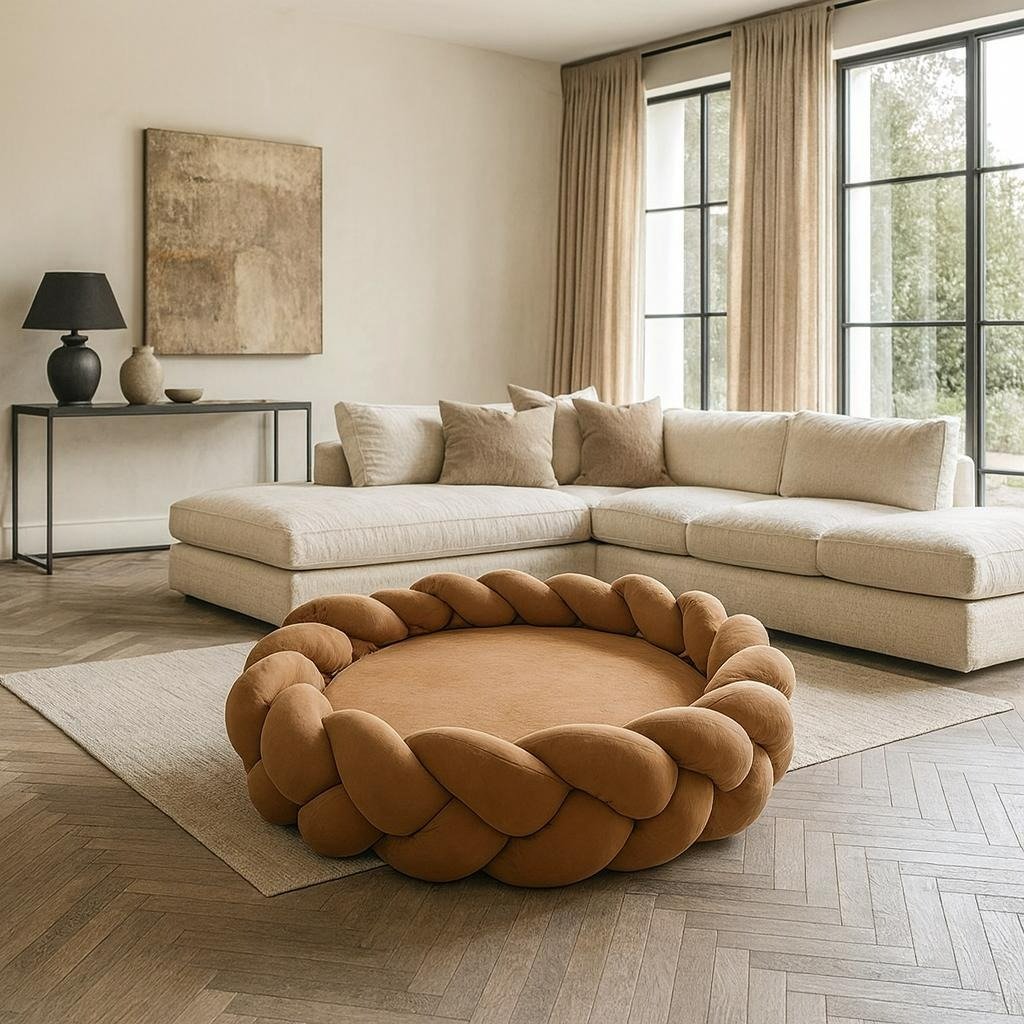
Terracotta and cream
Warm reddish-brown accents add character to otherwise neutral spaces. These shades work well for pet cushions, toy baskets, and small accessories, especially in rooms with wood or warm-toned flooring.
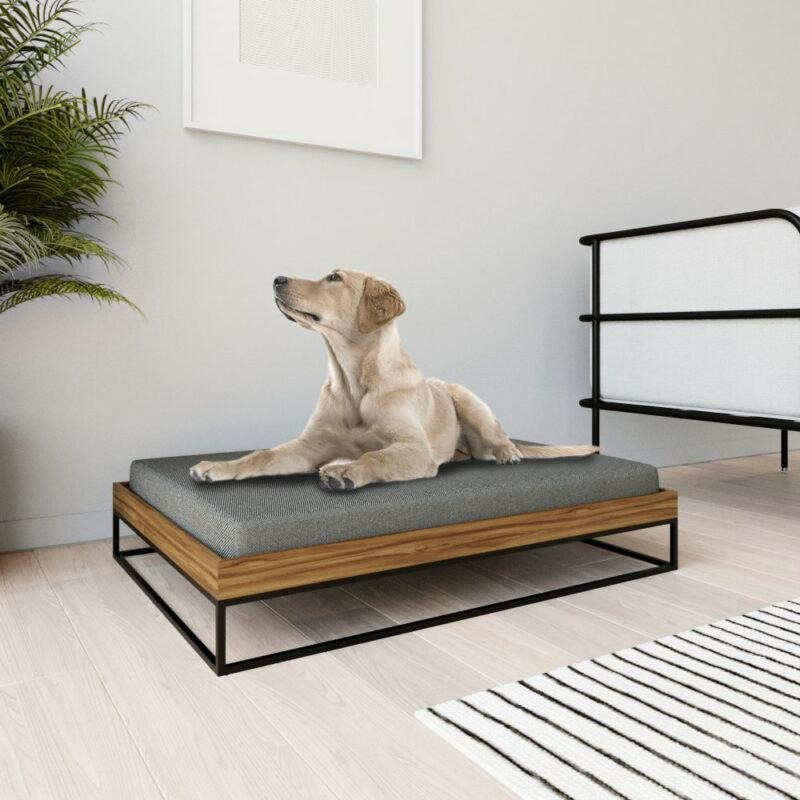
Charcoal and soft gray
Darker colors create a modern look and can hide some everyday discoloration. However, fur may still be very visible when it contrasts with the fabric, so choose a shade that works with your pet’s coat.
These palettes are design suggestions rather than fixed predictions about which colors will dominate the 2027 market. The best choice is one that complements your home and remains practical for your household.
How to Choose Finishes That Are Safe for Pets
Furniture finishes deserve as much attention as color and texture. Pets may lick surfaces, chew corners, scratch panels, or spend hours resting against upholstered materials.
When selecting modern pet furniture, look for products with clear material descriptions and manufacturer guidance on appropriate use. Avoid exposed splinters, peeling coatings, sharp metal edges, and finishes that have not fully cured according to the manufacturer’s instructions.
Keep the following considerations in mind:
- Choose sturdy furniture that does not wobble when your pet climbs onto it.
- Avoid loose decorative buttons, beads, and other small parts that could be swallowed.
- Inspect woven products regularly for unraveling fibers.
- Keep cleaning chemicals and furniture treatments away from pets until the products are safe to use according to their labels.
- Check that fabrics and cushioning can be cleaned without leaving harmful residues.
Indoor plants can complement earthy interiors, but some common decorative plants are toxic to cats and dogs. Research each species before bringing it home, and place unsuitable plants where pets cannot reach them. Remember that elevated shelves are not a reliable barrier for an agile cat.
The best natural-inspired interior is both attractive and safe. A pet-friendly home should not require you to constantly prevent your animal from touching the furniture or exploring its surroundings.
Small-Space Solutions: Modern Pet Furniture for Apartments and Compact Homes
Living in an apartment or a compact house does not mean you have to sacrifice your pet’s comfort or your preferred interior style. With thoughtful planning, modern pet furniture can provide sleeping, feeding, playing, and storage areas without making a room feel crowded.
The key is to use the space you already have more efficiently rather than filling every empty corner with another accessory.
Use Vertical Space Instead of Filling the Floor
Vertical furniture can be particularly useful for cats. Wall-mounted shelves, climbing steps, and elevated resting platforms allow cats to explore and observe their surroundings while leaving more floor space available for people.
A vertical arrangement may work well beside a bookshelf, along an otherwise unused wall, or near a window where your cat enjoys watching the outdoors.
Before installing a climbing system, consider the following:
- Secure mounting: Attach shelves to suitable structural supports using appropriate hardware.
- Safe spacing: Leave enough room for your cat to climb and descend comfortably.
- Non-slip surfaces: Provide secure footing, especially on elevated platforms.
- Accessible routes: Avoid designs that force cats to make difficult jumps to reach a resting spot.
- Room to rest: Include a stable platform large enough for your cat to sit, turn around, and lie down.
Vertical furniture is not automatically suitable for every cat. Kittens may be energetic climbers, while older cats or those with mobility limitations may need lower platforms and gentler routes.
For dogs, vertical space is usually more useful for storage than resting. Wall-mounted leash hooks, shelves for sealed food containers, and hanging organizers can free up valuable floor area.
Choose Multifunctional Pieces for Apartments
In a small home, a single well-designed piece can sometimes replace several separate accessories. Furniture that provides storage alongside a dedicated pet area can help reduce visual clutter.
Consider these ideas:
| Furniture idea | How it saves space | Best use |
| Storage bench with a separate pet bed nearby | Combines seating and storage | Entryways and living rooms |
| Side table with an open pet nook | Uses space beneath the tabletop | Small living areas |
| Compact feeding station | Keeps bowls and supplies together | Kitchens and dining areas |
| Wall-mounted leash organizer | Moves walking essentials off the floor | Entryways |
| Foldable pet gate | Can be stored when not needed | Temporary room separation |
| Modular cat furniture | Allows components to be arranged vertically | Apartments with limited floor space |
Check the dimensions before buying. A product described as compact may still occupy more space than expected once doors, drawers, or removable cushions are fully opened.
Furniture with pet compartments should provide sufficient ventilation and unrestricted access. Avoid using storage cabinets or furniture boxes as sleeping spaces unless they are specifically designed for safe animal use.
Create a Dedicated Pet Zone Without Making the Room Feel Crowded
Pets benefit from predictable places to rest and access their everyday essentials. Even a small apartment can accommodate a defined pet area when you choose its location carefully.
A dog might have a bed beside the living room sofa, with toys stored in a nearby basket. A cat might use a scratching post, a comfortable resting platform, and a separate quiet sleeping spot.
You do not need to place every pet accessory in one location. Instead, organize items according to their purpose.
For example:
- Keep feeding supplies near the area where meals are served.
- Place a dog bed away from busy walkways and frequently opened doors.
- Give cats scratching surfaces near their preferred activity areas.
- Store toys in a container that is easy to access and clean.
- Keep litter boxes in suitable, accessible locations away from food and water bowls.
Do not prioritize a tidy-looking room over your pet’s basic needs. Cats need appropriately located litter boxes, and dogs need sufficient room to move and rest comfortably. Pet zones should support normal behavior rather than simply fit the furniture layout.
Measure Before You Buy: A Simple Space-Planning Method
Buying furniture without measuring is one of the easiest ways to create unnecessary clutter. A bed that looks small online may dominate a narrow room, while a climbing tower might block access to a window or cabinet.
Follow this simple process before ordering new pet furniture.
Step 1: Measure the available area. Record the width, depth, and height of the space where the furniture will go. Include nearby doors, drawers, and walkways.
Step 2: Measure your pet. Check the space your animal needs to rest comfortably, turn around, and get in and out of the furniture. Follow the manufacturer’s sizing guidance as well.
Step 3: Check the movement around it. Make sure people can walk past the furniture without tripping and that your pet can approach it without squeezing through a tight gap.
Step 4: Account for cleaning. Leave enough room to remove bedding, vacuum underneath, refill bowls, and clean surrounding surfaces.
Step 5: Test the layout before committing. Use cardboard or paper to mark the furniture’s footprint on the floor. This inexpensive trick makes it easier to see whether a piece will overwhelm the room.
Renters should also consider removable solutions, particularly when installing wall-mounted furniture. Always obtain permission when required and use installation methods appropriate for the wall structure.
Smart and Multifunctional Pet Furniture: What Is Actually Worth Buying?
Technology is becoming a more visible part of modern pet care, but not every connected product is necessary. Some devices can simplify daily routines, while others add expense, maintenance, and complexity without offering much practical benefit.
The smartest approach is to identify a genuine need first, then decide whether technology or a simpler piece of furniture offers the best solution.
Smart Feeding Stations and Water Fountains
Automatic feeders and pet water fountains are among the more practical options for households that want to make feeding routines easier.
Automatic feeders can dispense measured portions according to a schedule, depending on the model. They may be useful for pets that eat dry food and benefit from predictable meal times, particularly when owners have busy schedules.
Water fountains circulate water and may encourage some pets to drink more readily. However, individual preferences vary, and a fountain does not guarantee increased water intake.
When evaluating these products, look for:
- Removable components that are easy to wash.
- Reliable portion controls for automatic feeders.
- Stable bases that resist tipping.
- Accessible replacement filters or other consumable parts.
- Clear instructions for cleaning and maintenance.
- A power setup that keeps cables away from chewing pets and water.
Some connected feeders offer app controls, feeding notifications, or portion records. These features may be convenient, but they should not replace supervision or appropriate feeding guidance.
Important: Automatic feeders are not a substitute for monitoring your pet’s appetite and general condition. A pet that suddenly stops eating, develops unusual thirst, or experiences an unexpected change in weight may need veterinary attention.
Water fountains also require regular cleaning. Standing debris, biofilm, and clogged filters can reduce their usefulness, so follow the manufacturer’s maintenance schedule and keep a clean alternative water bowl available when appropriate.
Multifunctional Furniture With Hidden Storage
Not every useful innovation requires electronics. In many homes, a simple storage bench, modular bed frame, or feeding cabinet provides more everyday value than a high-tech product.
Storage-integrated furniture can keep leashes, toys, spare bedding, and grooming supplies organized while preserving a clean appearance.
A well-designed piece might feature:
- A removable cushion for easy washing.
- A separate compartment for sealed pet supplies.
- Rounded, smooth edges.
- Sturdy construction that resists tipping.
- Easy access to stored items without disturbing a resting animal.
Keep pet food in suitable sealed containers rather than leaving it loose inside furniture. Storage spaces should remain dry, clean, and protected from pests.
Avoid putting food, medications, cleaning products, and pet toys together in a single unsecured compartment. Medicines and chemicals must remain inaccessible to animals, even when the storage furniture looks closed and tidy.
Temperature-Aware Beds and Comfort-Focused Accessories
Comfort-focused pet products are another area worth exploring. Options include raised mesh beds, washable cooling mats, supportive cushions, and insulated beds for cooler environments.
The right choice depends on your pet’s age, coat, health, environment, and personal preferences.
| Product type | Potential benefit | What to check |
| Raised mesh bed | Allows airflow underneath and keeps the pet off the floor | Stable frame, secure fabric, suitable height |
| Cooling mat | Provides a cooler resting surface | Appropriate materials, chew resistance, cleaning instructions |
| Supportive foam bed | Offers cushioning for resting joints | Correct size, intact cover, suitable firmness |
| Insulated bed | Helps provide a warmer resting place | Breathability, dry bedding, safe temperature |
| Temperature-monitoring accessory | May help owners observe environmental conditions | Accuracy, placement, maintenance, realistic expectations |
A cooling mat does not replace access to fresh water, shade, and a suitably cool environment during hot weather. Never leave a pet in a hot room or vehicle simply because it has a cooling accessory.
Similarly, heated pet products should be used only according to their safety instructions. Check for damaged wires, excessive heat, and chew hazards. Animals must be able to move away from a heated surface whenever they become uncomfortable.
Pets with arthritis, chronic illness, or other medical needs may benefit from specific bedding features, but significant comfort or mobility changes should be discussed with a veterinarian rather than managed through furniture purchases alone.
Connected Pet Furniture: Helpful Innovation or Unnecessary Expense?
Smart pet products can be useful, but the value depends on what they actually do for your household.
Before paying more for connected features, consider the following comparison.
| Feature | When it may be worthwhile | Possible drawback |
| App-controlled feeder | You need scheduled meals or remote portion adjustments | Requires maintenance and may depend on power or connectivity |
| Activity-tracking accessory | You want additional observations about daily movement | Data may be incomplete and cannot diagnose illness |
| Smart pet camera | You want to check on your pet while away | Monitoring can create false reassurance if an emergency occurs |
| Automated litter system | You want to reduce some routine scooping | Requires regular cleaning and may not suit every cat |
| Sensor-equipped pet furniture | You have a specific monitoring need | Extra cost and limited practical benefit for some households |
Think about the total cost, not just the purchase price. Replacement filters, proprietary accessories, batteries, subscriptions, repairs, and cleaning time can make a product more expensive over its lifetime.
Privacy and reliability also deserve consideration. If a product connects to an app, review its data practices, security features, and what happens when the internet or power supply fails.
For most pet owners, the best investment is a reliable product that solves a recurring problem. A sturdy washable bed may improve everyday comfort more than an expensive connected accessory that adds little to your pet’s routine.
How to Choose Smart Pet Furniture Without Compromising Safety
Technology should support good pet care rather than complicate it. Before introducing a new product, check whether its moving parts, cables, batteries, or detachable components could create a hazard.
Use this checklist when comparing products:
- Choose reputable manufacturers with clear instructions and support information.
- Check dimensions, weight limits, and stability.
- Keep electrical cables secured and inaccessible to chewing pets.
- Clean food and water equipment as directed.
- Inspect products regularly for cracks, loose parts, and damaged wiring.
- Introduce unfamiliar equipment gradually, allowing your pet to approach at its own pace.
- Keep a simple backup plan if a device stops working.
Some pets are nervous around unfamiliar sounds or moving equipment. A cat may avoid an automatic litter system that activates unexpectedly, while a dog may become uncomfortable around a noisy feeder. Give your pet time to investigate and provide an alternative while it adjusts.
For general guidance on keeping companion animals safe at home, the American Veterinary Medical Association’s pet owner resources offer useful information about responsible pet care and household safety.
Ultimately, smart pet furniture is worth buying when it makes a routine safer, more convenient, or more comfortable. Start with your pet’s needs, compare the ongoing costs, and choose features that provide real value rather than following technology trends simply because they are new.
Stylish Pet Beds, Sofas, and Lounging Areas That Match Your Interior
Pet beds are no longer just practical accessories hidden in a corner. In modern pet furniture and home decor trends for 2027, resting spaces are becoming intentional design elements that complement sofas, rugs, bedroom furniture, and other interior features.
The best pet bed should look good while giving your animal a comfortable, secure place to relax. Choosing the right shape, size, material, and location can make a noticeable difference to both your home’s appearance and your pet’s daily comfort.
Modern Dog Beds That Look Like Designer Furniture
Modern dog beds come in many styles, including upholstered mini sofas, low-profile cushions, wooden platform beds, and elevated frames. Each option offers different benefits depending on your dog’s size, age, sleeping habits, and the room where the bed will be placed.
A miniature dog sofa may suit a contemporary living room, while a simple rectangular cushion can work better in a minimalist apartment. Wooden frames can add warmth, and washable fabric beds offer practical advantages for dogs that spend time outdoors.
Consider these popular design directions:
- Upholstered dog sofas: These resemble miniature human sofas and often feature padded sides. Choose one with enough space for your dog to stretch out comfortably.
- Low-profile cushion beds: Simple and versatile, these work well in bedrooms, living rooms, and smaller homes.
- Raised platform beds: These lift your dog off the floor and can improve airflow underneath. Make sure the height is suitable for your dog’s mobility.
- Wooden-frame beds: These complement natural and Scandinavian interiors while allowing the cushion to be replaced separately.
- Orthopedic-style beds: Supportive foam may help some older dogs or dogs with joint discomfort, although the best firmness and design depend on the individual animal.
Size matters more than style. Measure your dog while it is resting in its usual sleeping position, then compare those measurements with the manufacturer’s usable sleeping area. A bed that looks luxurious but forces your dog to curl up when it wants to stretch is not a good choice.
Look for removable covers, durable seams, and cushioning that retains its shape. Dogs that shed heavily, drool, or frequently return from muddy walks may benefit from fabrics that tolerate regular washing.
Cat Loungers, Window Hammocks, and Cozy Hideaways
Cats often enjoy having several resting options throughout the home. A comfortable floor-level bed, a secure elevated platform, and an enclosed hideaway can serve different purposes, allowing a cat to choose a spot based on its mood and surroundings.
Modern cat furniture increasingly combines these functions with designs that fit contemporary interiors.
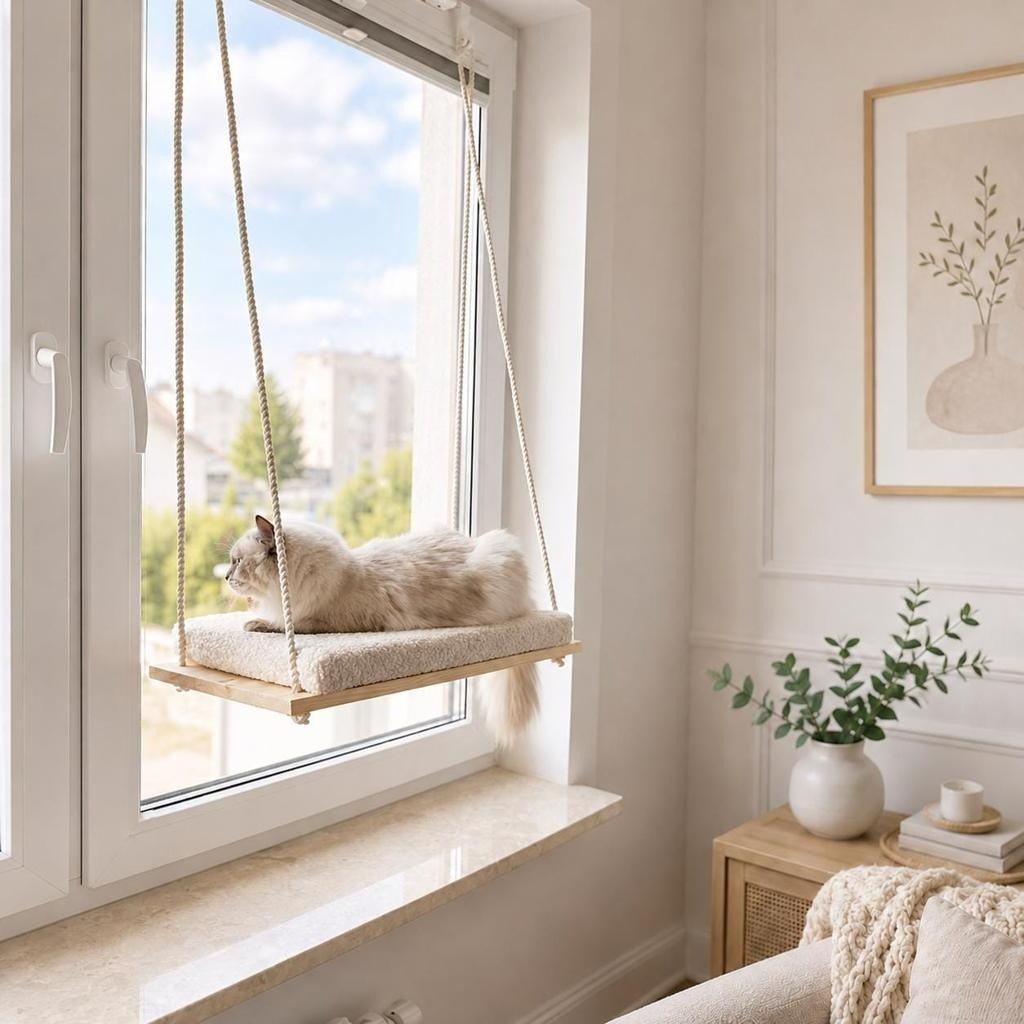
Window loungers
Cats that enjoy watching birds and outdoor activity may appreciate a comfortable resting place near a window. Use a secure, appropriately rated mounting system, and make sure window screens are firmly installed if windows are opened.
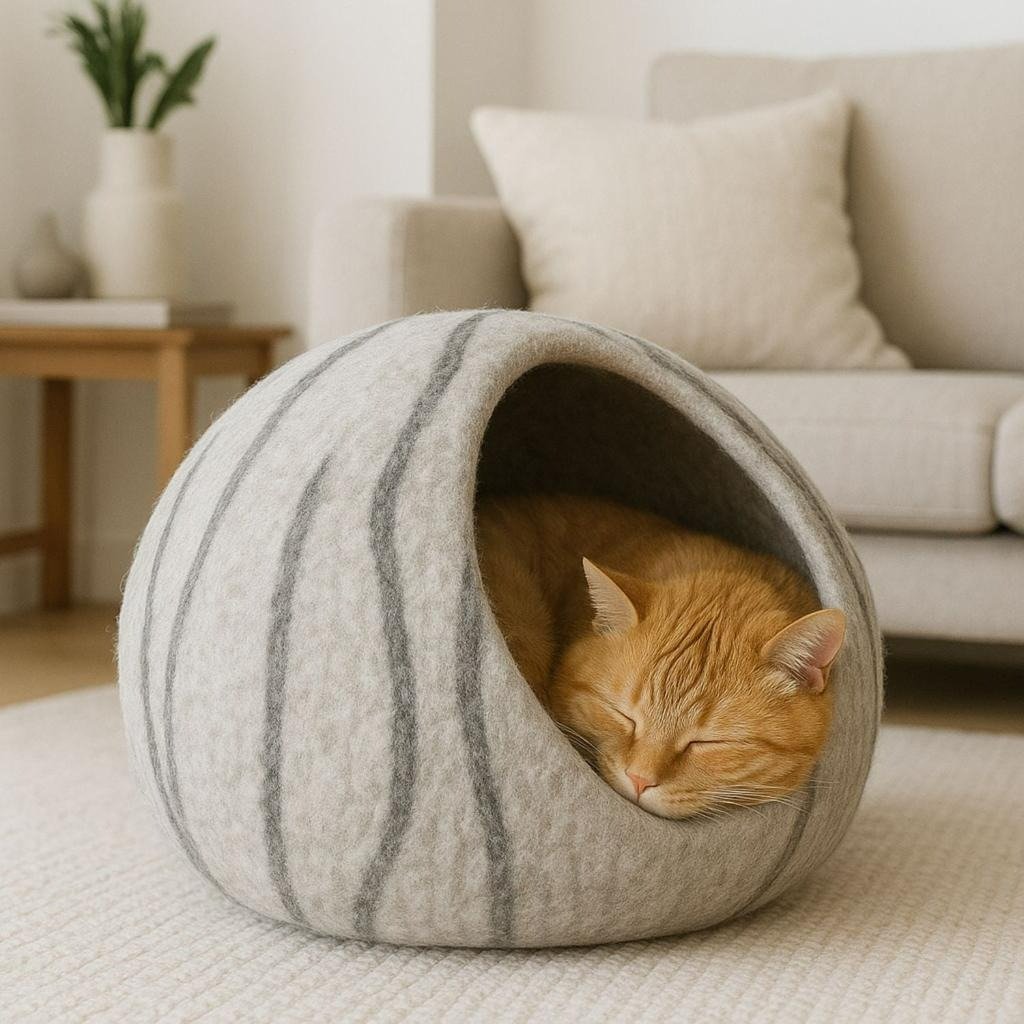
Enclosed cat beds
Covered beds can provide a sheltered resting option for cats that prefer quiet, enclosed spaces. Choose a design with an accessible entrance, adequate ventilation, and enough room for your cat to turn around.
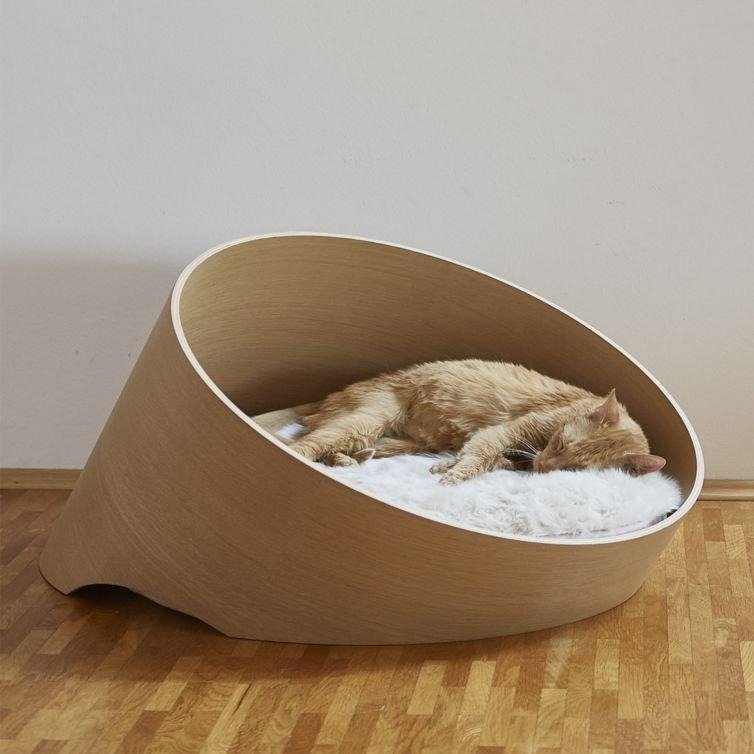
Sculptural cat loungers
Curved wood, simple geometric shapes, and neutral upholstery can make a cat bed feel like a decorative furniture piece. Check that the surface is stable and comfortable rather than choosing an unusual shape purely for its appearance.
Cats also need appropriate scratching surfaces and opportunities to climb, hide, and play. A beautiful lounger cannot replace these behavioral needs, so consider how resting furniture fits into the rest of your cat’s environment.
For multi-cat households, provide enough separate resting spots to reduce competition. Cats that do not always get along may need beds in different rooms or at different heights, with more than one route to reach important resources.
Match Pet Bedding to Your Sofa, Rugs, and Curtains
Coordinating pet furniture with your existing decor is one of the easiest ways to create a polished, cohesive interior.
You don’t need to buy a matching set. Instead, repeat one or two colors or materials throughout the room. A sage-green pet cushion can complement green accent pillows, while a light wooden bed frame can echo the finish of a coffee table or bookshelf.
Try these combinations:
| Home decor style | Pet bed choice | Coordinating details |
| Scandinavian | Light wood frame with cream bedding | Pale wood, simple textiles, soft gray accents |
| Modern minimalist | Low-profile charcoal cushion | Clean-lined furniture and restrained colors |
| Organic modern | Beige bed with a natural-looking frame | Wood finishes, earthy colors, textured rugs |
| Contemporary luxury | Structured upholstered pet sofa | Coordinated cushions and subtle metal accents |
| Rustic modern | Durable brown or oatmeal cushion | Wood furniture and warm neutral fabrics |
Fabric choice deserves special attention. Velvet-like materials may look luxurious but can be challenging to maintain, while tightly woven performance fabrics may be easier to clean. No fabric is completely resistant to fur, claws, or stains, so check care instructions before buying.
Consider your pet’s coat color, too. Light-colored fur tends to stand out against dark bedding, while dark fur can be highly visible on cream-colored cushions. A shade that sits somewhere between your pet’s coat and your flooring may make everyday shedding less noticeable.
Keep washable covers and spare bedding on hand. Being able to clean a pet bed without replacing the entire piece makes it easier to maintain a fresh-looking home.
Choose Beds That Support Your Pet’s Age and Mobility
A stylish bed should suit your pet throughout its current stage of life. Puppies, kittens, healthy adults, and senior animals may have very different requirements.
Young pets may need durable fabrics and designs without easily chewed decorative parts. Older dogs may benefit from a low entrance, a nonslip base, and cushioning that provides comfortable support. Cats with limited mobility may prefer a floor-level bed rather than a high shelf.
Pay attention to changes in behavior. If a pet suddenly avoids its usual bed, struggles to climb onto furniture, or appears uncomfortable when lying down, don’t assume it simply needs a different style. Pain or illness can affect resting habits, so consult a veterinarian if the change persists or appears sudden or severe.
The best modern pet bed combines appropriate support, easy maintenance, safe construction, and a design that complements your home. When these factors come first, style becomes a bonus rather than a compromise.
Pet-Friendly Home Decor: How to Make Your Space Stylish Without Sacrificing Practicality
A beautiful pet-friendly home is not necessarily one without fur, toys, or the occasional muddy paw print. The real goal is to choose furnishings and storage solutions that can handle everyday life with animals while maintaining a clean, welcoming appearance.
Small changes to flooring, upholstery, organization, and room layout can make your home easier to maintain without making it feel like a dedicated pet facility.
Choose Rugs and Upholstery That Can Handle Everyday Messes
Rugs and upholstered furniture can make a room feel warm and comfortable, but pets introduce a few extra considerations. Fur, dirt, moisture, scratching, and occasional accidents can all affect how well a material performs over time.
When shopping for rugs, consider low-pile options that are easier to vacuum and less likely to catch claws. Washable rugs can be particularly useful beneath feeding stations or near exterior doors.
For upholstery, tightly woven fabrics may be more practical than delicate, loosely textured materials. Removable covers and manufacturer-approved cleaning methods can also simplify maintenance.
Useful options include:
- Washable rugs: Convenient for entryways and areas where pets frequently walk.
- Tightly woven upholstery: May resist snagging better than loose weaves, depending on the fabric.
- Machine-washable cushion covers: Helpful for pet beds and removable decorative cushions.
- Durable flooring: Tile and suitable sealed flooring are often easier to clean than delicate surfaces.
- Protective furniture throws: A simple way to protect a favorite sofa without changing its appearance permanently.
Avoid assuming that any product labeled pet-friendly is scratchproof, stainproof, or waterproof. Performance varies by material and construction.
Rugs should also have secure, nonslip backing or an appropriate rug pad. A rug that slides when a dog runs across it can create a tripping hazard, especially for puppies and older animals.
Create Attractive Feeding Stations That Are Easy to Clean
Feeding areas are among the most frequently used pet spaces in a home, making them worth planning carefully.
A coordinated feeding station can include food and water bowls, a washable mat, and nearby storage for sealed food containers. Choosing a color that complements the kitchen or dining area helps the station blend into the room.
Practical design features include:
- Bowls that are easy to remove and wash.
- A stable stand that cannot tip easily.
- A waterproof or washable mat to catch spills.
- Enough room for your pet to eat without bumping into walls or furniture.
- Storage that protects food from moisture, pests, and curious animals.
Stainless steel and suitable ceramic bowls are popular options because they can be easy to clean when properly maintained. Inspect ceramic bowls for chips and cracks, and choose products intended for food contact.
Raised feeders may be convenient for some pets, but they are not necessary for every animal. Dogs at risk of bloat or pets with particular medical needs may require individualized feeding advice from a veterinarian rather than a raised bowl chosen for its appearance.
Keep food and water accessible at all times as appropriate for your pet’s needs, and place the feeding station somewhere calm enough for comfortable meals. In homes with several animals, separate feeding spaces can help prevent competition and food stealing.
Organize Toys, Leashes, and Grooming Supplies
Pet accessories can accumulate quickly. Toys end up beneath sofas, leashes become tangled near the front door, and grooming supplies take over bathroom drawers.
A little organization makes these everyday items easier to find while helping your rooms look less cluttered.
Try creating a simple storage system:
| Item | Practical storage solution | Important consideration |
| Toys | Open basket or washable container | Avoid baskets your pet chews apart |
| Leashes and harnesses | Secure wall hooks or an entryway organizer | Keep them away from pets that chew straps |
| Grooming brushes | Dedicated drawer or closed container | Store sharp grooming tools securely |
| Food and treats | Sealed, labeled containers | Prevent access to excessive food or unsuitable treats |
| Spare bedding | Clean, dry storage bin | Make sure bedding is fully dry before storing |
| Cleaning products | Locked or inaccessible cabinet | Keep chemicals and disinfectants away from animals |
Choose storage furniture that fits the scale of your home. A large storage chest may be useful in a family room, while a small basket and wall organizer may be enough for an apartment.
Rotate toys occasionally rather than leaving every item scattered around the house. Inspect toys for loose parts, torn fabric, and damaged stuffing, and remove anything that could be swallowed.
Protect Furniture Without Fighting Your Pet’s Natural Behavior
Scratching, chewing, shedding, and exploring are normal behaviors for many pets. The most effective decor strategy is to provide suitable alternatives instead of expecting animals to ignore their natural instincts.
Cats need appropriate scratching surfaces. Place scratching posts or boards near favored scratching locations, such as beside a sofa or close to a sleeping area. Some cats prefer vertical posts, while others use horizontal scratchers.
Dogs that chew should have suitable chew toys and enough exercise and enrichment for their age and needs. Keep shoes, cables, and tempting household items out of reach while teaching appropriate behaviors through consistent, reward-based training.
Additional ways to protect your home include:
- Use washable throws on furniture your pet regularly shares.
- Trim your cat’s claws appropriately and provide suitable scratching options.
- Keep electrical cords secured and inaccessible.
- Vacuum pet resting areas regularly.
- Clean accidents promptly using products suitable for the affected surface.
- Provide enough enrichment to reduce boredom-related behavior.
Avoid relying on punishment for scratching or chewing. Redirect the behavior toward an appropriate alternative and reward your pet for using it.
For cats, declawing should not be treated as a routine furniture-protection solution. It is an invasive procedure that involves removing part of each affected toe, not simply trimming the claws. Environmental changes, scratching surfaces, and appropriate claw care are preferable approaches to discuss with your veterinarian.
Room-by-Room Ideas for a More Pet-Friendly Home
Different rooms present different opportunities for combining decor and pet care.
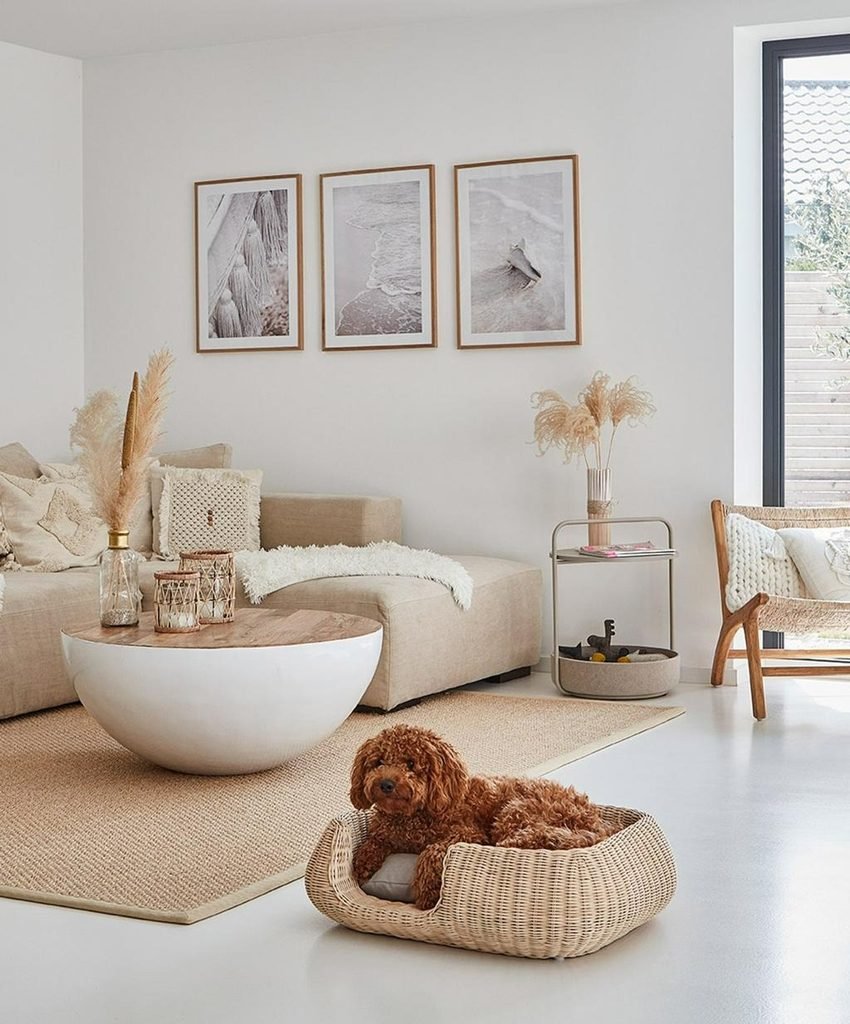
Living room
Place a comfortable pet bed near family activity but away from busy walkways. Add a washable throw to a favorite sofa and use a coordinated basket for toys. Secure rugs and keep fragile decorations out of reach.
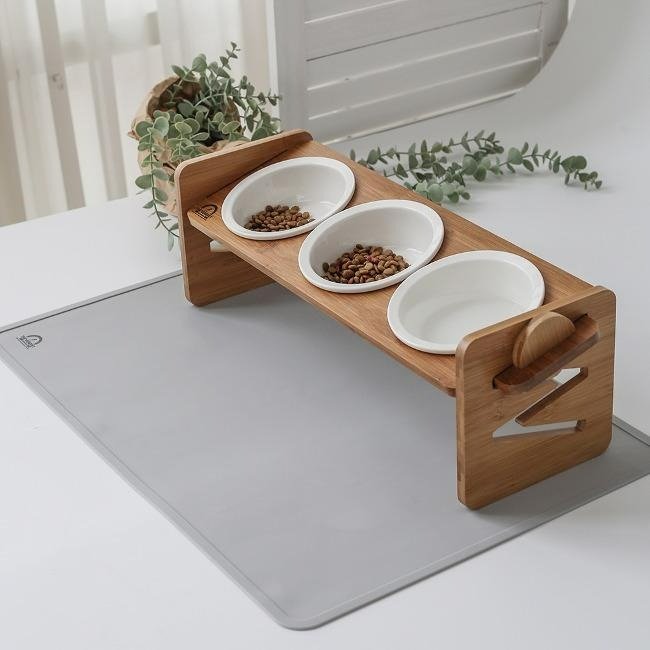
Kitchen
Create a dedicated feeding station with easy-clean bowls and sealed food storage. Keep pet food separate from cleaning chemicals, and prevent access to unsafe foods, hot surfaces, and cooking equipment.
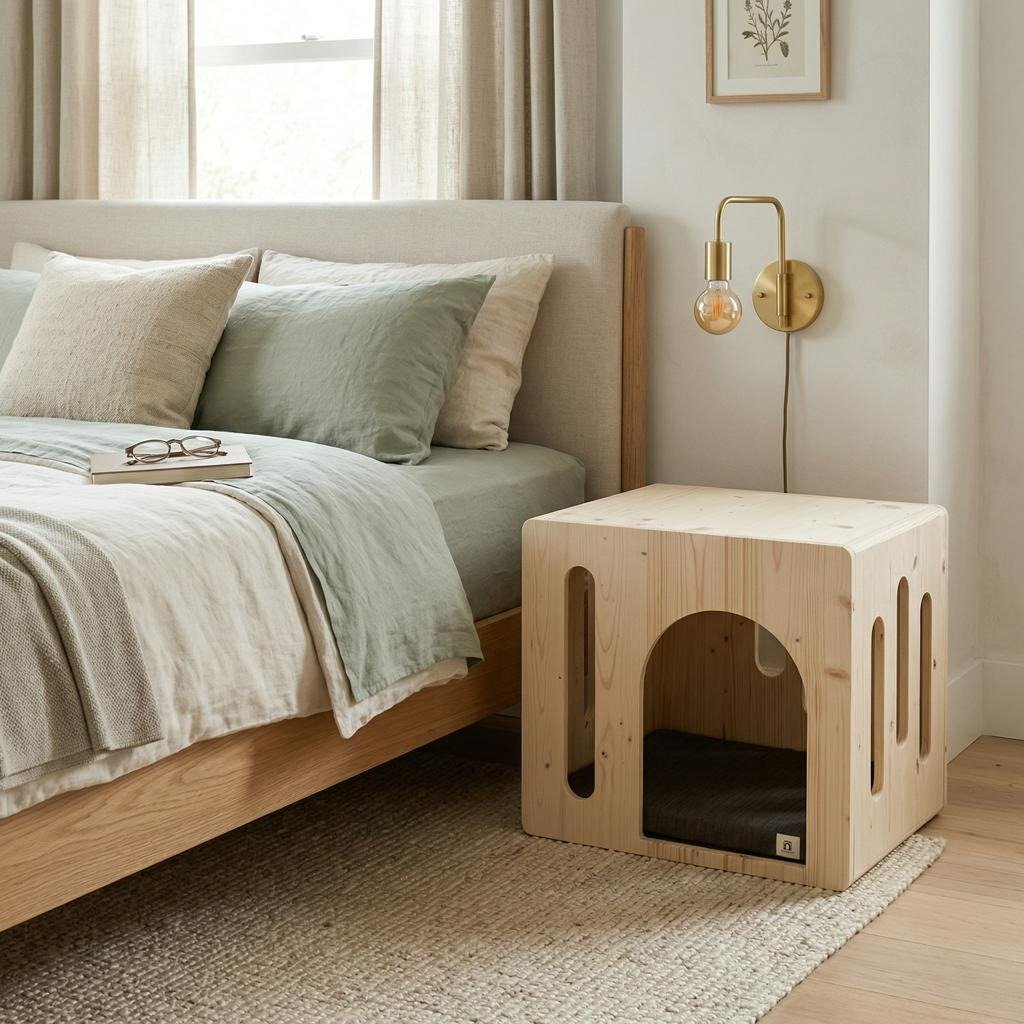
Bedroom
A compact pet bed beside your own sleeping area can provide a comfortable alternative to sharing the human bed. Choose washable bedding and maintain enough clearance for doors, drawers, and walking paths.
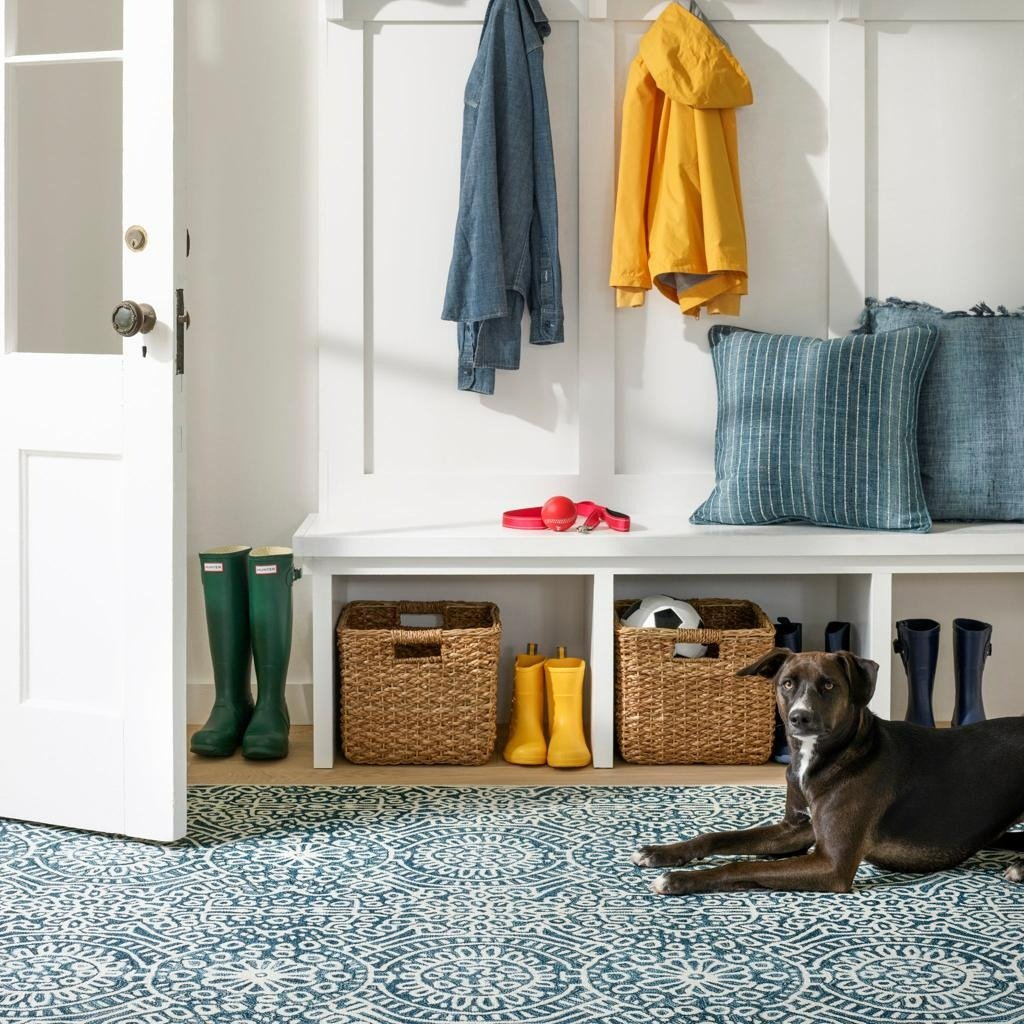
Entryway
Install secure leash hooks, store walking essentials in a basket, and use a washable runner to catch dirt. Keep the exit clear so people and pets can move safely through the doorway.
A pet-friendly room should still provide clear movement paths, suitable ventilation, and a quiet place for animals to retreat. Avoid placing beds beside noisy appliances or in locations where pets are frequently stepped over.
For homes with cats, keep litter boxes in accessible, appropriately private areas away from food and water. In multi-pet households, consider whether each animal can access essential resources without being blocked or intimidated by another pet.
Sustainable Pet Furniture Trends in 2027: Better Materials, Longer Use
Sustainability is an increasingly useful consideration when choosing furniture for people and pets. Rather than buying accessories that need frequent replacement, many homeowners are interested in durable construction, repairable components, responsibly sourced materials, and products that can be maintained over time.
These approaches can reduce waste and improve value, although sustainability depends on how a product is made, transported, used, and eventually discarded.
Recycled Fabrics and Responsibly Sourced Materials
Some pet furniture uses recycled fibers, reclaimed wood, or materials sourced from responsibly managed suppliers. These options may appeal to owners who want their purchases to align with broader environmental goals.
Examples include pet bed covers made with recycled polyester, wooden frames made from responsibly sourced timber, and scratching posts with replaceable natural-fiber surfaces.
When comparing products, ask practical questions:
- Does the manufacturer identify the material and its source?
- Can the cover be removed and washed?
- Are the frame and fasteners durable enough for everyday use?
- Can worn components be replaced instead of discarding the entire item?
- Are finishes and adhesives suitable for the intended indoor use?
- Can the product be repaired if a part breaks?
Recycled materials are not automatically safer or more durable than conventional alternatives. Their performance depends on the quality of the fibers, construction, and intended use.
Likewise, natural materials still need appropriate treatment and maintenance. Wood can absorb moisture, some fibers may fray, and poorly made furniture can break regardless of its material claims.
Look for evidence of quality and clear product information rather than relying on words such as “green,” “eco,” or “natural” alone.
Durable Furniture Can Be Better Than Frequently Replaced Products
A low-priced pet bed may seem economical at first, but the total cost can increase if the cushion flattens quickly, the seams split, or the cover cannot be cleaned properly.
A more durable product may offer better value if it lasts longer and allows individual components to be replaced.
For example, a sturdy wooden bed frame with a washable, replaceable cushion can remain useful even after the original cushion wears out. A modular cat climbing system may also allow one damaged shelf to be replaced without purchasing an entirely new structure.
Compare products by considering:
| Factor | What to look for | Why it matters |
| Construction | Secure joints and sturdy fasteners | Helps furniture withstand everyday use |
| Cleaning | Removable covers and accessible surfaces | Supports hygiene and extends usable life |
| Repairability | Replaceable cushions, covers, or scratching panels | Avoids unnecessary full-product replacement |
| Material transparency | Clear descriptions of fabrics, finishes, and frame materials | Makes informed purchasing easier |
| Warranty and support | Clear repair, replacement, or warranty terms | Helps you understand long-term ownership costs |
| Size flexibility | Options that suit your pet as it grows or ages | Reduces the likelihood of an early replacement |
Durability must never come at the expense of safety. A heavy piece of furniture can still tip, and a sturdy-looking product may contain loose components or unsafe finishes.
Inspect pet furniture periodically, especially products that support climbing, jumping, or chewing. Replace damaged parts before they become hazards.
Buying Secondhand Pet Furniture Safely
Secondhand pet furniture can be a budget-friendly option and may reduce waste when a product remains in good condition. Wooden frames, washable beds, and some modular structures can be worthwhile purchases if they are inspected carefully.
However, used products require more consideration than simply checking whether they look attractive.
Before buying, inspect the furniture for:
- Cracks, splinters, sharp edges, or loose fasteners.
- Chewed sections or exposed filling.
- Mold, persistent odors, and signs of moisture damage.
- Fleas or other pests, particularly in fabric and upholstered items.
- Missing parts or mounting hardware.
- Unclear cleaning requirements or potentially unsafe coatings.
Fabric beds can be difficult to sanitize completely, especially if they have absorbed urine or other bodily fluids. A used product with removable covers that can be washed according to the manufacturer’s instructions is generally easier to assess than one with inaccessible padding.
Secondhand climbing furniture needs particular scrutiny. Check the stability of the frame, the condition of scratching surfaces, and whether all essential mounting hardware is present. Do not assume that a previous owner’s installation method will be suitable for your wall.
If you cannot establish that a product is structurally sound and safe to clean, it may be better to choose another option.
How to Evaluate Sustainability Claims Without Overlooking Pet Safety
Sustainable pet furniture should meet the same safety and comfort standards as any other pet product. A bed made from recycled fabric is not a good purchase if it has exposed zippers that can be chewed off or cushioning that falls apart after a few washes.
A simple evaluation process can help you compare products more confidently.
Check the materials. Look for specific descriptions of the fabric, frame, finish, and filling instead of vague environmental claims.
Check the maintenance requirements. Furniture that cannot be cleaned properly may need replacing sooner, particularly in homes with puppies, kittens, or pets that spend time outdoors.
Check the construction. Look for secure seams, stable frames, smooth edges, and replaceable components where possible.
Check the lifespan. Consider whether the product can accommodate your pet’s expected adult size and changing needs.
Check the end-of-life options. Some manufacturers offer replacement covers or parts, while others may provide information about recycling or responsible disposal.
Avoid using furniture treatments or cleaning products that have not been confirmed as appropriate for the surface and safe for animals when used according to their instructions. Keep pets away during cleaning whenever necessary, and allow surfaces to dry fully before letting them return.
Sustainable Pet Decor on a Budget
Creating an attractive, more sustainable pet-friendly home does not require replacing every accessory with a premium eco-labeled product.
Small, practical changes can have a meaningful impact on how long your existing furniture remains useful.
Try these budget-conscious ideas:
- Repair a stable wooden bed frame instead of replacing it.
- Buy replacement covers rather than an entirely new bed.
- Choose washable blankets to protect sofas and cushions.
- Reuse suitable baskets for toys after checking that they are safe and durable.
- Donate usable pet furniture that no longer fits your household, provided it is clean and in good condition.
- Purchase fewer, better-suited accessories instead of repeatedly buying products that do not meet your pet’s needs.
Before making an upgrade, take stock of what you already own. A comfortable bed in good condition may need only a fresh washable cover to fit your updated decor.
The most sustainable choice is often the product that safely meets your pet’s needs and remains useful for years. By prioritizing durability, repairability, and thoughtful purchasing, you can follow modern pet furniture and home decor trends in 2027 without creating unnecessary expense or waste.
Cat-Friendly vs. Dog-Friendly Furniture: Which Modern Designs Work Best?
Although many modern pet furniture designs look attractive in any home, cats and dogs have different physical needs and natural behaviors. Cats often benefit from vertical spaces, scratching surfaces, and sheltered resting places, while dogs generally need comfortable beds, accessible feeding areas, and enough room to stretch out.
Understanding these differences helps you choose furniture that looks cohesive without overlooking your pet’s comfort and safety.
Modern Furniture Designed for Cats
Cats use their environment in several ways. They climb, scratch, hide, observe their surroundings, and seek out comfortable places to rest. Good cat furniture supports these activities while fitting naturally into your home’s interior design.
Popular options include:
- Wall-mounted cat shelves: Create vertical pathways and elevated resting spots without taking up much floor space.
- Modern scratching posts: Sisal-covered posts or sturdy scratching boards offer an appropriate outlet for scratching.
- Enclosed cat beds: Provide a sheltered resting option for cats that prefer quiet, covered spaces.
- Window perches: Give cats a comfortable place to observe outdoor activity when installed securely.
- Cat trees with neutral finishes: Combine climbing platforms, scratching surfaces, and resting areas in one structure.
- Integrated litter cabinets: Conceal the litter box visually while allowing adequate ventilation and easy access for cleaning.
When selecting cat furniture, prioritize stability and usability over appearance. A sculptural scratching post may complement a modern living room, but it will not be useful if it wobbles or is too small for your cat to stretch while scratching.
Cats also need furniture arranged around their individual preferences. Some enjoy high platforms, while others prefer ground-level beds or enclosed hideaways. Providing several options lets your cat choose a comfortable location.
Never sacrifice access or ventilation to hide a litter box. A decorative litter cabinet must be large enough for the cat to enter, turn around, and use the box comfortably. Clean it regularly, and provide an alternative location if your cat avoids the enclosed space.
Modern Furniture Designed for Dogs
Dogs generally benefit from furniture that supports comfortable resting and makes everyday routines easier. Their size, coat, age, and activity level all influence which products are most suitable.
Useful options include:
- Low-profile dog beds: Provide an accessible resting place and work well in smaller rooms.
- Supportive foam beds: Offer cushioning for dogs that spend substantial time resting.
- Raised mesh beds: Can improve airflow beneath the sleeping surface, particularly in warm environments.
- Coordinated feeding stations: Keep bowls organized and help contain splashes.
- Storage benches and toy baskets: Keep walking accessories, toys, and spare bedding organized.
- Built-in resting nooks: Make use of suitable spaces beneath desks or beside furniture when they provide adequate room and ventilation.
Dog furniture must accommodate the animal’s full resting position. Large dogs often need more floor space than owners initially expect, while puppies may outgrow their first bed quickly.
Choose sturdy frames and washable materials if your dog enjoys outdoor activities or sheds heavily. Dogs that chew should have furniture with minimal exposed components and access to appropriate chew toys.
Older dogs or animals with mobility limitations may benefit from a low entrance and a nonslip surface. Avoid beds that require a difficult jump to access, even if their elevated design looks stylish.
Choosing Furniture for Homes With Both Cats and Dogs
Multi-pet households require extra planning because a piece of furniture that suits one animal may not work for another. A dog may enjoy resting beside the sofa, while a cat may prefer an elevated space where it can relax without being approached.
The goal is to provide separate options while maintaining a consistent decorating style.
| Furniture feature | Benefits for cats | Benefits for dogs |
| Washable floor-level beds | Comfortable resting options for many cats | Suitable for dogs of different sizes when correctly sized |
| Elevated platforms | Offer climbing and observation opportunities | Useful for some dogs when safely designed, but not necessary for most |
| Storage furniture | Holds toys and selected accessories | Organizes leashes, toys, and walking supplies |
| Feeding stations | Provides a designated meal area | Keeps food and water bowls organized |
| Scratching surfaces | Supports natural scratching behavior | Generally unnecessary; dogs need appropriate chew and enrichment options |
| Separate quiet zones | Provides places to retreat from household activity | Helps dogs rest without constant disturbance |
Resource placement is particularly important. Keep food bowls, litter boxes, and resting areas arranged so that one animal cannot easily block another’s access.
A cat should be able to reach its litter box and retreat to a safe resting place without being cornered by a dog. Likewise, dogs should have a comfortable place to sleep without being disturbed by cats that repeatedly approach or play around their beds.
When introducing new furniture, allow each pet to investigate at its own pace. Reward calm behavior, supervise interactions when necessary, and avoid forcing animals to share beds or feeding areas.
The best multi-pet home offers choice rather than requiring every animal to use the same space. Separate resting spots, accessible resources, and thoughtful furniture placement can reduce competition while keeping the overall design cohesive.
Common Mistakes to Avoid When Following Modern Pet Furniture and Home Decor Trends 2027
Following modern pet furniture and home decor trends in 2027 can make your home more attractive and functional, but some fashionable designs create practical problems when animal needs are overlooked.
Avoiding a few common mistakes can save money, reduce household hazards, and help your pets feel more comfortable.
Choosing Appearance Over Comfort and Correct Sizing
A miniature designer sofa might look adorable, but it is not suitable if your dog cannot stretch out comfortably. Similarly, a small decorative cat bed may be too cramped for a large cat.
Before purchasing furniture, consider your pet’s measurements, resting habits, and mobility. Check the usable dimensions rather than relying on the overall size of the product.
Look for:
- Enough space to lie down and change positions.
- Cushions that provide suitable support.
- Stable frames and nonslip bases.
- Accessible entrances for smaller, older, or less mobile animals.
- Materials that remain comfortable under your home’s usual conditions.
Avoid selecting furniture simply because it looks impressive in product photographs. Your pet will use the piece every day, so comfort should determine the final decision.
Buying Furniture Made With Unsafe Materials
Some decorative furniture contains loose embellishments, fragile components, exposed fasteners, or materials that can splinter when damaged.
These features may become hazards if your pet chews, scratches, or investigates the furniture with its mouth.
Before buying, inspect product descriptions and construction details. Avoid products with easily detached buttons, loose strings, unstable panels, or accessible foam that can be swallowed.
Keep electrical cables out of reach and secure furniture that could tip if a pet climbs or jumps onto it. Wall-mounted shelves and cat climbing systems must be installed using hardware suitable for the wall structure and expected load.
Regular inspections matter, too. Replace or repair damaged components before they become dangerous.
Overlooking Cleaning and Maintenance
A beautiful pet bed can quickly become unpleasant if its cover cannot be removed or its interior cannot be cleaned properly.
Pet fur, saliva, dirt, food residue, and moisture can accumulate on frequently used furniture. Poorly designed products may also trap debris in narrow gaps.
Choose furniture with accessible surfaces and clear care instructions. Removable covers, washable mats, and replaceable scratching panels can make regular maintenance much easier.
Keep a basic cleaning routine:
- Vacuum pet resting areas regularly.
- Wash bedding according to the manufacturer’s instructions.
- Clean food and water bowls frequently.
- Dry bedding completely before putting it back.
- Inspect furniture for odors, moisture, and damage.
- Use cleaning products appropriate for the material and safe for pets when used as directed.
Never mix household cleaning chemicals, and keep pets away from treated surfaces until it is safe for them to return.
Installing Cat Furniture Without Considering Safety
Wall-mounted cat shelves and climbing systems can be attractive space-saving solutions, but poor installation can cause serious injuries.
A shelf that looks secure may fail if it is attached to unsuitable wall material or overloaded. Slippery surfaces and widely spaced platforms can also make climbing difficult.
Always follow the manufacturer’s installation instructions, verify the suitability of mounting hardware, and check weight limits. Provide a safe route up and down rather than expecting your cat to make risky jumps.
Consider your cat’s abilities, too. Senior cats and pets with mobility issues may need lower platforms or ramps instead of tall climbing structures.
Keep shelves away from hot appliances and fragile objects, and ensure that window perches are securely attached.
Following Trends That Do Not Suit Your Home or Pet
Not every trend works for every household. A large cat wall may be impractical in a rental apartment, while a delicate upholstered bed may not last long with a puppy that chews.
Before committing to a design, ask yourself:
- Does this furniture meet a real need?
- Will my pet actually use it?
- Is it suitable for my available space?
- Can I clean and maintain it easily?
- Will it remain useful as my pet grows or ages?
- Does it create any new hazards?
Avoid buying several accessories simply because they coordinate. A few well-chosen pieces can create a more attractive home than an overcrowded room full of decorative pet products.
If your pet ignores a new bed, consider whether its location, texture, height, or surrounding activity is discouraging use. Introduce unfamiliar items gradually and allow your animal to explore them voluntarily.
The most successful modern pet interiors are not the ones that follow every trend. They are the ones that combine good design with realistic expectations about how pets live, play, eat, and rest.
How to Create a Pet-Friendly Home That Still Feels Like Your Own
You do not need a complete renovation or an expensive furniture collection to create a stylish pet-friendly home. A few thoughtful upgrades can improve organization, make daily care easier, and help your pet feel more comfortable.
Start with the areas your pet uses most frequently, then make changes gradually.
Begin With Your Pet’s Daily Routine
Observe where your pet naturally chooses to rest, play, eat, and observe the household. These habits provide useful clues about where new furniture should go.
A dog that sleeps beside the family sofa may prefer a comfortable bed nearby rather than one placed in an isolated room. A cat that spends hours watching birds may appreciate a secure window perch, while a cat that hides during busy periods may benefit from a quiet resting space.
Consider your pet’s needs before moving existing furniture or buying replacements.
Practical tip: If your pet already uses a particular bed consistently, keep it in place while introducing new accessories. Familiar resting spots can help animals adjust more comfortably to changes in their environment.
Choose a Consistent Color Palette and a Few Complementary Materials
A cohesive interior usually depends more on consistency than on matching every object.
Choose two or three main colors and repeat them across pet beds, storage baskets, feeding accessories, and other decorative details.
For example, a warm neutral living room might combine:
- A cream-colored dog bed.
- A natural wood feeding stand.
- A muted green toy basket.
- A washable beige rug.
- A wooden frame that matches the room’s existing furniture.
This approach creates visual harmony without requiring you to replace perfectly usable pet products.
Choose durable materials that suit your household. If your cat scratches fabric or your dog frequently returns from muddy walks, prioritize easy cleaning and repairability over delicate finishes.
Prioritize Essential Furniture Before Decorative Accessories
It can be tempting to start with attractive accessories, but the most useful upgrades usually address your pet’s everyday needs first.
A sensible purchasing order might look like this:
| Priority | What to upgrade | Why it matters |
| First | Comfortable, correctly sized resting areas | Supports daily comfort and relaxation |
| Second | Safe feeding and water arrangements | Makes regular care easier |
| Third | Appropriate scratching, climbing, or enrichment furniture | Supports natural behaviors |
| Fourth | Storage for toys and care supplies | Reduces clutter and improves organization |
| Fifth | Decorative accessories and coordinated finishes | Refines the room’s overall appearance |
Your exact priorities will depend on the animal. A cat may need a suitable scratching surface before an additional decorative bed, while a senior dog may benefit more from an accessible resting area than from fashionable accessories.
Plan Your Budget Before Making Changes
Modern pet furniture ranges from inexpensive cushions and baskets to custom-built installations and connected feeding systems.
Decide how much you want to spend before shopping, and compare the full cost of ownership rather than the initial price alone.
A useful budget can include:
- Essential furniture and bedding.
- Installation hardware or professional fitting.
- Replacement covers and other parts.
- Cleaning supplies and routine maintenance.
- Optional technology or decorative accessories.
If your budget is limited, start with one improvement that solves a genuine problem. Replacing a worn bed, organizing a feeding area, or adding an appropriate scratching post may provide more value than buying several decorative products.
Consider whether an item can be repaired, reused, or upgraded later. A modular system or replaceable cushion may be a better long-term purchase than an inexpensive product that must be discarded when one component wears out.
Keep the Home Attractive Without Compromising Animal Welfare
A pet-friendly home should support your animal’s physical comfort, natural behaviors, and ability to move around safely.
Leave clear walking paths, provide suitable resting areas, and ensure that food, water, litter boxes, and enrichment resources remain accessible. Keep hazardous plants, chemicals, electrical cords, and small chewable objects out of reach.
Pay attention to changes in how your pet uses its furniture. Avoiding a familiar bed, struggling to climb, or suddenly scratching or chewing furniture more often may indicate that the environment needs adjustment. Persistent or sudden behavioral changes can also signal discomfort or illness and may warrant veterinary advice.
Remember that furniture is only one part of a comfortable home. Regular exercise, appropriate nutrition, grooming, enrichment, and routine veterinary care remain essential to your pet’s well-being.
For additional ideas, explore related guides on pet grooming and shedding management and other practical pet-care topics to help maintain a clean, comfortable household.
Frequently Asked Questions About Modern Pet Furniture and Home Decor Trends 2027
What are the biggest modern pet furniture trends for 2027?
Useful design directions include multifunctional furniture, minimalist pet beds, natural-inspired finishes, built-in pet nooks, space-saving cat furniture, and coordinated feeding stations. Sustainable materials and washable fabrics are also worth considering. These are emerging design ideas rather than a verified ranking of the year’s best-selling products.
What type of pet furniture looks best in a modern home?
Low-profile beds, simple wooden frames, neutral upholstery, coordinated storage baskets, and clean-lined scratching posts can complement many modern interiors. Choose pieces that match your home’s existing colors and materials while providing appropriate comfort and safety for your pet.
How can I make my home stylish and pet-friendly?
Start by identifying your pet’s essential needs, then choose durable furniture, washable textiles, organized storage, and suitable enrichment accessories. A consistent color palette and a few coordinated materials can help the home feel cohesive without requiring a complete renovation.
What materials are best for modern pet furniture?
Durable wood frames, tightly woven fabrics, washable covers, suitable food-safe bowl materials, and sturdy scratching surfaces can be practical choices. The best material depends on your pet’s behavior, the furniture’s intended use, and its cleaning requirements. Avoid loose fibers, splintering surfaces, and components that can be chewed off and swallowed.
What is the best modern pet furniture for small apartments?
Compact beds, wall-mounted cat shelves, foldable pet gates, storage baskets, and multifunctional furniture can help save space. Measure your room before buying and ensure that pets still have enough room to rest, move, eat, and access essential resources comfortably.
Is multifunctional pet furniture worth the cost?
It can be worthwhile if it solves a genuine space or storage problem. A bench that organizes pet supplies or a well-designed bed that fits an unused area may provide excellent value. However, multifunctional furniture should never restrict ventilation, movement, or access to a comfortable resting space.
How can I protect my furniture from cats and dogs?
Provide suitable scratching surfaces for cats and appropriate chew toys for dogs. Washable throws, durable upholstery, secure rugs, regular grooming, and organized storage can also help. Reward appropriate behavior and redirect scratching or chewing rather than relying on punishment.
What should I consider when buying sustainable pet furniture?
Look for durable construction, clear material descriptions, washable components, repairable parts, and responsible sourcing information. Consider how long the product will remain useful and whether it can be maintained safely. Environmental claims alone do not guarantee product quality or pet safety.
How do I choose pet furniture for an older dog or cat?
Look for accessible entrances, nonslip surfaces, appropriate cushioning, and designs that do not require difficult jumps. Your pet’s size, mobility, and health needs should guide the choice. If your animal suddenly struggles to climb or appears uncomfortable when resting, consult a veterinarian rather than assuming new furniture will solve the problem.
Can pet furniture match my interior without looking overly decorative?
Yes. Choose simple shapes, complementary colors, and materials that repeat elements already present in your home. Prioritize function, then use coordinated beds, feeding accessories, and storage to create a unified appearance without overcrowding the room.
Create a Home Where Style and Pet Comfort Belong Together
Modern Pet Furniture and Home Decor Trends 2027 offer plenty of inspiration for making everyday living spaces more attractive, organized, and comfortable for animals. From natural finishes and multifunctional furniture to supportive beds and space-saving cat structures, the most useful ideas are those that solve real problems while fitting naturally into your home.
You don’t have to follow every trend to achieve a beautiful result. Focus on your pet’s needs, choose durable and easy-to-clean materials, and make gradual improvements that suit your space and budget. Above all, remember that the best pet-friendly design is one your animal can safely enjoy every day.
Ready to refresh your home for 2027? Start with one area your pet uses most, whether it’s a sleeping corner, feeding station, or favorite scratching spot. Make it more comfortable and easier to maintain, then explore more practical pet-care guides on MyPetInfoo.com for ideas that help your pets thrive.