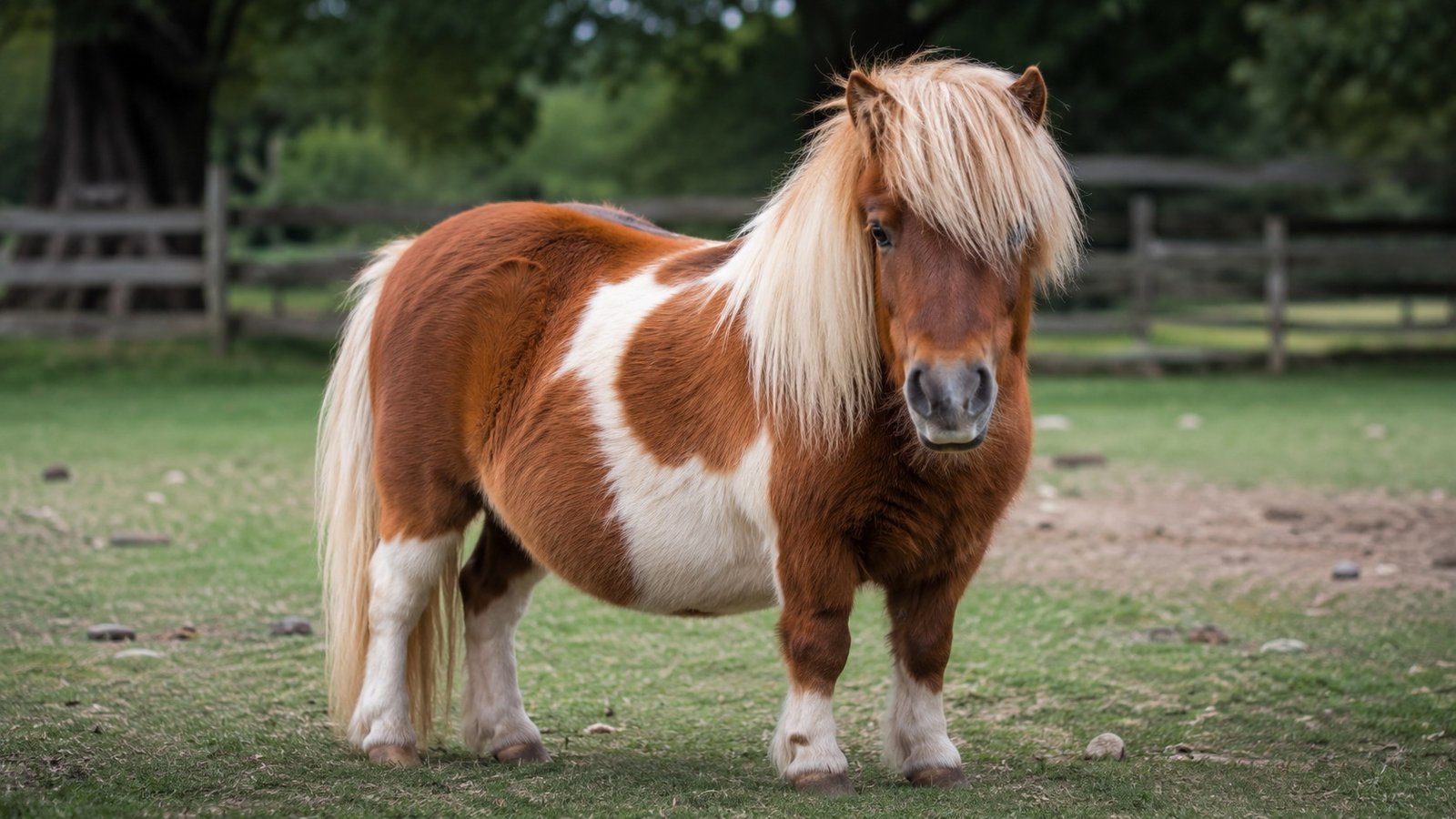
Miniature horses typically cost between $1,000 and $5,000, but prices can range from a few hundred dollars for a pet-quality horse to more than $10,000 for rare bloodlines, show champions, or breeding stock.
The total cost depends on factors like age, training, pedigree, size, health, registration status, and intended use. Beyond the purchase price, owners should also budget for ongoing expenses such as feed, shelter, veterinary care, hoof trimming, and fencing.
If you are considering buying one, understanding the true cost of ownership matters just as much as the initial price.
In This Article
Quick Summary: Average Miniature Horse Costs
| Expense | Typical Cost |
| Purchase price | $1,000–$5,000 |
| Budget/pet-quality mini horse | $300–$1,500 |
| Registered show-quality horse | $5,000–$15,000+ |
| Annual feed costs | $300–$1,200 |
| Hoof trimming | $30–$70 every 6–8 weeks |
| Annual veterinary care | $300–$1,000+ |
| Shelter and fencing setup | $500–$5,000+ |
| Tack and equipment | $200–$1,500 |
What Is a Miniature Horse?
A miniature horse is a small horse breed selectively bred to resemble a full-sized horse in miniature form. Most miniature horses stand under 34–38 inches tall at the shoulder.
Unlike ponies, miniature horses maintain classic horse proportions, including longer legs and refined body structure.
Popular registries include:
- American Miniature Horse Association
- American Miniature Horse Registry
Miniature horses are often kept as:
- Companion animals
- Therapy animals
- Driving horses
- Show horses
- Family pets
- Educational or hobby farm animals
How Much Does a Miniature Horse Cost to Buy?
Average Purchase Price
Most buyers spend between $1,000 and $5,000 for a healthy miniature horse from a reputable breeder or private seller.
Here is a general breakdown:
| Type of Miniature Horse | Average Price |
| Unregistered pet horse | $300–$1,500 |
| Registered beginner horse | $1,500–$3,500 |
| Trained driving horse | $3,000–$7,000 |
| Show-quality horse | $5,000–$15,000+ |
| Rare bloodline or champion | $10,000–$50,000+ |
Prices vary significantly by region and market demand.
Why Some Miniature Horses Are So Expensive
Certain miniature horses command high prices because of:
- Championship bloodlines
- Rare coat colors or markings
- Extensive training
- Proven show records
- Excellent conformation
- Breeding potential
- Genetic testing and health guarantees
A professionally trained miniature horse that can safely pull a cart or compete in shows often costs far more than an untrained pet.
Factors That Affect Miniature Horse Prices
1. Registration Papers
Registered miniature horses usually cost more because their lineage is documented.
Buyers interested in:
- Showing
- Breeding
- Competition
- Resale value
often prefer registered horses.
Unregistered miniature horses can still make excellent pets and companions but may sell for much less.
2. Age
Age strongly affects pricing.
| Age Group | Typical Pricing Trend |
| Foals | Lower initial price |
| Young trained adults | Highest demand |
| Senior horses | Often cheaper |
Foals can appear affordable, but young horses require training, socialization, and patience.
3. Training Level
A miniature horse with professional training may cost thousands more than an untrained horse.
Common training types include:
- Halter training
- Lead training
- Trailer loading
- Driving/cart training
- Therapy training
- Obstacle training
Well-trained miniature horses are safer and easier for beginners to handle.
4. Temperament
A calm, friendly, well-socialized miniature horse is often more valuable than one with difficult behavior.
Families with children usually prioritize:
- Gentle personality
- Easy handling
- Calm behavior around noise and strangers
5. Size
Extremely small miniature horses sometimes cost more due to rarity and breeding demand.
However, extremely tiny horses may also face additional health risks, including:
- Dental issues
- Skeletal problems
- Foaling complications
- Fragile limbs
Responsible breeders focus on health and structure rather than extreme size alone.
6. Coat Color and Appearance
Rare or flashy colors may increase value.
Examples include:
- Pinto patterns
- Appaloosa markings
- Silver dapple
- Palomino
- Blue roan
A horse with exceptional appearance and balanced conformation often attracts higher prices in the show market.
Initial Setup Costs for Miniature Horse Owners
The purchase price is only one part of the financial commitment.
New owners often underestimate setup expenses.
Shelter and Housing
Miniature horses still need proper shelter from weather.
Potential housing costs include:
| Item | Estimated Cost |
| Small run-in shed | $500–$3,000 |
| Barn stall setup | $1,000–$5,000+ |
| Bedding | $20–$100 monthly |
Fencing
Good fencing is essential because miniature horses can squeeze through gaps larger horses cannot.
Safe fencing options include:
- No-climb horse fencing
- Wooden fencing
- Mesh wire fencing designed for horses
Avoid barbed wire.
Feed and Water Equipment
Basic equipment includes:
- Feed tubs
- Hay feeders
- Water troughs
- Storage containers
Budget around $100–$500 for startup supplies.
Tack and Equipment
Depending on use, owners may need:
- Halters
- Lead ropes
- Grooming supplies
- Blankets
- Driving harnesses
- Miniature carts
Driving equipment alone can cost several hundred to several thousand dollars.
Monthly and Annual Miniature Horse Expenses
Miniature horses are cheaper to maintain than full-sized horses, but they are not low-maintenance pets.
Feed Costs
Miniature horses eat less than large horses but still require balanced nutrition.
Average feed expenses:
| Feed Type | Approximate Cost |
| Hay | $20–$100 monthly |
| Grain/supplements | $10–$60 monthly |
| Minerals/salt | $5–$20 monthly |
Miniature horses are prone to obesity, so overfeeding is a common mistake.
Veterinary Care
Routine care includes:
- Vaccinations
- Deworming
- Dental exams
- Wellness checks
Annual veterinary costs often range from $300 to $1,000 or more.
Emergency medical bills can be much higher.
Hoof Trimming
Miniature horses still require regular farrier care.
Most need hoof trimming every 6–8 weeks.
Typical cost:
- $30–$70 per trim
Dental Care
Miniature horses frequently develop dental issues because of their compact skull structure.
Annual dental floating may cost:
- $100–$300
Insurance
Some owners purchase mortality or liability insurance, especially for expensive show horses.
Are Miniature Horses Cheaper Than Regular Horses?
Yes, miniature horses generally cost less to feed and house than full-sized horses.
However, many expenses remain surprisingly similar.
For example:
| Expense | Mini Horse | Full-Sized Horse |
| Feed | Lower | Higher |
| Vet visit fee | Similar | Similar |
| Hoof trimming | Slightly lower | Higher |
| Shelter | Lower | Higher |
| Equipment | Slightly lower | Higher |
The veterinary visit itself often costs the same regardless of horse size.
Hidden Costs Many Buyers Forget
Transportation
Horse trailers, fuel, or professional transport can add hundreds or thousands of dollars.
Emergency Veterinary Bills
Colic, injuries, or laminitis treatment can become expensive quickly.
Companion Needs
Miniature horses are social animals and should not live alone for long periods.
Some owners eventually buy:
- A second mini horse
- A pony companion
- Goats or other compatible animals
Property Maintenance
Mud control, pasture care, manure removal, and fencing repairs add ongoing costs.
Common Mistakes Buyers Make
Buying Based Only on Price
An extremely cheap miniature horse may require expensive medical care or behavioral rehabilitation.
Ignoring Temperament
A difficult horse can become frustrating and unsafe for inexperienced owners.
Underestimating Space Requirements
Miniature horses still need adequate turnout space and exercise.
Skipping a Pre-Purchase Exam
A veterinary exam can identify hidden health problems before purchase.
Choosing the Smallest Horse Available
Tiny size should never outweigh health and soundness.
Best Practices for Buying a Miniature Horse
Buy From a Reputable Breeder or Rescue
Good breeders typically:
- Provide health records
- Offer registration documentation
- Allow buyers to meet the horse
- Answer detailed questions honestly
Rescues may also have affordable miniature horses needing homes.
Ask About Health History
Important questions include:
- Vaccination schedule
- Deworming history
- Dental care
- Hoof care
- Genetic issues
- Previous injuries
Observe the Horse in Person
Watch how the horse behaves:
- Around people
- While leading
- During grooming
- With other animals
Match the Horse to Your Goals
The ideal horse for a child’s pet differs from a competitive show animal.
Clarify whether you want:
- A companion
- A therapy horse
- A driving horse
- A breeding animal
- A show horse
Is Owning a Miniature Horse Worth It?
For many owners, miniature horses are rewarding companions with intelligent, affectionate personalities.
They can fit well on small hobby farms and often require less space than larger horses.
Still, they are long-term commitments. Miniature horses commonly live 25–35 years, so ownership involves decades of care and expense.
People who enjoy animal care, training, and daily interaction often find miniature horses highly rewarding.
Frequently Asked Questions
How much does a miniature horse cost for a beginner?
Most beginners spend around $1,000–$3,000 for a healthy, friendly miniature horse with basic handling training.
Can miniature horses live in a backyard?
It depends on local zoning laws, available space, shelter quality, and fencing. Many residential areas restrict livestock ownership.
Are miniature horses expensive to maintain?
They are generally cheaper than full-sized horses but still require ongoing spending on feed, veterinary care, hoof trimming, and shelter.
Do miniature horses make good pets?
Yes. Many miniature horses are friendly, intelligent, and social, making them excellent companions when properly cared for.
How long do miniature horses live?
Miniature horses often live between 25 and 35 years, with some living even longer with good care.
Can miniature horses be house trained?
Some therapy miniature horses receive specialized house-training, but miniature horses are still livestock and usually do best with outdoor housing and turnout space.
Final Thoughts on How Much a Miniature Horse Costs
The cost of a miniature horse goes far beyond the initial purchase price. While some horses are available for only a few hundred dollars, a healthy, well-trained miniature horse from a reputable source often costs several thousand dollars.
Long-term expenses such as veterinary care, feed, hoof maintenance, fencing, and shelter can easily exceed the original purchase price over time.
For buyers prepared for the financial and daily care commitment, miniature horses can become affectionate, entertaining, and long-lived companions that bring years of enjoyment.