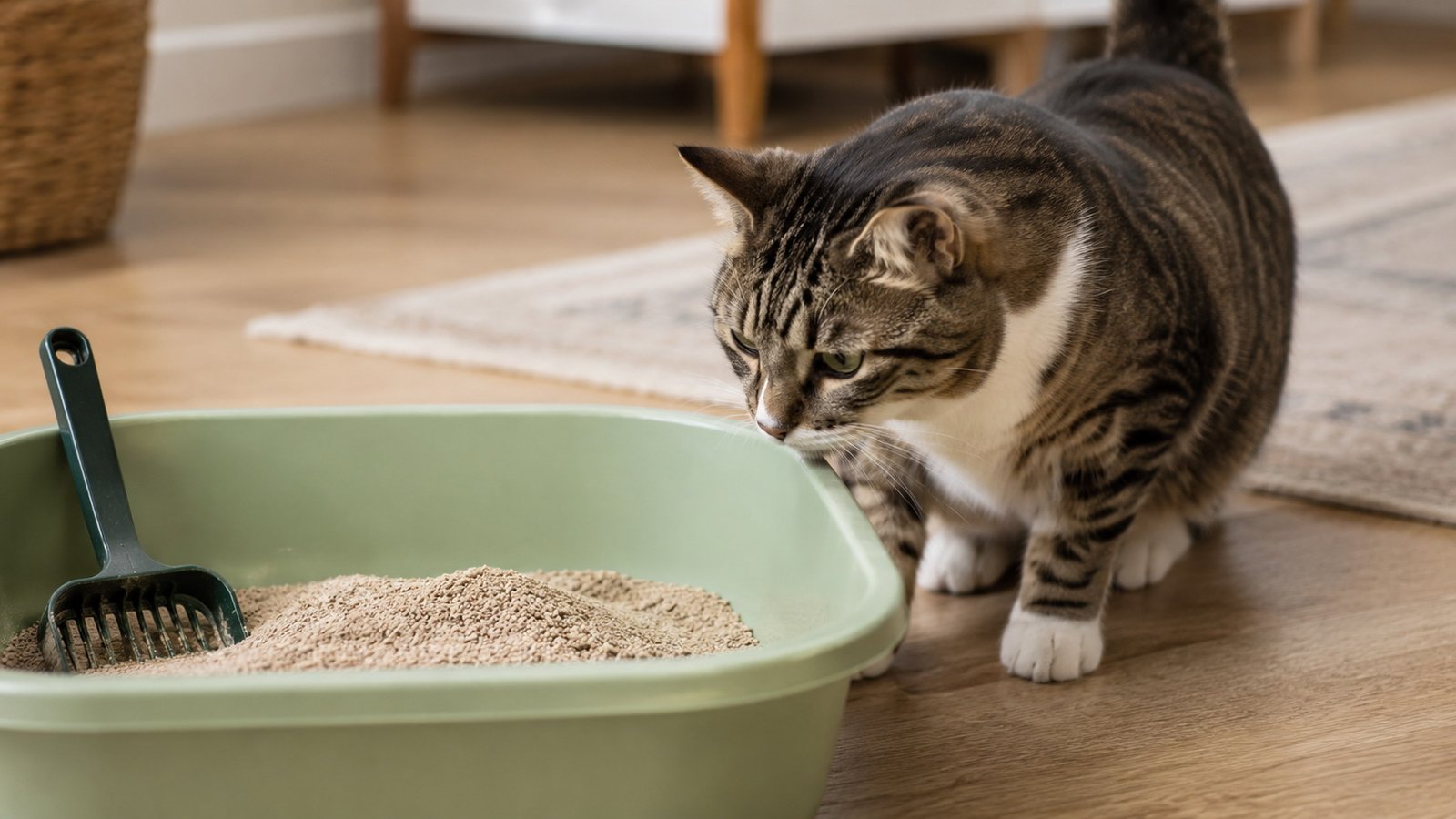
Finding the world’s best cat litter for a picky cat can feel like a never-ending challenge. One day your cat happily uses the litter box, and the next day they’re turning their nose up at it or leaving surprises elsewhere in the house. Since cats can be extremely particular about where they do their business, choosing the right litter is often more important than many owners realize.
This guide explores why some cats become selective about litter, what makes World’s Best Cat Litter stand out, and whether it’s a good choice for cats with strong preferences. You’ll also learn how litter texture, scent, dust levels, and cleanliness affect litter box acceptance so you can make a more informed decision for your feline companion.
In This Article
Why Some Cats Are Extremely Picky About Their Litter Box
Cats have strong instincts regarding cleanliness and comfort. What seems like a minor difference to us can feel significant to a cat.
Many litter box problems begin when a cat dislikes something about their bathroom setup. Sometimes the issue is the litter itself, while other times the problem involves box placement, cleanliness, or stress.
Understanding Feline Litter Preferences
Most cats prefer litter that feels soft under their paws and resembles natural sand or soil. Wild felines instinctively bury waste, so the texture of the litter matters more than many owners expect.
Common preferences include:
- Fine, soft particles
- Low-dust formulas
- Unscented or lightly scented products
- Consistent texture
- Easy digging and covering
Cats that have used one type of litter for years may be especially resistant to sudden changes.
How Texture, Scent, Depth, and Cleanliness Influence Behavior
A cat evaluates the litter box using multiple senses.
Texture is often the biggest factor. Rough pellets or sharp particles may feel uncomfortable on sensitive paws.
Scent can also be a deal-breaker. While strong fragrances smell pleasant to people, many cats find them overwhelming because their sense of smell is much stronger than ours.
Litter depth matters as well. Some cats prefer a deeper layer for digging, while others dislike sinking into excessive litter.
Cleanliness remains essential. Even the world’s best cat litter won’t satisfy a cat if the box isn’t scooped regularly.
Why Litter Aversion Can Develop Suddenly
Many owners are surprised when a cat suddenly refuses a litter box they’ve used for years.
Potential causes include:
- Introduction of a new litter brand
- Changes in litter box location
- Household stress
- New pets or family members
- Aging-related sensitivity
- Medical discomfort
Sudden litter avoidance should never be ignored, especially if it persists for more than a day or two.
The Connection Between Stress and Litter Box Habits
Stress can significantly affect litter box behavior.
Major life changes such as moving, remodeling, adopting another pet, or changes in routine can cause cats to become more selective. In some cases, what appears to be a litter preference issue is actually a stress-related behavior problem.
Creating a quiet, predictable environment often helps restore normal litter box habits.
What Makes World’s Best Cat Litter Different?
Many litters claim to be the best, but World’s Best Cat Litter has gained a loyal following because of its unique formula and performance characteristics.
Unlike traditional clay litters, it uses whole-kernel corn as its primary ingredient.
Overview of World’s Best Cat Litter
World’s Best Cat Litter is a plant-based litter designed to provide strong clumping, odor control, and reduced dust without relying on clay or artificial fragrances.
Its natural composition appeals to owners looking for an alternative to conventional litters while still maintaining easy cleanup.
Key features include:
- Corn-based formula
- Lightweight design
- Fast clumping action
- Flushable in some municipalities (always check local regulations first)
- Naturally derived ingredients
Corn-Based Formula Explained
The corn particles used in World’s Best Cat Litter are processed to absorb moisture quickly while forming firm clumps.
This rapid absorption helps prevent odors from developing and makes daily scooping easier.
Many picky cats appreciate the softer feel of corn litter compared to heavier clay varieties. The texture is often closer to the sandy surfaces cats naturally prefer.
Clumping Performance and Odor Control
One reason many owners switch to World’s Best Cat Litter is its reputation for reliable clumping.
Strong clumps offer several benefits:
- Easier scooping
- Less waste
- Cleaner litter boxes
- Better odor management
Because urine is trapped quickly, unpleasant smells are less likely to spread throughout the home.
How It Compares to Traditional Clay Litters
The differences between World’s Best Cat Litter and clay litter are significant.
| Feature | World’s Best Cat Litter | Traditional Clay Litter |
| Material | Corn-based | Clay-based |
| Weight | Lightweight | Heavier |
| Dust Production | Generally low | Can vary widely |
| Texture | Soft and natural | Depends on formulation |
| Environmental Impact | Renewable material | Mined material |
| Odor Control | Strong natural control | Often enhanced with additives |
Some cats prefer the softer feel of corn litter, while others remain loyal to clay. Individual preference plays a major role.
Why Some Picky Cats Respond Better to Natural Litter Materials
Natural litters often contain fewer perfumes and chemical additives.
Cats that dislike strong scents may be more willing to use a corn-based litter because it smells less artificial. The softer texture can also feel more comfortable, especially for senior cats or those with sensitive paws.
While no litter works for every cat, many owners report improved litter box acceptance after switching from heavily scented clay products to natural alternatives.
World’s Best Cat Litter for Picky Cats: Key Features That Matter
Not every litter feature matters equally to a picky cat. Certain characteristics have a direct impact on whether a cat accepts or rejects a litter box.
Soft Texture and Paw Comfort
Cats spend time digging, turning, and covering waste. A comfortable texture can make a major difference in their willingness to use the box.
World’s Best Cat Litter offers a relatively soft, fine-grain texture that many cats find appealing. This can be especially beneficial for:
- Senior cats
- Cats recovering from injury
- Cats with sensitive paws
- Cats that dislike pellet-style litters
Comfort often influences litter box loyalty more than owners realize.
Low Dust Benefits for Sensitive Cats
Dust may not seem like a major concern, but it can affect both cats and humans.
Excessive dust can:
- Irritate airways
- Trigger sneezing
- Create mess around the box
- Deter sensitive cats from entering
World’s Best Cat Litter is widely known for producing less dust than many traditional clay options, helping create a cleaner litter box environment.
Natural Scent Versus Heavily Fragranced Litters
Many litter manufacturers add fragrances to mask odors. Unfortunately, some cats strongly dislike these artificial scents.
World’s Best Cat Litter relies more on natural odor control rather than heavy perfumes.
Benefits include:
- Less sensory overload
- Better acceptance among scent-sensitive cats
- More natural litter box experience
A litter that smells “clean” to humans isn’t always what cats prefer.
Fast Clumping and Cleaner Litter Boxes
Picky cats often notice when litter becomes dirty or saturated.
Fast-clumping litter allows owners to remove waste efficiently before odors build up. Cleaner litter encourages consistent box usage and reduces the chance of avoidance behaviors.
Daily scooping remains essential regardless of litter type, but strong clumping can make maintenance much easier.
Multiple-Cat Household Considerations
Homes with multiple cats face unique litter box challenges.
Several cats sharing litter boxes means:
- More frequent waste accumulation
- Greater odor production
- Increased competition for clean spaces
World’s Best Cat Litter performs well in many multi-cat households because of its absorbency and clumping ability. However, proper litter box management remains critical.
A good rule is to provide one litter box per cat, plus one extra box whenever possible.
Continue with the next sections when you’re ready.
Signs Your Picky Cat Might Prefer a Different Litter
Cats rarely tell us directly when they dislike their litter, but they often leave clues through their behavior. Recognizing these signs early can help prevent long-term litter box problems.
Refusing to Enter the Litter Box
One of the most obvious warning signs is complete avoidance of the litter box.
A cat may approach the box, sniff it, and walk away without using it. When this happens repeatedly, the litter itself could be part of the problem.
Pay attention to whether the behavior started after introducing a new litter brand or formula.
Digging Excessively Before Using It
Many cats dig before eliminating, but excessive digging can indicate discomfort.
Cats that spend several minutes scratching, pawing, or circling may be trying to find a spot that feels acceptable. Some eventually give up and leave the box without using it.
This behavior often occurs when:
- The texture feels unpleasant
- The litter is too deep
- The scent is overwhelming
- The box isn’t clean enough
Eliminating Outside the Box
Urinating or defecating outside the litter box is often interpreted as a behavioral problem, but that’s not always the case.
A cat that suddenly starts choosing rugs, laundry piles, bathtubs, or corners of the house may be trying to avoid an unpleasant litter experience.
Never assume accidents are caused by stubbornness or spite. Cats typically have a reason for avoiding the box.
Perching on the Edge Instead of Stepping Inside
Some cats balance on the rim of the box while eliminating.
This behavior can suggest that they dislike touching the litter with their paws. While some cats naturally prefer this position, frequent edge-perching may signal dissatisfaction with the litter texture.
Behavioral Clues That Point to Litter Dissatisfaction
Other subtle signs include:
- Shaking paws after leaving the box
- Running out immediately after use
- Vocalizing before entering
- Scratching outside the box instead of covering waste
- Using the box only when absolutely necessary
Watching your cat’s body language often reveals more than owners realize.
How to Successfully Switch a Picky Cat to World’s Best Cat Litter
Even if you’ve found what seems like the world’s best cat litter for a picky cat, making the switch too quickly can backfire.
Cats generally dislike sudden changes, especially when it comes to their bathroom routine.
Step-by-Step Transition Method
A gradual transition gives your cat time to adjust to the new texture and scent.
Days 1–3: Start Small
Mix approximately:
- 75% current litter
- 25% World’s Best Cat Litter
Observe your cat’s behavior during this stage.
Days 4–7: Increase the New Litter
Adjust the mixture to:
- 50% current litter
- 50% World’s Best Cat Litter
Most cats begin adapting during this period.
Days 8–10: Mostly New Litter
Increase to:
- 75% World’s Best Cat Litter
- 25% previous litter
Continue monitoring litter box usage.
Day 11 and Beyond
Transition to:
- 100% World’s Best Cat Litter
If your cat is using the box normally, the transition is likely successful.
Monitoring Your Cat’s Response
Every cat adjusts at a different pace.
Positive signs include:
- Normal elimination habits
- Comfortable digging and covering
- Regular litter box visits
- No accidents outside the box
A smooth transition often means the new litter meets your cat’s preferences.
Common Adjustment Challenges
Some cats need extra time.
You may notice:
- Increased sniffing
- Longer box visits
- Temporary hesitation
- More cautious digging
These behaviors are usually normal during the adjustment phase.
When to Slow Down the Transition Process
A slower transition may be necessary if your cat:
- Refuses to use the box
- Starts eliminating elsewhere
- Appears stressed around the litter box
- Stops covering waste entirely
Returning to the previous ratio for a few days often helps.
Patience is usually more effective than forcing a rapid change.
World’s Best Cat Litter vs. Other Popular Choices for Picky Cats
No litter is universally loved by all cats. Comparing different options can help determine whether World’s Best Cat Litter is the right fit for your particular feline.
Texture, Odor Control, and Acceptance Compared
The following comparison highlights the factors that matter most to picky cats.
| Litter Type | Texture | Odor Control | Dust Level | Typical Acceptance by Picky Cats |
| World’s Best Cat Litter | Soft, fine granules | Strong | Low | Often high |
| Clay Litter | Fine to medium | Strong | Moderate to high | Usually high |
| Silica Crystal Litter | Hard crystals | Excellent | Very low | Mixed reactions |
| Paper Pellet Litter | Large pellets | Moderate | Low | Often lower |
| Pine or Wood Litter | Pellet or granular | Good | Low | Varies widely |
World’s Best Cat Litter
Many picky cats appreciate:
- Softer texture
- Minimal artificial fragrance
- Low dust production
- Strong clumping performance
These features address several common reasons cats reject litter boxes.
Clay Litter
Traditional clay remains one of the most widely used options.
Advantages include:
- Familiar texture
- Strong clumping varieties
- Wide availability
Drawbacks may include:
- Higher dust levels
- Added fragrances
- Heavier weight
Many cats accept clay litter readily, though sensitive cats sometimes prefer natural alternatives.
Silica Crystal Litter
Crystal litter excels at moisture absorption and odor control.
Some cats love it, while others dislike:
- The crunchy feel
- Sharp-edged crystals
- Unfamiliar texture
Texture-sensitive cats may reject crystal litter despite its performance benefits.
Paper Pellet Litter
Paper-based litters are often recommended for:
- Kittens
- Post-surgery recovery
- Cats with respiratory sensitivities
However, many picky cats dislike the larger pellet shape because it feels less natural for digging and covering.
Wood and Pine Litters
Wood-based litters attract owners seeking natural products.
Benefits include:
- Renewable materials
- Natural odor control
- Low dust
Challenges include:
- Strong natural scent
- Different texture
- Larger particles
Some cats adapt quickly, while others strongly prefer finer materials.
Which Types Picky Cats Tend to Favor Most?
Although every cat is unique, many feline behavior experts observe that picky cats often prefer:
- Fine-textured litters
- Low-dust formulas
- Unscented or lightly scented options
- Consistently clean litter boxes
This is one reason World’s Best Cat Litter frequently performs well among selective cats. Its combination of soft texture, low dust, and natural odor control aligns with several preferences commonly seen in finicky felines.
The best litter is ultimately the one your cat willingly uses every day. Even a highly rated product won’t work if it doesn’t match your cat’s individual preferences and habits.
Common Mistakes Cat Owners Make When Evaluating Cat Litter
Finding the world’s best cat litter for a picky cat isn’t just about choosing a highly rated product. Many litter box issues persist because owners unintentionally overlook other important factors.
Avoiding these common mistakes can save both you and your cat a lot of frustration.
Changing Too Many Variables at Once
When litter box problems arise, it’s tempting to replace everything at the same time.
Some owners switch:
- The litter
- The litter box
- The box location
- Cleaning products
- Box liners
all within a few days.
This approach makes it nearly impossible to identify what’s helping or causing the problem.
Change one variable at a time whenever possible. If your cat suddenly starts using the box again, you’ll know exactly what made the difference.
Ignoring Litter Box Placement
Even the best litter can’t compensate for a poor location.
Cats generally prefer litter boxes that are:
- Quiet
- Easily accessible
- Away from food and water
- Free from sudden noises
Laundry rooms, garages, and busy hallways can sometimes discourage litter box use.
A nervous or cautious cat may avoid a perfectly clean box simply because the location feels unsafe.
Using Scented Products Around the Box
Many people assume stronger scents equal better odor control.
Cats often disagree.
Strong-smelling products can include:
- Scented litter
- Air fresheners
- Deodorizers
- Cleaning sprays
- Scented liners
Since cats have an extremely sensitive sense of smell, these products may actually make the litter box less appealing.
Unscented or lightly scented products are usually the safer choice for picky cats.
Infrequent Scooping
Cleanliness plays a huge role in litter box acceptance.
Even excellent litter loses effectiveness if waste remains in the box too long.
A practical routine includes:
- Scooping at least once daily
- Removing clumps promptly
- Fully replacing litter as recommended
- Washing boxes regularly
Many litter box issues improve dramatically with better maintenance.
Assuming Accidents Are Purely Behavioral
One of the biggest mistakes owners make is believing a cat is acting out intentionally.
Cats don’t typically avoid litter boxes out of spite.
Possible causes include:
- Litter preferences
- Stress
- Pain
- Illness
- Environmental changes
Treating accidents as a message rather than a misbehavior often leads to faster solutions.
Expert Insights: What Veterinarians and Cat Behaviorists Recommend
Veterinarians and feline behavior professionals consistently emphasize that successful litter box habits depend on more than litter choice alone.
Understanding how cats naturally think and behave can help owners make better decisions.
Importance of Litter Box Setup
Experts often describe the litter box setup as a complete system rather than a single product.
Key factors include:
| Factor | Why It Matters |
| Litter type | Influences comfort and acceptance |
| Box size | Affects ease of movement |
| Box location | Impacts privacy and security |
| Cleanliness | Encourages consistent use |
| Number of boxes | Reduces competition and stress |
A great litter paired with a poorly maintained box may still result in problems.
The “Cat’s Perspective” Approach
Feline behaviorists often encourage owners to evaluate the litter box from the cat’s point of view.
Ask yourself:
- Is the box easy to reach?
- Does it feel safe?
- Is it clean enough?
- Does the litter feel comfortable?
- Are there sudden noises nearby?
This perspective frequently reveals issues owners may not have considered.
Why Litter Preference Can Vary Dramatically Between Cats
Cats are individuals with unique preferences.
Two cats living in the same home may react very differently to the exact same litter.
Factors influencing preference include:
- Early kitten experiences
- Age
- Health status
- Paw sensitivity
- Personality
This explains why one cat may immediately accept World’s Best Cat Litter while another needs a gradual introduction.
When Litter Issues May Signal Health Concerns
Behavior changes around the litter box should never be dismissed.
According to the American Association of Feline Practitioners (AAFP), litter box avoidance can sometimes indicate underlying medical conditions that require veterinary attention.
Seek veterinary guidance if your cat shows:
- Straining to urinate
- Frequent trips to the box
- Blood in urine
- Crying while eliminating
- Sudden accidents after years of normal habits
- Complete refusal to use the litter box
Medical issues often look like litter preference problems at first.
Creating the Perfect Litter Box Environment for a Picky Cat
Choosing the world’s best cat litter for a picky cat is only part of the equation. Creating an inviting litter box environment often has an equally large impact on success.
Small adjustments can make a dramatic difference in how comfortable your cat feels.
Beyond Choosing the Right Litter
Cats evaluate their entire bathroom experience, not just the litter itself.
The goal is to create a setup that feels:
- Safe
- Comfortable
- Predictable
- Clean
- Easy to access
When these needs are met, litter box acceptance usually improves.
Ideal Box Size and Shape
Many commercial litter boxes are smaller than what cats actually prefer.
A good rule is to choose a box that is at least:
- One and a half times your cat’s body length
- Wide enough for turning comfortably
- Deep enough to contain litter without restricting movement
Larger cats especially benefit from oversized boxes.
Open Versus Covered Litter Boxes
Both styles have advantages and disadvantages.
| Open Box | Covered Box |
| Better airflow | More privacy |
| Easier monitoring | Helps contain litter scatter |
| Less odor concentration | Can trap odors inside |
| Often preferred by cats | Preferred by some shy cats |
Many feline behavior specialists report that cats generally favor open boxes because they allow better visibility and easier escape routes.
However, individual preferences vary.
Recommended Litter Depth
Too little litter can make digging difficult.
Too much litter may feel unstable.
For most cats, a depth of approximately 2–3 inches works well.
Monitor your cat’s behavior and adjust as needed.
Signs the depth may be wrong include:
- Excessive digging
- Refusal to cover waste
- Perching on the edge
- Litter being kicked out excessively
Multi-Cat Household Strategies
Multiple-cat homes require extra planning.
One of the most widely recommended guidelines is:
One litter box per cat, plus one extra.
Examples:
- 1 cat = 2 boxes
- 2 cats = 3 boxes
- 3 cats = 4 boxes
This helps reduce territorial disputes and ensures that each cat can find a clean, available box.
Quiet and Low-Stress Locations
Location often determines whether a cat feels comfortable using the litter box.
Ideal locations are:
- Quiet
- Low traffic
- Accessible day and night
- Away from loud appliances
- Separate from food and water stations
Avoid placing litter boxes next to washing machines, dryers, furnaces, or busy doorways.
Related Reading: How Stress Affects Cat Behavior and Litter Box Habits
Stress is one of the most overlooked causes of litter box issues.
Changes such as moving to a new home, introducing a pet, welcoming a baby, hosting guests, or altering daily routines can affect a cat’s sense of security.
Common stress-related behaviors include:
- Litter box avoidance
- Hiding
- Overgrooming
- Increased vocalization
- Reduced appetite
If a cat suddenly becomes picky about litter despite no obvious changes to the box itself, evaluating potential stressors can be just as important as evaluating the litter.
A calm cat is often a more reliable litter box user. Creating a stable, predictable environment can sometimes solve problems that owners mistakenly attribute to litter alone.
When Litter Problems Are Actually Health Problems
Many owners assume litter box avoidance is caused by a dislike of the litter. While that’s sometimes true, health issues can produce nearly identical symptoms.
A cat that suddenly stops using the litter box may be trying to communicate discomfort rather than dissatisfaction.
Warning Signs That Require Veterinary Attention
Certain symptoms should never be ignored.
Contact your veterinarian if your cat experiences:
- Straining to urinate
- Frequent attempts to urinate with little output
- Blood in urine
- Crying or vocalizing while using the litter box
- Sudden accidents after years of normal habits
- Complete refusal to use the litter box
- Lethargy or decreased appetite
Urinary emergencies can become life-threatening, especially in male cats.
Urinary Issues That Mimic Litter Aversion
Cats often associate pain with the location where it occurs.
A cat suffering from a urinary problem may begin avoiding the litter box because they incorrectly link the box with discomfort.
Common urinary conditions include:
- Urinary tract infections
- Bladder inflammation
- Urinary crystals
- Urinary blockages
Owners may mistakenly think a new litter is causing the problem when the underlying issue is medical.
Pain-Related Litter Box Avoidance
Arthritis and joint pain can affect litter box habits, particularly in older cats.
A senior cat may struggle with:
- Climbing into high-sided boxes
- Squatting comfortably
- Digging through deep litter
Making simple adjustments, such as providing a lower-entry litter box, can improve comfort significantly.
Senior Cat Considerations
Aging cats often become more sensitive to environmental changes.
Helpful modifications include:
- Larger litter boxes
- Easy-access entrances
- Soft-textured litter
- More frequent cleaning
- Additional litter boxes throughout the home
Monitoring litter box behavior becomes increasingly important as cats age.
Related Reading: Common Urinary Tract Problems in Cats and Early Warning Signs
Urinary issues are among the most common reasons for sudden litter box changes.
Early intervention often leads to better outcomes and prevents minor issues from becoming emergencies.
If you’re unsure whether a problem is behavioral or medical, it’s always safest to consult your veterinarian first.
Pros and Cons of World’s Best Cat Litter for Picky Cats
Every litter has strengths and weaknesses. Understanding both sides can help determine whether World’s Best Cat Litter is the right fit for your cat.
Pros
Natural Ingredients
The corn-based formula appeals to owners looking for a more natural alternative to traditional clay litter.
Low Dust
Reduced dust helps keep the litter area cleaner and may be beneficial for cats and people sensitive to airborne particles.
Strong Clumping Ability
Fast, firm clumping simplifies scooping and helps maintain a cleaner litter box.
Lightweight and Easy to Handle
Compared with many clay products, World’s Best Cat Litter is easier to carry, pour, and store.
Often Well Accepted by Picky Cats
Many selective cats appreciate:
- Softer texture
- Minimal artificial fragrance
- Natural feel under their paws
Cons
Higher Cost Than Some Alternatives
Premium natural litters typically cost more than budget clay options.
Not Every Cat Likes Corn-Based Litter
Cats have individual preferences. Some simply prefer traditional clay textures.
Potential Tracking Concerns
Fine particles may stick to paws and be tracked outside the litter box in some homes.
Gradual Transition May Be Necessary
Sensitive cats often require a slow introduction to avoid litter box refusal.
Frequently Asked Questions About World’s Best Cat Litter and Picky Cats
Is World’s Best Cat Litter safe for kittens?
Most formulas are considered safe for kittens, but always check the product packaging and follow age recommendations from the manufacturer. Young kittens should be monitored closely whenever introducing new litter.
How long does it take a picky cat to adjust to a new litter?
Many cats adjust within one to two weeks when the transition is gradual. Particularly sensitive cats may require a longer adjustment period.
Can I mix World’s Best Cat Litter with my current litter?
Yes. Mixing old and new litter is one of the most effective ways to help a picky cat accept a new product without creating unnecessary stress.
Does World’s Best Cat Litter control odor in multi-cat homes?
Many owners report excellent odor control, especially when litter boxes are scooped daily and maintained properly. Results may vary depending on the number of cats and litter box setup.
Why is my cat still avoiding the litter box after switching?
The issue may involve box placement, cleanliness, stress, household changes, or an underlying medical condition rather than the litter itself.
What litter texture do picky cats usually prefer?
Many picky cats prefer fine, soft-textured litter that resembles natural sand or soil. Strong fragrances and large pellets are more likely to be rejected by sensitive cats.
Can stress make a cat suddenly become picky about litter?
Yes. Moving, new pets, visitors, schedule changes, or household disruptions can cause temporary litter box avoidance and increased selectiveness.
Final Verdict: Is World’s Best Cat Litter Worth Trying for a Picky Cat?
Finding the world’s best cat litter for a picky cat often requires some trial and error, but World’s Best Cat Litter checks many of the boxes that selective cats tend to prefer. Its soft texture, low dust production, natural odor control, and strong clumping ability make it a compelling option for cats that reject heavily scented or uncomfortable litters.
No single litter works for every feline. Individual preferences, health conditions, age, and past experiences all influence how a cat responds to a particular product. Still, many owners find that switching to a natural, low-dust litter helps resolve common litter box complaints and improves overall acceptance.
Remember that litter is only one piece of the puzzle. Clean boxes, proper placement, adequate box numbers, and attention to your cat’s health all play critical roles in successful litter box habits.
If your cat has been turning up their nose at other litters, World’s Best Cat Litter may be worth a try. Introduce it gradually, observe your cat’s response, and make adjustments as needed. A little patience can go a long way toward creating a litter box setup that keeps both you and your cat happy.
Looking for more ways to improve your cat’s comfort and behavior? Explore additional guides on feline health, stress management, and litter box best practices to help your cat thrive every day.