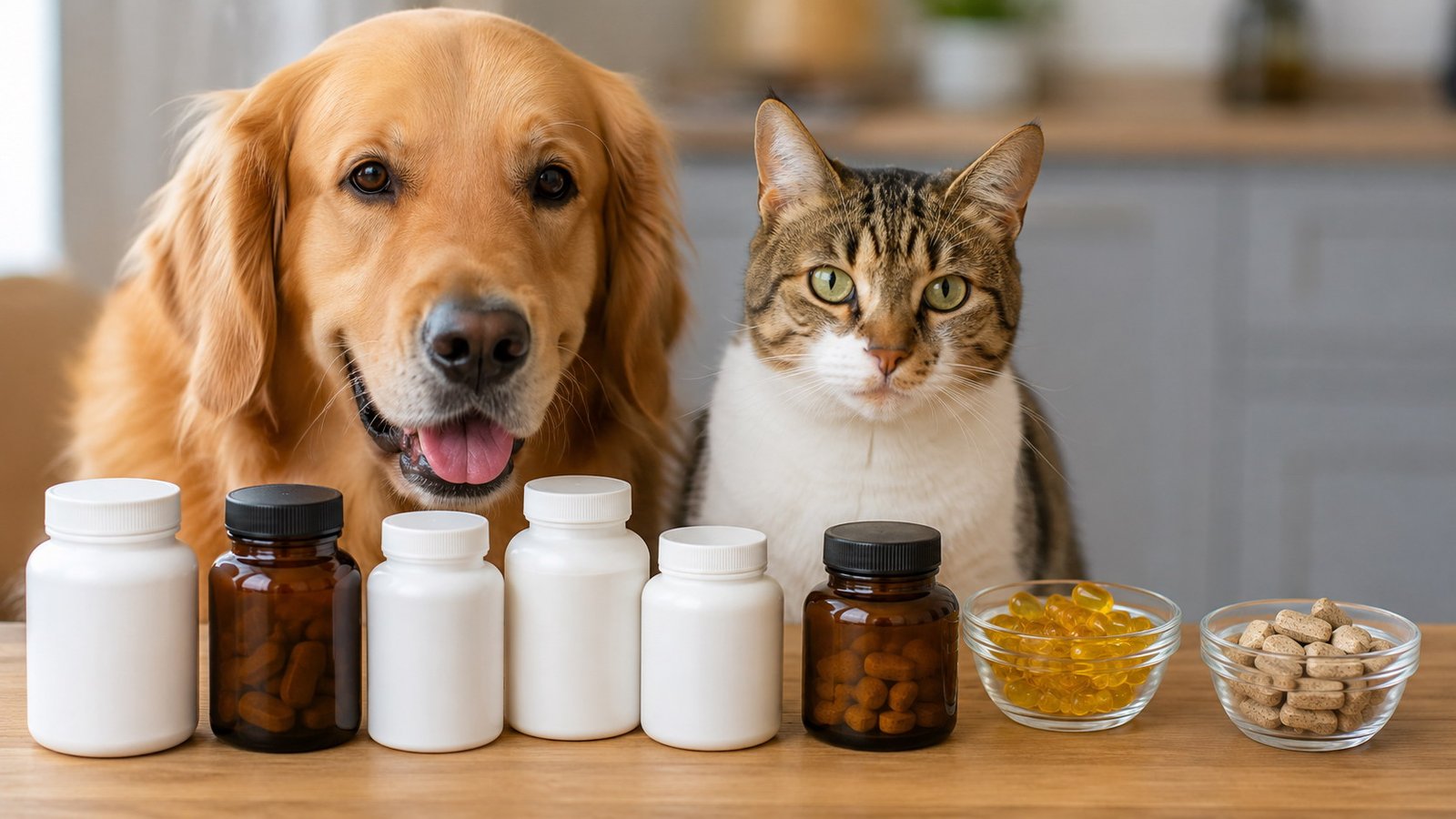
Pet owners are paying more attention than ever to preventive wellness, which is why the best functional supplements for pets in 2026 have become one of the fastest-growing trends in pet care. From joint support and digestive health to calming formulas and cognitive supplements, today’s products are designed to target specific health goals rather than simply filling nutritional gaps.
The challenge is that not every supplement delivers the benefits promised on the label. Some ingredients have strong scientific support, while others rely more on marketing than evidence. Understanding the difference can help you make smarter choices for your dog or cat.
In this guide, you’ll learn what functional pet supplements are, which categories are showing the most promise in 2026, and how to identify products that are both safe and effective. Whether you have an energetic puppy, a senior cat, or a dog dealing with seasonal allergies, you’ll find practical insights to help support your pet’s long-term health.
In This Article
Why Functional Supplements Are Becoming a Major Pet Wellness Trend in 2026
A decade ago, most pet owners thought of supplements as something only older pets needed. Today, many families view supplements as part of a broader wellness plan that includes nutrition, exercise, preventive care, and mental enrichment.
Several factors are driving this shift.
Preventive Health Is Taking Center Stage
Many pet owners are no longer waiting for health problems to appear before taking action. Instead, they’re looking for ways to support mobility, digestion, immunity, and cognitive function before issues become serious.
This proactive approach mirrors trends seen in human health, where preventive care and wellness-focused lifestyles have become increasingly popular.
Pets Are Living Longer Than Ever
Advances in veterinary medicine, nutrition, and preventive healthcare have increased the lifespan of many dogs and cats. Longer lives often bring age-related challenges such as:
- Joint stiffness
- Cognitive decline
- Reduced mobility
- Digestive sensitivities
- Weakened immune function
Functional supplements can help support healthy aging when combined with appropriate veterinary care.
Pet Parents Want More Personalized Care
Modern pet owners are researching ingredients, reading labels, and looking for solutions tailored to their pet’s specific needs.
Rather than purchasing a generic multivitamin, many are choosing targeted supplements designed for:
- Joint health
- Gut health
- Skin and coat support
- Anxiety management
- Brain health
- Immune support
This personalized approach is expected to continue growing throughout 2026.
Better Products Are Entering the Market
Manufacturers have begun investing more heavily in research-backed ingredients and quality testing.
Many newer formulations include:
- Clinically studied probiotics
- Sustainable omega-3 sources
- Functional mushroom blends
- Postbiotics
- Enhanced absorption technologies
As product quality improves, pet owners have become more willing to incorporate supplements into everyday wellness routines.
What Makes a Pet Supplement “Functional”?
Not all supplements are created equal. Understanding the term “functional supplement” helps separate products with specific purposes from those offering more general nutritional support.
Functional Supplements vs Traditional Supplements
A traditional supplement often provides broad nutritional support, such as vitamins and minerals.
A functional supplement is formulated to target a particular health outcome.
Examples include:
| Functional Goal | Common Ingredients |
| Joint support | Glucosamine, chondroitin, MSM |
| Digestive health | Probiotics, prebiotics, postbiotics |
| Skin and coat health | Fish oil, omega-3 fatty acids |
| Calming support | L-theanine, chamomile |
| Cognitive health | DHA, phosphatidylserine |
| Immune support | Colostrum, medicinal mushrooms |
The focus is on supporting a specific body system rather than providing general nutrition.
Why Active Ingredients Matter
The effectiveness of a supplement depends largely on its active ingredients.
For example, two joint supplements may appear similar at first glance. However, one may contain meaningful therapeutic levels of glucosamine and chondroitin, while another contains only small amounts added for marketing purposes.
Always look beyond the front label and review the ingredient panel carefully.
Bioavailability: The Often-Overlooked Factor
Bioavailability refers to how efficiently the body absorbs and uses an ingredient.
A supplement may contain an excellent ingredient, but if the body cannot absorb it effectively, the benefits may be limited.
Factors affecting bioavailability include:
- Ingredient source
- Manufacturing quality
- Delivery format
- Stability of active compounds
Higher-quality products typically pay close attention to these details.
Supplements Are Not a Substitute for Good Nutrition
One of the biggest misconceptions among pet owners is that supplements can compensate for a poor diet.
Reality is much simpler:
A balanced diet remains the foundation of pet health.
Supplements should enhance an already healthy nutrition plan rather than replace proper feeding practices.
For guidance on complete and balanced nutrition standards, pet owners can review recommendations from the Association of American Feed Control Officials (AAFCO).
Best Functional Supplements for Pets in 2026: Top Categories to Know
While hundreds of products compete for attention, a handful of supplement categories continue to stand out because they address some of the most common health concerns in dogs and cats.
Joint Support Supplements
Joint health remains one of the largest supplement categories, especially for:
- Senior dogs
- Large-breed dogs
- Active sporting dogs
- Pets recovering from orthopedic injuries
Common ingredients include:
Glucosamine
Glucosamine helps support cartilage maintenance and joint function. Many veterinarians recommend it for aging dogs showing early signs of stiffness.
Chondroitin
Chondroitin often works alongside glucosamine and may help maintain cartilage integrity.
MSM (Methylsulfonylmethane)
MSM is frequently included in mobility formulas because of its role in supporting joint comfort and connective tissue health.
Green-Lipped Mussel
This marine ingredient contains naturally occurring omega-3 fatty acids and compounds associated with joint support.
Best suited for: Senior dogs, large breeds, and highly active pets.
Gut Health and Digestive Support
Digestive wellness has become one of the hottest trends in both human and pet nutrition.
Research increasingly shows that gut health can influence:
- Digestion
- Immune function
- Nutrient absorption
- Skin health
- Behavior
Probiotics
Probiotics introduce beneficial bacteria that help maintain a balanced digestive system.
They may be particularly useful for pets experiencing:
- Occasional digestive upset
- Antibiotic recovery
- Dietary transitions
- Stress-related stomach issues
Prebiotics
Prebiotics act as food for beneficial gut bacteria, helping probiotic populations thrive.
Postbiotics
One of the emerging trends for 2026, postbiotics contain beneficial compounds produced by healthy bacteria rather than live microorganisms themselves.
Many experts believe postbiotics may offer improved stability and consistency compared to some traditional probiotic formulations.
Best suited for: Pets with sensitive stomachs, digestive irregularities, or recurring gastrointestinal concerns.
Skin and Coat Supplements
Healthy skin serves as the body’s largest protective barrier, while a shiny coat often reflects overall wellness.
Many pets benefit from nutritional support for:
- Dry skin
- Excessive shedding
- Seasonal itching
- Dull coats
Omega-3 Fatty Acids
Omega-3s remain among the most researched and widely recommended pet supplements.
Potential benefits include support for:
- Skin hydration
- Coat quality
- Joint health
- Cognitive function
- Heart health
Fish Oil
Fish oil continues to be one of the most popular omega-3 sources because it contains EPA and DHA, two important fatty acids.
Algae-Based Alternatives
Sustainability concerns have fueled interest in algae-derived omega-3 supplements.
These products provide DHA while reducing reliance on marine fisheries.
Best suited for: Dogs and cats with dry skin, coat issues, seasonal allergies, or senior wellness needs.
The Best Functional Supplements for Pets Based on Specific Health Goals
Choosing the best functional supplements for pets becomes much easier when you focus on your pet’s individual needs instead of chasing trends. A supplement that works well for a senior Labrador may not be the best choice for a young indoor cat.
For Senior Dogs and Cats
Aging pets often benefit from supplements that support mobility, brain function, and overall vitality.
Common options include:
- Glucosamine and chondroitin for joint support
- Omega-3 fatty acids for inflammation management
- DHA for cognitive health
- Antioxidants that help combat oxidative stress
Many pet owners notice subtle changes in older pets, such as slower movement, confusion, or decreased interest in activities. Targeted supplementation may help support quality of life when combined with regular veterinary care.
Helpful tip: Introduce supplements gradually and monitor your pet’s comfort, mobility, and behavior over several weeks rather than expecting overnight results.
For Active and Sporting Dogs
Highly active dogs place greater demands on their joints, muscles, and recovery systems.
Popular functional supplements include:
- Joint support formulas
- Omega-3 fatty acids
- Green-lipped mussel
- Antioxidant blends
Working dogs, agility competitors, hiking companions, and hunting breeds often benefit from preventive joint support before mobility problems develop.
For Pets with Sensitive Stomachs
Digestive issues are among the most common reasons owners explore supplements.
Products designed for digestive wellness often contain:
- Multi-strain probiotics
- Prebiotics
- Postbiotics
- Digestive enzymes
Potential signs that digestive support may be beneficial include:
- Occasional loose stools
- Gas
- Dietary sensitivities
- Frequent stomach upset
Persistent digestive problems should always be evaluated by a veterinarian to rule out underlying disease.
For Pets with Seasonal Allergies
Many dogs and some cats experience seasonal itching, skin irritation, or environmental sensitivities.
Common supplement choices include:
| Supplement Type | Potential Benefit |
| Omega-3 fatty acids | Supports skin barrier function |
| Fish oil | Promotes skin hydration |
| Colostrum | May support immune balance |
| Probiotics | Supports gut and immune health |
Supplements are not a cure for allergies, but they may help support overall skin health as part of a broader management plan.
For Indoor Cats
Indoor cats face a unique set of wellness challenges.
Areas of focus often include:
- Weight management
- Hairball control
- Digestive support
- Cognitive enrichment for senior cats
Probiotics, omega-3 supplements, and certain fiber-support products can be useful additions when recommended by a veterinarian.
For Large-Breed Dogs
Large breeds face increased stress on their joints throughout life.
Early supplementation may help support:
- Cartilage health
- Joint comfort
- Mobility
- Healthy aging
Breeds commonly considered for preventive joint support include:
- Labrador Retrievers
- German Shepherds
- Golden Retrievers
- Rottweilers
- Great Danes
Starting a quality joint-support supplement before symptoms appear is a strategy many veterinarians discuss with owners of large and giant breeds.
Ingredient Spotlight: Emerging Functional Supplement Trends for 2026
The pet supplement market continues to evolve rapidly. Several ingredient categories are gaining attention due to growing research, consumer interest, and advances in pet nutrition.
Adaptogenic Mushrooms
Functional mushrooms are becoming increasingly common in pet wellness products.
Popular varieties include:
- Reishi
- Turkey tail
- Lion’s mane
- Cordyceps
These ingredients are often used to support immune function, healthy aging, and overall wellness.
Although research in pets is still developing, many veterinarians and nutrition professionals are watching this category closely.
Postbiotics and Next-Generation Gut Health Formulas
Probiotics remain important, but postbiotics may represent the next stage of digestive support.
Potential advantages include:
- Improved stability
- Consistent formulation
- Easier storage
- Reliable activity levels
As more manufacturers adopt postbiotic technology, these ingredients are expected to become more common in premium pet supplements.
Fermented Ingredients
Fermentation has gained popularity because it can improve nutrient availability and support digestive health.
Emerging products may include:
- Fermented plant extracts
- Fermented probiotics
- Fermented nutritional blends
These formulations aim to improve how nutrients are utilized within the body.
Marine-Sourced Nutrients
Sustainability remains a major focus in 2026.
Marine-based ingredients attracting attention include:
- Green-lipped mussel
- Krill oil
- Algae-derived DHA
- Sustainable fish oil sources
Many pet owners appreciate ingredients that support both pet health and environmental responsibility.
Personalized Supplement Blends
One-size-fits-all products are gradually giving way to more customized approaches.
Some brands now offer supplements tailored to factors such as:
- Age
- Breed size
- Activity level
- Health concerns
- Lifestyle
This trend reflects a broader shift toward individualized pet wellness plans.
Sustainability-Focused Ingredients
Eco-conscious pet owners increasingly evaluate products based on environmental impact.
Growing trends include:
- Responsibly sourced marine ingredients
- Alternative protein sources
- Sustainable packaging
- Reduced environmental footprint manufacturing
Expect sustainability claims to become even more prominent throughout the coming years.
How to Choose the Best Functional Supplements for Pets Safely
With countless products on the market, selecting the right supplement can feel overwhelming. A systematic approach helps separate high-quality products from those relying mostly on marketing.
Read Ingredient Labels Carefully
Front-label claims can be impressive, but the ingredient panel reveals what you’re actually buying.
Look for:
- Clearly identified active ingredients
- Specific ingredient amounts
- Transparent sourcing information
- Complete dosage instructions
Be cautious of products that hide details behind vague proprietary blends.
Look for Third-Party Testing
Quality testing provides an extra layer of confidence.
Reputable manufacturers often perform:
- Purity testing
- Contaminant screening
- Ingredient verification
- Quality control checks
Third-party testing helps ensure the product contains what the label claims.
Watch for Unnecessary Fillers
Not every ingredient contributes to your pet’s health.
Some products contain excessive amounts of:
- Artificial colors
- Artificial flavors
- Low-value fillers
- Unnecessary additives
A shorter, transparent ingredient list is often easier to evaluate.
Choose Species-Specific Formulations
Dogs and cats have different nutritional requirements.
Never assume a supplement designed for dogs is automatically safe for cats.
Certain ingredients, flavorings, or dosages may not be appropriate across species.
Always follow manufacturer recommendations and veterinary guidance.
Consider Delivery Format
The best supplement is the one your pet will consistently take.
Common formats include:
- Soft chews
- Powders
- Capsules
- Tablets
- Liquids
- Treat-style supplements
Many owners find soft chews easier for dogs, while powders or liquids can be more practical for cats.
Know When to Consult a Veterinarian
Supplements can be valuable tools, but they are not a substitute for medical diagnosis.
Schedule a veterinary consultation if your pet experiences:
- Sudden mobility problems
- Persistent digestive issues
- Significant skin problems
- Behavioral changes
- Weight loss
- Chronic discomfort
A veterinarian can help identify whether a supplement is appropriate or if an underlying health condition requires treatment.
The safest approach is to view functional supplements as one part of a comprehensive wellness strategy that includes balanced nutrition, exercise, preventive care, and regular veterinary checkups.
Common Supplement Mistakes Pet Owners Still Make
Even the best functional supplements for pets can fall short if they’re used incorrectly. Many pet owners have good intentions but unknowingly make mistakes that reduce effectiveness or create unnecessary risks.
Understanding these common pitfalls can help you get better results while keeping your pet safe.
Giving Human Supplements to Pets
One of the most frequent mistakes is assuming that supplements made for people are automatically safe for animals.
Many human products contain ingredients that may be inappropriate for pets, including:
- Artificial sweeteners such as xylitol
- Excessive vitamin levels
- Flavorings that may upset digestion
- Ingredients that have not been evaluated for pets
Always choose supplements specifically formulated for dogs or cats unless your veterinarian recommends otherwise.
Overlapping Ingredients Across Multiple Products
Pet owners often combine several supplements without realizing they’re providing the same active ingredients multiple times.
For example, a dog may receive:
- A joint supplement containing omega-3s
- Fish oil capsules
- A skin and coat supplement containing additional omega-3s
This can lead to unnecessarily high intake levels and increased costs without providing additional benefits.
Creating a simple supplement list can help prevent duplication.
Expecting Instant Results
Functional supplements rarely work overnight.
Many ingredients require consistent use before noticeable improvements occur.
Typical timelines include:
| Supplement Category | Expected Time Frame |
| Probiotics | Several days to a few weeks |
| Omega-3 fatty acids | 4–8 weeks |
| Joint supplements | 4–12 weeks |
| Cognitive support supplements | Several weeks to months |
Patience and consistency are often key to evaluating effectiveness.
Ignoring Dosage Recommendations
More is not always better.
Exceeding recommended dosages may:
- Increase side effects
- Cause digestive upset
- Create nutrient imbalances
- Waste money
Follow product directions carefully and discuss dosage adjustments with your veterinarian if needed.
Using Supplements Instead of Addressing Underlying Problems
Supplements should support health, not replace proper medical care.
Signs that warrant veterinary attention include:
- Persistent limping
- Chronic diarrhea
- Ongoing skin infections
- Sudden behavioral changes
- Significant appetite changes
A supplement may help support recovery, but it cannot resolve every medical condition.
Frequently Switching Products
Many owners abandon supplements too quickly and jump from one product to another.
Constantly changing formulas makes it difficult to determine:
- Whether a supplement is helping
- Which ingredients are effective
- Whether side effects are occurring
Unless a product causes adverse reactions, give it adequate time before deciding whether it’s working.
Functional Supplements vs Complete Nutrition: Which Matters More?
The growing popularity of supplements sometimes creates the impression that they are the key to optimal pet health. In reality, nutrition remains the foundation upon which everything else is built.
Food Comes First
A complete and balanced diet provides the essential nutrients pets need every day.
This includes:
- Protein
- Healthy fats
- Vitamins
- Minerals
- Amino acids
- Energy for normal body functions
Without proper nutrition, even the most advanced supplement program will have limited value.
Think of supplements as additions to a strong foundation rather than replacements for it.
When Supplements Can Make Sense
Certain situations may justify targeted supplementation.
Examples include:
- Senior pets with mobility concerns
- Dogs with seasonal skin issues
- Pets recovering from illness
- Animals with digestive sensitivities
- Highly active working or sporting dogs
In these cases, supplements can provide additional support beyond what a balanced diet alone may offer.
Nutrition and Supplements Work Best Together
The strongest wellness plans combine:
- High-quality nutrition
- Appropriate exercise
- Weight management
- Preventive veterinary care
- Carefully selected supplements
This holistic approach often produces better outcomes than relying heavily on any single strategy.
Watch Out for Marketing Hype
Supplement marketing can sometimes create unrealistic expectations.
Be skeptical of claims suggesting a product can:
- Cure diseases
- Reverse aging
- Eliminate arthritis
- Replace veterinary treatment
Reliable supplements support health; they do not perform miracles.
The Importance of Healthy Body Weight
Many pet owners focus on supplements while overlooking one of the biggest health factors: weight management.
Excess weight can contribute to:
- Joint stress
- Reduced mobility
- Increased inflammation
- Higher risk of chronic disease
Maintaining an ideal body condition often delivers greater benefits than adding another supplement to the daily routine.
Building a Wellness Pyramid
A useful way to think about pet health is as a pyramid:
| Priority Level | Wellness Component |
| Foundation | Complete and balanced nutrition |
| Second Level | Exercise and healthy weight |
| Third Level | Preventive veterinary care |
| Fourth Level | Mental enrichment |
| Top Level | Targeted functional supplements |
Supplements have value, but they are most effective when the lower levels of the pyramid are already in place.
Best Functional Supplements for Pets: Myths vs Facts
Misinformation is common in the supplement industry. Separating facts from myths can help pet owners make more informed decisions.
Myth: Every Pet Needs Daily Supplements
Many healthy pets thrive on complete and balanced diets without requiring additional supplementation.
Supplements should be chosen based on specific needs rather than assumptions.
Fact: Some Pets Benefit More Than Others
Targeted supplementation can be especially useful for:
- Senior pets
- Large-breed dogs
- Highly active animals
- Pets with specific health concerns
The key is matching the supplement to the pet’s individual circumstances.
Myth: Natural Always Means Safe
Natural ingredients can still cause side effects, interactions, or allergic reactions.
Examples include:
- Herbal extracts
- Essential oil-based ingredients
- Mushroom blends
- Plant-derived compounds
Safety depends on the ingredient, dosage, and the individual pet.
Fact: Quality Varies Dramatically Between Products
Two supplements may contain similar ingredients yet perform very differently.
Factors affecting quality include:
- Ingredient sourcing
- Manufacturing standards
- Testing procedures
- Stability of active compounds
Investing in reputable brands often provides better value than purchasing the cheapest option available.
Myth: More Ingredients Mean Better Results
Some products advertise dozens of active ingredients.
While this may seem impressive, excessive ingredient lists can make it difficult to determine:
- Which ingredients are beneficial
- Whether dosages are effective
- Potential interactions between ingredients
Many experts prefer focused formulas that contain fewer ingredients at meaningful levels.
Fact: Evidence Levels Differ by Ingredient
Not all supplements have the same level of scientific support.
Ingredients with relatively strong evidence include:
- Omega-3 fatty acids
- Glucosamine
- Certain probiotics
Other emerging ingredients may show promise but require additional research.
Myth: Supplements Can Replace Veterinary Care
This is one of the most dangerous misconceptions.
Supplements can support wellness, but they cannot replace:
- Diagnostic testing
- Medical treatment
- Preventive examinations
- Professional veterinary guidance
When symptoms persist or worsen, veterinary care should always be the priority.
Fact: Consistency Matters More Than Trendiness
The newest ingredient is not necessarily the most effective.
Many pets benefit more from consistently receiving proven supplements than from constantly switching to the latest wellness trend.
The best functional supplements for pets are usually the ones that match a genuine health need, come from a trusted manufacturer, and are used consistently as part of a complete wellness plan.
Expert Tips for Getting the Most Benefit from Pet Supplements
Buying a quality supplement is only the first step. How you use it often determines whether your pet experiences meaningful benefits.
Set Realistic Expectations
Functional supplements support health over time. Most are not designed to produce immediate changes.
Joint supplements, skin support formulas, and cognitive health products may require weeks or even months of consistent use before noticeable improvements appear.
Expect gradual progress rather than dramatic overnight results.
Track Changes in a Simple Health Journal
Many improvements happen slowly, making them easy to overlook.
Consider recording:
- Energy levels
- Mobility
- Appetite
- Stool quality
- Coat condition
- Scratching or licking frequency
- Behavioral changes
A simple weekly log can help you identify trends and evaluate whether a supplement is providing value.
Stay Consistent With Daily Administration
Skipping doses frequently can reduce effectiveness.
Helpful strategies include:
- Giving supplements with meals
- Using daily reminders
- Storing supplements near pet food
- Creating a consistent feeding routine
Consistency is especially important for probiotics, omega-3 supplements, and joint-support products.
Pair Supplements With Healthy Lifestyle Habits
Supplements work best when combined with good overall care.
Support your pet’s wellness through:
- Regular exercise
- Balanced nutrition
- Weight management
- Mental enrichment
- Preventive veterinary visits
A joint supplement, for example, may provide greater benefits when a dog also maintains a healthy body weight.
Monitor for Side Effects
Most high-quality supplements are well tolerated, but reactions can occasionally occur.
Watch for:
- Vomiting
- Diarrhea
- Loss of appetite
- Excessive itching
- Behavioral changes
Discontinue the product and contact your veterinarian if concerning symptoms develop.
Reevaluate Periodically
Your pet’s needs will change throughout life.
A supplement that was appropriate during puppyhood may not be necessary in adulthood, while senior pets may require additional support.
Review your supplement routine with your veterinarian during annual wellness exams.
How Functional Supplements Fit Into a Complete Pet Wellness Plan
The most successful pet wellness strategies do not revolve around a single product. Instead, they combine multiple factors that work together to support long-term health.
Nutrition Remains the Cornerstone
Every wellness plan starts with complete and balanced nutrition.
High-quality food provides:
- Essential nutrients
- Protein for muscle maintenance
- Healthy fats
- Vitamins and minerals
- Daily energy requirements
Supplements should complement nutrition, not compensate for poor feeding practices.
Exercise Supports Physical and Mental Health
Regular activity benefits nearly every body system.
Exercise helps:
- Maintain healthy weight
- Support joint function
- Improve cardiovascular fitness
- Reduce boredom
- Encourage mental stimulation
Even senior pets often benefit from appropriate daily activity tailored to their abilities.
Preventive Veterinary Care Matters
Routine veterinary visits help identify problems before they become serious.
Preventive care may include:
- Physical examinations
- Vaccinations
- Dental evaluations
- Parasite prevention
- Diagnostic screening
Supplements can support health, but preventive medicine remains essential.
Grooming Plays a Bigger Role Than Many Owners Realize
Good grooming contributes to more than appearance.
Regular grooming helps:
- Detect skin problems early
- Monitor coat quality
- Identify lumps or bumps
- Reduce matting
- Improve comfort
Skin and coat supplements often work best when combined with proper grooming practices.
Mental Enrichment Supports Overall Wellness
Physical health and mental health are closely connected.
Activities that promote enrichment include:
- Puzzle feeders
- Training sessions
- Interactive toys
- New walking routes
- Play sessions
Mental stimulation can be particularly valuable for indoor cats and senior pets.
Supplements Complete the Picture
When nutrition, exercise, preventive care, grooming, and enrichment are already in place, targeted supplements can provide additional support for specific wellness goals.
Rather than viewing supplements as a cure-all, think of them as one useful tool within a larger health strategy.
Frequently Asked Questions About Functional Supplements for Pets
What are the best functional supplements for dogs in 2026?
The most popular and evidence-supported options include omega-3 fatty acids, glucosamine, chondroitin, probiotics, prebiotics, and certain cognitive-support supplements for senior dogs. The best choice depends on your dog’s age, lifestyle, and health needs.
Are pet supplements actually effective?
Many supplements can be beneficial when they contain proven ingredients and are used appropriately. Effectiveness varies based on the product, dosage, quality, and the individual pet’s condition.
Can cats take the same supplements as dogs?
Not always. Cats and dogs have different nutritional requirements and sensitivities. Always choose products specifically formulated for your pet’s species unless directed otherwise by a veterinarian.
How long does it take for pet supplements to work?
Results depend on the supplement category. Digestive supplements may show effects within days or weeks, while joint, skin, and cognitive supplements often require several weeks of consistent use.
Are probiotics safe for pets?
Probiotics are generally considered safe for most healthy pets when used as directed. Choosing products designed specifically for animals can help improve safety and effectiveness.
Should healthy pets take daily supplements?
Not necessarily. Many healthy pets receive all the nutrients they need from a complete and balanced diet. Supplements are often most useful when addressing specific wellness goals or health concerns.
What ingredients should pet owners avoid in supplements?
Avoid products with vague labeling, undisclosed ingredient amounts, excessive fillers, artificial sweeteners such as xylitol, or unsupported health claims. Transparency and quality testing are important indicators of trustworthy products.
What are the best functional supplements for senior pets?
Senior dogs and cats often benefit from joint-support ingredients, omega-3 fatty acids, antioxidants, and cognitive-health supplements. Individual recommendations should be based on veterinary guidance and the pet’s overall condition.
Choosing Smarter Supplements for a Healthier Pet in 2026
The best functional supplements for pets in 2026 aren’t necessarily the newest or most heavily advertised products. The most valuable supplements are those that address a genuine need, contain quality ingredients, and fit into a well-rounded wellness plan.
Focus on proven ingredients, realistic expectations, and consistent use. Prioritize nutrition, exercise, preventive veterinary care, and healthy lifestyle habits before looking for supplements to fill the gaps.
Every pet is unique, which means there is no universal supplement that works for everyone. Take time to evaluate your pet’s specific needs, discuss concerns with your veterinarian, and choose products backed by transparency and evidence whenever possible.
Your dog or cat depends on you to make informed decisions about their health. Start with the basics, supplement thoughtfully, and you’ll be in a much better position to support a happier, healthier life for your furry companion.