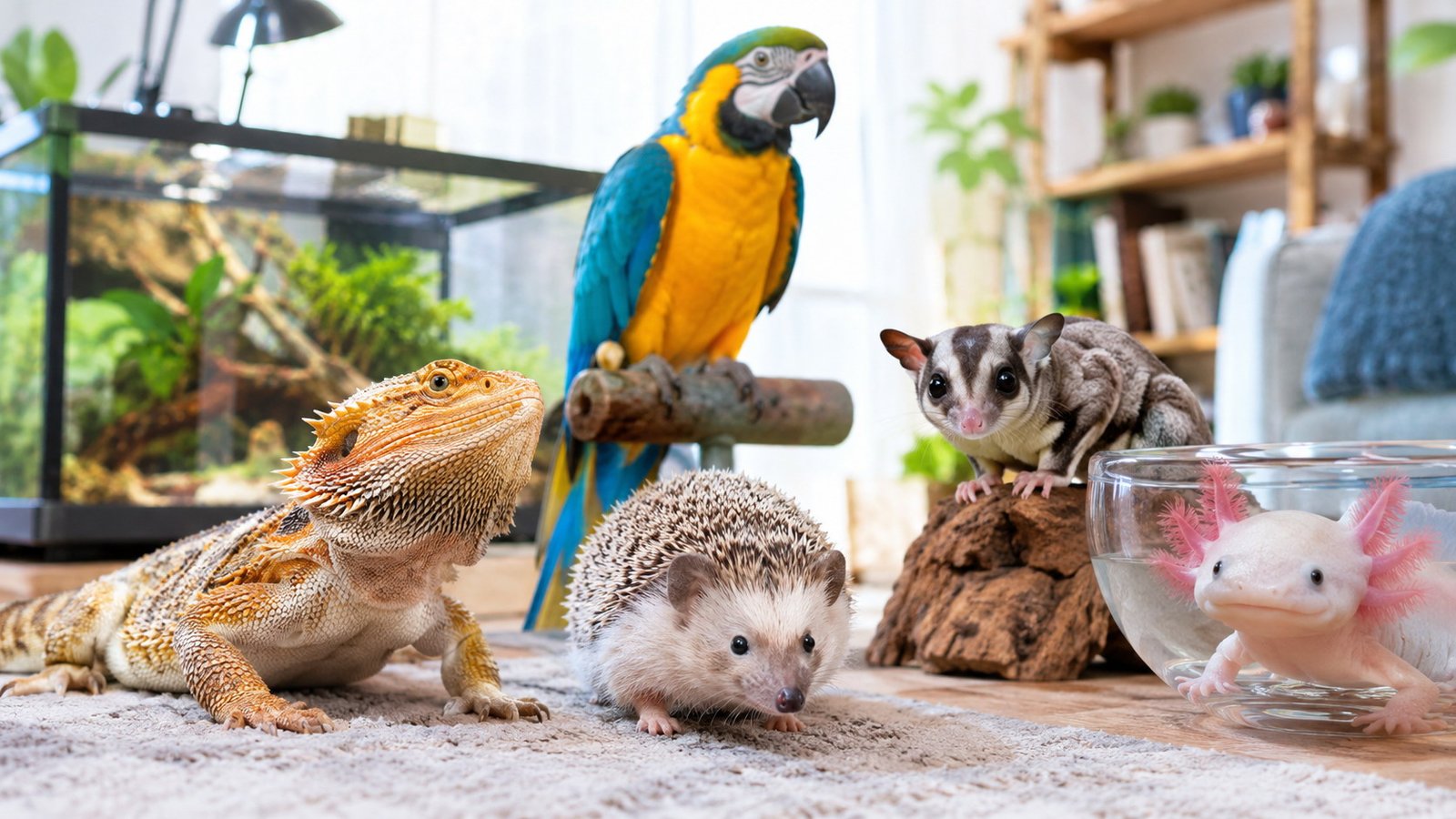
Popular exotic pets in 2027 include fascinating reptiles, colorful aquarium animals, intelligent birds, and unusual small mammals that offer unique experiences for animal lovers. From leopard geckos and bearded dragons to fancy rats and African Grey parrots, these animals have different personalities, care requirements, and long-term commitments that prospective owners should understand before bringing one home.
Interest in exotic pets continues to inspire people to explore animals beyond traditional cats and dogs. Some are attracted to unusual appearances, while others enjoy observing interesting behaviors, maintaining specialized habitats, or learning about less familiar species. However, an animal that looks adorable in a video may require far more time, money, and expertise than expected.
This guide explores 15 exotic pets worth learning about in 2027, including their basic care needs, approximate lifespans, housing requirements, and suitability for different owners. You will also discover how to compare costs, recognize common care mistakes, check ownership laws, and choose an animal whose needs you can responsibly meet.
In This Article
What Makes an Exotic Pet Popular in 2027?
Exotic pets appeal to people for many reasons, from their distinctive colors and unusual behaviors to the opportunity to create a carefully designed habitat. Unlike traditional companion animals, some exotic species allow owners to explore specialized interests such as reptile husbandry, aquascaping, or bird enrichment.
Popularity, however, does not automatically mean an animal is easy to care for. Responsible ownership starts with understanding the species rather than choosing one simply because it looks interesting.
Unique Appearance and Fascinating Behavior
Many exotic pets attract attention because of their unusual physical characteristics or natural behaviors. Leopard geckos have spotted patterns and expressive eyes, axolotls possess feathery external gills, and sugar gliders can glide between elevated surfaces.
Aquatic animals also offer plenty of visual interest. Colorful freshwater shrimp, small schooling fish, and carefully maintained planted aquariums can create engaging displays without requiring a conventional furry companion.
The important consideration is whether you enjoy meeting the animal’s needs, not just admiring its appearance. Some species are best observed rather than handled, while others require daily interaction or complex environmental enrichment.
Interest in Unusual Pets and Specialized Habitats
Online communities, educational videos, and pet-care creators introduce audiences to species they might never encounter in a traditional pet shop. Habitat-building content has also encouraged interest in terrariums, bioactive enclosures, and naturalistic aquariums.
These setups can be rewarding, but they require research. Temperature, humidity, ventilation, lighting, water quality, and enclosure dimensions must match the needs of the particular species.
For example, an arid habitat designed for a desert reptile would be unsuitable for an animal that needs consistently humid conditions. Similarly, an attractive aquarium is not necessarily appropriate for an aquatic species with strict temperature or water-quality requirements.
Are Exotic Pets Suitable for Beginners?
Some exotic animals can be suitable for prepared beginners, but no pet should be considered effortless. Even relatively manageable species need appropriate housing, a suitable diet, regular cleaning, and access to veterinary care.
Before choosing an exotic pet, consider these questions:
- Time: Can you provide daily feeding, cleaning, monitoring, and enrichment?
- Budget: Can you afford specialized equipment and unexpected veterinary expenses?
- Space: Is there enough room for a habitat that meets the animal’s adult needs?
- Experience: Are you willing to learn species-specific handling and husbandry?
- Longevity: Can you care for the animal throughout its expected lifespan?
- Legality: Is the species permitted where you live, and are permits or other documents required?
An animal that suits an experienced keeper may be a poor match for someone with limited time or resources. Choosing carefully helps prevent neglect, avoidable health problems, and the difficult situation of having to rehome a pet.
Responsible Sourcing Matters More Than Trends
The growing visibility of exotic animals can create demand for species that are difficult to keep well in captivity or are vulnerable to wildlife exploitation. Buying an animal without checking its origin can contribute to harmful or illegal trade.
Look for reputable, legally operating sources that can explain the animal’s origin, age, health history, and care requirements. Captive-bred animals may be a more responsible option for many species, although captive breeding alone does not guarantee good welfare or ethical sourcing.
International and local regulations can also restrict the ownership, sale, import, or transport of certain animals. The rules may be especially important for protected wildlife, parrots, and non-native species.
Never purchase an exotic pet before confirming that it is legal to own and that you can provide suitable long-term care.
15 Popular Exotic Pets in 2027 Worth Learning About
The following animals represent a variety of exotic-pet interests, from reptiles and small mammals to birds and aquatic species. They are not presented as a scientifically verified ranking of the most popular pets in 2027, because reliable popularity data can vary considerably by location.
Each species has distinct needs. Use the profiles below as a starting point for research rather than a substitute for a species-specific care plan.
Leopard Geckos: Small Reptiles With Big Personality
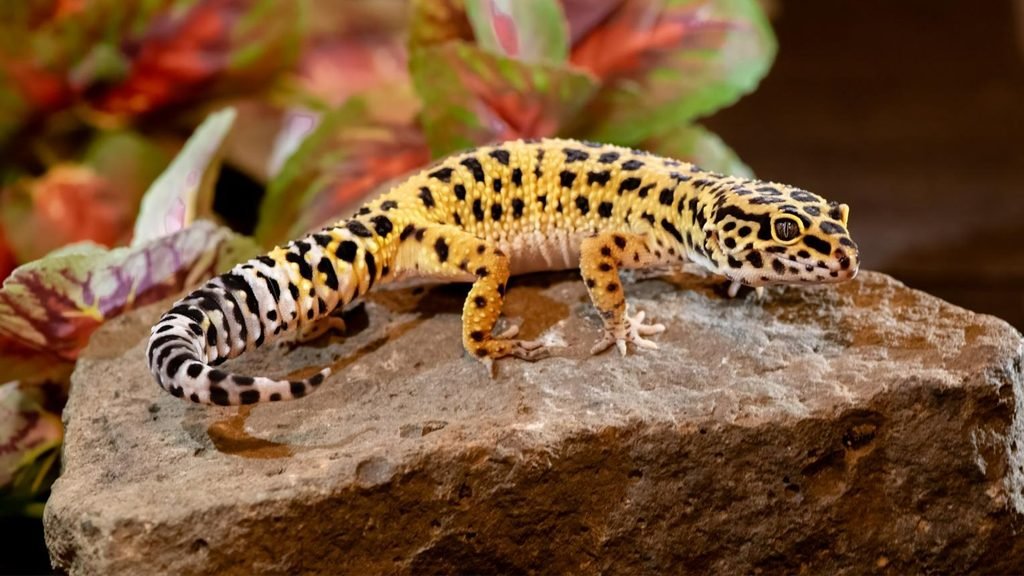
Leopard geckos are popular among reptile enthusiasts because of their attractive patterns, manageable adult size, and generally calm behavior when handled appropriately. Their spotted bodies and range of captive-bred color variations make them especially appealing to people interested in reptile keeping.
These geckos are terrestrial, meaning they spend much of their time on the ground rather than climbing high branches. A suitable enclosure should provide floor space, secure hiding places, appropriate heating, and a temperature gradient that allows the gecko to regulate its body temperature.
Essential care requirements:
- Housing: A secure, appropriately sized enclosure with warm and cool areas, multiple hides, and suitable substrate.
- Temperature and lighting: Carefully controlled heating, a temperature gradient, and appropriate lighting, including consideration of low-level UVB provision.
- Diet: A variety of appropriately sized live insects, with supplementation guided by a reliable care plan.
- Humidity: Generally moderate conditions with a properly managed humid hide to support shedding.
- Lifespan: Often around 10–20 years in captivity with good care, although individual lifespans vary.
Leopard geckos are insectivores, so their diet should not consist of fruit, vegetables, or generic commercial reptile food. Feeder insects also need appropriate nutrition before being offered to the gecko.
New owners should avoid excessive handling, particularly during the settling-in period. Never grab a gecko by its tail, because the tail can detach as a defense mechanism.
Best suited for: People interested in a relatively quiet reptile who are prepared to maintain suitable temperatures, provide live insects, and monitor health consistently.
Bearded Dragons: Interactive Lizards for Dedicated Keepers
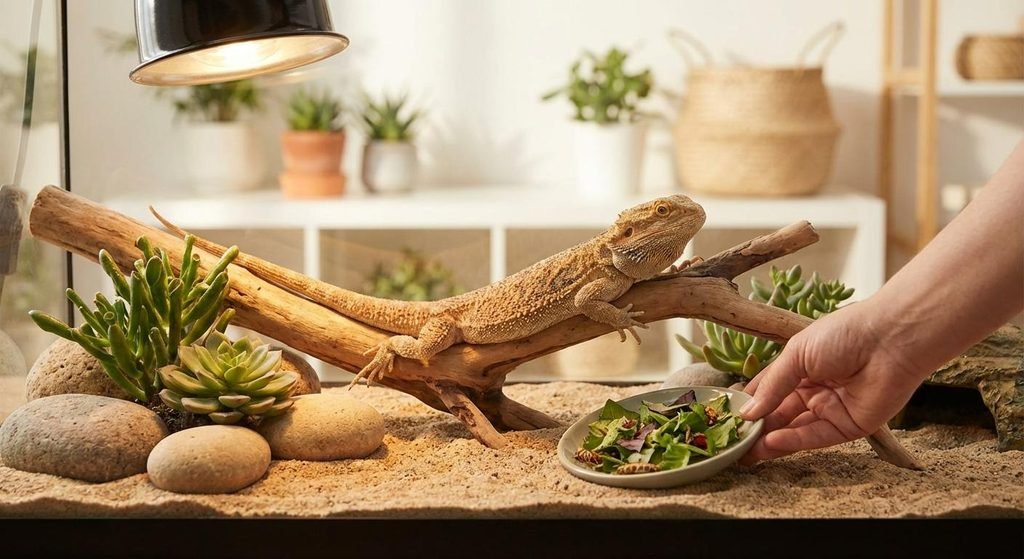
Bearded dragons are recognizable Australian lizards known for their broad heads, spiky appearance, and observable behaviors. Some become accustomed to gentle human interaction, making them appealing to owners who want a reptile they can observe closely and occasionally handle.
Despite their approachable appearance, bearded dragons need a carefully managed environment. Their requirements extend beyond a heat lamp and a food bowl.
Essential care requirements:
- Housing: A spacious enclosure that accommodates adult size, movement, basking, and exploration.
- Heat and UVB: A suitable basking area, a cooler retreat, and correctly installed UVB lighting to support normal calcium metabolism.
- Diet: A balanced combination of suitable leafy greens and vegetables, plus appropriately sized insects, adjusted for age and individual needs.
- Hydration: Access to appropriate water and monitoring for signs of dehydration.
- Lifespan: Commonly around 8–15 years in captivity, depending on genetics, husbandry, and veterinary care.
UVB provision deserves particular attention. Incorrect lighting, inadequate heating, or poor calcium management can contribute to metabolic bone disease and other serious health problems.
Bearded dragons also need regular habitat cleaning and enrichment. A bare enclosure with little opportunity to explore may not support their behavioral needs.
Best suited for: Owners willing to invest in appropriate lighting, heating, a spacious habitat, a varied diet, and routine veterinary monitoring.
Crested Geckos: Fascinating Climbers for Vertical Habitats
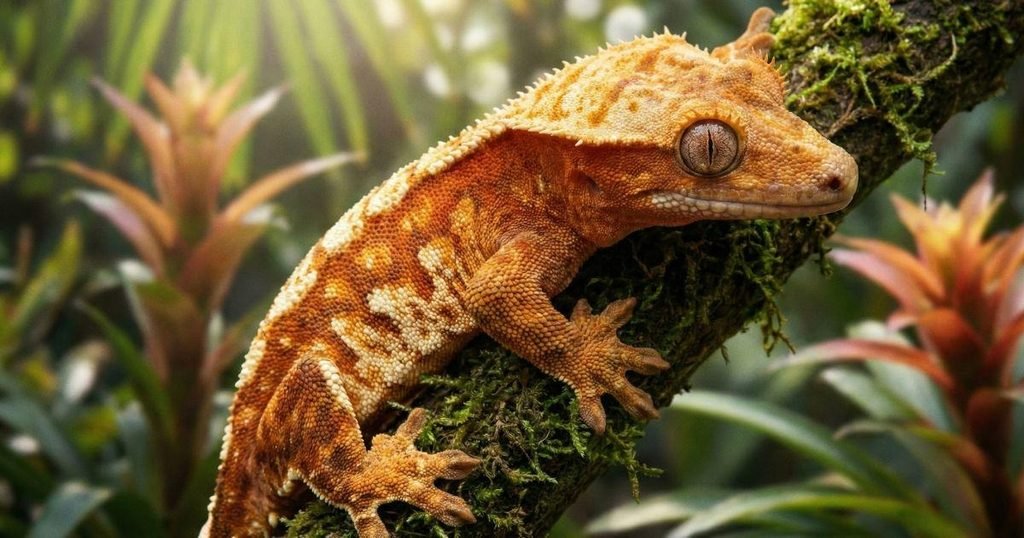
Crested geckos are attractive arboreal reptiles recognized by the raised ridges above their eyes and along the sides of their heads. Their climbing abilities and distinctive appearance make them a favorite among people who enjoy naturalistic terrariums.
Unlike leopard geckos, which spend much of their time on the ground, crested geckos need a habitat that emphasizes vertical space. Branches, sturdy foliage, climbing surfaces, and secure resting areas allow them to move around naturally.
Essential care requirements:
- Housing: A secure, well-ventilated vertical enclosure with climbing opportunities and hiding areas.
- Temperature: Stable, species-appropriate temperatures with protection from overheating.
- Humidity: Appropriate humidity cycles, with ventilation that prevents persistently damp conditions.
- Diet: A nutritionally complete commercial crested gecko diet, with suitable insects offered when appropriate.
- Lifespan: Often around 15–20 years in captivity, although individual outcomes vary.
Crested geckos are sensitive to excessive heat. An enclosure placed in direct sunlight can become dangerously hot, even when the room itself feels comfortable.
Humidity should not be managed by keeping the enclosure constantly wet. Appropriate misting, ventilation, and opportunities for the habitat to dry between humid periods help create healthier conditions.
These geckos can jump unexpectedly, so handling should take place close to a safe surface. Avoid grabbing the tail, which may be lost and generally does not regrow in the same way as a leopard gecko’s tail.
Best suited for: Owners who enjoy observing climbing reptiles and can maintain a suitable vertical habitat with stable environmental conditions.
How to Narrow Down Your Choices
The best exotic pet is not necessarily the rarest, smallest, or most visually striking animal. Compare each species’ adult requirements, lifespan, diet, veterinary availability, and legal status before deciding.
A useful next step is to choose two or three species from this list and research their complete care requirements. Speak with an experienced exotic-animal veterinarian or reputable specialist keeper before purchasing any animal, especially if you have never cared for that type of pet.
Ball Pythons: Gentle Snakes With Specialized Needs
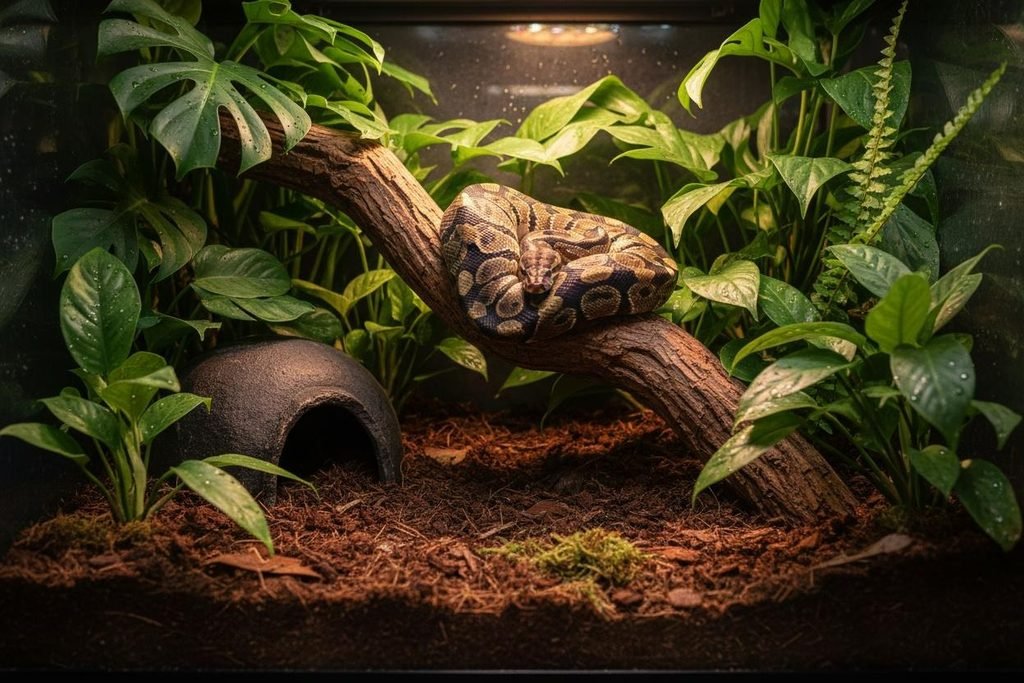
Ball pythons are popular exotic pets because of their striking patterns, relatively compact size compared with many other pythons, and generally calm temperament. Native to parts of West and Central Africa, these snakes are known for curling into a tight ball when they feel threatened.
Their reputation for being docile can make them appealing to new reptile enthusiasts. However, ball pythons still require specialized care, and their long lifespan makes them a significant commitment.
Essential care requirements:
- Housing: A secure enclosure with enough room to move, stretch out, and explore, along with multiple suitable hiding places.
- Temperature: A carefully managed thermal gradient with appropriate warm and cool areas.
- Humidity: Species-appropriate humidity, monitored with reliable equipment to support healthy shedding.
- Diet: Appropriately sized, nutritionally suitable prey offered according to the snake’s age, body condition, and feeding history.
- Lifespan: Often around 20–30 years or longer in captivity with good care.
Ball pythons are carnivores and generally eat appropriately sized rodents. Owners should learn safe prey-handling and feeding practices, store frozen prey correctly when used, and avoid feeding live rodents whenever possible because live prey can seriously injure a snake.
A ball python that refuses food occasionally is not necessarily sick, but repeated refusals, unexplained weight loss, abnormal breathing, or persistent shedding difficulties deserve veterinary attention. Young snakes, in particular, should be monitored carefully rather than assumed to be healthy simply because they appear calm.
Handling should be gentle and predictable. Give a new snake time to settle into its enclosure, avoid handling immediately after feeding, and support its body rather than restraining it unnecessarily.
Best suited for: Owners who are comfortable feeding rodents, monitoring enclosure conditions, and providing long-term care for a specialized reptile.
Corn Snakes: Colorful Snakes for Research-Based Beginners
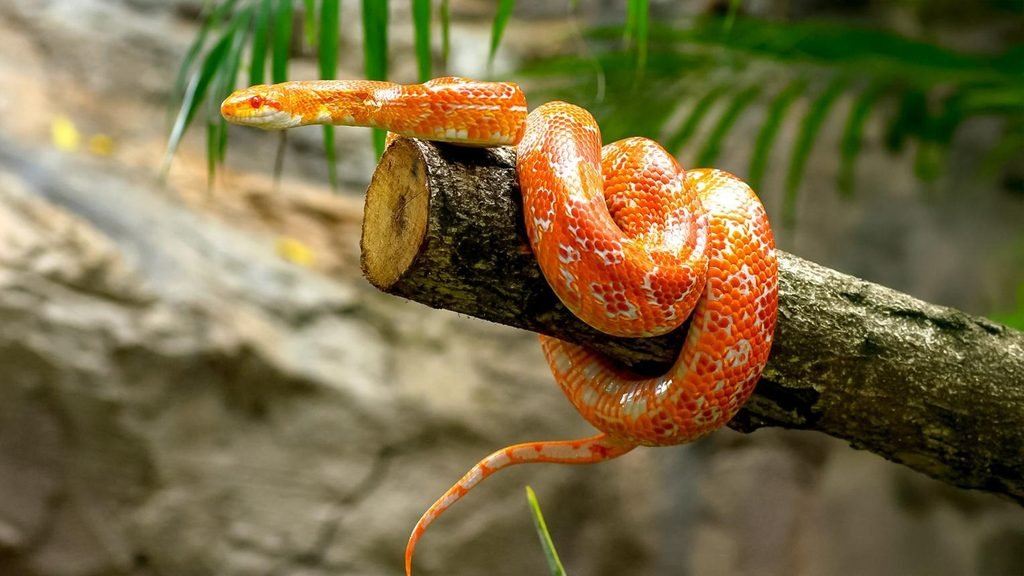
Corn snakes are attractive, slender snakes known for their orange, red, brown, and cream-colored patterns. Selective breeding has produced numerous color and pattern variations, making them especially interesting to reptile enthusiasts.
They are often considered a manageable choice for people beginning their reptile-keeping journey. Their needs are generally straightforward compared with those of some more demanding reptiles, but correct housing, feeding, and temperature management remain essential.
Essential care requirements:
- Housing: A secure, escape-resistant enclosure with sufficient room for movement, hiding places, and climbing opportunities.
- Temperature: A suitable thermal gradient that allows the snake to move between warmer and cooler areas.
- Humidity: Appropriate humidity and access to conditions that support normal shedding.
- Diet: Appropriately sized rodents, with feeding frequency adjusted to age, growth, and body condition.
- Lifespan: Commonly around 15–20 years or more in captivity.
Corn snakes are excellent escape artists. Their ability to squeeze through surprisingly small openings means that enclosure doors, ventilation gaps, and cable openings should be checked carefully.
Providing several secure hides can help the snake feel protected. A snake that spends much of its time hiding is not necessarily unhappy; concealment is a normal behavior that helps it feel safe.
Owners should also avoid excessive handling, particularly during the initial adjustment period. Wash your hands after handling the snake or cleaning its enclosure, and supervise any interaction with children.
Best suited for: Prepared beginners who want a relatively manageable snake and are comfortable providing rodents, maintaining suitable temperatures, and securing an enclosure properly.
Axolotls: Unusual Aquatic Pets With Specific Water Needs
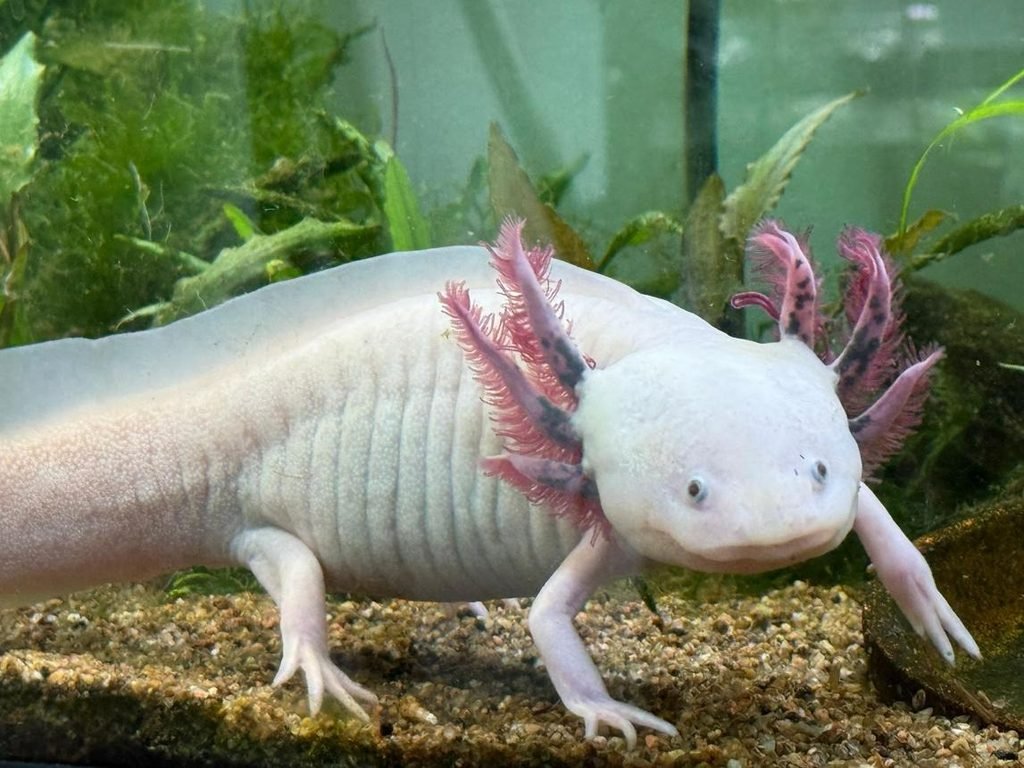
Axolotls are aquatic amphibians famous for their feathery external gills, broad heads, and distinctive appearance. Their unusual looks have made them popular among people who enjoy aquariums and less conventional companion animals.
Despite sometimes being described as easy aquatic pets, axolotls have demanding environmental requirements. Their health depends heavily on stable water quality, appropriate temperatures, and a properly established aquarium.
Essential care requirements:
- Housing: A suitably sized aquarium with adequate floor space, secure filtration, and places to retreat from bright light.
- Water quality: Fully cycled filtration and regular testing of ammonia, nitrite, nitrate, and other relevant water parameters.
- Temperature: Consistently cool, species-appropriate water. Axolotls generally need cooler conditions than typical tropical aquarium fish.
- Diet: Appropriate animal-based foods, such as suitable earthworms or formulated foods designed for axolotls, according to their size and nutritional needs.
- Lifespan: Often around 10–15 years in captivity, although individual lifespans vary.
Water quality should never be judged by appearance alone. Clear aquarium water can still contain harmful levels of ammonia or nitrite. A reliable test kit and an established biological filter are essential parts of responsible axolotl care.
Avoid keeping axolotls in warm tropical aquariums. Excessive temperatures can cause serious stress, and sudden temperature changes can also be harmful. Any cooling equipment should be selected carefully and monitored with a dependable thermometer.
Axolotls have delicate skin and external gills, so unnecessary handling should be avoided. Use appropriate aquarium equipment and safe transfer methods rather than touching the animal casually.
Their tank mates also require careful consideration. Fish may nip their gills, while axolotls may attempt to eat smaller aquatic animals. A species-appropriate setup without incompatible tank mates is generally the safer approach.
Best suited for: Aquarium enthusiasts who enjoy monitoring water chemistry and maintaining a cool, stable aquatic environment.
How to Choose an Exotic Pet That Fits Your Lifestyle
Selecting an exotic pet involves more than deciding which animal looks most appealing. A good match depends on your available time, living space, budget, experience, and ability to meet the animal’s needs throughout its life.
A species that thrives in one household may be completely unsuitable for another. Comparing practical requirements before bringing an animal home can help prevent costly mistakes and reduce the risk of rehoming.
Consider Your Daily Schedule Before Choosing a Species
Some exotic pets need relatively predictable feeding and habitat-maintenance routines, while others require substantial daily interaction, enrichment, or specialized monitoring.
Think about what a normal week looks like in your household.
- Busy schedules: Consider whether you can still complete daily feeding, cleaning, and environmental checks when work or family responsibilities increase.
- Nighttime activity: Hedgehogs, sugar gliders, and several other small mammals are primarily nocturnal. Their activity may not match your preferred schedule.
- Social needs: Some species need compatible companions or frequent social interaction, while others prefer a more solitary lifestyle.
- Travel: Arrange suitable care before leaving home. Not every pet sitter understands reptile heating systems, amphibian water requirements, or specialized diets.
- Children: Choose an animal whose handling needs and safety considerations can be managed by responsible adults.
Never choose an animal solely because it can be left alone for long periods. Even pets that need limited direct interaction require routine observation, environmental maintenance, and prompt attention when something goes wrong.
Match the Animal to Your Available Space
An animal’s small size does not automatically mean it needs little space. Some reptiles need large floor areas, arboreal species require vertical enclosures, and active mammals benefit from room to explore.
Aquatic pets also need adequate space for stable water conditions. Very small aquariums can experience rapid changes in temperature and water chemistry, making them difficult to maintain.
Before purchasing a pet, measure the available area and check the enclosure dimensions recommended for the animal as an adult. Remember to allow space for lighting, heating equipment, ventilation, safe access for cleaning, and any necessary filtration.
Consider the surrounding environment as well. Direct sunlight can overheat terrariums and aquariums, while drafts, household noise, and other pets may create stress.
Calculate the Full Cost of Exotic Pet Ownership
The initial purchase price is only one part of the expense. Equipment, food, electricity, habitat maintenance, and veterinary care can cost considerably more over the animal’s lifetime.
A responsible budget should include:
| Expense category | What to consider |
| Initial setup | Enclosure, aquarium, heating, lighting, filtration, hides, and furnishings |
| Food | Species-appropriate diets, feeder insects, rodents, or specialized food |
| Utilities | Electricity for heating, lighting, cooling, and filtration |
| Maintenance | Substrate, water treatments, cleaning supplies, and replacement equipment |
| Veterinary care | Routine examinations, diagnostic testing, and treatment |
| Emergency fund | Unexpected illness, injuries, and urgent specialist care |
Some exotic animals need equipment that operates continuously. A heating or filtration failure can quickly become dangerous, so reliable equipment and backup arrangements may be important.
If the proper enclosure and veterinary care are beyond your budget, postpone adoption rather than cutting essential care requirements.
Research Lifespan and Long-Term Commitment
Exotic pets can live much longer than prospective owners expect. Ball pythons may live for several decades, some parrots can require care across generations, and even small mammals can involve years of daily responsibility.
Think about potential changes in housing, employment, finances, and family circumstances. Consider who will care for the animal if you become ill or can no longer keep it.
You should also identify a veterinarian experienced with the particular species before acquiring the pet. A general veterinary clinic may not have the equipment or expertise required to treat every reptile, amphibian, bird, or exotic mammal.
Choose Ethical and Legal Sources
Responsible sourcing protects both individual animals and wild populations. Research the seller, ask about the animal’s history, and confirm any documentation required for legal ownership.
Before committing, check:
- Whether the species is legal to own in your location.
- Whether permits, registration, or import documents are necessary.
- Whether the animal was bred in captivity or collected from the wild.
- Whether the seller can explain its diet, age, health history, and previous housing.
- Whether qualified veterinary care is available nearby.
Avoid sellers who cannot explain an animal’s origin or who encourage immediate purchases without discussing its needs. Never release an unwanted exotic pet into the wild, because it may suffer, spread disease, or harm local ecosystems.
The best choice is an animal whose needs you understand and can meet consistently, even after the excitement of bringing home a new pet has faded. Research carefully, prepare its habitat in advance, and make a realistic care plan before making your final decision.
Freshwater Shrimp: Tiny Aquatic Animals With Striking Colors
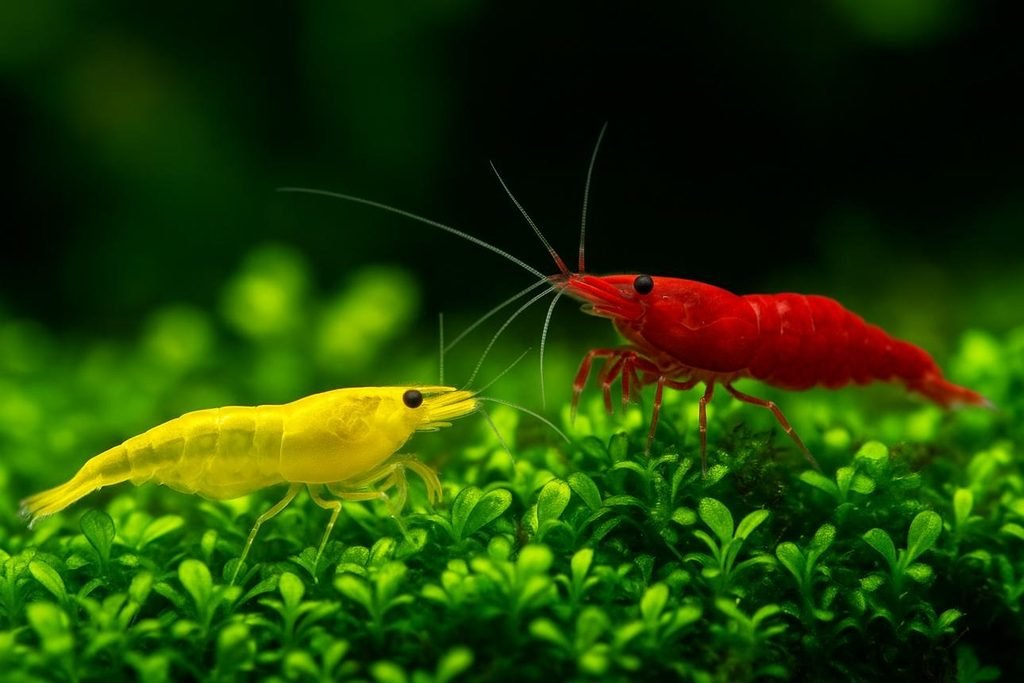
Freshwater shrimp have become an appealing choice for aquarium enthusiasts who enjoy observing small aquatic animals and creating detailed underwater environments. Their bright colors, delicate movements, and interesting feeding behaviors make them fascinating additions to suitable aquariums.
Popular varieties include red cherry shrimp, yellow Neocaridina shrimp, and other selectively bred color forms. These animals are small, but their care still requires attention to water chemistry, temperature, filtration, and tank stability.
Essential care requirements:
- Housing: A mature, appropriately sized aquarium with plants, hiding places, and surfaces where biofilm can develop.
- Water quality: Stable, species-appropriate water parameters, with regular testing for ammonia, nitrite, and nitrate.
- Diet: Suitable shrimp food supplemented by naturally occurring biofilm and algae, without excessive feeding.
- Filtration: Gentle, effective filtration with an intake protected against shrimp and baby shrimp being sucked in.
- Lifespan: Many commonly kept dwarf freshwater shrimp live around one to two years, depending on species and conditions.
Shrimp are sensitive to sudden environmental changes. Adding them directly to an aquarium with unstable water conditions can cause stress or death, even when the water appears clean.
A fully cycled aquarium is essential. Test the water before introducing shrimp, acclimate them carefully to the new conditions, and avoid sudden changes in temperature or mineral content.
Copper-containing treatments and certain aquarium medications can be harmful to invertebrates. Check product labels carefully before using any treatment in a shrimp aquarium.
Feeding is another area where restraint matters. Uneaten food can break down and damage water quality, so offer small amounts and remove leftovers when necessary.
Best suited for: Aquarium hobbyists who enjoy maintaining stable water conditions and observing small aquatic animals rather than handling them.
African Pygmy Hedgehogs: Solitary Small Mammals
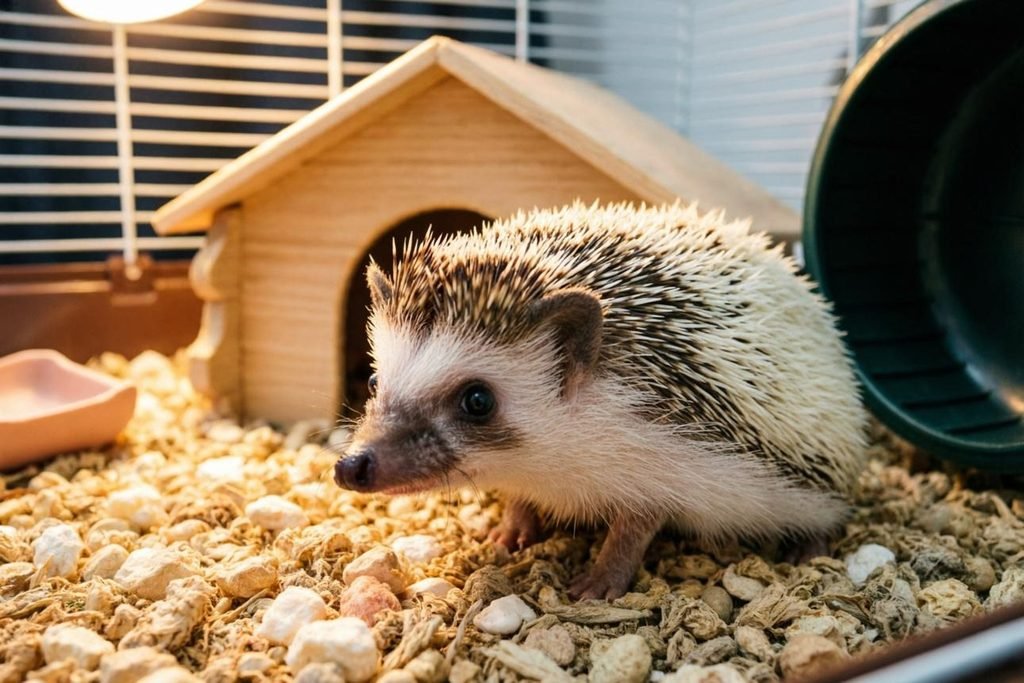
African pygmy hedgehogs are small mammals known for their distinctive spines, pointed snouts, and ability to curl into a protective ball. Their unusual appearance attracts people who want something different from a conventional small pet.
Hedgehogs are primarily nocturnal, meaning they are generally more active during the evening and night. Owners who expect a playful animal during the day may find their natural schedule challenging.
Essential care requirements:
- Housing: A spacious, secure enclosure with appropriate flooring, hiding areas, and room to explore.
- Temperature: A stable, species-appropriate environment that prevents dangerous chilling or overheating.
- Diet: A nutritionally balanced hedgehog diet or veterinarian-approved alternative, with suitable supplementary foods when appropriate.
- Exercise: A solid-surface exercise wheel of suitable size and opportunities for supervised exploration.
- Lifespan: Commonly around three to six years in captivity, although individual lifespans vary.
Temperature management is particularly important. African pygmy hedgehogs can develop serious health problems when exposed to temperatures outside their appropriate range. Owners should monitor the enclosure with a reliable thermometer rather than relying on how warm the room feels.
Hedgehogs also need regular cleaning and observation. Changes in appetite, weight, walking ability, or activity can signal a health problem. Because hedgehogs often hide signs of illness, unusual behavior should not be dismissed.
Gentle, patient handling can help a hedgehog become more comfortable around people, but individual temperaments differ. Some remain shy, especially when disturbed during their normal sleeping hours.
Hygiene matters as well. Wash your hands after handling a hedgehog or cleaning its enclosure, and supervise interactions with children. Hedgehogs can carry germs, including Salmonella, even when they appear healthy.
Before acquiring one, check local ownership restrictions and locate a veterinarian familiar with hedgehogs. Their specialized needs make access to appropriate veterinary care essential.
Best suited for: People who enjoy observing a nocturnal animal and can provide stable temperatures, suitable exercise, careful hygiene, and specialized veterinary care.
Sugar Gliders: Social Marsupials With Demanding Care Needs
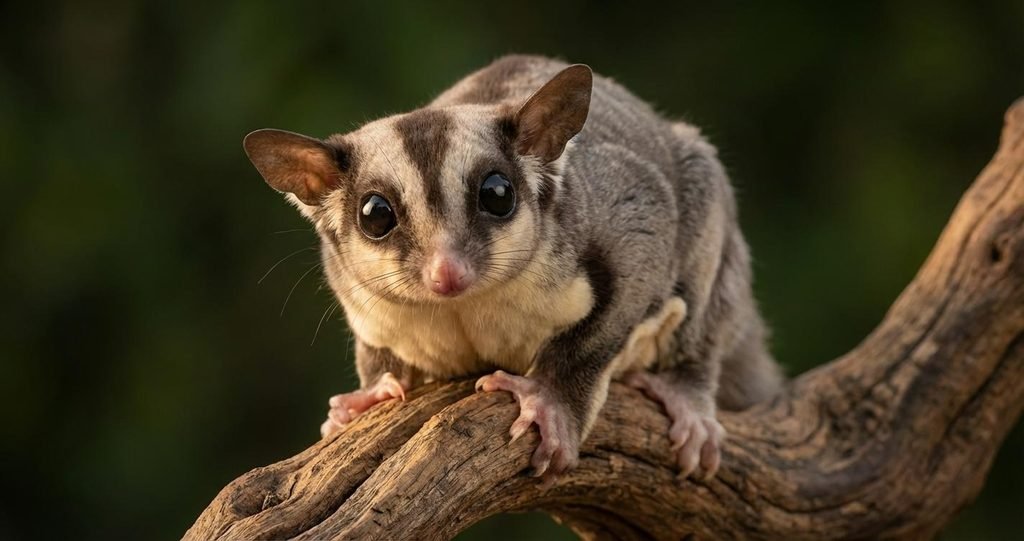
Sugar gliders are small marsupials native to Australia and parts of the surrounding region. Their large eyes, soft fur, and gliding membrane between their limbs give them a distinctive appearance.
These animals can glide between elevated surfaces, climb actively, and form social bonds. Their engaging behavior makes them attractive to exotic-pet enthusiasts, but their needs are considerably more demanding than their size might suggest.
Essential care requirements:
- Housing: A large, secure, vertically oriented enclosure with climbing branches, resting areas, and opportunities for movement.
- Social interaction: Appropriate companionship and daily enrichment, with careful attention to compatibility and individual needs.
- Diet: A carefully formulated, nutritionally balanced diet designed for sugar gliders.
- Activity: Opportunities for climbing, exploring, foraging, and other natural behaviors, particularly during evening and nighttime hours.
- Lifespan: Often around 10–15 years in captivity, depending on care and individual health.
Sugar gliders are highly social animals. Keeping one alone without sufficient social contact can contribute to stress and behavioral problems. However, introducing another glider also requires planning, gradual introductions, and suitable housing.
Nutrition is one of the biggest challenges. Sugar gliders need a balanced feeding plan that supplies appropriate amounts of protein, calcium, vitamins, and other nutrients. Fruit alone, or a diet based largely on sweet treats, is not nutritionally adequate.
Their nighttime activity can also conflict with a household’s sleeping schedule. Vocalizations, climbing, and movement may be noticeable when the home is otherwise quiet.
Important consideration: Sugar gliders are generally not recommended for first-time exotic-pet owners. Their complex social, dietary, and environmental needs require substantial preparation and access to knowledgeable veterinary care.
Before considering one, confirm that ownership is legal in your area and investigate the availability of suitable food, experienced veterinarians, and reputable sources. Never acquire a sugar glider solely because it appears affectionate in online videos.
Best suited for: Experienced, well-prepared keepers who understand the species’ social needs and can commit to specialized care over many years.
How Much Does It Cost to Own an Exotic Pet in 2027?
The cost of owning an exotic pet in 2027 depends on the species, local availability, habitat requirements, food prices, and access to veterinary services. A small animal may have a modest purchase price but require expensive equipment, while a larger or more specialized species may create significant ongoing costs.
The most useful way to budget is to separate the initial setup expense from recurring care and emergency costs. Buying the animal is only the beginning of the financial commitment.
Initial Setup Costs: Prepare the Habitat Before Buying
The enclosure and its equipment can represent a substantial part of the first-year budget. A properly prepared habitat should meet the animal’s needs from the day it arrives.
| Pet type | Important initial expenses |
| Leopard gecko | Secure terrarium, heating, temperature controls, hides, substrate, and lighting |
| Bearded dragon | Large enclosure, UVB lighting, basking equipment, temperature controls, and furnishings |
| Crested gecko | Vertical enclosure, branches, foliage, hides, and humidity-monitoring equipment |
| Ball python or corn snake | Secure enclosure, thermostat-controlled heating, hides, substrate, and monitoring tools |
| Axolotl | Suitable aquarium, established filtration, water testing supplies, and temperature management |
| Freshwater shrimp | Aquarium, filtration, aquatic plants, water testing, and appropriate lighting |
| Hedgehog | Secure enclosure, exercise wheel, hides, bedding, and temperature monitoring |
| Sugar glider | Large climbing enclosure, sleeping areas, enrichment equipment, and suitable feeding supplies |
Prices vary considerably by country and supplier, so it is better to obtain local estimates than rely on a universal price list.
Avoid buying a small starter enclosure with the intention of upgrading much later. If the setup cannot meet the animal’s current needs, delay acquisition until the correct equipment is available.
Monthly Expenses: Food, Electricity, and Maintenance
Recurring expenses vary according to the animal’s diet and environmental requirements. A reptile that needs controlled heating and UVB lighting has different running costs from a shrimp aquarium or a small mammal.
Common ongoing expenses include:
- Food: Live insects, rodents, specialized diets, vegetables, or other species-appropriate foods.
- Electricity: Heating lamps, thermostats, UVB lighting, filtration, and aquarium cooling equipment.
- Cleaning supplies: Substrate, disinfectants suitable for the habitat, water treatments, and replacement filters.
- Habitat upkeep: Replacement bulbs, damaged furnishings, enrichment items, and worn equipment.
- Routine veterinary care: Preventive examinations, health assessments, and diagnostic testing when recommended.
Unexpected costs should also be considered. A broken thermostat can put a reptile at risk, while a filtration failure can quickly affect aquarium water quality. Having a plan for equipment failure can be just as important as budgeting for food.
Veterinary Care and Emergency Savings
Exotic-animal veterinary care can be more expensive or harder to access than routine care for common companion animals. Some species require specialized diagnostic equipment, specific medications, or veterinarians with additional training.
Before purchasing an animal, contact a suitable veterinary clinic to ask about routine examination fees and emergency arrangements. Check whether the clinic treats your exact species rather than assuming every veterinarian can provide appropriate care.
Set aside money for unexpected illness, injury, or equipment replacement. Pet insurance may be available for some exotic species, but coverage varies, so read exclusions and eligibility requirements carefully.
Never reduce essential food, enclosure space, heating, lighting, or veterinary care simply to make an exotic pet fit your budget. Waiting until you can afford the correct setup is a more responsible decision than compromising the animal’s welfare.
How to Avoid Overspending Without Compromising Animal Welfare
Saving money is possible when you prioritize essentials and research purchases carefully.
- Compare equipment prices while checking that products meet the species’ actual requirements.
- Choose reliable temperature controllers and monitoring devices rather than unverified substitutes.
- Buy suitable supplies in sensible quantities to avoid waste or spoilage.
- Learn basic habitat maintenance so that routine cleaning and monitoring are done correctly.
- Ask an experienced exotic-animal veterinarian or reputable specialist keeper to review your planned setup before acquisition.
Used equipment can sometimes be appropriate, provided it is safe, functional, easy to clean, and correctly sized. Items such as cracked enclosures, unreliable heating devices, and equipment with unknown electrical safety should be avoided.
Remember that the cheapest initial setup is not always the most economical over time. Reliable equipment, appropriate nutrition, and preventive veterinary care can help reduce avoidable problems.
Make a realistic lifetime budget before choosing your pet. Responsible ownership means being prepared not only for the exciting first day but also for the ordinary expenses and unexpected challenges that follow.
Exotic Pet Myths vs. Facts: What New Owners Often Get Wrong
Exotic pets can be rewarding companions, but misunderstandings about their needs can lead to preventable health problems and poor living conditions. Learning the difference between popular assumptions and responsible care practices helps owners make better decisions before bringing an unusual animal home.
Myth: Small Exotic Pets Need Only Small Enclosures
Fact: An animal’s size does not determine its entire space requirement.
Small reptiles may need room for temperature gradients, hiding places, and natural movement. Arboreal geckos benefit from vertical climbing space, while sugar gliders need substantial opportunities to climb and glide safely.
Aquatic animals also need suitable space to maintain stable water quality. Overcrowded or undersized aquariums can experience rapid changes in water chemistry that threaten their inhabitants.
Choose an enclosure based on the animal’s adult size, activity level, social needs, and environmental requirements rather than its size at the time of purchase.
Myth: Reptiles Do Not Need Much Attention
Fact: Reptiles may not require the same type of social interaction as dogs or cats, but their environmental needs can be demanding.
Owners must monitor temperatures, humidity, lighting, feeding, shedding, and behavior. A malfunctioning thermostat or inadequate UVB lighting can cause serious health problems without obvious early warning signs.
Daily observation helps you notice changes before they become severe. Check equipment regularly and maintain records of feeding, weight, and habitat conditions when appropriate.
Myth: Every Exotic Pet Enjoys Being Handled
Fact: Many exotic animals are better suited to observation than frequent physical contact.
Some reptiles tolerate gentle handling after becoming accustomed to their surroundings, but tolerance varies between individuals. Axolotls have delicate skin and external gills, while hedgehogs may curl up defensively when frightened.
Birds and small mammals also have individual temperaments. An animal that approaches a person does not necessarily want to be picked up.
Learn the species’ natural behavior and recognize signs of stress, such as defensive postures, repeated escape attempts, unusual vocalizations, or sudden changes in activity.
Never force handling simply because you want a more interactive pet. Respecting an animal’s boundaries is an important part of responsible ownership.
Myth: Captive-Bred and Wild-Caught Animals Are Interchangeable
Fact: An animal’s origin can affect its welfare, conservation implications, health history, and legal status.
Wild-caught animals may experience significant stress during capture and transport. Removing animals from the wild can also contribute to declining populations, especially when demand is high or species are vulnerable.
Captive-bred animals may be a more responsible choice for many species, but their origin and health still need to be verified. Poor breeding practices can also create welfare concerns.
Ask sellers for reliable documentation, information about the animal’s history, and details about its care before purchase.
Myth: An Exotic Pet Is Legal If a Pet Shop Sells It
Fact: Commercial availability does not guarantee that a species can legally be owned everywhere.
Some animals are subject to restrictions involving protected wildlife, international trade, imports, permits, or local public-safety regulations.
Rules can also change, and different requirements may apply to keeping, breeding, selling, or transporting an animal.
Confirm the applicable regulations before making a purchase. Responsible ownership requires both suitable care and compliance with the law.
Are Exotic Pets Legal in 2027? Rules to Check Before Adoption
The legality of exotic pets depends on the species, the animal’s origin, and the location where it will be kept. Some species are widely permitted, while others require permits or are restricted because of conservation, animal welfare, or public-safety concerns.
Anyone considering an exotic pet in 2027 should check current requirements before paying a seller or arranging transport.
Check National and Local Regulations
Begin by identifying the animal’s exact scientific name. Common names can refer to several different species, and their legal status may differ.
Check whether ownership requires:
- A permit, registration, or other authorization.
- Documentation proving legal acquisition or captive breeding.
- Import or transport permits.
- Compliance with protected-species or wildlife-trade restrictions.
- Special housing or public-safety measures.
International trade in certain wildlife is regulated under the Convention on International Trade in Endangered Species of Wild Fauna and Flora (CITES). However, CITES documentation does not automatically authorize private ownership in every jurisdiction.
What Should Prospective Owners in Indonesia Know?
People considering exotic pets in Indonesia should verify the current rules with the relevant wildlife and conservation authorities. Depending on the species, restrictions may involve protected wildlife regulations, trade documentation, permits, or rules governing the movement of animals.
Do not assume that an animal is legal simply because it is advertised online or sold in a local market. Ask for the scientific name, origin, and required documents, then confirm the information with the appropriate authority.
For broader information about international wildlife-trade requirements, visit the official CITES website.
Why Ethical Sourcing Matters
Legal compliance is only one part of responsible acquisition. Prospective owners should also consider whether an animal has been bred or collected responsibly and whether its needs can be met in captivity.
Before buying, ask the seller:
- Where did the animal come from?
- Is there documentation supporting its legal origin?
- What food is it currently eating?
- Has it received veterinary care when needed?
- What habitat conditions has it been kept in?
- Can the seller provide reliable, species-specific care information?
Avoid sellers who cannot answer basic questions or who pressure buyers to make immediate decisions.
If you cannot verify the animal’s origin or legal status, do not purchase it. Choosing a different species may be the most responsible option.
Health Warning Signs Exotic Pet Owners Should Never Ignore
Exotic animals often hide signs of illness because appearing weak can make them more vulnerable in the wild. As a result, a noticeable change in behavior or appearance may indicate a problem that has already been developing.
Learning what is normal for your particular pet makes it easier to identify concerning changes early.
General Warning Signs Across Exotic Pets
Contact a veterinarian experienced with the species if you notice:
- Sudden loss of appetite or persistent refusal to eat.
- Unexplained weight loss or a noticeable change in body condition.
- Unusual lethargy, weakness, or reduced movement.
- Abnormal breathing, discharge, swelling, or visible injuries.
- Changes in droppings or urination.
- Difficulty moving, maintaining balance, or using the limbs.
- Repeated abnormal behavior or a significant change from the animal’s usual routine.
Not every change indicates a serious illness, but persistent or worsening symptoms should not be ignored.
Warning Signs in Reptiles
Reptiles may show signs of health problems through changes in shedding, movement, feeding, or body condition.
Potential concerns include retained shed that constricts toes or the tail, persistent abnormal posture, mouth swelling, unexplained weight loss, and difficulty breathing.
Improper heating, inadequate UVB exposure in species that need it, poor nutrition, and unsuitable humidity can contribute to illness. Environmental problems should be corrected with appropriate guidance, but correcting the habitat alone may not resolve an established medical condition.
Warning Signs in Fish and Aquatic Animals
Aquatic animals can become ill when water conditions deteriorate or when infections and other health problems develop.
Watch for:
- Gasping at the surface or unusually rapid gill movement.
- Erratic swimming, loss of balance, or inability to remain upright.
- Sudden changes in appetite or activity.
- Unusual spots, lesions, swelling, or damaged fins.
- Multiple animals becoming ill within a short period.
Test the water promptly if an aquarium animal shows signs of distress. Ammonia, nitrite, temperature changes, and oxygen problems can be particularly dangerous.
Avoid making sudden, drastic changes to water chemistry without understanding the problem. If several animals become ill or die unexpectedly, seek advice from an aquatic veterinarian or qualified specialist.
When Should You See a Veterinarian?
Seek urgent veterinary care for breathing difficulties, collapse, severe injuries, seizures, major bleeding, or other signs of acute distress. Do not wait for symptoms to disappear on their own.
For less dramatic but persistent changes, arrange a prompt examination rather than relying on online advice or unverified home remedies.
Identify an appropriate veterinary clinic before acquiring an exotic pet. Keep its contact details available and ask about emergency arrangements, because not every clinic treats reptiles, amphibians, birds, or small exotic mammals.
Preventive examinations can also help establish a baseline for your pet’s health and identify husbandry problems before they become more serious.
Expert Tips for Responsible Exotic Pet Ownership
Successful exotic-pet ownership begins with preparation and continues through consistent daily care. Even experienced animal lovers need to learn the specific requirements of a new species before bringing it home.
The following practices can help support your pet’s health and well-being.
Research the Exact Species
General advice about reptiles, birds, or small mammals is not enough. Two species that look similar may have very different diets, temperature requirements, activity patterns, and housing needs.
Read reliable species-specific care information and consult an experienced exotic-animal veterinarian when important details are unclear.
Set Up and Test the Habitat First
Prepare the enclosure before bringing the animal home. Check temperatures, lighting, humidity, ventilation, filtration, and security as appropriate for the species.
For aquariums, establish the nitrogen cycle before introducing animals. For reptiles, verify that heating equipment and thermostats maintain suitable temperatures in the correct locations.
Never use the arrival of a new pet as the time to experiment with essential habitat equipment.
Keep a Simple Care Record
A basic record can help you recognize changes and communicate useful information to your veterinarian.
Consider tracking:
- Feeding schedules and appetite.
- Body weight when appropriate.
- Temperature and humidity readings.
- Water quality for aquatic animals.
- Shedding, behavior, and activity.
- Veterinary visits, medications, and other treatments.
Record-keeping does not need to be complicated. A notebook or spreadsheet is often enough to reveal patterns that are easy to overlook during everyday care.
Provide Enrichment and Respect Natural Behavior
Exotic pets need opportunities to perform behaviors appropriate to their species. Examples include climbing, hiding, foraging, exploring, swimming, and interacting with compatible companions.
Enrichment should be safe and suitable for the animal. Avoid objects that can trap limbs, cause injuries, be swallowed, or expose the pet to harmful materials.
Allow animals to retreat when they need privacy, and do not force social interaction for entertainment.
Prepare for Holidays and Emergencies
Identify a reliable caregiver who understands your pet’s needs. Leave written feeding instructions, equipment settings, emergency contacts, and details about the veterinary clinic.
Plan for power outages and equipment failures when relevant. Backup heating, cooling, aeration, or filtration arrangements may be particularly important for species that depend on tightly controlled environmental conditions.
Continue Learning After Adoption
Animal-care recommendations can change as new evidence becomes available. Keep up with credible veterinary guidance and review your pet’s needs as it grows or its health changes.
For additional pet-care information, explore related MyPetInfoo guides on nutrition, habitat maintenance, and preventive health care. Species-specific guidance is especially useful when you are caring for an animal with unusual dietary or environmental needs.
Frequently Asked Questions About Popular Exotic Pets in 2027
What is the most popular exotic pet in 2027?
There is no single verified worldwide ranking that establishes the most popular exotic pet in 2027. Interest varies by location and community, with reptiles, ornamental freshwater animals, small mammals, and birds attracting different groups of enthusiasts. Choose according to your ability to provide appropriate care rather than popularity alone.
What is the easiest exotic pet to care for?
Some prepared beginners may find species such as leopard geckos, crested geckos, or fancy rats manageable after researching their needs. However, none is maintenance-free. Housing, nutrition, cleaning, health monitoring, and veterinary access must all be considered before choosing.
Which exotic pets are suitable for small homes?
Certain small reptiles and carefully selected aquarium species may fit into smaller homes when provided with appropriate habitats. However, enclosure requirements should determine your choice, not the amount of floor space an animal occupies. Always check adult housing needs before adoption.
Are exotic pets expensive to maintain?
Costs vary by species. Initial equipment, specialized food, electricity, routine veterinary care, and emergency treatment can add up over time. Aquarium animals may require testing and filtration equipment, while some reptiles need specialized heating and lighting. Prepare a realistic budget before purchasing a pet.
Can exotic pets be kept safely around children?
Some exotic pets can live in households with children when responsible adults manage their care and supervise appropriate interactions. However, many species are fragile, do not enjoy handling, or can carry germs that cause illness. Teach children proper hygiene and never leave young children unsupervised with an animal.
Is it ethical to keep exotic animals as pets?
Ethical ownership depends on the species, its origin, its welfare needs, and whether those needs can be met in captivity. Responsible keepers prioritize suitable housing, nutrition, veterinary care, and legal sourcing. Some wild animals have needs that make private ownership inappropriate, even when they are legally available.
Are exotic pets legal in Indonesia?
The answer depends on the exact species and the applicable regulations. Some animals may be legally kept under certain conditions, while protected wildlife or other restricted species may require authorization or be prohibited. Verify current requirements with the relevant Indonesian authorities before acquiring an animal.
How can I find a veterinarian for an exotic pet?
Contact veterinary clinics before purchasing the animal and ask whether they regularly treat your specific species. For uncommon animals, seek referrals from veterinary professionals or reputable specialist organizations. Confirm that emergency care is available, since not every general veterinary practice has the equipment or experience needed.
Can I release an unwanted exotic pet into the wild?
No. Releasing a captive animal can expose it to starvation, predators, disease, and unsuitable environmental conditions. It may also spread disease or harm native wildlife. If you can no longer provide care, contact a qualified rescue organization, reputable rehoming service, or relevant wildlife authority for safe options.
Choosing among the popular exotic pets in 2027 can be an exciting experience, but the best decision is one based on preparation, realistic expectations, and respect for the animal’s natural needs. Take time to compare species, confirm local laws, prepare the correct habitat, and locate a suitable veterinarian before bringing a new companion home.
Ready to choose your next pet? Start by researching two or three species that match your lifestyle, compare their lifetime care requirements, and make sure you can provide everything they need to thrive. Explore more responsible pet-care guides on MyPetInfoo.com to help you make an informed decision and give your future companion the healthiest life possible.