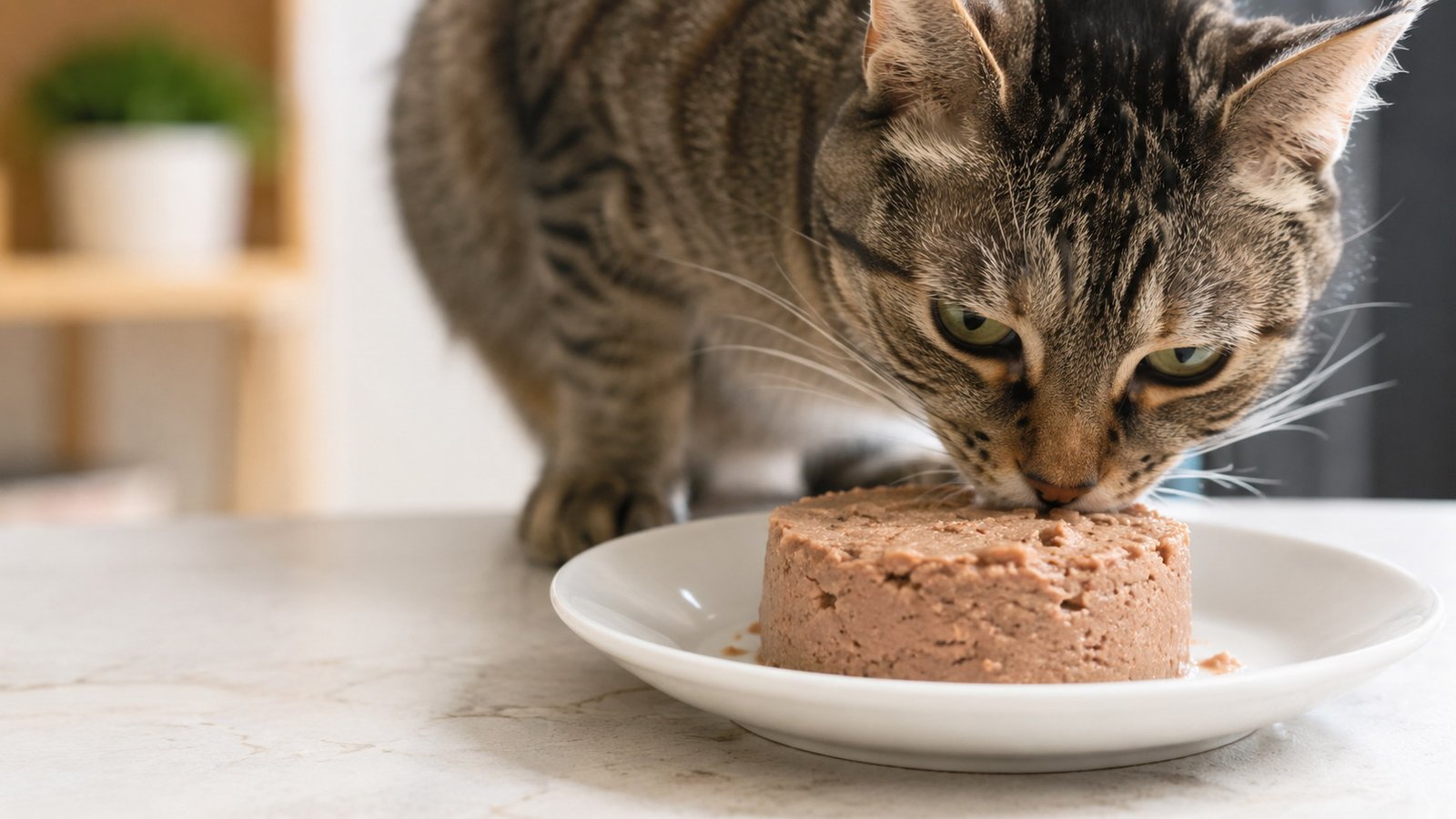
Many cat owners search for a wet food that combines high animal protein, moisture-rich nutrition, and simple ingredients without grains or artificial fillers. Organix Chicken Dinner Grain-Free Pâté Wet Cat Food is one of the products often considered for cats that need a soft, protein-focused diet.
This guide explains what the food is, how it works nutritionally, its ingredients, benefits, drawbacks, feeding considerations, and whether it may be a good fit for your cat.
In This Article
What Is Organix Chicken Dinner Grain-Free Pâté Wet Cat Food?
Organix Chicken Dinner Grain-Free Pâté Wet Cat Food is a canned cat food formulated with chicken as the primary protein source. It is designed to provide complete and balanced nutrition while avoiding grains such as corn, wheat, and soy.
The pâté texture creates a smooth, soft consistency that many cats find easy to eat, especially:
- Senior cats
- Cats with dental issues
- Picky eaters
- Cats transitioning from dry food
- Cats needing increased moisture intake
This type of wet cat food focuses on animal-based ingredients and hydration while limiting fillers commonly found in lower-quality foods.
Quick Answer: Is Organix Chicken Dinner Grain-Free Pâté Good for Cats?
For many healthy adult cats, Organix Chicken Dinner Grain-Free Pâté can be a solid wet food option because it typically offers:
- High moisture content
- Real chicken as a primary ingredient
- Grain-free formulation
- Moderate-to-high animal protein
- Soft texture that is easy to chew
However, whether it is the “best” choice depends on your cat’s:
- Age
- Activity level
- Health conditions
- Food sensitivities
- Calorie needs
- Personal taste preferences
Cats with special medical conditions should always be fed according to veterinary guidance.
Why Wet Cat Food Matters
Wet cat food plays an important role in feline nutrition because cats naturally have a low thirst drive. In the wild, cats obtain much of their water from prey.
A moisture-rich diet may help support:
- Urinary tract health
- Kidney function
- Hydration
- Digestion
- Weight management
Many indoor cats consuming only dry kibble may not drink enough water daily.
Benefits of Wet Food Compared to Dry Food
| Feature | Wet Cat Food | Dry Cat Food |
| Moisture content | High | Low |
| Texture | Soft | Crunchy |
| Protein concentration | Often higher | Varies |
| Carbohydrates | Usually lower | Often higher |
| Hydration support | Excellent | Limited |
| Shelf life after opening | Short | Longer |
Organix Chicken Dinner Grain-Free Pâté fits into the moisture-rich category that many veterinarians recommend as part of a balanced feline diet.
Main Ingredients Explained
Ingredient lists can look complicated, but understanding the major components helps cat owners evaluate food quality more confidently.
Chicken
Chicken is typically the main ingredient and primary protein source.
Benefits include:
- Essential amino acids
- Muscle maintenance
- Energy support
- Palatability for most cats
Cats are obligate carnivores, meaning they require nutrients primarily found in animal tissue.
Chicken Broth
Chicken broth contributes:
- Moisture
- Flavor
- Softer texture
It also helps make pâté-style foods easier to digest and more appealing.
Liver
Animal liver is nutrient-dense and commonly included in wet cat foods because it contains:
- Vitamin A
- Iron
- B vitamins
- Trace minerals
Added Vitamins and Minerals
Complete and balanced cat foods include supplemental nutrients to meet feline dietary requirements.
These may include:
- Taurine
- Zinc
- Vitamin E
- Niacin
- Calcium
- Omega fatty acids
Taurine: One of the Most Important Nutrients for Cats
Cats cannot produce enough taurine on their own.
Taurine supports:
- Heart health
- Vision
- Reproductive health
- Nervous system function
Any complete commercial cat food should contain adequate taurine levels.
What Does “Grain-Free” Mean?
A grain-free cat food excludes ingredients such as:
- Wheat
- Corn
- Rice
- Barley
- Oats
Instead, the recipe may use other binders or carbohydrate sources.
Is Grain-Free Better for Cats?
Not always.
Many healthy cats digest grains perfectly well. Grain-free diets are most useful when:
- A cat has a suspected grain sensitivity
- Owners want lower carbohydrate formulas
- The recipe emphasizes more animal protein
The quality of the overall formula matters more than simply being grain-free.
Pâté Texture vs Other Wet Food Textures
Pâté has a smooth, uniform consistency without chunks or shreds.
Advantages of Pâté Wet Food
- Easier for kittens and seniors to eat
- Often lower in carbohydrates
- Easy to mix with medications
- Good for cats with missing teeth
- Less messy for some cats
Possible Downsides
- Some cats prefer shredded textures
- Dense pâté may need added water for picky eaters
- Can dry out quickly if left uncovered
Many cat owners add a spoonful of warm water to pâté foods to enhance aroma and hydration.
Nutritional Profile and What It Means
Although formulas can vary slightly over time, grain-free chicken pâté cat foods generally focus on:
- Animal protein
- Moderate fat
- Low-to-moderate carbohydrates
- High moisture
Why Protein Matters for Cats
Cats rely heavily on protein for:
- Lean muscle maintenance
- Organ function
- Energy metabolism
- Healthy skin and coat
Unlike humans and dogs, cats are biologically adapted for meat-heavy diets.
Benefits of Organix Chicken Dinner Grain-Free Pâté Wet Cat Food
1. Supports Hydration
The high moisture content may help cats consume more fluids naturally.
This can be especially helpful for:
- Indoor cats
- Senior cats
- Cats prone to urinary concerns
2. Soft Texture for Easier Eating
The pâté consistency works well for cats with:
- Dental disease
- Tooth extractions
- Jaw sensitivity
- Reduced appetite
3. Animal-Based Protein Source
Chicken-based formulas generally align well with feline nutritional needs.
4. Grain-Free Formula
Some owners prefer grain-free foods because they may contain fewer inexpensive fillers.
5. Convenient Portion Control
Canned food allows owners to measure meals more accurately than free-feeding dry kibble.
Potential Drawbacks to Consider
No cat food is perfect for every cat.
Some Cats Dislike Pâté
Texture preferences are extremely individual.
A cat that prefers chunks in gravy may reject smooth pâté completely.
More Expensive Than Dry Food
Feeding wet food exclusively often costs more than kibble.
Requires Refrigeration After Opening
Unused portions should be refrigerated and used within a reasonable timeframe.
May Not Suit Every Sensitive Stomach
Even limited-ingredient foods can trigger digestive issues in sensitive cats.
Watch for:
- Vomiting
- Diarrhea
- Excessive itching
- Appetite loss
How to Transition Your Cat to This Food
Switching foods too quickly can upset a cat’s digestive system.
Step-by-Step Food Transition
Days 1–2
- 75% old food
- 25% new food
Days 3–4
- 50% old food
- 50% new food
Days 5–6
- 25% old food
- 75% new food
Day 7
- 100% new food
A slower transition may work better for sensitive cats.
Feeding Tips for Better Acceptance
Warm the Food Slightly
Cats respond strongly to aroma. Slight warming can improve palatability.
Add Water
Adding a tablespoon of water can:
- Increase hydration
- Soften texture
- Enhance smell
Serve Smaller Portions More Often
Some cats prefer multiple smaller meals rather than one large serving.
Is This Food Good for Kittens?
Not all adult cat foods are formulated for kittens.
Kittens require:
- Higher calorie density
- More protein
- Specific mineral balance for growth
Always check whether the label states the food is appropriate for:
- Growth
- All life stages
- Adult maintenance only
Is Organix Chicken Dinner Grain-Free Pâté Suitable for Senior Cats?
Many senior cats do well on pâté wet foods because they are easier to chew and digest.
Senior cats often benefit from:
- Increased moisture
- Softer texture
- Strong aroma for appetite stimulation
However, older cats with kidney disease, diabetes, or other medical conditions may need specialized veterinary diets.
Common Mistakes Cat Owners Make
Feeding Too Much Wet Food
Wet food calories add up quickly.
Always follow feeding guidelines and adjust based on:
- Body condition
- Activity
- Weight goals
Leaving Wet Food Out Too Long
Wet food should not sit at room temperature for extended periods.
Ignoring Ingredient Sensitivities
Even high-quality foods can cause reactions in some cats.
Monitor your cat closely after introducing new foods.
Switching Foods Abruptly
Rapid food changes commonly trigger digestive upset.
Best Practices for Feeding Wet Cat Food
Store Opened Cans Properly
Use airtight lids or sealed containers in the refrigerator.
Rotate Proteins Carefully
Some owners rotate proteins like chicken, turkey, or salmon for variety.
Introduce changes gradually.
Combine Wet and Dry Thoughtfully
Mixed feeding can provide:
- Hydration benefits
- Dental crunch
- Feeding flexibility
Monitor Your Cat’s Weight
Body condition matters more than feeding chart averages.
How to Read Cat Food Labels
Understanding labels helps owners make better choices.
Look for Named Animal Proteins
Better examples:
- Chicken
- Turkey liver
- Salmon
Less informative examples:
- Meat by-products
- Animal digest
Check the Nutritional Adequacy Statement
Look for wording indicating the food is complete and balanced according to recognized feeding standards.
Evaluate Ingredient Priorities
Ingredients are listed by weight before cooking.
High-quality animal proteins near the top are generally preferred.
Comparing Grain-Free Pâté to Other Cat Food Types
| Type | Best For | Possible Downsides |
| Grain-free pâté | Hydration and protein-focused feeding | Texture may not suit all cats |
| Dry kibble | Convenience and cost | Lower moisture |
| Shredded wet food | Cats who prefer texture variety | Sometimes higher in sauce or carbs |
| Limited ingredient diets | Sensitive cats | Fewer flavor options |
| Prescription diets | Medical conditions | Requires veterinary guidance |
Frequently Asked Questions
Is grain-free cat food necessary?
No. Many cats tolerate grains without issues. Grain-free foods are a preference or targeted solution for certain sensitivities rather than a universal requirement.
Can cats eat pâté every day?
Yes, if the food is labeled complete and balanced for the cat’s life stage.
Why do some cats prefer pâté?
Cats often develop texture preferences early in life. Some enjoy the smooth consistency and concentrated aroma.
How much wet food should I feed my cat?
Feeding amounts depend on:
- Weight
- Age
- Activity level
- Other foods consumed
Always use package guidelines as a starting point and adjust as needed.
Should wet cat food be refrigerated?
Yes. Opened cans should be refrigerated promptly.
Is chicken a good protein source for cats?
Yes. Chicken is highly digestible for many cats and provides essential amino acids.
Quick Summary
Here’s a simplified overview of Organix Chicken Dinner Grain-Free Pâté Wet Cat Food:
| Feature | Overview |
| Main protein | Chicken |
| Texture | Smooth pâté |
| Grain-free | Yes |
| Moisture-rich | Yes |
| Suitable for many adult cats | Generally yes |
| Helpful for hydration | Yes |
| Good for dental issues | Often yes |
| Potential drawback | Texture preference varies |
Final Thoughts on Organix Chicken Dinner Grain-Free Pâté Wet Cat Food
Organix Chicken Dinner Grain-Free Pâté Wet Cat Food appeals to cat owners looking for a moisture-rich, protein-focused wet food without grains. Its soft texture, animal-based ingredients, and hydration support make it a practical option for many adult cats, especially picky eaters and seniors.
Still, the best cat food is always the one that matches your individual cat’s nutritional needs, health status, and eating habits. Monitoring your cat’s body condition, digestion, coat quality, and appetite will tell you far more than marketing labels alone.
For cats with chronic health conditions or significant dietary sensitivities, veterinary guidance remains the safest approach when selecting any long-term diet.